Garlic Butter Herb Salmon Flavorful and Easy Recipe
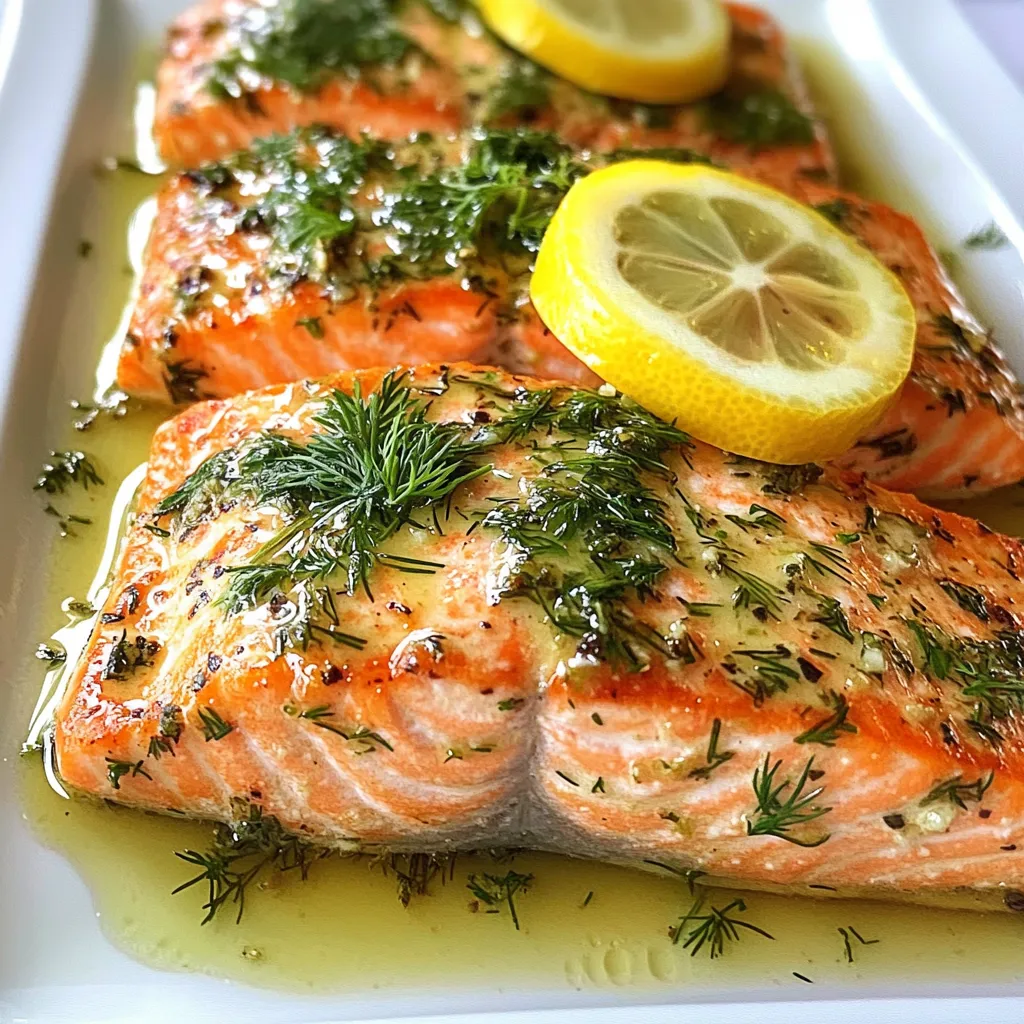

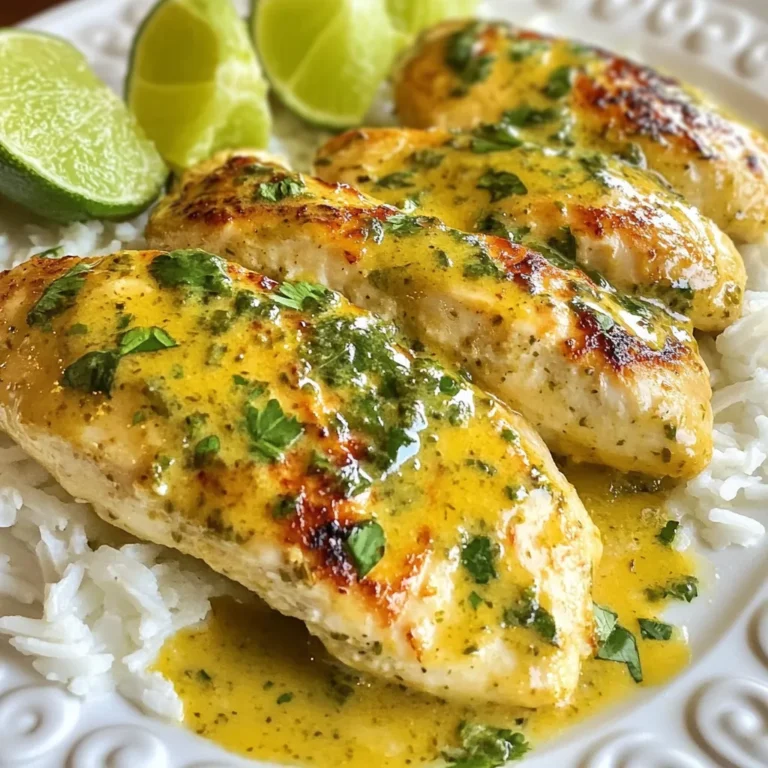
Looking for an easy and tasty way to make salmon? You’ve landed in the right spot! This Garlic Butter Herb Salmon recipe combines simple ingredients with big flavor. You’ll enjoy tender salmon fillets covered in a rich garlic butter and fresh herbs. It’s quick to make and perfect for any weeknight dinner or special occasion. Let’s dive into this delicious dish that you can whip up tonight!
Why I Love This Recipe
- Delicious Flavor: The combination of garlic, butter, and fresh herbs creates a rich and flavorful sauce that elevates the salmon to a whole new level.
- Quick and Easy: This recipe comes together in just 25 minutes, making it perfect for busy weeknights or spontaneous dinner guests.
- Healthy Option: Salmon is packed with omega-3 fatty acids, making this dish not only delicious but also a nutritious choice for your meals.
- Beautiful Presentation: The vibrant colors of the salmon and the fresh herbs, along with lemon slices, make for an impressive dish that looks as good as it tastes.
Ingredients
List of Key Ingredients
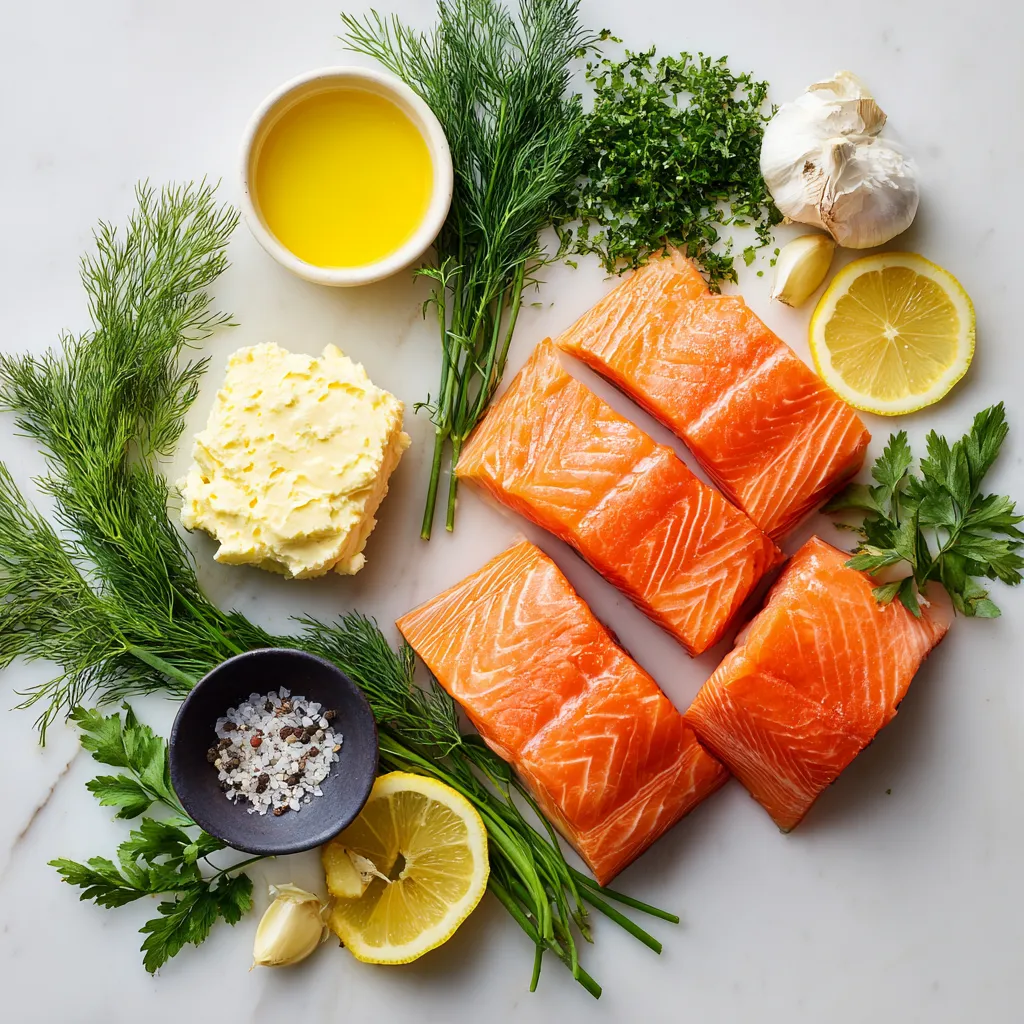
- 4 salmon fillets (6 oz each)
- 4 tablespoons unsalted butter
- 5 cloves garlic, minced
- 2 tablespoons fresh parsley, chopped
- 2 tablespoons fresh dill, chopped
- 2 tablespoons fresh lemon juice
- Zest of 1 lemon
- Salt and pepper, to taste
The main ingredients in this recipe create a flavor that shines. Salmon is the star. It offers a rich taste and a good source of healthy fats. The unsalted butter adds creaminess. Garlic gives a bold and warm touch. Fresh parsley and dill bring brightness and freshness to the dish.
Lemon juice and zest add a nice tang. They balance the richness of the butter and salmon well. Salt and pepper help bring out all these flavors.
Optional Garnishes
- Lemon slices
- Fresh herb sprigs
Using garnishes makes the dish look great and adds flavor. Lemon slices add a zesty touch. Fresh herb sprigs enhance the dish’s fresh look. These simple additions create a beautiful plate that is perfect for any meal.
Step-by-Step Instructions
Preparation Steps
- Preheat your oven to 400°F (200°C).
- Line a baking sheet with parchment paper.
- Pat the salmon fillets dry with paper towels.
- Season both sides of the fillets with salt and pepper.
Butter Mixture Preparation
- In a small saucepan, melt 4 tablespoons of butter over medium heat.
- Once melted, add 5 minced garlic cloves.
- Sauté for 1-2 minutes until the garlic smells good. Do not let it burn.
- Stir in 2 tablespoons of chopped parsley and dill.
- Add 2 tablespoons of lemon juice and the zest of 1 lemon. Mix well.
Baking Instructions
- Place the seasoned salmon on the baking sheet.
- Spoon the garlic herb butter over each fillet. Make sure they are well-coated.
- Bake for 12-15 minutes. Check if the salmon flakes easily with a fork.
- Once cooked, remove from the oven. Let it sit for a minute.
- Transfer the salmon to a plate and drizzle with any leftover butter.
- Garnish with lemon slices and fresh herbs.
Tips & Tricks
Cooking Tips
How do you tell when salmon is cooked?
Salmon is done when it flakes easily with a fork. You can also check the color. Cooked salmon turns from bright pink to a lighter color. The center should still be slightly moist but no longer raw. Use a meat thermometer for precision. The ideal internal temperature is 145°F (63°C).
What are the best methods for seasoning salmon?
Start with salt and pepper to enhance the natural flavor. You can add garlic for depth and fresh herbs for brightness. Mix herbs like parsley and dill into melted butter. This adds a rich taste. You can also use lemon juice to brighten the dish. Always season both sides of the fillet.
Flavor Enhancements
What are suggestions for additional herbs and spices?
You can try basil, thyme, or tarragon for different flavors. Adding a pinch of paprika gives a nice kick. For a spicy touch, consider red pepper flakes. Fresh herbs work best, but dried herbs can work too. Just use less, as they are more concentrated.
What are pairing ideas with side dishes?
Garlic butter herb salmon pairs well with many sides. Try roasted vegetables, like asparagus or broccoli. A fresh salad with lemon vinaigrette balances the dish nicely. You can also serve it with rice or quinoa for a filling meal. Mashed potatoes add creaminess and comfort.
Pro Tips
- Choose Fresh Salmon: Opt for fresh, high-quality salmon fillets for the best flavor and texture. Look for vibrant color and firm texture when selecting your fish.
- Don’t Overcook: Salmon cooks quickly, so keep an eye on it while baking. Remove it from the oven as soon as it flakes easily with a fork to prevent dryness.
- Customize Herbs: Feel free to experiment with your favorite herbs. Thyme, basil, or even tarragon can add unique flavors to the garlic butter sauce.
- Serve with Sides: Pair the salmon with a light salad, steamed vegetables, or a grain like quinoa or rice for a complete meal that balances flavors and textures.

Variations
Alternative Cooking Methods
You can cook Garlic Butter Herb Salmon in different ways for new flavors. Grilling adds a smoky taste. Just preheat the grill and cook the salmon for about 5-7 minutes on each side. Brush the garlic butter mixture on the salmon before grilling for extra flavor. The fish will have nice grill marks and a crispy texture.
Pan-searing is another great option. Heat a skillet over medium-high heat and add butter. Place the salmon skin-side down and cook for 4-5 minutes. Then flip it over and cook for another 3-4 minutes. This method gives you a crispy skin and a soft inside. Both methods are quick and keep the salmon juicy.
Ingredient Substitutions
If you want to switch things up, try different types of fish. Trout, tilapia, or even swordfish work well. Each fish has a unique taste but pairs nicely with garlic and herbs.
For a dairy-free version, swap the butter for olive oil or vegan butter. The garlic and herbs will still shine through, giving you a tasty dish. You won’t miss the dairy, and it will still be rich and flavorful.
Storage Info
Storing Leftovers
After you enjoy your garlic butter herb salmon, store the leftovers properly. First, let the salmon cool to room temperature. This helps prevent condensation. Then, wrap each fillet tightly in plastic wrap. You can also place them in an airtight container. This keeps the salmon fresh and tasty. I recommend using a glass or BPA-free plastic container. Both options keep the flavor intact. Store it in the fridge for up to three days.
Reheating Tips
To reheat salmon, avoid drying it out. Preheat your oven to 275°F (135°C). Place the salmon on a baking sheet. Add a splash of water or broth to keep moisture. Cover it with foil to trap steam. Heat for about 15 minutes or until warm. You can also use a microwave. Place the salmon on a microwave-safe plate. Cover it with a damp paper towel. Heat in short bursts of 30 seconds until warmed through.
Leftover salmon is versatile. Use it in salads or pasta dishes. Flake it into scrambled eggs for breakfast. You can also mix it into a creamy dip for a snack. The options are endless!
FAQs
Common Questions
How long does it take to bake salmon at 400°F?
It takes about 12-15 minutes to bake salmon at 400°F. The salmon should flake easily with a fork when done. I recommend checking around the 12-minute mark for perfect doneness.
Can I use frozen salmon fillets for this recipe?
Yes, you can use frozen salmon fillets. Just make sure to thaw them first. You can leave them in the fridge overnight or use the defrost setting on your microwave. This will help the garlic butter mix well.
What are the health benefits of eating salmon?
Salmon is very healthy. It is rich in omega-3 fatty acids, which are good for your heart. Salmon also provides a lot of protein, vitamins, and minerals. Eating salmon can help improve brain function and lower inflammation.
Cooking and Flavor Questions
What’s the best type of salmon for baking?
The best types of salmon for baking are Atlantic and King salmon. They are fatty and stay moist while cooking. You can also use Sockeye for a richer flavor. All types are tasty with garlic butter.
How do I adjust cooking times for thicker fillets?
For thicker fillets, add a few extra minutes to the cooking time. A good rule is to bake for about 4-5 minutes per half-inch of thickness. Always check for doneness by testing if the fish flakes easily.
This blog post guides you through making delicious garlic butter herb salmon. We covered key ingredients, from fresh salmon fillets to buttery garlic. I shared simple steps to prep, bake, and store your dish. Plus, I included tips for seasoning and alternative cooking methods.
In conclusion, baking salmon is easy and rewarding. With the right ingredients and techniques, you can enjoy a tasty meal. Don’t be afraid to try different flavors or cooking methods to make it your own. Enjoy your cooking journe
Garlic Butter Herb Salmon
Ingredients
- 4 fillets salmon (6 oz each)
- 4 tablespoons unsalted butter
- 5 cloves garlic, minced
- 2 tablespoons fresh parsley, chopped
- 2 tablespoons fresh dill, chopped
- 2 tablespoons fresh lemon juice
- 1 zest lemon
- to taste salt and pepper
- for garnish lemon slices
Instructions
- Preheat your oven to 400°F (200°C) and line a baking sheet with parchment paper.
- Pat the salmon fillets dry with paper towels, then season them with salt and pepper on both sides.
- In a small saucepan, melt the butter over medium heat. Once melted, add the minced garlic and sauté for about 1-2 minutes until fragrant, being careful not to let it burn.
- Stir in the chopped parsley, dill, lemon juice, and lemon zest, mixing well to combine.
- Place the salmon fillets on the prepared baking sheet and spoon the garlic herb butter over each fillet, ensuring they're well-coated.
- Bake in the preheated oven for 12-15 minutes, or until the salmon flakes easily with a fork and is cooked through.
- Once done, remove from the oven and let it sit for a minute before transferring the salmon to a serving plate.
- Drizzle any remaining garlic butter from the baking sheet over the salmon and garnish with lemon slices and fresh herb sprigs.
![For this dish, you need 1 lb (450g) of chicken breast. Slice it thinly to ensure even cooking. The chicken takes on great flavor during marination, so choose fresh, high-quality meat. 1 cup of dill pickle juice gives the chicken a tangy kick. It helps tenderize the meat and adds a unique taste. The vegetables bring color and crunch to your stir fry. You will use: - 2 cups mixed bell peppers (red, yellow, green), sliced - 1 cup snap peas, trimmed - 1 medium red onion, sliced These veggies not only add nutrition but also make the dish visually appealing. You can also mix in other favorites if you want. To enhance flavor, you need: - 2 tablespoons ranch seasoning mix for that creamy, herby taste. - 1 tablespoon olive oil for cooking the chicken and veggies. - Salt and pepper to taste, adjusting to your preference. These seasonings bring everything together. The ranch seasoning adds a fun twist to the dish. For the full recipe, check [Full Recipe]. Start by slicing 1 pound of chicken breast into thin strips. Place the chicken in a bowl. Pour 1 cup of dill pickle juice over the chicken. This juice adds a tangy flavor that makes the dish special. Cover the bowl and let the chicken marinate for at least 30 minutes. This step helps the chicken absorb all the yummy flavors. After marinating, take the chicken out of the pickle juice. Sprinkle 2 tablespoons of ranch seasoning mix evenly on the chicken. Mix well to coat each piece. Next, heat 1 tablespoon of olive oil in a large skillet over medium-high heat. Add the seasoned chicken to the skillet. Cook for about 5 to 7 minutes. Stir occasionally until the chicken turns golden brown and is cooked all the way through. Once done, remove the chicken from the skillet and set it aside. In the same skillet, add 1 medium sliced red onion. Cook for about 2 minutes until it starts to soften. Then, toss in 2 cups of mixed bell peppers and 1 cup of snap peas. Stir frequently for about 5 minutes. You want the veggies to be tender yet crisp. After that, add 2 cloves of minced garlic and cook for another minute. This makes the kitchen smell amazing! Return the cooked chicken to the skillet. Toss everything together well. Season with salt and pepper to taste. For serving, plate the stir fry over cooked rice or quinoa. Garnish with 1 tablespoon of fresh dill for a pop of color and flavor. You can drizzle extra pickle juice on top for a tangy finish. Enjoy this delightful meal that’s sure to impress! For the complete details, check the Full Recipe. Marinating chicken adds flavor and tenderness. Use dill pickle juice for a tangy kick. Let the chicken soak for at least 30 minutes, but longer is better. This helps the meat absorb all the tasty flavors. If you have time, marinate it overnight in the fridge. Make sure to cover the bowl to keep it fresh. For this stir fry, a large skillet or wok works best. The wide surface lets you cook the chicken and veggies evenly. A wooden spoon or spatula helps mix the food without scratching the pan. Make sure your skillet is hot before adding the chicken. This keeps the meat juicy and prevents sticking. A good cutting board and sharp knife are also key for slicing the veggies. Presentation makes meals more enjoyable. Serve the stir fry in a large bowl to show off the colors. Drizzle extra pickle juice on top for a zesty finish. Add fresh dill as a garnish for a pop of green. For a fun touch, place pickles on the side. This adds crunch and makes the dish look inviting. For the full recipe, check out the Pickle Ranch Chicken and Veggie Stir Fry. {{image_2}} You can switch out chicken for other proteins. Turkey works well. Tofu is great for a plant-based choice. Shrimp adds a nice touch too. Just remember to adjust the cooking time. Each protein brings its own flavor. You can keep the marinade the same for all options. Feel free to mix up the veggies. Broccoli or zucchini can add a new twist. Carrots add crunch and color. You can even use frozen veggies for quick prep. Just thaw them before cooking. This stir fry is flexible, so use what you have. Each veggie will give a different taste and look. Want to change the taste? Try adding different sauces. Soy sauce can add saltiness. Teriyaki gives a sweet twist. You could even use curry paste for a spicy kick. Adding fresh herbs like basil or cilantro can brighten it up. Don't be afraid to experiment! Your taste buds will thank you. For the full recipe, check the section above. After a tasty meal, let the leftovers cool. Place them in an airtight container. Make sure to store them in the fridge. They will stay fresh for up to three days. Label the container with the date. This helps keep track of when to eat them. To reheat, you can use a microwave or a skillet. If using a microwave, place the stir fry in a bowl. Heat it for one to two minutes. Stir halfway through to ensure even warming. If using a skillet, add a splash of water and heat on medium for about five minutes. This keeps the dish moist and tasty. If you want to save some for later, freezing is a great option. Place the cooled stir fry in a freezer-safe container. Make sure to leave some space at the top for expansion. It can last up to three months in the freezer. When you're ready to eat, thaw it overnight in the fridge before reheating. Enjoy your Pickle Ranch Chicken and Veggie Stir Fry even after some time! For the full recipe, check the earlier sections. You can add red pepper flakes to the chicken. Start with a pinch and taste. If you want more heat, add a bit more. You can also use spicy pickles instead of dill pickles. Another option is to add sriracha or hot sauce to the stir fry. These steps will give you a nice kick without changing the dish too much. Yes, you can use other pickles. Bread and butter pickles add a sweet twist. You might also try garlic dill pickles for extra flavor. Different pickles can change the taste, so have fun experimenting. Find the type that best fits your taste buds. Don't hesitate to mix and match! This dish pairs well with cooked rice or quinoa. You can also serve it with a fresh salad on the side. If you like, add crusty bread to soak up the juices. For a lighter option, consider steamed broccoli or a veggie platter. The choice is yours! For the full recipe, check out the complete instructions above. This blog post covered the key ingredients and steps to make a tasty dish. You learned how to marinate chicken, cook it well, and sauté fresh vegetables. We also shared helpful tips for cooking and presenting your meal. If you want to switch things up, you can try different proteins or veggies. Finally, we discussed how to store and reheat your leftovers. With this knowledge, you can create a delicious meal that everyone will enjoy. Happy cooking!](https://dailydishlab.com/wp-content/uploads/2025/07/35ffaebc-1afd-4444-a271-9af343d73620-768x768.webp)