Veggie Loaded Frittata Flavorful and Nutritious Meal

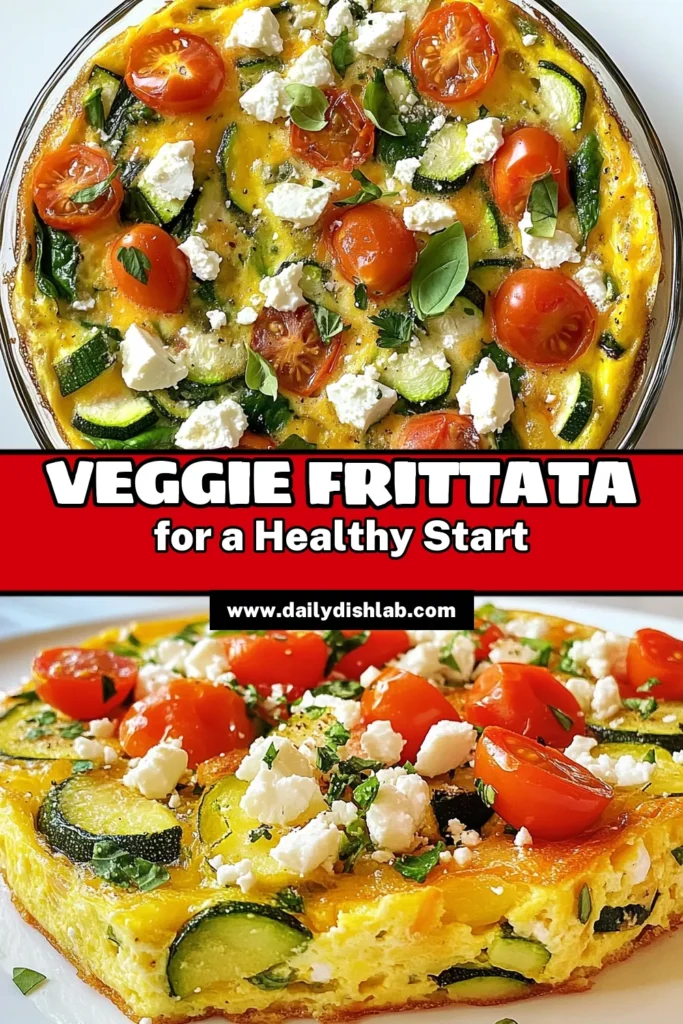
Are you ready to whip up a delicious and healthy meal? This Veggie Loaded Frittata is packed with flavor and nutrients, making it a perfect dish for any time of day. With fresh veggies and simple ingredients, you can create a satisfying meal the whole family will love. Join me as we explore easy steps, tips, and variations to customize your frittata for taste and health. Let’s get started!
Why I Love This Recipe
- Healthier Breakfast Option: This frittata is packed with veggies, making it a nutritious start to your day.
- Versatile Ingredients: You can easily substitute or add any veggies you have on hand, making it customizable!
- Quick and Easy: With just 10 minutes of prep time, this dish is perfect for busy mornings.
- Deliciously Satisfying: The combination of eggs and veggies creates a hearty meal that will keep you full.
Ingredients
Essential Ingredients for Veggie Loaded Frittata
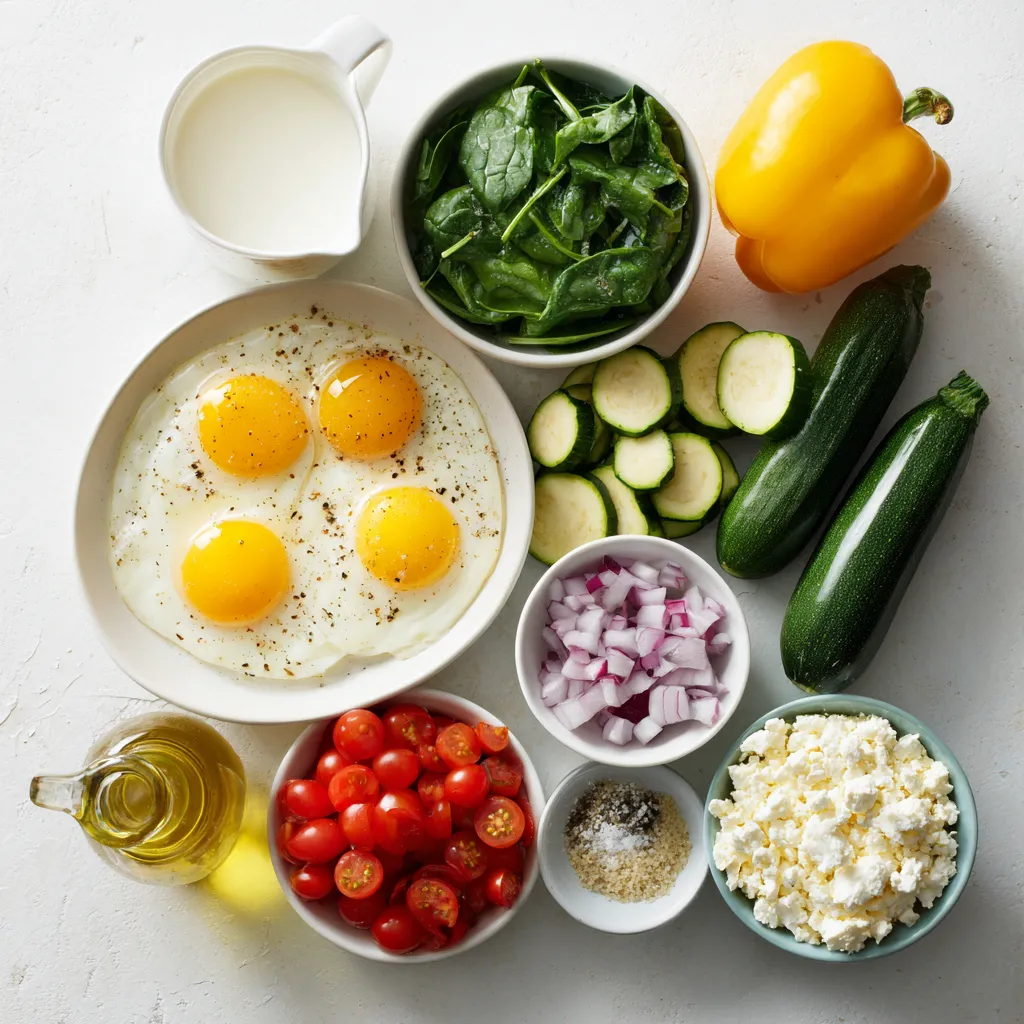
For a tasty veggie loaded frittata, you need these key ingredients:
- 6 large eggs
- 1/4 cup milk (dairy or non-dairy)
- 1 cup spinach, chopped
- 1/2 bell pepper, diced (any color)
- 1 small zucchini, diced
- 1/2 cup cherry tomatoes, halved
- 1/4 cup red onion, finely chopped
- 1/2 teaspoon garlic powder
- Salt and pepper to taste
- 1/4 cup feta cheese, crumbled (optional)
- 2 tablespoons olive oil
- Fresh herbs for garnish (such as parsley or basil)
These ingredients come together to create a bright and colorful dish. Eggs form the base, while the veggies add flavor and nutrition. The feta cheese gives a nice salty kick, but it is optional.
Optional Add-ins for Extra Flavor
You can add more flavor with these tasty extras:
- Cooked bacon or sausage
- Fresh herbs like thyme or dill
- Avocado slices on top
- Grated cheese like cheddar or mozzarella
These add-ins can change the taste of your frittata. They let you customize the dish to match your mood or pantry.
Substitutions for Dietary Preferences
If you have dietary needs, don’t worry! Here are some easy swaps:
- Use egg whites or a plant-based egg substitute for fewer calories.
- Swap the milk with almond or soy milk for a dairy-free option.
- Replace feta with nutritional yeast for a vegan option.
These substitutions keep the frittata delicious while fitting your diet. Enjoy your cooking!
Step-by-Step Instructions
Preparing Your Veggies
Start by gathering your veggies. You need spinach, bell pepper, zucchini, cherry tomatoes, and red onion. Chop the spinach and dice the bell pepper and zucchini. Halve the cherry tomatoes and finely chop the red onion. These veggies add great taste and nutrients to your frittata.
Heat two tablespoons of olive oil in a non-stick, oven-safe skillet over medium heat. Add the red onion and bell pepper. Sauté them for about 2-3 minutes until they soften. Next, add the zucchini and cherry tomatoes. Cook for another 3-4 minutes, stirring often. Finally, stir in the chopped spinach and cook until it wilts, about 1-2 minutes. This mix builds a solid base of flavor.
Mixing the Egg Base
In a large mixing bowl, whisk together six large eggs and 1/4 cup of milk. You can use dairy or a non-dairy option, based on your preference. Keep whisking until the mixture is smooth. Add 1/2 teaspoon of garlic powder, salt, and pepper to taste. This egg base gives your frittata a rich and creamy texture.
Cooking Method: Stovetop and Oven Combo
Once your veggies are ready, pour the egg mixture over them in the skillet. Make sure the eggs cover all the veggies evenly. If you like, sprinkle 1/4 cup of crumbled feta cheese on top for extra flavor.
Cook the frittata on the stovetop for about 3-5 minutes. You want the edges to start setting. After that, transfer the skillet to your preheated oven at 375°F (190°C). Bake for 15-20 minutes, or until the center is set and lightly golden.
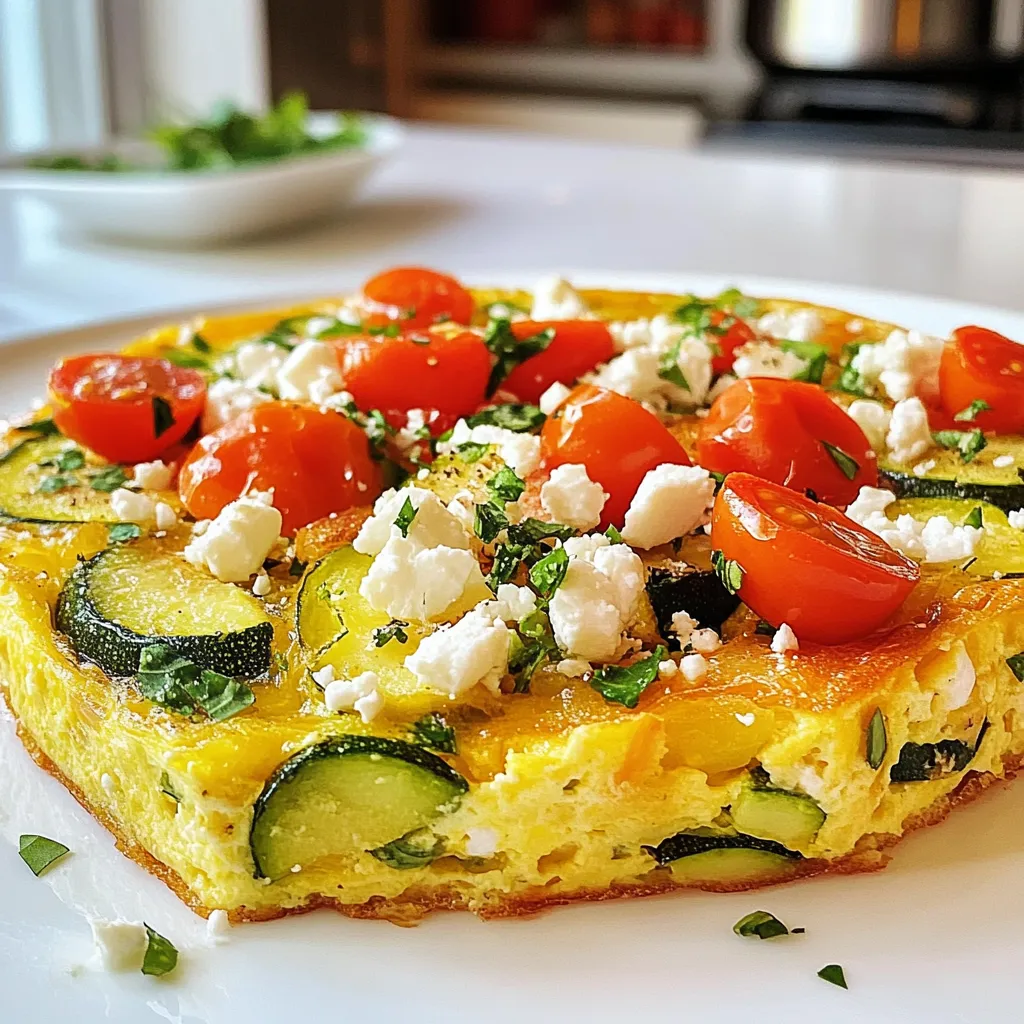
When done, carefully take it out of the oven. Let it cool for a few minutes before slicing. Garnish with fresh herbs like parsley or basil before serving. Enjoy your veggie-loaded frittata!
Tips & Tricks
How to Achieve the Perfect Texture
To get a great texture in your frittata, focus on the cooking time. Cook it on the stovetop until the edges start to set. This gives a nice base. Use a non-stick skillet for easy flipping. The oven will finish the cooking, making it fluffy. Keep an eye on it to avoid overcooking. The center should be set but not dry.
Common Mistakes to Avoid
One common mistake is not whisking the eggs thoroughly. This can lead to uneven cooking. Another mistake is overcrowding the skillet with veggies. This prevents the eggs from cooking properly. Always chop your vegetables into small, even pieces. Lastly, don’t forget to season your egg mixture. Salt and pepper enhance the flavor vividly.
Best Cooking Tools to Use
Use a large mixing bowl for the egg mixture. A whisk helps blend the eggs and milk well. A good non-stick, oven-safe skillet is key for cooking. A spatula will help you flip the frittata easily. Fresh herbs add a nice touch, so have scissors handy for snipping. These tools will help you make a delicious frittata quickly.
Pro Tips
- Use Fresh Vegetables: Fresh vegetables not only enhance the flavor but also provide more nutrients. Choose seasonal produce for the best taste.
- Whisk Eggs Thoroughly: Ensure you whisk the eggs and milk well to incorporate air, which will help the frittata rise and become fluffy.
- Customize with Herbs: Experiment with different herbs like thyme or dill to add unique flavors to your frittata.
- Check for Doneness: The frittata should be set in the middle but still slightly jiggly. It will continue to cook after being removed from the oven, so avoid overcooking.
Variations
Different Vegetable Combinations
You can change up the veggies in your frittata. Feel free to use what you have. Some great choices are:
- Kale
- Broccoli
- Mushrooms
- Carrots
Each of these adds its own flavor and nutrients. For example, broccoli gives a nice crunch. Mushrooms add a rich taste. Mixing different veggies keeps each frittata unique.
Protein Additions: Meats and Alternatives
Adding protein makes the frittata heartier. You can include cooked meats like:
- Ham
- Bacon
- Sausage
If you prefer plant-based options, try:
- Tofu
- Tempeh
- Black beans
These options boost protein levels and add more flavor. Just remember to cook meats before adding them to the egg mix.
Dairy-Free and Vegan Options
You can easily make your frittata dairy-free or vegan. To do this, use:
- Plant-based milk, like almond or soy
- Nutritional yeast instead of cheese for a cheesy taste
You can also replace eggs with a mix of ground flaxseed and water. This gives a similar texture. These changes keep your frittata tasty and friendly for all diets.
Storage Info
Best Practices for Storing Leftovers
To keep your veggie loaded frittata fresh, let it cool first. Once cooled, slice it into portions. Place the slices in an airtight container. Store them in the fridge for up to four days. Avoid stacking the slices directly on top of each other to keep them from sticking.
Reheating Instructions
When you’re ready to enjoy the frittata again, preheat your oven to 350°F (175°C). Place the frittata slices on a baking sheet. Cover them with foil to keep moisture in. Heat for about 10-15 minutes until warm. You can also reheat slices in the microwave for 1-2 minutes. Just check to make sure they don’t get too hot.
Freezing Tips for Long-Term Storage
If you want to save some for later, freeze the frittata. Wrap each slice tightly in plastic wrap. Then, place them in a freezer-safe bag or container. Be sure to label the bag with the date. The frittata can last for up to three months in the freezer. To thaw, place it in the fridge overnight before reheating.
FAQs
Can I make a frittata without eggs?
Yes, you can make a frittata without eggs! Instead, use chickpea flour or silken tofu. Mix these with water and spices to create a batter. This gives you a similar texture and flavor. You can add your favorite veggies just like in a regular frittata.
How long does it take to bake a frittata?
Baking a frittata takes about 15 to 20 minutes. Preheat your oven to 375°F (190°C) first. Once you pour the egg mixture over the veggies, cook it on the stovetop for 3 to 5 minutes. Then, transfer your skillet to the oven to finish cooking.
What are the best herbs to use for flavor?
Fresh herbs add great taste to your frittata. I love using parsley, basil, or chives. You can also try thyme or dill for a unique twist. Just sprinkle them on top before serving for a burst of flavor.
This blog post covered how to make a veggie-loaded frittata. We discussed key ingredients, the best steps to cook it, and ways to avoid mistakes. Use the tips shared for perfect texture and flavor. You can try different veggies and proteins to suit your taste or diet. Storing leftovers is easy, and reheating is simple too. Now, you have all you need to enjoy a tasty frittata. Try making it today and impress your family or friends with your skill
Veggie Loaded Frittata
Ingredients
- 6 large eggs
- 0.25 cup milk (dairy or non-dairy)
- 1 cup spinach, chopped
- 0.5 bell pepper diced (any color)
- 1 small zucchini, diced
- 0.5 cup cherry tomatoes, halved
- 0.25 cup red onion, finely chopped
- 0.5 teaspoon garlic powder
- to taste salt and pepper
- 0.25 cup feta cheese, crumbled (optional)
- 2 tablespoons olive oil
- for garnish fresh herbs (such as parsley or basil)
Instructions
- Preheat your oven to 375°F (190°C).
- In a large mixing bowl, whisk together the eggs and milk until well combined. Season with garlic powder, salt, and pepper.
- Heat olive oil in a non-stick, oven-safe skillet over medium heat. Add the red onion and bell pepper, sautéing for about 2-3 minutes until softened.
- Add the zucchini and cherry tomatoes to the skillet and cook for another 3-4 minutes, stirring frequently. Finally, stir in the chopped spinach and cook until wilted, about 1-2 minutes.
- Pour the egg mixture over the sautéed vegetables, ensuring everything is evenly distributed in the skillet.
- If using, sprinkle the crumbled feta cheese evenly on top of the eggs and vegetables.
- Cook on the stovetop for about 3-5 minutes until the edges start to set.
- Transfer the skillet to the preheated oven and bake for about 15-20 minutes, or until the center is set and lightly golden.
- Remove from the oven and let it cool for a few minutes before slicing.
- Garnish with fresh herbs before serving.
![- 8 oz rice noodles - 1 cup shredded carrots - 1 bell pepper (red or yellow), thinly sliced - 1 cup red cabbage, shredded - 1/2 cup snap peas, trimmed - 1/4 cup fresh cilantro, chopped - 2 green onions, sliced - 1/4 cup roasted peanuts, roughly chopped - 1/4 cup sesame oil - 2 tablespoons soy sauce - 1 tablespoon rice vinegar - 2 teaspoons sriracha (or to taste) - 1 tablespoon honey or maple syrup - Salt and pepper to taste The main ingredients in this salad create a bright and crunchy mix. Rice noodles form the base. They soak up all the flavors. The veggies add color and crunch. Shredded carrots give sweetness. Bell peppers contribute crispness and a pop of color. Red cabbage adds a nice crunch too. Snap peas are sweet and tender. Fresh cilantro brings in a burst of flavor. Green onions add a mild bite. Finally, roasted peanuts add a delicious crunch. For the dressing, sesame oil gives a rich nutty taste. Soy sauce brings saltiness and umami. Rice vinegar adds tang. Sriracha gives a spicy kick that you can adjust. Honey or maple syrup balances the heat with sweetness. Don't forget salt and pepper for extra flavor. This salad is fun to make and even more fun to eat! You can find the Full Recipe below to guide you through. To cook rice noodles, bring water to a boil. Add the noodles and cook as the package tells you. Drain them in a colander. Next, rinse the noodles under cold water. This helps stop the cooking. Set them aside to cool. In a bowl, whisk together the sesame oil, soy sauce, and rice vinegar. Add sriracha, honey, and a pinch of salt and pepper. Keep whisking until all the ingredients mix well. If you like more heat, add more sriracha to fit your taste. In a large mixing bowl, add the shredded carrots, sliced bell pepper, red cabbage, snap peas, cilantro, and green onions. Toss the veggies together to mix them well. Now, add the cooled noodles to the bowl. Pour the dressing over everything. Toss it all together until the noodles and veggies are coated. You can serve this salad on a large platter or in individual bowls. For crunch, sprinkle roasted peanuts on top. You can also add extra cilantro or green onions for a nice touch. This salad looks and tastes great! For the complete recipe, check out the Full Recipe. To get the best noodles, cook them al dente. This means they should be firm but not hard. Follow the package instructions carefully. After cooking, drain and rinse them in cold water. This stops the cooking and keeps them from sticking together. For crunchy veggies, slice bell peppers and cabbage thin. This adds more texture and makes every bite fun. Use fresh snap peas for a crisp experience. The key is to keep the vegetables raw so they stay crunchy. Adjusting the dressing is easy and fun. Start with the basic recipe and taste it. If you want more zest, add a little extra sriracha. For sweetness, increase the honey or maple syrup. The balance of flavors is key to a delicious salad. For added depth, throw in herbs like cilantro. Fresh herbs bring a burst of flavor. You can also mix in other spices if you want something special. Preparing ingredients ahead of time makes life easier. You can chop veggies and store them in the fridge. Just keep them in a sealed container. This keeps them fresh for longer. When storing the salad, keep the dressing separate until you are ready to eat. This helps the salad stay crisp. If you follow these tips, your salad will be fresh and tasty for days. For the complete recipe, check out the [Full Recipe]. {{image_2}} You can boost your Spicy Asian Noodle Salad with protein. Grilled chicken adds a tasty twist. It gives the salad a hearty touch. Just slice it thin and toss it in. If you're looking for plant-based options, try tofu or tempeh. Both options soak up flavors well. Use firm tofu for a nice texture. Simply grill or sauté it until golden. Tempeh has a nutty flavor that pairs beautifully with the salad. For a gluten-free version, swap rice noodles with zucchini noodles or rice paper. These options maintain the crunch and flavor. Ensure your soy sauce is gluten-free, too. If you follow a vegan diet, skip the honey. Use maple syrup instead for sweetness. It blends perfectly with the other flavors. You can enjoy this salad while sticking to your diet. Want to change up the taste? Add fruits like mango or avocado. Mango brings sweetness and color, while avocado adds creaminess. Both fruits pair well with the spicy dressing. You can also try different sauces. For a tangy kick, add some lime juice. Mixing in peanut sauce can give a richer flavor. Experiment with these tweaks to find your favorite taste! For the full recipe, check out the Spicy Asian Noodle Salad link. For the best storage, use airtight containers. Glass or BPA-free plastic containers work well. Make sure to cool the salad before sealing. This helps keep it fresh longer. Store the salad in the fridge right after serving. Your Spicy Asian Noodle Salad stays fresh for about three days. Keep an eye out for signs of spoilage. If you see wilting veggies, or a sour smell, it’s time to toss it. If the noodles become mushy, it's also not good anymore. Always trust your senses when checking for freshness. If you want detailed instructions on how to make this salad, check the Full Recipe. If you do not have rice noodles, try zucchini noodles or soba noodles. Zucchini noodles offer a fresh taste and are low in carbs. Soba noodles provide a nutty flavor and are made from buckwheat. Both options keep your salad bright and tasty. Yes, you can make this salad ahead of time. Prepare all the veggies and keep them in the fridge. Cook the noodles, rinse them, and store them separately. Keep the dressing in a jar. Mix everything together right before serving. This way, your salad stays fresh and crunchy! Yes, this salad can be spicy! The heat comes from sriracha. You can adjust the spice level to your liking. If you want it milder, use less sriracha. For more heat, add a bit more. This makes it easy to customize the flavor just for you! This Spicy Asian Noodle Salad is fun to make and tasty to eat. We covered the main ingredients, dressing, and how to prepare everything. You learned tips on texture and flavor, plus meal prep ideas. You can also adjust this salad to fit your needs. Remember to store leftovers properly for freshness. Enjoy your cooking and make this salad a regular dish!](https://dailydishlab.com/wp-content/uploads/2025/07/6e933895-c6b2-493f-8d49-828c5b8d7f9b-768x768.webp)