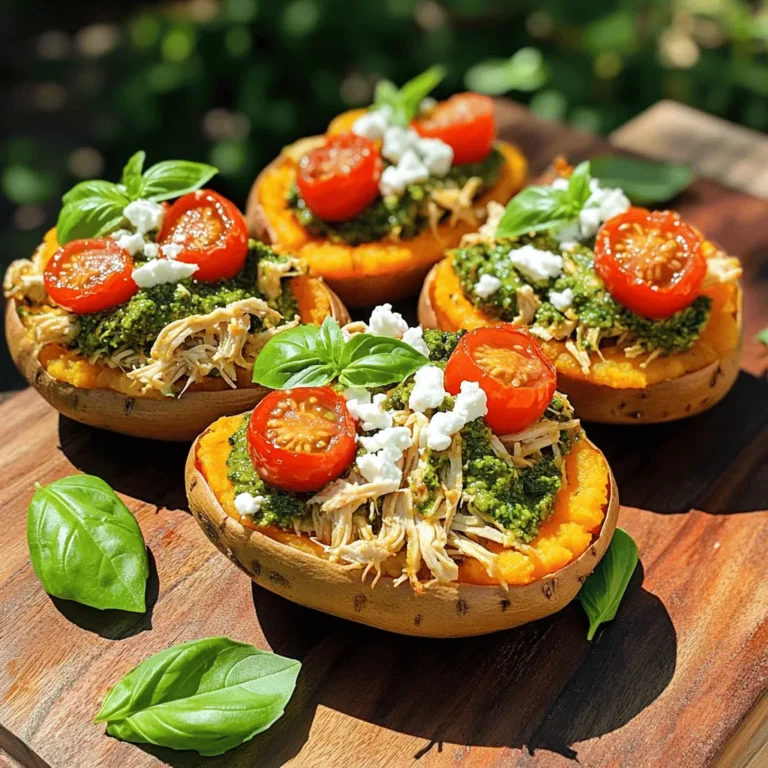
Mediterranean Couscous Salad Fresh and Flavorful Recipe
- 1 cup couscous - 1 1/4 cups vegetable broth - 1 cup cherry tomatoes, halved - 1 cucumber, diced - 1/2 red onion, finely chopped - 1 cup cooked chickpeas - 1/2 cup feta cheese, crumbled - 1/4 cup Kalamata olives, pitted and sliced - 1/4 cup fresh parsley, chopped - 3 tablespoons olive oil - 2 tablespoons lemon juice - 1 teaspoon dried oregano - Salt and pepper to taste The key to this salad is the balance of fresh flavors. You start with couscous, which is light and fluffy. Using vegetable broth adds depth to the taste. The cherry tomatoes bring sweetness, while the cucumber adds crunch. Red onion gives a nice bite, and chickpeas provide protein. Feta cheese adds creaminess and saltiness. Kalamata olives offer a briny touch, and fresh parsley brightens everything. For the dressing, I love using simple ingredients. Olive oil gives richness, and lemon juice adds a refreshing zing. Dried oregano brings an earthy note. Don't forget salt and pepper; they help to enhance all the flavors. This mix of fresh and tasty ingredients makes the salad a winner. {{ingredient_image_1}} First, I bring 1 1/4 cups of vegetable broth to a boil in a medium saucepan. This broth adds rich flavor to the couscous. Once it boils, I remove it from heat. Then, I stir in 1 cup of couscous. I cover the pot and let it sit for about 5 minutes. This helps the couscous absorb all the broth. After that time, I fluff the couscous with a fork and let it cool down. While the couscous cools, I grab a large mixing bowl. I chop 1 cup of cherry tomatoes in half. Next, I dice 1 cucumber and finely chop 1/2 red onion. I add these fresh veggies to the bowl. Then, I mix in 1 cup of cooked chickpeas, 1/2 cup of crumbled feta cheese, 1/4 cup of sliced Kalamata olives, and 1/4 cup of chopped fresh parsley. This mix brings a burst of color and flavor. In a small bowl, I whisk together 3 tablespoons of olive oil, 2 tablespoons of lemon juice, 1 teaspoon of dried oregano, and a pinch of salt and pepper. This dressing ties the salad together. Once the couscous has cooled, I add it to the veggie mixture. I then pour the dressing over everything. Gently, I toss all the ingredients together until they blend well. After tasting, I adjust the seasoning as needed. Finally, I refrigerate the salad for at least 30 minutes. This step allows all the flavors to meld beautifully. To avoid clumping, follow these steps: - Use the right broth-to-couscous ratio. I recommend 1 1/4 cups of broth for every cup of couscous. - After cooking, fluff the couscous with a fork. This helps separate the grains. Adding herbs and spices can boost flavor. Try these: - Fresh parsley adds brightness. - Dried oregano gives depth. - A pinch of red pepper flakes adds heat. For extra toppings, consider: - Grilled chicken or shrimp for protein. - Avocado for creaminess. - Extra olives for a briny kick. Serve the salad in a large bowl. Garnish it with: - Extra parsley for color. - A lemon wedge on the side for zest. Creating individual servings is fun. Use small bowls or jars. This adds a nice touch for gatherings. Pro Tips Flavor Boost: Add a pinch of red pepper flakes for a subtle kick that complements the Mediterranean flavors. Herb Variations: Experiment with other fresh herbs like mint or basil for a unique twist on the classic recipe. Chill Time: Allow the salad to chill for at least an hour before serving to enhance the flavors and texture. Meal Prep Friendly: This salad keeps well in the fridge for up to three days, making it perfect for meal prep lunches! {{image_2}} To make your Mediterranean couscous salad heartier, add grilled chicken or shrimp. These proteins bring a tasty twist. Simply grill your chicken or shrimp until cooked, then chop or slice them. Toss them in with the salad before serving. If you prefer vegetarian options, use extra chickpeas or add roasted tofu. Both choices offer great flavor and texture without meat. Using seasonal vegetables makes your salad fresh and vibrant. In the summer, add bell peppers, zucchini, or corn for a sweet crunch. In the winter, try roasted root vegetables like carrots or beets. These changes keep the salad exciting all year round. You can also adjust the flavor profile. In winter, add spices like cumin or coriander for warmth. In summer, use fresh herbs like basil or mint for a light touch. If you're gluten-free, replace couscous with quinoa or rice. Both grains work well and keep the salad hearty. For vegan adaptations, skip the feta cheese and use avocado for creaminess. You can also add nutritional yeast for a cheesy flavor. These options ensure everyone can enjoy this delicious salad. To store leftovers, place the salad in an airtight container. This keeps it fresh and tasty. The shelf life in the fridge is about three to four days. After that, the flavors may fade. Freezing is not ideal for this salad. If you must freeze it, use a freezer-safe container. For the best taste, freeze without the dressing. When ready, thaw it in the fridge overnight. This keeps the texture nice and fresh. You can enjoy this salad cold or at room temperature. If you prefer it warm, gently heat it in a pan over low heat. Avoid high heat to keep the flavors intact. Adding a splash of olive oil can help bring back moisture. Enjoy it fresh for the best taste! You can store Mediterranean couscous salad in the fridge for up to three days. Just keep it in an airtight container. After three days, the flavors may fade, and the veggies can get soggy. Yes, you can make this salad a day ahead. It tastes even better after chilling. Just mix everything, cover it, and put it in the fridge. The flavors will blend well overnight. If you don’t have feta cheese, try goat cheese or even diced avocado. You can also use a vegan cheese alternative if you prefer a dairy-free option. Both will add creaminess to your salad. Couscous can be a healthy choice. It is low in fat and high in carbs. It also provides some protein and fiber, especially if you choose whole wheat couscous. Pair it with veggies and beans for a balanced meal. Absolutely! You can use green olives or even kalamata if you want a different taste. Just remember to pit them and slice them before adding. This will give your salad a unique twist! This blog post covered a simple and tasty Mediterranean Couscous Salad. We explored key ingredients like couscous, fresh veggies, and chickpeas. I shared cooking steps and tips for perfecting the dish. You saw ways to change it up with proteins and seasonal veggies. Finally, I provided storage tips to keep your salad fresh. Enjoy making this salad! It’s an easy recipe packed with flavor and nutrition.

WANT TO SAVE THIS RECIPE?

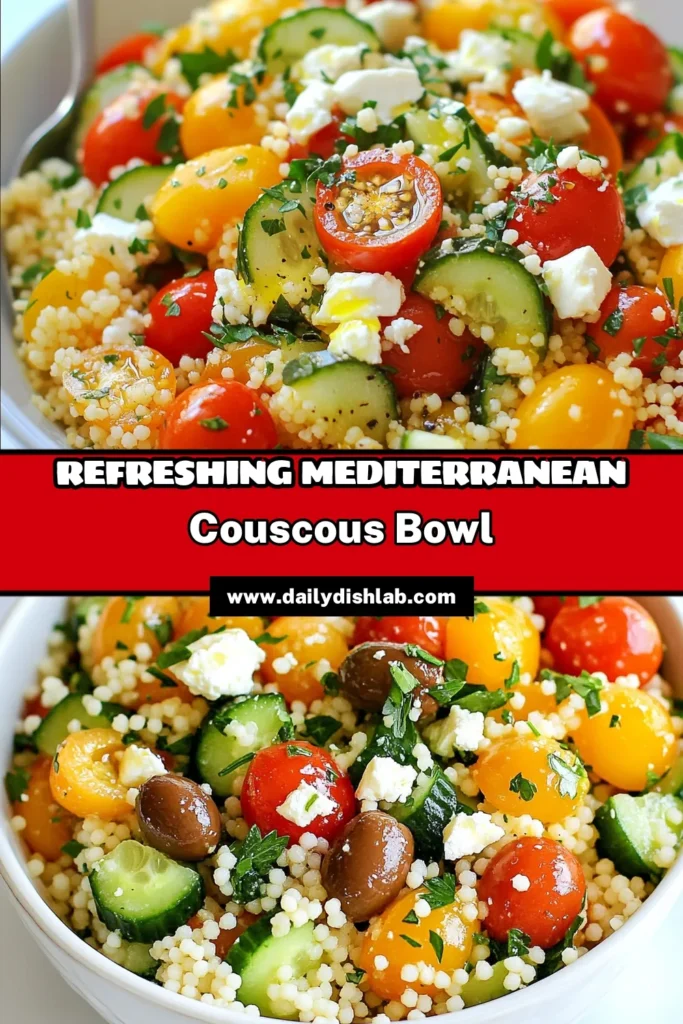
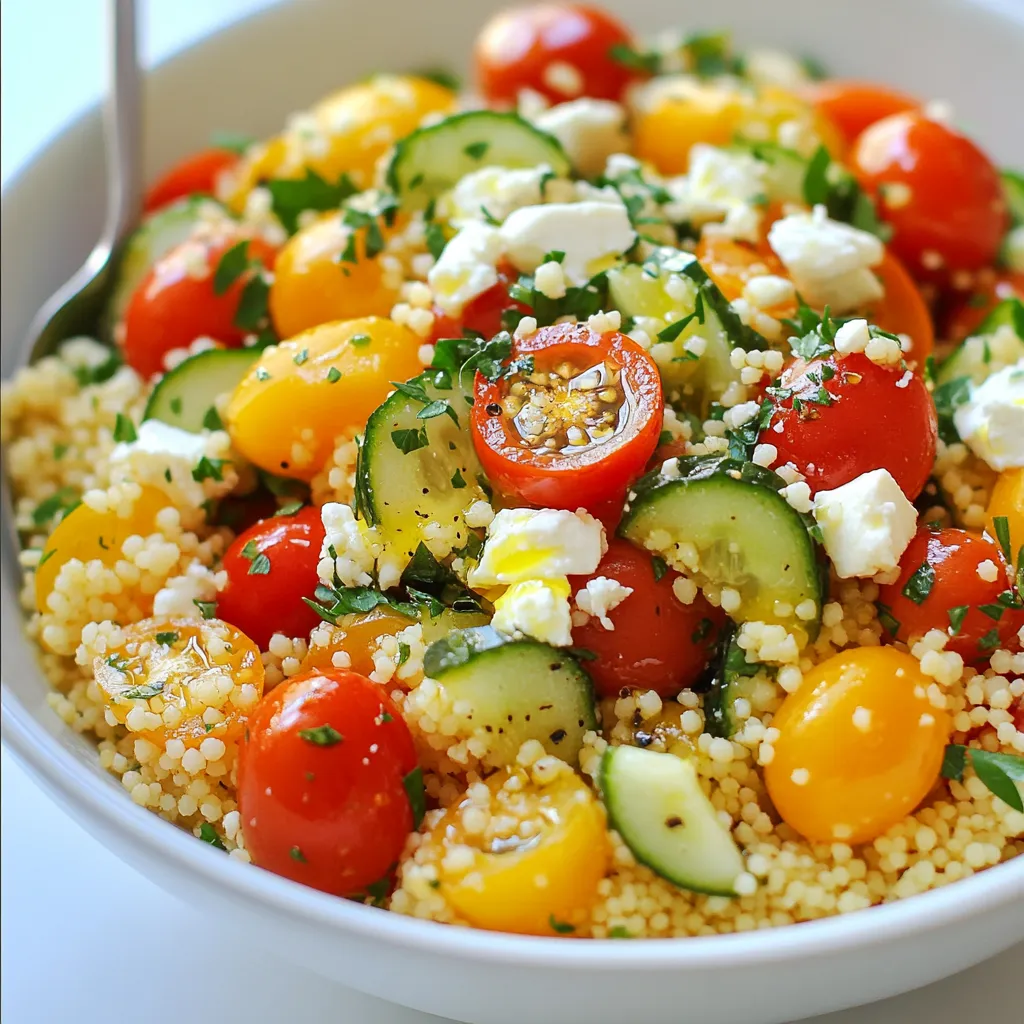
Looking for a fresh and tasty dish that brightens any meal? My Mediterranean Couscous Salad is a vibrant mix of flavors and textures. With just a cup of couscous and a handful of simple ingredients, this salad is both easy to make and fun to customize. Whether you’re eating it for lunch or serving it at a gathering, this recipe will surely impress. Let’s dive into the details!

Why I Love This Recipe

  1. Fresh Ingredients: This salad is packed with vibrant vegetables that burst with flavor, making it a refreshing dish for any occasion.
  2. Quick and Easy: With minimal prep time and simple steps, this recipe is perfect for busy weeknights or last-minute gatherings.
  3. Versatile: You can easily customize this salad by adding your favorite vegetables, proteins, or herbs, ensuring it fits your taste.
  4. Healthy and Filling: With chickpeas and couscous, this salad is not only nutritious but also hearty enough to serve as a main dish.

Ingredients

Main Ingredients

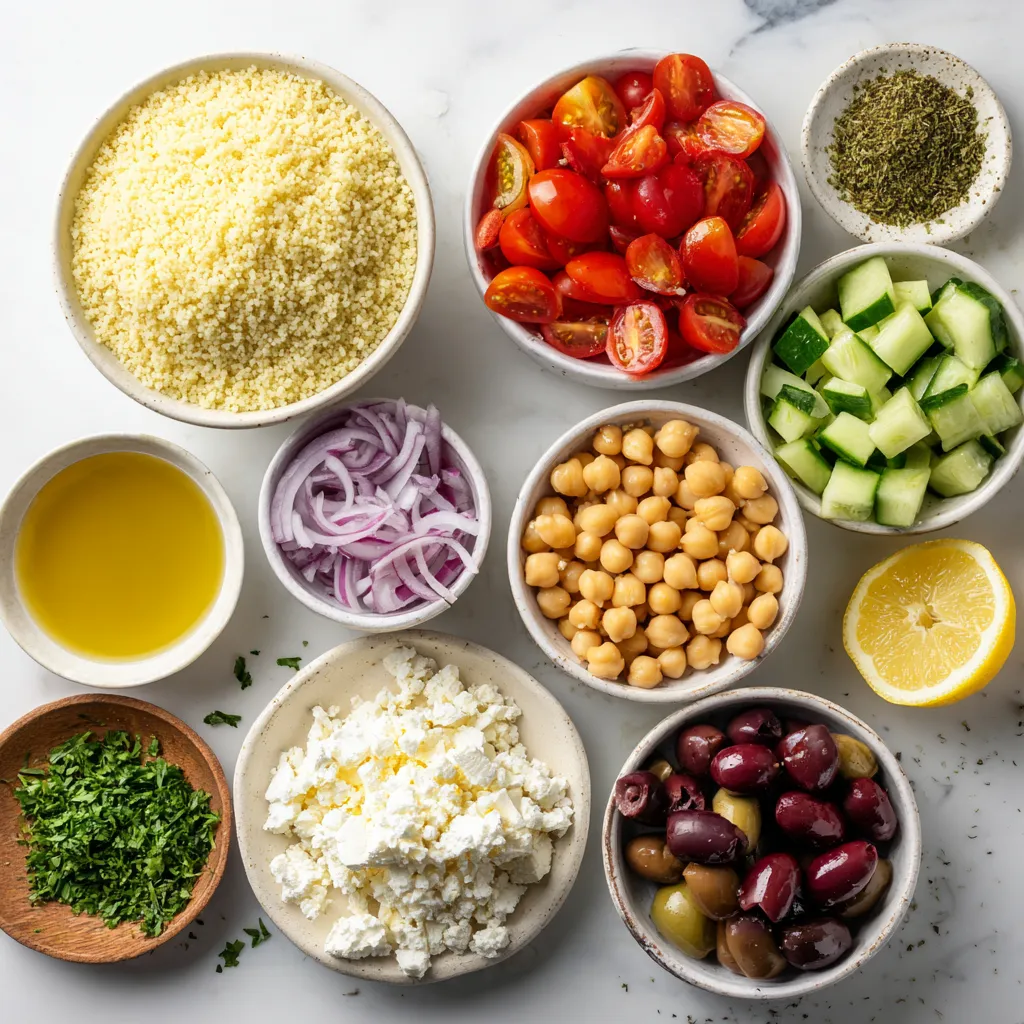
  • 1 cup couscous
  • 1 1/4 cups vegetable broth
  • 1 cup cherry tomatoes, halved
  • 1 cucumber, diced
  • 1/2 red onion, finely chopped
  • 1 cup cooked chickpeas
  • 1/2 cup feta cheese, crumbled
  • 1/4 cup Kalamata olives, pitted and sliced
  • 1/4 cup fresh parsley, chopped

Dressing Ingredients

  • 3 tablespoons olive oil
  • 2 tablespoons lemon juice
  • 1 teaspoon dried oregano
  • Salt and pepper to taste

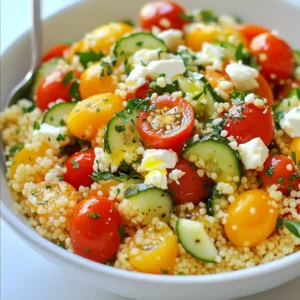
The key to this salad is the balance of fresh flavors. You start with couscous, which is light and fluffy. Using vegetable broth adds depth to the taste. The cherry tomatoes bring sweetness, while the cucumber adds crunch. Red onion gives a nice bite, and chickpeas provide protein. Feta cheese adds creaminess and saltiness. Kalamata olives offer a briny touch, and fresh parsley brightens everything.

For the dressing, I love using simple ingredients. Olive oil gives richness, and lemon juice adds a refreshing zing. Dried oregano brings an earthy note. Don’t forget salt and pepper; they help to enhance all the flavors. This mix of fresh and tasty ingredients makes the salad a winner.
Step-by-Step Instructions

Cooking Couscous

First, I bring 1 1/4 cups of vegetable broth to a boil in a medium saucepan. This broth adds rich flavor to the couscous. Once it boils, I remove it from heat. Then, I stir in 1 cup of couscous. I cover the pot and let it sit for about 5 minutes. This helps the couscous absorb all the broth. After that time, I fluff the couscous with a fork and let it cool down.

Preparing the Salad

While the couscous cools, I grab a large mixing bowl. I chop 1 cup of cherry tomatoes in half. Next, I dice 1 cucumber and finely chop 1/2 red onion. I add these fresh veggies to the bowl. Then, I mix in 1 cup of cooked chickpeas, 1/2 cup of crumbled feta cheese, 1/4 cup of sliced Kalamata olives, and 1/4 cup of chopped fresh parsley. This mix brings a burst of color and flavor.

In a small bowl, I whisk together 3 tablespoons of olive oil, 2 tablespoons of lemon juice, 1 teaspoon of dried oregano, and a pinch of salt and pepper. This dressing ties the salad together.

Combining Ingredients

Once the couscous has cooled, I add it to the veggie mixture. I then pour the dressing over everything. Gently, I toss all the ingredients together until they blend well. After tasting, I adjust the seasoning as needed. Finally, I refrigerate the salad for at least 30 minutes. This step allows all the flavors to meld beautifully.

Tips & Tricks

Perfecting the Couscous

To avoid clumping, follow these steps:

  • Use the right broth-to-couscous ratio. I recommend 1 1/4 cups of broth for every cup of couscous.
  • After cooking, fluff the couscous with a fork. This helps separate the grains.

Flavor Enhancement

Adding herbs and spices can boost flavor. Try these:

  • Fresh parsley adds brightness.
  • Dried oregano gives depth.
  • A pinch of red pepper flakes adds heat.

For extra toppings, consider:

  • Grilled chicken or shrimp for protein.
  • Avocado for creaminess.
  • Extra olives for a briny kick.

Presentation Tips

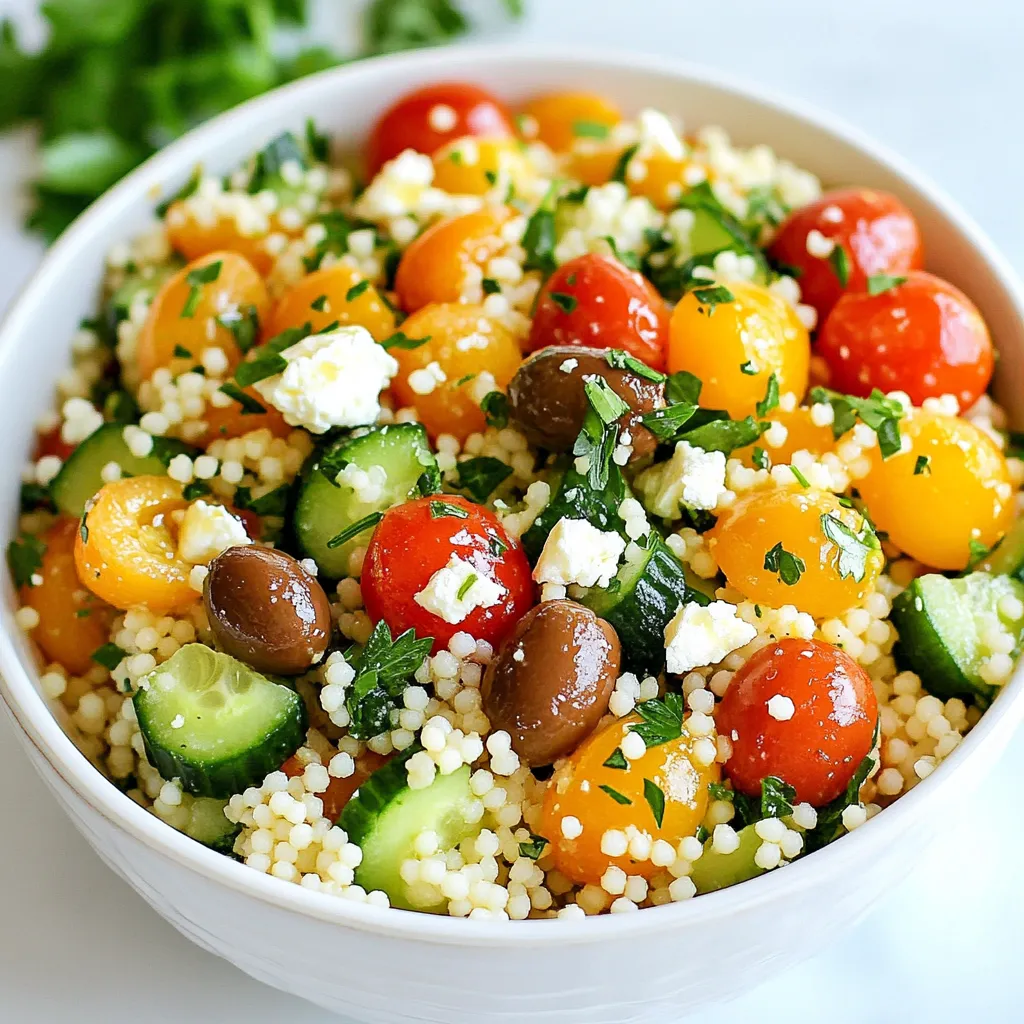
Serve the salad in a large bowl. Garnish it with:

  • Extra parsley for color.
  • A lemon wedge on the side for zest.

Creating individual servings is fun. Use small bowls or jars. This adds a nice touch for gatherings.

Pro Tips

  1. Flavor Boost: Add a pinch of red pepper flakes for a subtle kick that complements the Mediterranean flavors.
  2. Herb Variations: Experiment with other fresh herbs like mint or basil for a unique twist on the classic recipe.
  3. Chill Time: Allow the salad to chill for at least an hour before serving to enhance the flavors and texture.
  4. Meal Prep Friendly: This salad keeps well in the fridge for up to three days, making it perfect for meal prep lunches!
Variations

Protein Additions

To make your Mediterranean couscous salad heartier, add grilled chicken or shrimp. These proteins bring a tasty twist. Simply grill your chicken or shrimp until cooked, then chop or slice them. Toss them in with the salad before serving. If you prefer vegetarian options, use extra chickpeas or add roasted tofu. Both choices offer great flavor and texture without meat.

Seasonal Ingredients

Using seasonal vegetables makes your salad fresh and vibrant. In the summer, add bell peppers, zucchini, or corn for a sweet crunch. In the winter, try roasted root vegetables like carrots or beets. These changes keep the salad exciting all year round. You can also adjust the flavor profile. In winter, add spices like cumin or coriander for warmth. In summer, use fresh herbs like basil or mint for a light touch.

Dietary Considerations

If you’re gluten-free, replace couscous with quinoa or rice. Both grains work well and keep the salad hearty. For vegan adaptations, skip the feta cheese and use avocado for creaminess. You can also add nutritional yeast for a cheesy flavor. These options ensure everyone can enjoy this delicious salad.

Storage Info

Refrigeration Guidelines

To store leftovers, place the salad in an airtight container. This keeps it fresh and tasty. The shelf life in the fridge is about three to four days. After that, the flavors may fade.

Freezing Instructions

Freezing is not ideal for this salad. If you must freeze it, use a freezer-safe container. For the best taste, freeze without the dressing. When ready, thaw it in the fridge overnight. This keeps the texture nice and fresh.

Reheating Suggestions

You can enjoy this salad cold or at room temperature. If you prefer it warm, gently heat it in a pan over low heat. Avoid high heat to keep the flavors intact. Adding a splash of olive oil can help bring back moisture. Enjoy it fresh for the best taste!

FAQs

How long can Mediterranean Couscous Salad be stored?

You can store Mediterranean couscous salad in the fridge for up to three days. Just keep it in an airtight container. After three days, the flavors may fade, and the veggies can get soggy.

Can I make this salad ahead of time?

Yes, you can make this salad a day ahead. It tastes even better after chilling. Just mix everything, cover it, and put it in the fridge. The flavors will blend well overnight.

What can I substitute for feta cheese?

If you don’t have feta cheese, try goat cheese or even diced avocado. You can also use a vegan cheese alternative if you prefer a dairy-free option. Both will add creaminess to your salad.

Is couscous healthy?

Couscous can be a healthy choice. It is low in fat and high in carbs. It also provides some protein and fiber, especially if you choose whole wheat couscous. Pair it with veggies and beans for a balanced meal.

Can I use other types of olives?

Absolutely! You can use green olives or even kalamata if you want a different taste. Just remember to pit them and slice them before adding. This will give your salad a unique twist!

This blog post covered a simple and tasty Mediterranean Couscous Salad. We explored key ingredients like couscous, fresh veggies, and chickpeas. I shared cooking steps and tips for perfecting the dish. You saw ways to change it up with proteins and seasonal veggies. Finally, I provided storage tips to keep your salad fresh.

Enjoy making this salad! It’s an easy recipe packed with flavor and nutritio
- 1 cup couscous - 1 1/4 cups vegetable broth - 1 cup cherry tomatoes, halved - 1 cucumber, diced - 1/2 red onion, finely chopped - 1 cup cooked chickpeas - 1/2 cup feta cheese, crumbled - 1/4 cup Kalamata olives, pitted and sliced - 1/4 cup fresh parsley, chopped - 3 tablespoons olive oil - 2 tablespoons lemon juice - 1 teaspoon dried oregano - Salt and pepper to taste The key to this salad is the balance of fresh flavors. You start with couscous, which is light and fluffy. Using vegetable broth adds depth to the taste. The cherry tomatoes bring sweetness, while the cucumber adds crunch. Red onion gives a nice bite, and chickpeas provide protein. Feta cheese adds creaminess and saltiness. Kalamata olives offer a briny touch, and fresh parsley brightens everything. For the dressing, I love using simple ingredients. Olive oil gives richness, and lemon juice adds a refreshing zing. Dried oregano brings an earthy note. Don't forget salt and pepper; they help to enhance all the flavors. This mix of fresh and tasty ingredients makes the salad a winner. {{ingredient_image_1}} First, I bring 1 1/4 cups of vegetable broth to a boil in a medium saucepan. This broth adds rich flavor to the couscous. Once it boils, I remove it from heat. Then, I stir in 1 cup of couscous. I cover the pot and let it sit for about 5 minutes. This helps the couscous absorb all the broth. After that time, I fluff the couscous with a fork and let it cool down. While the couscous cools, I grab a large mixing bowl. I chop 1 cup of cherry tomatoes in half. Next, I dice 1 cucumber and finely chop 1/2 red onion. I add these fresh veggies to the bowl. Then, I mix in 1 cup of cooked chickpeas, 1/2 cup of crumbled feta cheese, 1/4 cup of sliced Kalamata olives, and 1/4 cup of chopped fresh parsley. This mix brings a burst of color and flavor. In a small bowl, I whisk together 3 tablespoons of olive oil, 2 tablespoons of lemon juice, 1 teaspoon of dried oregano, and a pinch of salt and pepper. This dressing ties the salad together. Once the couscous has cooled, I add it to the veggie mixture. I then pour the dressing over everything. Gently, I toss all the ingredients together until they blend well. After tasting, I adjust the seasoning as needed. Finally, I refrigerate the salad for at least 30 minutes. This step allows all the flavors to meld beautifully. To avoid clumping, follow these steps: - Use the right broth-to-couscous ratio. I recommend 1 1/4 cups of broth for every cup of couscous. - After cooking, fluff the couscous with a fork. This helps separate the grains. Adding herbs and spices can boost flavor. Try these: - Fresh parsley adds brightness. - Dried oregano gives depth. - A pinch of red pepper flakes adds heat. For extra toppings, consider: - Grilled chicken or shrimp for protein. - Avocado for creaminess. - Extra olives for a briny kick. Serve the salad in a large bowl. Garnish it with: - Extra parsley for color. - A lemon wedge on the side for zest. Creating individual servings is fun. Use small bowls or jars. This adds a nice touch for gatherings. Pro Tips Flavor Boost: Add a pinch of red pepper flakes for a subtle kick that complements the Mediterranean flavors. Herb Variations: Experiment with other fresh herbs like mint or basil for a unique twist on the classic recipe. Chill Time: Allow the salad to chill for at least an hour before serving to enhance the flavors and texture. Meal Prep Friendly: This salad keeps well in the fridge for up to three days, making it perfect for meal prep lunches! {{image_2}} To make your Mediterranean couscous salad heartier, add grilled chicken or shrimp. These proteins bring a tasty twist. Simply grill your chicken or shrimp until cooked, then chop or slice them. Toss them in with the salad before serving. If you prefer vegetarian options, use extra chickpeas or add roasted tofu. Both choices offer great flavor and texture without meat. Using seasonal vegetables makes your salad fresh and vibrant. In the summer, add bell peppers, zucchini, or corn for a sweet crunch. In the winter, try roasted root vegetables like carrots or beets. These changes keep the salad exciting all year round. You can also adjust the flavor profile. In winter, add spices like cumin or coriander for warmth. In summer, use fresh herbs like basil or mint for a light touch. If you're gluten-free, replace couscous with quinoa or rice. Both grains work well and keep the salad hearty. For vegan adaptations, skip the feta cheese and use avocado for creaminess. You can also add nutritional yeast for a cheesy flavor. These options ensure everyone can enjoy this delicious salad. To store leftovers, place the salad in an airtight container. This keeps it fresh and tasty. The shelf life in the fridge is about three to four days. After that, the flavors may fade. Freezing is not ideal for this salad. If you must freeze it, use a freezer-safe container. For the best taste, freeze without the dressing. When ready, thaw it in the fridge overnight. This keeps the texture nice and fresh. You can enjoy this salad cold or at room temperature. If you prefer it warm, gently heat it in a pan over low heat. Avoid high heat to keep the flavors intact. Adding a splash of olive oil can help bring back moisture. Enjoy it fresh for the best taste! You can store Mediterranean couscous salad in the fridge for up to three days. Just keep it in an airtight container. After three days, the flavors may fade, and the veggies can get soggy. Yes, you can make this salad a day ahead. It tastes even better after chilling. Just mix everything, cover it, and put it in the fridge. The flavors will blend well overnight. If you don’t have feta cheese, try goat cheese or even diced avocado. You can also use a vegan cheese alternative if you prefer a dairy-free option. Both will add creaminess to your salad. Couscous can be a healthy choice. It is low in fat and high in carbs. It also provides some protein and fiber, especially if you choose whole wheat couscous. Pair it with veggies and beans for a balanced meal. Absolutely! You can use green olives or even kalamata if you want a different taste. Just remember to pit them and slice them before adding. This will give your salad a unique twist! This blog post covered a simple and tasty Mediterranean Couscous Salad. We explored key ingredients like couscous, fresh veggies, and chickpeas. I shared cooking steps and tips for perfecting the dish. You saw ways to change it up with proteins and seasonal veggies. Finally, I provided storage tips to keep your salad fresh. Enjoy making this salad! It’s an easy recipe packed with flavor and nutrition.

Mediterranean Couscous Salad

A refreshing and vibrant salad featuring couscous, fresh vegetables, and a tangy dressing.
Prep Time 15 minutes
Cook Time 10 minutes
Total Time 45 minutes
Course Salad
Cuisine Mediterranean
Servings 4
Calories 250 kcal

Ingredients
  

  • 1 cup couscous
  • 1.25 cups vegetable broth
  • 1 cup cherry tomatoes, halved
  • 1 medium cucumber, diced
  • 0.5 medium red onion, finely chopped
  • 1 cup cooked chickpeas (canned or homemade)
  • 0.5 cup feta cheese, crumbled
  • 0.25 cup Kalamata olives, pitted and sliced
  • 0.25 cup fresh parsley, chopped
  • 3 tablespoons olive oil
  • 2 tablespoons lemon juice
  • 1 teaspoon dried oregano
  • to taste salt and pepper

Instructions
 

  • In a medium saucepan, bring the vegetable broth to a boil over medium-high heat.
  • Once boiling, remove from heat and stir in the couscous. Cover and let it sit for about 5 minutes, or until the liquid is absorbed.
  • Fluff the couscous with a fork and let it cool.
  • While the couscous is cooling, prepare the vegetables: in a large mixing bowl, combine the cherry tomatoes, cucumber, red onion, chickpeas, feta cheese, olives, and parsley.
  • In a small bowl, whisk together the olive oil, lemon juice, dried oregano, salt, and pepper to make the dressing.
  • Once the couscous is cool, add it to the veggie mixture and pour the dressing over it.
  • Gently toss everything together until well combined.
  • Adjust seasoning if necessary and refrigerate for at least 30 minutes before serving to allow flavors to meld.
Notes

Serve in a large bowl, garnished with extra parsley and a lemon wedge on the side for a fresh touch.
Keyword couscous, Mediterranean, salad, vegetarian

WANT TO SAVE THIS RECIPE?

Related Posts