
Savory Shrimp and Grits Dish for Flavor Lovers
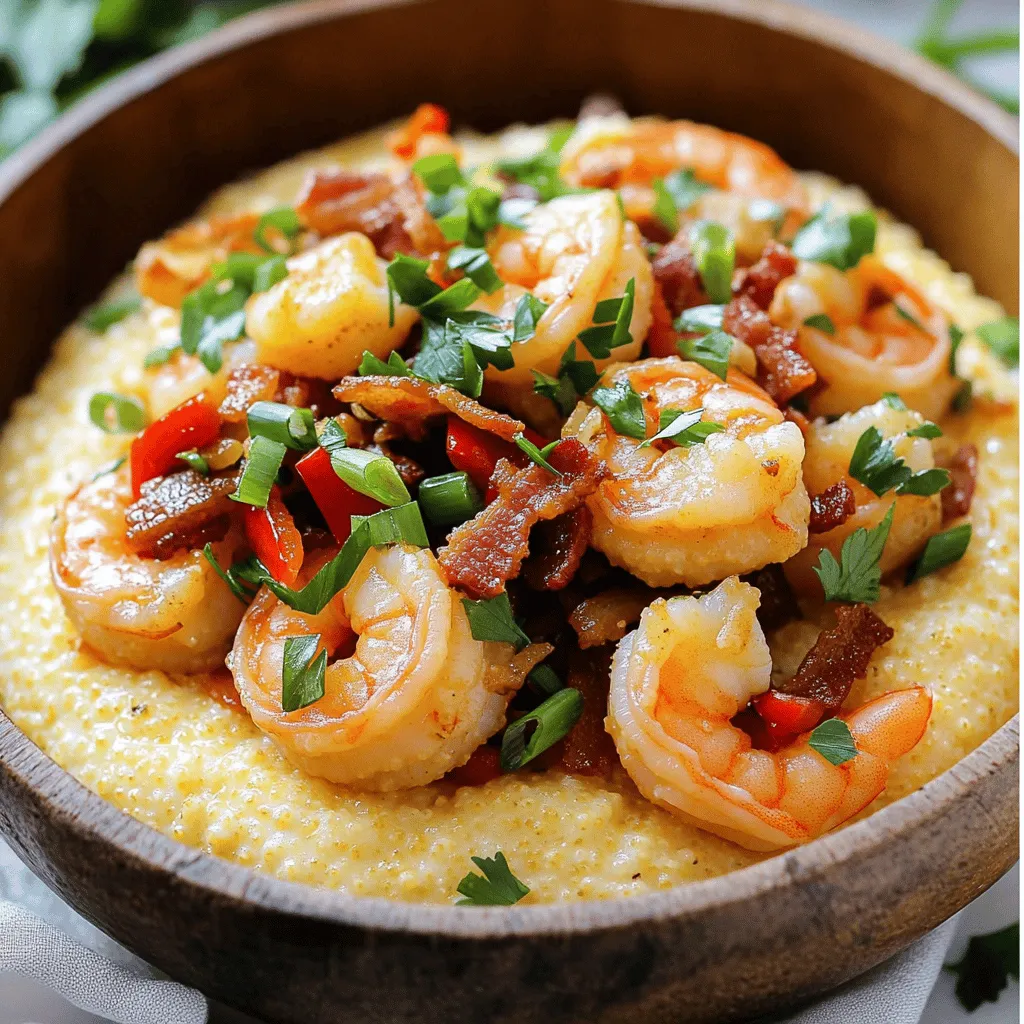
If you love bold flavors, you need to try this savory shrimp and grits dish. It combines creamy, cheesy grits with spicy, seasoned shrimp for a perfect bite. I’ll guide you through easy steps and share tips to make this dish your own. Whether you’re a kitchen novice or a seasoned chef, you’re going to love serving up this classic Southern comfort food. Let’s dive in and get cooking!
Why I Love This Recipe
- Comforting and Creamy: This dish combines the rich, creamy texture of grits with the succulent flavor of shrimp, making it a comforting meal perfect for any occasion.
- Easy to Prepare: With simple ingredients and straightforward steps, this recipe is quick to whip up, making it ideal for weeknight dinners or casual gatherings.
- Flavorful and Spicy: The addition of smoked paprika and cayenne pepper adds a delightful kick, enhancing the overall flavor and making each bite exciting.
- Versatile Ingredients: Feel free to customize the recipe by adding your favorite vegetables or adjusting the spice levels, allowing for endless variations!
Ingredients
Main Ingredients
- 1 cup stone-ground grits
- 4 cups water or low-sodium chicken broth
- 1 lb shrimp, peeled and deveined
Flavor Enhancers
- 4 strips of turkey bacon, chopped
- 1 red bell pepper, diced
- 1/2 cup green onions, chopped
- 2 cloves garlic, minced
Seasoning and Garnish
- 1 teaspoon smoked paprika
- 1/2 teaspoon cayenne pepper (adjust to taste)
- Salt and black pepper to taste
- 1 cup shredded sharp cheddar cheese
- 2 tablespoons unsalted butter
- Fresh parsley, chopped (for garnish)
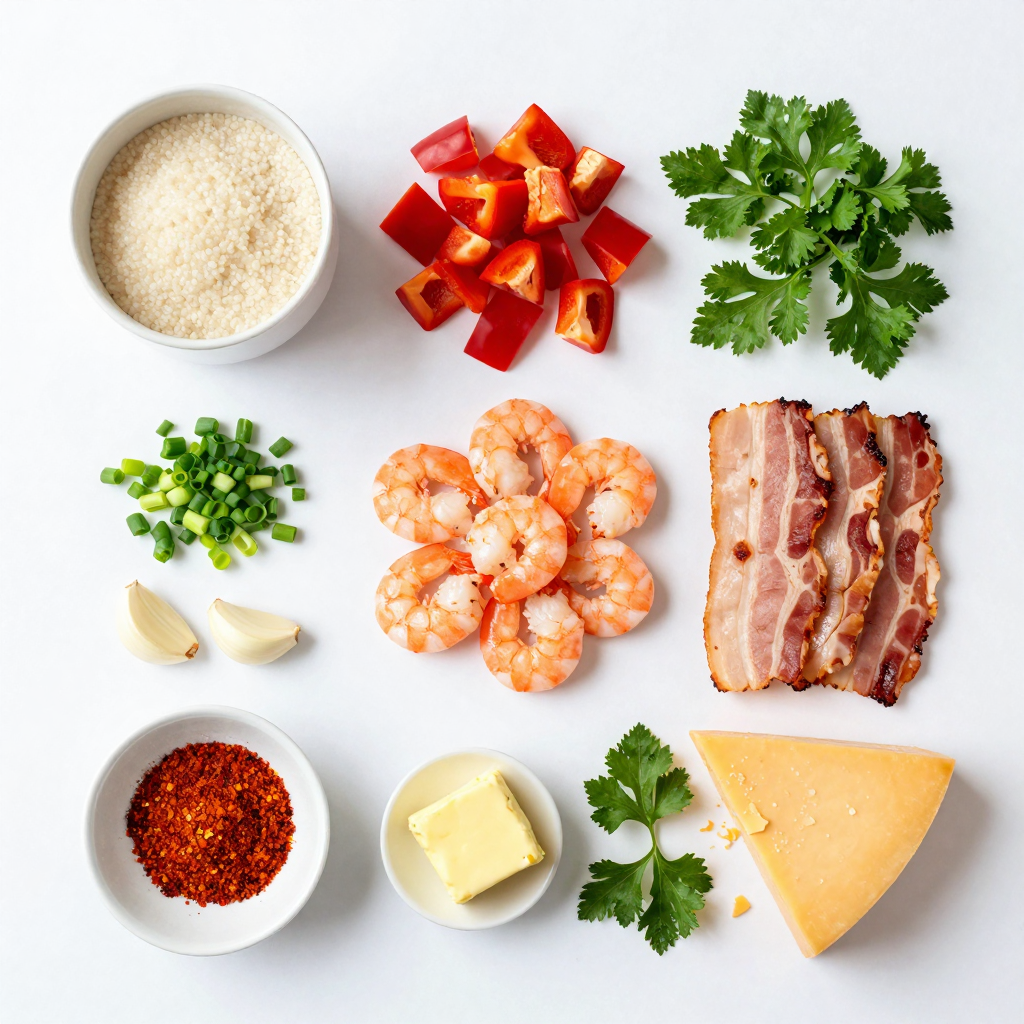
When making shrimp and grits, fresh ingredients are key. Stone-ground grits give a nice creamy texture. They also add a rich flavor that pairs well with the shrimp. I love using low-sodium chicken broth for cooking grits. It adds depth without too much salt.
For the shrimp, always peel and devein them first. This step makes your dish cleaner and more appealing. The turkey bacon adds a savory crunch. It also gives a nice smoky flavor to the shrimp.
Red bell pepper adds sweetness and color. Green onions give a fresh taste and a nice crunch. Garlic is a must. It brings out the flavor of the shrimp and enhances the dish overall.
Smoked paprika adds warmth and a slight smokiness. Cayenne pepper gives it a kick. Adjust the amount based on your heat preference. Salt and black pepper are essential for balancing the flavors.
Finally, sharp cheddar cheese adds creaminess and a rich flavor to the grits. Butter makes everything taste better and adds a silky texture. Fresh parsley on top makes the dish look bright and fresh.
Step-by-Step Instructions
Cooking the Grits
- In a medium saucepan, bring 4 cups of water or low-sodium chicken broth to a boil.
- Slowly whisk in 1 cup of stone-ground grits and reduce heat to low.
- Stir occasionally and cook until creamy, about 20-25 minutes.
Preparing the Shrimp Mixture
- Cook 4 strips of chopped turkey bacon until crispy, then remove from the skillet.
- In the same skillet, sauté 1 diced red bell pepper and 2 cloves of minced garlic until softened.
- Add 1 lb of peeled and deveined shrimp. Season with 1 teaspoon smoked paprika, 1/2 teaspoon cayenne, salt, and black pepper.
Combining and Serving
- Stir in the cooked turkey bacon and half of 1/2 cup of chopped green onions.
- Serve cheesy grits in bowls topped with the shrimp mixture.
- Garnish with the remaining green onions and fresh parsley.
This recipe is a true delight for flavor lovers. Enjoy!
Pro Tips
- Quality Grits: Use high-quality stone-ground grits for the best texture and flavor. They will yield a creamier consistency compared to instant grits.
- Perfectly Cooked Shrimp: Be careful not to overcook the shrimp; they should only take 3-5 minutes until they turn pink and opaque.
- Flavor Boost: Add a splash of lemon juice or a sprinkle of hot sauce to the shrimp mixture for an extra layer of flavor that complements the dish.
- Garnishing: For a pop of color and freshness, don’t skip the fresh parsley on top. It enhances both the presentation and the taste of the dish.
Tips & Tricks
Perfecting the Grits
- Use low-sodium chicken broth for added flavor without excess salt.
- Stir grits frequently to prevent sticking.
To make the best grits, always choose stone-ground grits. They have a richer taste. Cook them slowly for creaminess. I find that low-sodium chicken broth boosts the flavor. It gives depth without making the dish too salty. Stir often while cooking. This keeps them smooth and creamy.
Enhancing Shrimp Flavor
- Marinate shrimp with spices for even more flavor.
- Adjust cayenne to suit your spice preference.
For shrimp that bursts with taste, marinate them first. A blend of spices works wonders. I suggest smoked paprika and cayenne for a little heat. You can adjust the cayenne to match your spice level. The shrimp will absorb these flavors well.
Serving Suggestions
- Pair with a side salad or sautéed greens for a complete meal.
- Serve in shallow bowls to highlight the presentation.
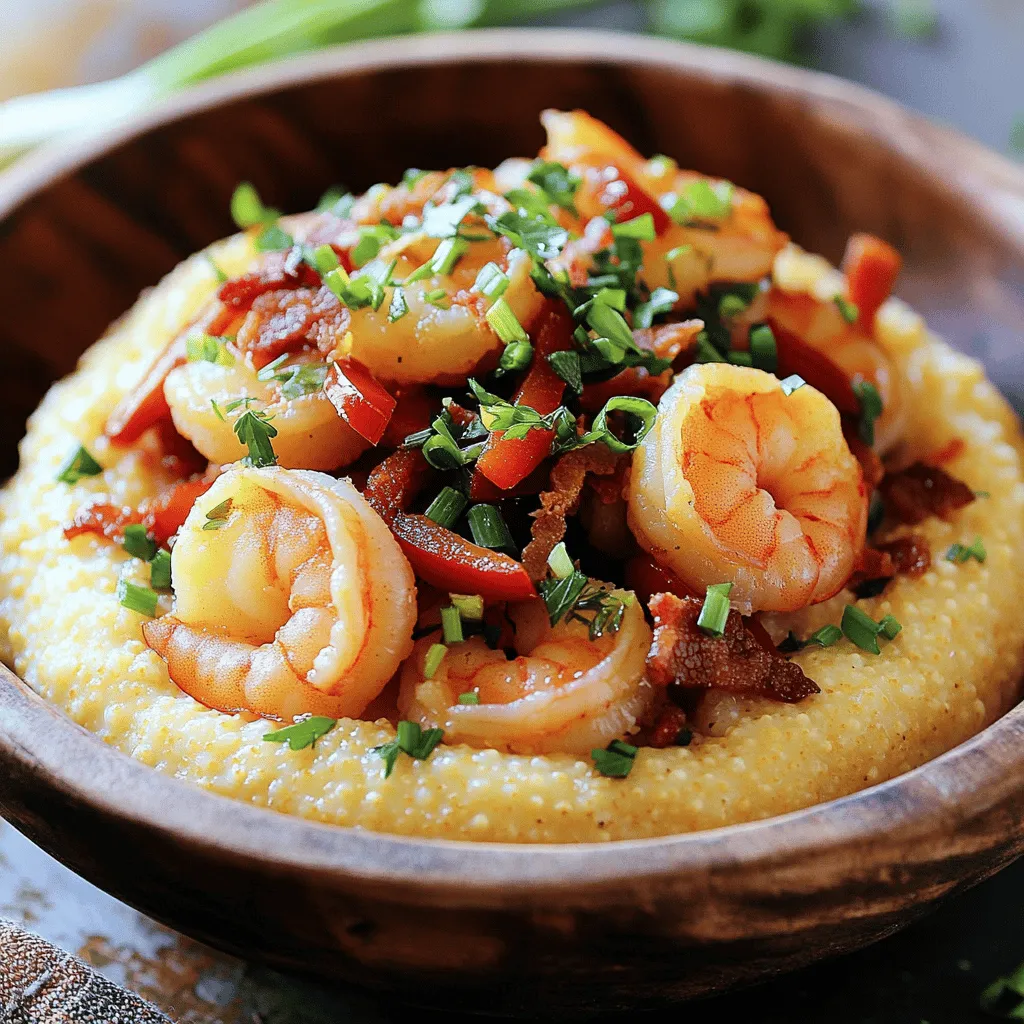
To serve, think about balance. A side salad or sautéed greens adds freshness. It makes for a full meal. I love using shallow bowls for this dish. They show off the layers of cheesy grits and shrimp beautifully. For a touch of color, sprinkle extra green onions and parsley on top.
Variations
Cajun Style Shrimp and Grits
You can spice up your dish with Cajun style.
- Add andouille sausage for a spicy kick.
- Use Cajun seasoning instead of smoked paprika.
This will give your shrimp and grits a bold flavor. The sausage adds a nice crunch and heat. Cajun seasoning brings out the rich taste of shrimp. You will love how these flavors blend together.
Creamy Variations
For those who crave creaminess, try these tips.
- Substitute heavy cream for part of the water or broth in grits.
- Mix in different cheeses like gouda or pepper jack.
These changes make the grits extra rich and smooth. The cheese melts in beautifully, adding depth. You can customize it to suit your taste. Try different cheeses to find your favorite combo.
Vegetable-Inclusive Options
Want to add some greens? Here’s how.
- Incorporate spinach or kale into the shrimp mixture.
- Add diced tomatoes for additional flavor and color.
This makes the dish healthier and more colorful. The greens add a nice texture and freshness. Tomatoes bring a juicy pop that brightens each bite. You can easily sneak in more veggies while keeping it tasty.
Storage Info
Refrigeration
Store leftovers in an airtight container for up to 3 days. Keep grits and shrimp separate to maintain texture. This helps keep the grits creamy and the shrimp tender.
Reheating Tips
Reheat grits on the stove with a splash of water or broth to loosen. This method brings back their creamy texture. Heat the shrimp mixture in a skillet over medium-low heat. Stir gently to warm it without overcooking.
Freezing Recommendations
Freeze grits in individual portions for convenience. This way, you can enjoy them later without waste. Shrimp is best consumed fresh but can be frozen if needed. Just ensure it’s in a freezer-safe container and used within a month for best results.
FAQs
What is the origin of shrimp and grits?
Shrimp and grits comes from the Southern United States. It is a key dish in Lowcountry cuisine. This meal blends the flavors of shrimp with creamy grits. Many people enjoy it for breakfast or dinner.
Can I use frozen shrimp?
Yes, you can use frozen shrimp. Just make sure to thaw them first. Pat them dry with a paper towel before cooking. This helps them sear nicely.
What can I substitute for grits?
You can try polenta or creamy risotto. Both have similar textures and flavors. They make good alternatives if you want a change.
How can I make shrimp and grits healthier?
To make this dish healthier, use less butter. You can also switch to turkey bacon. Adding more vegetables boosts nutrition and flavor too. Think about greens or bell peppers.
In this blog post, I shared a simple shrimp and grits recipe. You learned the key ingredients, like stone-ground grits and shrimp. We explored cooking steps, tips for flavor, and variations to try.
Remember, you can customize this dish to suit your taste. Experiment with spices, or try different cheeses. Enjoy your meal and impress your friends with this tasty classic!

Shrimp and Grits
Ingredients
1 cup stone-ground grits
4 cups water or low-sodium chicken broth
1 lb shrimp, peeled and deveined
4 strips of turkey bacon, chopped
1 red bell pepper, diced
1/2 cup green onions, chopped
2 cloves garlic, minced
1 teaspoon smoked paprika
1/2 teaspoon cayenne pepper (adjust to taste)
Salt and black pepper to taste
1 cup shredded sharp cheddar cheese
2 tablespoons unsalted butter
Fresh parsley, chopped (for garnish)
Instructions
In a medium saucepan, bring 4 cups of water or chicken broth to a boil. Slowly whisk in the stone-ground grits and reduce the heat to low. Stir occasionally, cooking until creamy, about 20-25 minutes.
Once the grits have thickened, stir in the shredded sharp cheddar cheese, butter, and season with salt and black pepper to taste. Keep warm over low heat.
In a large skillet, cook the chopped turkey bacon over medium heat until crispy. Remove the bacon from the skillet and set aside, leaving the rendered fat in the pan.
In the same skillet, add the diced red bell pepper and minced garlic. Sauté for about 3-4 minutes until softened.
Add the shrimp to the skillet and season with smoked paprika, cayenne pepper, salt, and black pepper. Cook for 3-5 minutes, or until the shrimp are pink and opaque.
Stir in the cooked turkey bacon and half of the green onions, mixing well to combine.
To serve, spoon the cheesy grits onto plates or in shallow bowls, topping them with the shrimp mixture. Garnish with the remaining green onions and a sprinkle of chopped parsley.
Prep Time: 10 minutes | Total Time: 40 minutes | Servings: 4
Shrimp and Grits
Ingredients
- 1 cup stone-ground grits
- 4 cups water or low-sodium chicken broth
- 1 lb shrimp, peeled and deveined
- 4 strips turkey bacon, chopped
- 1 medium red bell pepper, diced
- 1/2 cup green onions, chopped
- 2 cloves garlic, minced
- 1 teaspoon smoked paprika
- 1/2 teaspoon cayenne pepper
- to taste Salt and black pepper
- 1 cup shredded sharp cheddar cheese
- 2 tablespoons unsalted butter
- to garnish Fresh parsley, chopped
Instructions
- In a medium saucepan, bring 4 cups of water or chicken broth to a boil. Slowly whisk in the stone-ground grits and reduce the heat to low. Stir occasionally, cooking until creamy, about 20-25 minutes.
- Once the grits have thickened, stir in the shredded sharp cheddar cheese, butter, and season with salt and black pepper to taste. Keep warm over low heat.
- In a large skillet, cook the chopped turkey bacon over medium heat until crispy. Remove the bacon from the skillet and set aside, leaving the rendered fat in the pan.
- In the same skillet, add the diced red bell pepper and minced garlic. Sauté for about 3-4 minutes until softened.
- Add the shrimp to the skillet and season with smoked paprika, cayenne pepper, salt, and black pepper. Cook for 3-5 minutes, or until the shrimp are pink and opaque.
- Stir in the cooked turkey bacon and half of the green onions, mixing well to combine.
- To serve, spoon the cheesy grits onto plates or in shallow bowls, topping them with the shrimp mixture. Garnish with the remaining green onions and a sprinkle of chopped parsley.

![- Eggplants: You need 2 medium eggplants. Slice them into 1/4-inch rounds. This helps them cook evenly. - Marinara Sauce: Use 2 cups of marinara sauce. You can make it fresh or use store-bought. It adds rich flavor. - Cheese Types: You will need 2 cups of shredded mozzarella cheese and 1 cup of grated Parmesan cheese. These cheeses melt well and create a creamy texture. - Breading Components: Gather 1 cup of all-purpose flour, 3 large eggs (beaten), and 2 cups of breadcrumbs. Italian-style breadcrumbs add great taste. - Seasonings and Garnish: Use 1 teaspoon of dried oregano and 1 teaspoon of garlic powder. These spices boost the flavor. For garnish, fresh basil leaves add color and freshness. Don’t forget olive oil for frying and salt and pepper for taste. With these ingredients, you will create a layered delight that is both tasty and satisfying. For the complete recipe, check the Full Recipe section. Preparing the Eggplant First, slice your eggplants into 1/4-inch rounds. Lay them on a clean towel. Sprinkle salt over the slices and let them sit for 30 minutes. This helps draw out moisture and bitterness. After 30 minutes, rinse the eggplants and pat them dry with a paper towel. This step is key for tasty eggplant. Setting Up a Breading Station Now, gather three bowls for breading. In the first bowl, add all-purpose flour. In the second bowl, beat three large eggs. In the third bowl, mix breadcrumbs with one teaspoon of dried oregano, one teaspoon of garlic powder, salt, and pepper. This setup speeds up the process and keeps things neat. Frying the Eggplant Heat olive oil in a large skillet over medium heat. Take each eggplant slice and dip it into the flour, shaking off excess. Next, dip it into the beaten eggs, then coat it well with the breadcrumb mix. Fry the breaded slices in batches until they turn golden brown and crisp. This should take about 3-4 minutes on each side. Once done, drain them on paper towels to remove extra oil. Assembling the Layers Grab a greased baking dish to start layering. Spread a thin layer of marinara sauce on the bottom. Place a third of the fried eggplant slices over the sauce. Add half of the marinara sauce on top, followed by a third of the mozzarella cheese and half of the Parmesan cheese. Repeat these layers. Finish with a final layer of eggplant, then top it off with the remaining marinara sauce and cheeses. Baking Directions Preheat your oven to 375°F (190°C). Cover the baking dish with foil and bake it for 25 minutes. After that, remove the foil and bake it for another 15-20 minutes. You want the cheese to be bubbly and golden brown. Resting Time Once the baking is done, let the Eggplant Parmesan rest for about 10 minutes. This helps it set and makes it easier to serve. Enjoy the delicious layers of flavor and texture! If you want the full recipe, check the [Full Recipe]. Drawing Out Moisture To make your eggplant perfect, start by drawing out moisture. Slice the eggplants into 1/4-inch rounds. Lay them on a clean towel and sprinkle salt over them. Let them sit for about 30 minutes. This step helps to reduce bitterness and makes them less soggy. After 30 minutes, rinse and pat them dry with a paper towel. This process is key for a great texture. Achieving Optimal Crispiness For a crispy texture, make sure to coat the eggplant well. First, dip each slice in flour, then in beaten eggs, and finally in breadcrumbs. Use Italian-style breadcrumbs for extra flavor. Fry them in hot olive oil until they are golden brown. Frying in batches helps keep the oil hot. This step ensures every piece of eggplant turns out crispy and delicious. Pairing with Side Dishes Eggplant Parmesan pairs well with many sides. A fresh green salad with a lemon vinaigrette adds brightness. Garlic bread brings a nice crunch and flavor. You can also serve it with pasta for a hearty meal. These sides complement the rich flavors of the dish. Presentation Ideas For a beautiful presentation, layer your Eggplant Parmesan in a clear dish. This way, people can see the colorful layers. Garnish with fresh basil leaves on top for a pop of color. You can also drizzle some extra marinara sauce around the plate. This makes it look elegant and inviting. Over-salting the Eggplant Be careful with salt when preparing eggplant. While salting helps draw out moisture, too much salt can ruin the dish. Always taste the eggplant after rinsing. Adjust the salt in your marinara sauce to balance flavors. This way, you avoid a salty dish. Incorrect Layering Order When assembling the layers, follow the right order. Start with marinara sauce, then eggplant, and then cheese. Repeat this pattern. If you mix up the layers, the dish may not cook evenly. Following the proper layering keeps everything in place and ensures a tasty meal. {{image_2}} Substitutes for Cheese You can use plant-based cheese. Look for nut-based or soy-based options. They melt well and add flavor. Nutritional yeast is a great choice too. It adds a cheesy taste without dairy. Egg Replacement Options If you want to skip eggs, try using flaxseed meal. Mix one tablespoon of flaxseed with three tablespoons of water. Let it sit for five minutes. This mix works well as a binder. Gluten-Free Breadcrumbs You can find gluten-free breadcrumbs at stores. They are made from rice or corn. They work just like regular breadcrumbs, giving you that nice crunch. Flour Options Instead of all-purpose flour, use almond flour or chickpea flour. Both options give a nutty flavor and work well in the recipe. Adding Vegetables Add layers of zucchini or spinach for more taste. They boost nutrition and add color to the dish. You can also mix in roasted red peppers for a sweet twist. Using Different Sauces Besides marinara, try pesto or a white sauce. Each sauce brings a new flavor. This keeps the dish fresh and exciting. You can even mix sauces for a unique taste. How do you store leftovers? After enjoying your Eggplant Parmesan, let it cool to room temperature. Place any leftovers in an airtight container. Store it in the fridge for up to three days. What are the best practices for reheating? To reheat, preheat your oven to 350°F (175°C). Place the Eggplant Parmesan in an oven-safe dish. Cover it with foil to keep it moist. Heat for about 20 minutes. Check if it’s warm all the way through before serving. How do you freeze Eggplant Parmesan? If you want to store it longer, freezing is a great option. First, let the dish cool completely. Cut it into portions if you prefer smaller servings. Wrap each piece tightly in plastic wrap. Then, place them in a freezer-safe container. It can last for up to three months in the freezer. What are the thawing and reheating instructions? When you’re ready to eat, move the Eggplant Parmesan to the fridge. Let it thaw overnight. Reheat it in the oven at 350°F (175°C) for about 25-30 minutes. Remove the foil halfway through to help the top crisp up. Enjoy your delicious dish again! For the complete recipe, check out the Full Recipe. How do you prevent eggplants from turning brown? To stop eggplants from browning, sprinkle salt on the slices. This draws out moisture. After 30 minutes, rinse and pat them dry. This method keeps them fresh and tasty. Can eggplant parmesan be made ahead of time? Yes, you can make eggplant parmesan ahead of time. Prepare it, then cover and chill it in the fridge. When ready to bake, just heat it in the oven. This saves time on busy days. What’s the best cheese to use for eggplant parmesan? The best cheese for eggplant parmesan is mozzarella. It melts well and adds creaminess. Parmesan adds a nice salty flavor. Using both gives a rich taste. Calories and serving size One serving of eggplant parmesan has about 300-400 calories. This depends on how much cheese and sauce you use. A serving size is usually one slice. Health benefits of eggplant Eggplant is low in calories and high in fiber. It helps with digestion and keeps you full. It also has antioxidants that may protect your heart. Eating eggplant adds nutrients to your meals. For more recipes, check out the Full Recipe for Layered Delight Eggplant Parmesan. In this post, we explored making eggplant Parmesan from start to finish. We covered ingredients, step-by-step instructions, and tips for success. You learned about variations for vegan and gluten-free options. I hope you feel confident to try this dish. Remember to avoid common mistakes and pair it well with sides. Enjoy your cooking and savor each bite of this tasty meal!](https://dailydishlab.com/wp-content/uploads/2025/06/de34a9c5-902e-4f12-9462-c26c35663e43-768x768.webp)

![- 1 block (14 oz) firm tofu, drained and pressed - 1 cup cooked brown rice or quinoa - 1 cup broccoli florets - 1 cup shredded carrots - 1 bell pepper, sliced (any color) - 2 green onions, sliced - 1 tablespoon sesame oil - 1 tablespoon olive oil - 1/4 cup soy sauce (or tamari for gluten-free) - 2 tablespoons maple syrup - 1 tablespoon rice vinegar - 1 teaspoon minced garlic - 1 teaspoon grated ginger - 1 tablespoon sesame seeds for garnish Each serving of the Teriyaki Tofu Buddha Bowl is packed with nutrients. You get about 400 calories, 20 grams of protein, 50 grams of carbs, and 15 grams of fats. This bowl is a great balance of macronutrients. The ingredients offer many health benefits. Tofu serves as a fantastic source of plant protein. Brown rice or quinoa adds fiber and essential minerals. Broccoli is rich in vitamins C and K, while carrots provide beta-carotene. Bell peppers can boost your immune system as well. Green onions add flavor and nutrients without many calories. Eating this bowl can support a healthy diet and keep you energized. The blend of flavors and textures makes every bite enjoyable. It's not just a meal; it’s a feast for your body and spirit. For the full recipe, check the details above. First, press the tofu to remove excess water. Wrap it in a clean towel and place a heavy object on top for about 15 minutes. This helps the tofu absorb flavors better. After pressing, cut the tofu into small cubes. Next, make the teriyaki marinade. In a bowl, mix together: - 1/4 cup soy sauce (or tamari for gluten-free) - 2 tablespoons maple syrup - 1 tablespoon rice vinegar - 1 teaspoon minced garlic - 1 teaspoon grated ginger Gently add the tofu cubes to the marinade and stir to coat. Let the tofu soak in the flavors for at least 15 minutes. While the tofu marinates, cook your grains. You can use either brown rice or quinoa. Follow the package instructions for cooking. For perfect grains, use a 2:1 ratio of water to grains. Here’s a tip: After cooking, let the grains sit covered for 5 minutes. This helps them fluff up nicely. Heat a large skillet or wok over medium heat. Add 1 tablespoon of olive oil. Sauté the broccoli and bell pepper for about 4-5 minutes. You want them to be tender but still crisp. Then, add 1 cup of shredded carrots and cook for another 2 minutes. Remove the skillet from the heat and set the vegetables aside. In the same skillet, add 1 tablespoon of sesame oil and heat it over medium-high. Carefully place the marinated tofu cubes in the skillet. Cook for about 5-7 minutes. Turn the tofu occasionally until it is golden brown and slightly crispy. The right oil helps achieve that perfect texture. Now, it’s time to put everything together! Start with a base of cooked brown rice or quinoa in a deep bowl. Layer the sautéed vegetables on top of the grains. Finally, add the crispy teriyaki tofu. For a beautiful presentation, arrange the ingredients in sections. This adds color and makes the dish more appealing. You can also sprinkle some sliced green onions and sesame seeds on top for extra flavor and crunch. Enjoy your Teriyaki Tofu Buddha Bowl! For the complete recipe, check out [Full Recipe]. To make your Teriyaki Tofu Buddha Bowl burst with flavor, focus on your marinade. A great mix includes: - 1/4 cup soy sauce or tamari for gluten-free - 2 tablespoons maple syrup - 1 tablespoon rice vinegar - 1 teaspoon minced garlic - 1 teaspoon grated ginger Letting the tofu soak in this marinade for at least 15 minutes enhances the taste. You can even marinate it longer for a stronger flavor. When cooking, use medium-high heat to get a nice sear on your tofu. This step locks in the flavor and gives it a delightful crunch. Stir-fry the veggies quickly. This keeps them vibrant and crisp. A beautiful bowl is all about colors and textures. Here’s how to make it pop: - Start with a base of brown rice or quinoa. - Layer the sautéed veggies in sections. - Place the crispy tofu on top. - Add a sprinkle of green onions and sesame seeds for crunch. This layout not only looks good but also makes it easy to enjoy each bite. Drizzle a bit of extra teriyaki sauce over the top for shine and flavor. You can easily change this bowl to fit your taste. Here are some ideas: - Swap tofu for tempeh or chickpeas for added protein. - Try adding different vegetables like spinach, corn, or snap peas. - For a gluten-free option, use tamari instead of soy sauce. - For a low-carb version, consider cauliflower rice instead of grains. These simple swaps keep your meals fresh and exciting while catering to your dietary needs. For the full recipe, check out my detailed guide. {{image_2}} You can switch tofu for other proteins. Tempeh is a great choice. It has a nutty flavor and a firm texture. Chickpeas are another option; they add protein and fiber. For tempeh, cook it for about 7-10 minutes until golden. If using chickpeas, add them to the pan for just a few minutes to warm up. Don’t feel stuck with just brown rice. Quinoa is a fantastic alternative. It cooks quickly and is packed with protein. Farro adds a chewy texture and a nutty taste. If you want a low-carb option, try cauliflower rice. Each grain brings different health benefits. Quinoa is high in protein, while farro has fiber. The teriyaki sauce can be boosted with spices. Add a pinch of red pepper flakes for heat. You can also stir in some orange zest for a citrus kick. For toppings, consider avocado for creaminess or nuts for crunch. These little touches make your bowl unique and tasty. Explore various toppings to find your favorite mix. To keep your Teriyaki Tofu Buddha Bowl fresh, store it in airtight containers. Glass containers work best as they do not absorb odors. Make sure the bowl is cool before sealing it. This helps avoid moisture build-up, which can make the food soggy. Store any leftover rice or quinoa separately to keep them fluffy. Reheat your tofu and vegetables gently. The microwave is quick, but it can make the tofu soft. Instead, try using a skillet. Heat a little oil over medium heat, add the tofu and veggies, and stir until hot. This keeps the texture nice and tasty. You can also add a splash of water to create steam and warm everything evenly. If you want to freeze your Buddha bowl, separate the components first. Freeze the tofu and cooked grains in different bags. This way, they stay fresh longer. To thaw, place them in the fridge overnight. For reheating, use the skillet method to ensure everything is hot and tasty. You can even add some fresh veggies during reheating for added crunch. You can use tempeh, chickpeas, or seitan. Tempeh has a nutty taste. It cooks fast and adds protein. Chickpeas add a hearty texture. You can roast them for crunch. Seitan works well for a chewy bite. Cook it in the same way as tofu. Homemade teriyaki sauce lasts about a week in the fridge. Store it in a clean jar. Make sure to seal it tight. If you notice any odd smell, throw it away. You can freeze it for longer storage. Just thaw it when you need it. Yes, you can prep this bowl ahead of time. Cook grains and chop veggies in advance. Store them in airtight containers. The flavors will blend well if left overnight. Just add the tofu before serving. This keeps it crispy and fresh. Yes, you can easily make it gluten-free. Use tamari instead of soy sauce. Choose gluten-free grains like quinoa. All the veggies are naturally gluten-free too. This way, everyone can enjoy it without worry. You can add sriracha or chili flakes for heat. Mix it into the teriyaki sauce. For a different flavor, try fresh jalapeños. You can also serve with spicy sesame oil. Adjust the spice to your taste for a kick! This blog post detailed how to create a tasty Teriyaki Tofu Buddha Bowl. We covered ingredients, step-by-step cooking, and helpful tips for flavor and presentation. You learned about storage and variations for customization. Now, you can make this dish your own. Experiment with flavors, grains, and proteins. Enjoy the health benefits while satisfying your taste buds. This bowl is not just a meal; it's a canvas for your creativity. Happy cooking!](https://dailydishlab.com/wp-content/uploads/2025/07/885aa078-9488-4511-acaf-c3412a5f03ff-768x768.webp)