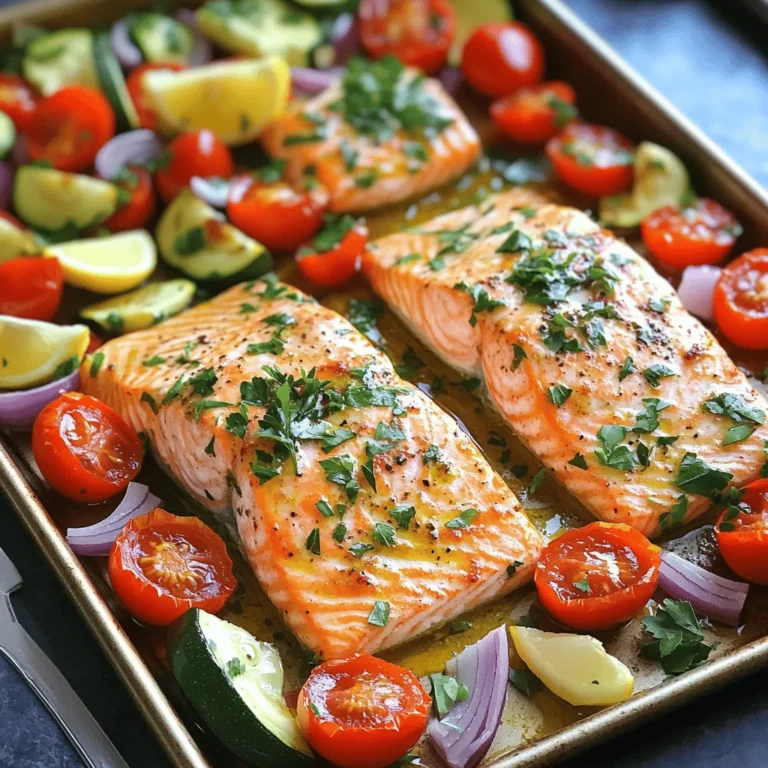
Mushroom Risotto Creamy and Comforting Recipe
![- 1 cup Arborio rice - 4 cups vegetable broth - 1 cup assorted mushrooms (cremini, shiitake, oyster), sliced - 1 small onion, finely chopped - 2 cloves garlic, minced Arborio rice is the star of the show. This rice has a high starch content, which gives risotto its creamy texture. You can use various mushrooms to add depth. I love using cremini, shiitake, and oyster mushrooms. They give a rich flavor that shines through. Vegetable broth is essential. It infuses the rice with flavor. Keep it warm in a saucepan as you cook. Aromatics like onion and garlic lay the base for the dish. They add sweetness and depth when sautéed until soft. - 1/2 cup grated Parmesan cheese or nutritional yeast - Various types of mushrooms for changes - Vegan butter option Adding Parmesan cheese enhances the creaminess. If you're vegan, nutritional yeast is a great substitute. You can also swap in different mushrooms. Try portobello or button mushrooms for a twist. If you want to make it vegan, use vegan butter instead of regular butter. - Skillet for cooking - Saucepan for broth - Ladle for adding broth A good skillet is key for sautéing. Use a wide one to cook the mushrooms evenly. The saucepan keeps your broth warm. A ladle makes it easy to add broth bit by bit. This helps the rice absorb the liquid and become creamy. For the full recipe, check out the [Full Recipe]. Warm broth is key for great risotto. It helps the rice cook evenly and stay creamy. Cold broth can shock the rice and ruin the dish. To keep your broth warm, set it on low heat in a saucepan. Stir it gently now and then. This will help keep it at the right temperature until you need it. First, heat your olive oil and butter in a skillet over medium heat. Add the chopped onion. Cook for 3 to 4 minutes until it is soft and clear. Next, stir in minced garlic. Let it cook for about 30 seconds until fragrant. Now, add your sliced mushrooms. Cook them for 5 to 7 minutes. They should be tender and lightly browned for the best flavor. Toasting the Arborio rice brings out its nutty flavor. Add the rice to the skillet and stir it well to coat it in oil and butter. Toast the rice for about 2 minutes. You will see it start to turn clear around the edges. Now, it's time to add the broth. Use a ladle to add one scoop of warm broth at a time. Stir the rice often. Wait until most of the broth is absorbed before adding more. This process takes 18 to 20 minutes. Keep stirring until the rice is creamy and just firm to the bite. When the risotto is done, stir in grated Parmesan cheese or nutritional yeast. Add dried thyme, salt, and pepper to taste. Mix it all together until creamy. Let it sit for a couple of minutes to thicken. For the complete guide, you can refer to the Full Recipe. To make your risotto creamy, you need to stir often. Stirring helps release the starch from the rice. This starch gives risotto its signature creaminess. Use a wooden spoon for the best results. Patience is key. Don’t rush the process. Add broth slowly, one ladle at a time. Wait until the rice absorbs the broth before adding more. This method takes about 18 to 20 minutes. Start with salt and pepper to season your risotto. Taste as you go. You want a rich and balanced flavor. Fresh herbs, like thyme or parsley, really boost the taste. Adding cheese enhances the creaminess. I like to use grated Parmesan. If you want a vegan option, try nutritional yeast. It gives a cheesy flavor without dairy. Be careful not to overcook or undercook the rice. Overcooked rice turns mushy, while undercooked rice stays hard. Aim for al dente, which means it should have a slight bite. Do not skip the toasting process. Toasting the Arborio rice in oil and butter adds depth to the flavor. It helps the rice absorb the broth better. Follow these tips for a perfect Mushroom Risotto every time! For the full recipe and all the steps, check out the Full Recipe. {{image_2}} For a vegetarian risotto, use plant-based cheeses like cashew or almond cheese. These options melt well and add a creamy touch. If you like a nutty flavor, try a vegan cheese with a hint of garlic. For a vegan risotto, nutritional yeast works great. It adds a cheesy taste without dairy. When it comes to broth, vegetable broth is the best choice for flavor. But you can also use mushroom broth for a deeper taste. This adds umami notes that enhance the dish. You can add proteins like chicken or shrimp for a heartier dish. Cook the protein separately, then stir it into the risotto just before serving. This keeps everything warm and tasty. For a plant-based option, consider adding lentils or chickpeas. They provide protein and fiber, making the meal more filling. To boost flavor, include a splash of white wine. Add it after sautéing the mushrooms but before adding the broth. This step adds acidity and depth. You can also toss in vegetables like peas or spinach. They brighten the dish and add color. Adding these at the end of cooking keeps them vibrant. Enjoy experimenting with these variations to make your risotto unique. For a complete guide, check out the Full Recipe. To keep your mushroom risotto fresh, use airtight containers. Glass containers work great. They won't absorb smells. Before sealing, let the risotto cool down. This helps prevent sogginess. Place it in the fridge within two hours. This keeps it safe to eat later. Reheat risotto on the stove for best results. Use a non-stick skillet. Add a splash of broth or water. Stir it often on low heat. This helps keep it creamy. You can also microwave it. Use a microwave-safe bowl and cover it. Stir every minute for even heating. Can you freeze risotto? Yes, but it changes texture. If you freeze it, use a freezer-safe container. Leave space for expansion. To thaw, move it to the fridge overnight. Reheat on the stove, adding liquid to help it regain creaminess. This way, you can enjoy your mushroom risotto later. For the full recipe, check out the complete guide. The best rice for risotto is Arborio rice. This rice has a high starch content. As it cooks, it releases this starch, creating a creamy texture. Arborio rice also absorbs flavors well, making it great for dishes like Mushroom Risotto. You can find it in most grocery stores. Yes, you can use regular broth. Chicken broth adds a different flavor to the risotto. However, vegetable broth keeps it lighter and plant-based. Each broth option will change the taste slightly, so pick what you like best. If your risotto is dry, add more warm broth slowly. Stir it well to help the rice absorb the liquid. If it’s gummy, you may have added too much liquid too fast. Stirring less helps too. Always cook the rice until it is creamy but not mushy. Yes, Mushroom Risotto is gluten-free. The main ingredients, like Arborio rice and vegetable broth, do not contain gluten. Always check labels on broth to ensure no hidden gluten is present. Enjoy this dish worry-free! To make Mushroom Risotto ahead, cook it as normal but stop cooking a bit early. Let it cool and store it in an airtight container. When ready to serve, reheat it on low heat, adding a splash of broth to restore creaminess. For a detailed guide on making this dish, check the Full Recipe for Mushroom Risotto. Mushroom risotto is creamy and delightful. It includes Arborio rice, assorted mushrooms, and warm broth. You can play with the flavors using optional ingredients like cheese or different mushrooms. Remember to sauté your aromatics and add broth slowly for the best texture. Avoid common mistakes, such as overcooking the rice. Store leftovers well and reheat properly to enjoy again. With these tips, you’ll make a risotto that’s both delicious and satisfying. Enjoy this dish with your loved ones or as a comforting solo treat. Happy cooking!](https://dailydishlab.com/wp-content/uploads/2025/06/605d9e12-4d99-4b54-946e-78c72948a8ac.webp)
If you crave a warm, creamy dish that feels like a hug in a bowl, you’re in the right place! My Mushroom Risotto recipe is not only flavorful but also easy to make right at home. Packed with rich mushrooms and creamy Arborio rice, this dish will delight your senses. Let’s dive into the ingredients and step-by-step guide to create this comforting meal that’s perfect for any occasion!
Why I Love This Recipe
- Comforting Creaminess: This mushroom risotto is the epitome of comfort food, with its rich and creamy texture that warms the soul.
- Umami Flavor Bomb: The combination of assorted mushrooms gives this dish an incredible depth of flavor that is both savory and satisfying.
- Versatile Dish: This risotto can easily be modified to include different vegetables or proteins, making it adaptable for any dietary preferences.
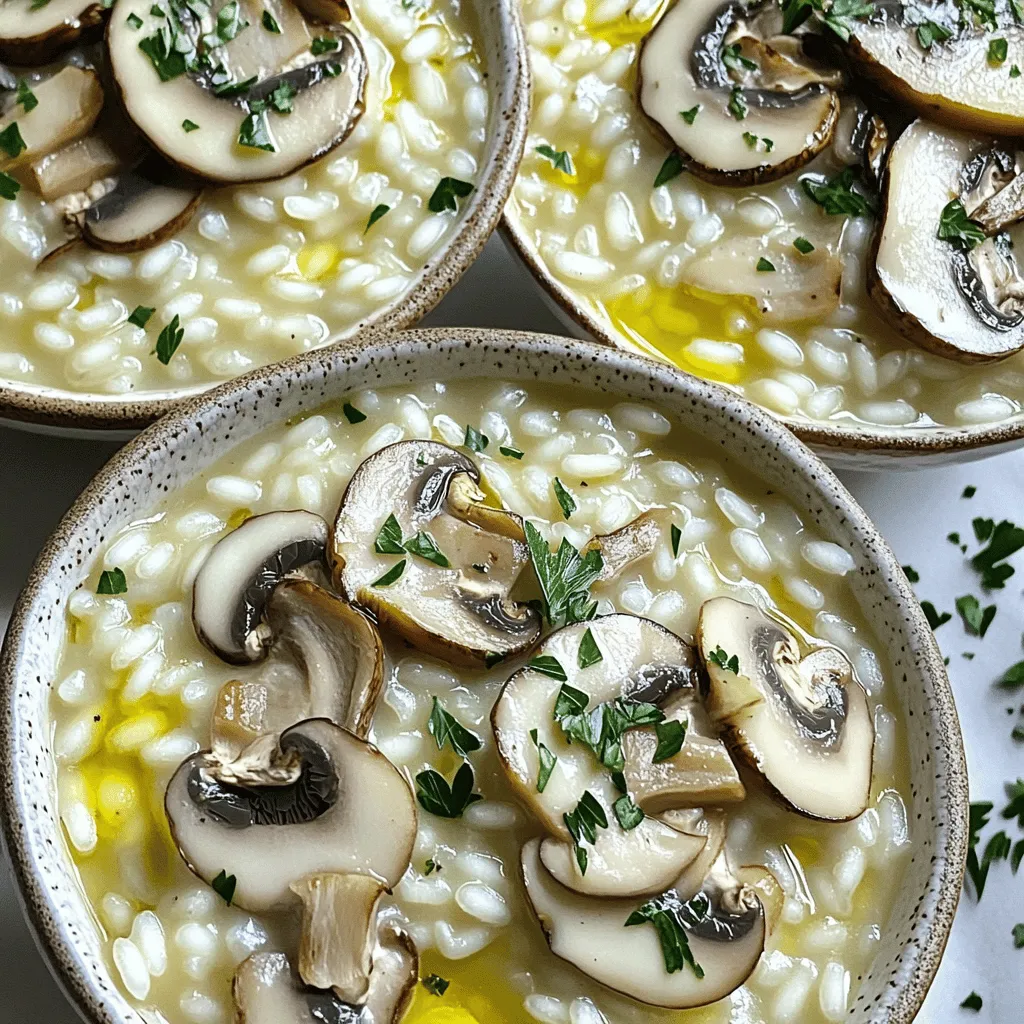
- Impressive Presentation: Served in shallow bowls with fresh herbs, this dish looks as good as it tastes, perfect for impressing guests.
Ingredients
Key Ingredients for Mushroom Risotto
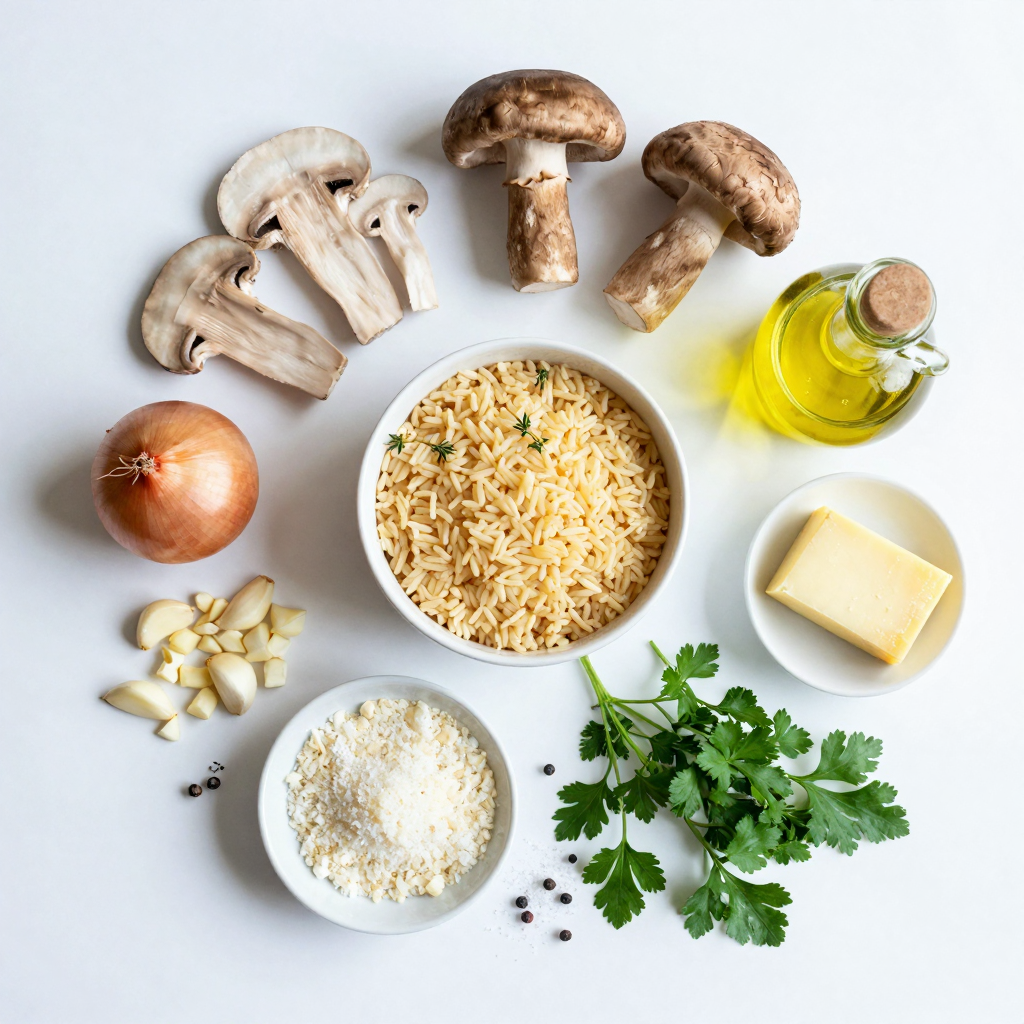
- 1 cup Arborio rice
- 4 cups vegetable broth
- 1 cup assorted mushrooms (cremini, shiitake, oyster), sliced
- 1 small onion, finely chopped
- 2 cloves garlic, minced
Arborio rice is the star of the show. This rice has a high starch content, which gives risotto its creamy texture. You can use various mushrooms to add depth. I love using cremini, shiitake, and oyster mushrooms. They give a rich flavor that shines through.
Vegetable broth is essential. It infuses the rice with flavor. Keep it warm in a saucepan as you cook. Aromatics like onion and garlic lay the base for the dish. They add sweetness and depth when sautéed until soft.
Optional and Substitutable Ingredients
- 1/2 cup grated Parmesan cheese or nutritional yeast
- Various types of mushrooms for changes
- Vegan butter option
Adding Parmesan cheese enhances the creaminess. If you’re vegan, nutritional yeast is a great substitute. You can also swap in different mushrooms. Try portobello or button mushrooms for a twist. If you want to make it vegan, use vegan butter instead of regular butter.
Recommended Tools and Equipment
- Skillet for cooking
- Saucepan for broth
- Ladle for adding broth
A good skillet is key for sautéing. Use a wide one to cook the mushrooms evenly. The saucepan keeps your broth warm. A ladle makes it easy to add broth bit by bit. This helps the rice absorb the liquid and become creamy.
Step-by-Step Instructions
Preparing the Broth
Warm broth is key for great risotto. It helps the rice cook evenly and stay creamy. Cold broth can shock the rice and ruin the dish.
To keep your broth warm, set it on low heat in a saucepan. Stir it gently now and then. This will help keep it at the right temperature until you need it.
Sautéing the Aromatics
First, heat your olive oil and butter in a skillet over medium heat. Add the chopped onion. Cook for 3 to 4 minutes until it is soft and clear.
Next, stir in minced garlic. Let it cook for about 30 seconds until fragrant. Now, add your sliced mushrooms. Cook them for 5 to 7 minutes. They should be tender and lightly browned for the best flavor.
Cooking the Risotto
Toasting the Arborio rice brings out its nutty flavor. Add the rice to the skillet and stir it well to coat it in oil and butter. Toast the rice for about 2 minutes. You will see it start to turn clear around the edges.
Now, it’s time to add the broth. Use a ladle to add one scoop of warm broth at a time. Stir the rice often. Wait until most of the broth is absorbed before adding more. This process takes 18 to 20 minutes. Keep stirring until the rice is creamy and just firm to the bite.
When the risotto is done, stir in grated Parmesan cheese or nutritional yeast. Add dried thyme, salt, and pepper to taste. Mix it all together until creamy. Let it sit for a couple of minutes to thicken.
Pro Tips
- Use Fresh Ingredients: Fresh mushrooms and homemade vegetable broth can significantly enhance the flavor of your risotto.
- Stir Constantly: Frequent stirring helps to release the starch from the rice, creating that creamy texture risotto is known for.
- Don’t Rush the Broth: Adding the broth gradually allows the rice to absorb the liquid properly, resulting in perfectly cooked risotto.
- Experiment with Flavors: Feel free to add white wine or different herbs to personalize your risotto and make it uniquely yours.
Tips & Tricks
Achieving the Perfect Creamy Texture
To make your risotto creamy, you need to stir often. Stirring helps release the starch from the rice. This starch gives risotto its signature creaminess. Use a wooden spoon for the best results.
Patience is key. Don’t rush the process. Add broth slowly, one ladle at a time. Wait until the rice absorbs the broth before adding more. This method takes about 18 to 20 minutes.
Balancing Flavor Profiles
Start with salt and pepper to season your risotto. Taste as you go. You want a rich and balanced flavor. Fresh herbs, like thyme or parsley, really boost the taste.
Adding cheese enhances the creaminess. I like to use grated Parmesan. If you want a vegan option, try nutritional yeast. It gives a cheesy flavor without dairy.
Common Mistakes to Avoid
Be careful not to overcook or undercook the rice. Overcooked rice turns mushy, while undercooked rice stays hard. Aim for al dente, which means it should have a slight bite.
Do not skip the toasting process. Toasting the Arborio rice in oil and butter adds depth to the flavor. It helps the rice absorb the broth better. Follow these tips for a perfect Mushroom Risotto every time!
Variations
Vegetarian and Vegan Options
For a vegetarian risotto, use plant-based cheeses like cashew or almond cheese. These options melt well and add a creamy touch. If you like a nutty flavor, try a vegan cheese with a hint of garlic. For a vegan risotto, nutritional yeast works great. It adds a cheesy taste without dairy.
When it comes to broth, vegetable broth is the best choice for flavor. But you can also use mushroom broth for a deeper taste. This adds umami notes that enhance the dish.
Adding Proteins
You can add proteins like chicken or shrimp for a heartier dish. Cook the protein separately, then stir it into the risotto just before serving. This keeps everything warm and tasty. For a plant-based option, consider adding lentils or chickpeas. They provide protein and fiber, making the meal more filling.
Flavor Enhancements
To boost flavor, include a splash of white wine. Add it after sautéing the mushrooms but before adding the broth. This step adds acidity and depth.
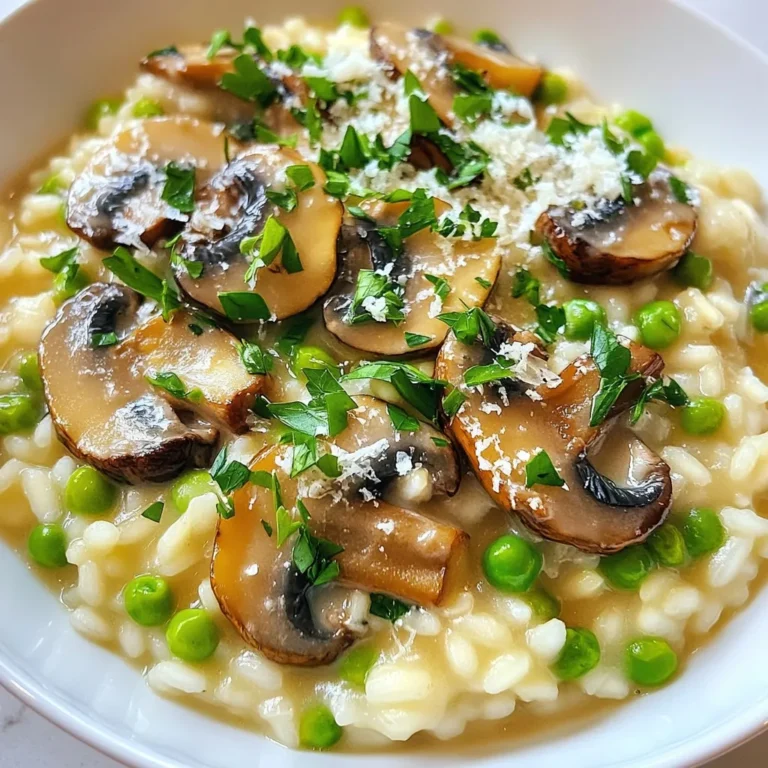
You can also toss in vegetables like peas or spinach. They brighten the dish and add color. Adding these at the end of cooking keeps them vibrant. Enjoy experimenting with these variations to make your risotto unique.
Storage Info
How to Store Leftover Mushroom Risotto
To keep your mushroom risotto fresh, use airtight containers. Glass containers work great. They won’t absorb smells. Before sealing, let the risotto cool down. This helps prevent sogginess. Place it in the fridge within two hours. This keeps it safe to eat later.
Reheating Instructions
Reheat risotto on the stove for best results. Use a non-stick skillet. Add a splash of broth or water. Stir it often on low heat. This helps keep it creamy. You can also microwave it. Use a microwave-safe bowl and cover it. Stir every minute for even heating.
Freezing and Thawing Tips
Can you freeze risotto? Yes, but it changes texture. If you freeze it, use a freezer-safe container. Leave space for expansion. To thaw, move it to the fridge overnight. Reheat on the stove, adding liquid to help it regain creaminess. This way, you can enjoy your mushroom risotto later.
FAQs
What is the best type of rice for risotto?
The best rice for risotto is Arborio rice. This rice has a high starch content. As it cooks, it releases this starch, creating a creamy texture. Arborio rice also absorbs flavors well, making it great for dishes like Mushroom Risotto. You can find it in most grocery stores.
Can I use regular broth instead of vegetable broth?
Yes, you can use regular broth. Chicken broth adds a different flavor to the risotto. However, vegetable broth keeps it lighter and plant-based. Each broth option will change the taste slightly, so pick what you like best.
How do I fix dry or gummy risotto?
If your risotto is dry, add more warm broth slowly. Stir it well to help the rice absorb the liquid. If it’s gummy, you may have added too much liquid too fast. Stirring less helps too. Always cook the rice until it is creamy but not mushy.
Is Mushroom Risotto gluten-free?
Yes, Mushroom Risotto is gluten-free. The main ingredients, like Arborio rice and vegetable broth, do not contain gluten. Always check labels on broth to ensure no hidden gluten is present. Enjoy this dish worry-free!
How can I make Mushroom Risotto ahead of time?
To make Mushroom Risotto ahead, cook it as normal but stop cooking a bit early. Let it cool and store it in an airtight container. When ready to serve, reheat it on low heat, adding a splash of broth to restore creaminess.
Mushroom risotto is creamy and delightful. It includes Arborio rice, assorted mushrooms, and warm broth. You can play with the flavors using optional ingredients like cheese or different mushrooms. Remember to sauté your aromatics and add broth slowly for the best texture. Avoid common mistakes, such as overcooking the rice. Store leftovers well and reheat properly to enjoy again. With these tips, you’ll make a risotto that’s both delicious and satisfying. Enjoy this dish with your loved ones or as a comforting solo treat. Happy cooking!
![- 1 cup Arborio rice - 4 cups vegetable broth - 1 cup assorted mushrooms (cremini, shiitake, oyster), sliced - 1 small onion, finely chopped - 2 cloves garlic, minced Arborio rice is the star of the show. This rice has a high starch content, which gives risotto its creamy texture. You can use various mushrooms to add depth. I love using cremini, shiitake, and oyster mushrooms. They give a rich flavor that shines through. Vegetable broth is essential. It infuses the rice with flavor. Keep it warm in a saucepan as you cook. Aromatics like onion and garlic lay the base for the dish. They add sweetness and depth when sautéed until soft. - 1/2 cup grated Parmesan cheese or nutritional yeast - Various types of mushrooms for changes - Vegan butter option Adding Parmesan cheese enhances the creaminess. If you're vegan, nutritional yeast is a great substitute. You can also swap in different mushrooms. Try portobello or button mushrooms for a twist. If you want to make it vegan, use vegan butter instead of regular butter. - Skillet for cooking - Saucepan for broth - Ladle for adding broth A good skillet is key for sautéing. Use a wide one to cook the mushrooms evenly. The saucepan keeps your broth warm. A ladle makes it easy to add broth bit by bit. This helps the rice absorb the liquid and become creamy. For the full recipe, check out the [Full Recipe]. Warm broth is key for great risotto. It helps the rice cook evenly and stay creamy. Cold broth can shock the rice and ruin the dish. To keep your broth warm, set it on low heat in a saucepan. Stir it gently now and then. This will help keep it at the right temperature until you need it. First, heat your olive oil and butter in a skillet over medium heat. Add the chopped onion. Cook for 3 to 4 minutes until it is soft and clear. Next, stir in minced garlic. Let it cook for about 30 seconds until fragrant. Now, add your sliced mushrooms. Cook them for 5 to 7 minutes. They should be tender and lightly browned for the best flavor. Toasting the Arborio rice brings out its nutty flavor. Add the rice to the skillet and stir it well to coat it in oil and butter. Toast the rice for about 2 minutes. You will see it start to turn clear around the edges. Now, it's time to add the broth. Use a ladle to add one scoop of warm broth at a time. Stir the rice often. Wait until most of the broth is absorbed before adding more. This process takes 18 to 20 minutes. Keep stirring until the rice is creamy and just firm to the bite. When the risotto is done, stir in grated Parmesan cheese or nutritional yeast. Add dried thyme, salt, and pepper to taste. Mix it all together until creamy. Let it sit for a couple of minutes to thicken. For the complete guide, you can refer to the Full Recipe. To make your risotto creamy, you need to stir often. Stirring helps release the starch from the rice. This starch gives risotto its signature creaminess. Use a wooden spoon for the best results. Patience is key. Don’t rush the process. Add broth slowly, one ladle at a time. Wait until the rice absorbs the broth before adding more. This method takes about 18 to 20 minutes. Start with salt and pepper to season your risotto. Taste as you go. You want a rich and balanced flavor. Fresh herbs, like thyme or parsley, really boost the taste. Adding cheese enhances the creaminess. I like to use grated Parmesan. If you want a vegan option, try nutritional yeast. It gives a cheesy flavor without dairy. Be careful not to overcook or undercook the rice. Overcooked rice turns mushy, while undercooked rice stays hard. Aim for al dente, which means it should have a slight bite. Do not skip the toasting process. Toasting the Arborio rice in oil and butter adds depth to the flavor. It helps the rice absorb the broth better. Follow these tips for a perfect Mushroom Risotto every time! For the full recipe and all the steps, check out the Full Recipe. {{image_2}} For a vegetarian risotto, use plant-based cheeses like cashew or almond cheese. These options melt well and add a creamy touch. If you like a nutty flavor, try a vegan cheese with a hint of garlic. For a vegan risotto, nutritional yeast works great. It adds a cheesy taste without dairy. When it comes to broth, vegetable broth is the best choice for flavor. But you can also use mushroom broth for a deeper taste. This adds umami notes that enhance the dish. You can add proteins like chicken or shrimp for a heartier dish. Cook the protein separately, then stir it into the risotto just before serving. This keeps everything warm and tasty. For a plant-based option, consider adding lentils or chickpeas. They provide protein and fiber, making the meal more filling. To boost flavor, include a splash of white wine. Add it after sautéing the mushrooms but before adding the broth. This step adds acidity and depth. You can also toss in vegetables like peas or spinach. They brighten the dish and add color. Adding these at the end of cooking keeps them vibrant. Enjoy experimenting with these variations to make your risotto unique. For a complete guide, check out the Full Recipe. To keep your mushroom risotto fresh, use airtight containers. Glass containers work great. They won't absorb smells. Before sealing, let the risotto cool down. This helps prevent sogginess. Place it in the fridge within two hours. This keeps it safe to eat later. Reheat risotto on the stove for best results. Use a non-stick skillet. Add a splash of broth or water. Stir it often on low heat. This helps keep it creamy. You can also microwave it. Use a microwave-safe bowl and cover it. Stir every minute for even heating. Can you freeze risotto? Yes, but it changes texture. If you freeze it, use a freezer-safe container. Leave space for expansion. To thaw, move it to the fridge overnight. Reheat on the stove, adding liquid to help it regain creaminess. This way, you can enjoy your mushroom risotto later. For the full recipe, check out the complete guide. The best rice for risotto is Arborio rice. This rice has a high starch content. As it cooks, it releases this starch, creating a creamy texture. Arborio rice also absorbs flavors well, making it great for dishes like Mushroom Risotto. You can find it in most grocery stores. Yes, you can use regular broth. Chicken broth adds a different flavor to the risotto. However, vegetable broth keeps it lighter and plant-based. Each broth option will change the taste slightly, so pick what you like best. If your risotto is dry, add more warm broth slowly. Stir it well to help the rice absorb the liquid. If it’s gummy, you may have added too much liquid too fast. Stirring less helps too. Always cook the rice until it is creamy but not mushy. Yes, Mushroom Risotto is gluten-free. The main ingredients, like Arborio rice and vegetable broth, do not contain gluten. Always check labels on broth to ensure no hidden gluten is present. Enjoy this dish worry-free! To make Mushroom Risotto ahead, cook it as normal but stop cooking a bit early. Let it cool and store it in an airtight container. When ready to serve, reheat it on low heat, adding a splash of broth to restore creaminess. For a detailed guide on making this dish, check the Full Recipe for Mushroom Risotto. Mushroom risotto is creamy and delightful. It includes Arborio rice, assorted mushrooms, and warm broth. You can play with the flavors using optional ingredients like cheese or different mushrooms. Remember to sauté your aromatics and add broth slowly for the best texture. Avoid common mistakes, such as overcooking the rice. Store leftovers well and reheat properly to enjoy again. With these tips, you’ll make a risotto that’s both delicious and satisfying. Enjoy this dish with your loved ones or as a comforting solo treat. Happy cooking!](https://dailydishlab.com/wp-content/uploads/2025/06/605d9e12-4d99-4b54-946e-78c72948a8ac-300x300.webp)
Mushroom Risotto
Ingredients
1 cup Arborio rice
4 cups vegetable broth
1 cup assorted mushrooms (cremini, shiitake, and oyster), sliced
1 small onion, finely chopped
2 cloves garlic, minced
1/2 cup grated Parmesan cheese (or nutritional yeast for a vegan option)
1 tablespoon olive oil
1 tablespoon unsalted butter (or vegan butter)
1/2 teaspoon dried thyme
Salt and pepper to taste
Fresh parsley, chopped (for garnish)
Instructions
In a saucepan, heat the vegetable broth over low heat to keep it warm.
In a large skillet, heat the olive oil and butter over medium heat. Add the chopped onion and sauté for about 3-4 minutes, until soft and translucent.
Stir in the minced garlic and sliced mushrooms. Cook for another 5-7 minutes until the mushrooms have released their moisture and are lightly browned.
Add the Arborio rice to the skillet, stirring to coat the grains in the oil and butter. Toast the rice for about 2 minutes, until it starts to turn translucent around the edges.
Slowly add one ladle of warm vegetable broth to the rice mixture. Stir continuously until the broth is mostly absorbed.
Continue adding the broth, one ladle at a time, stirring frequently. Allow each addition to be absorbed before adding the next. This process should take about 18 to 20 minutes, until the rice is creamy and al dente.
Once the risotto is cooked, stir in the grated Parmesan cheese (or nutritional yeast), dried thyme, and season with salt and pepper to taste. Mix until creamy and well combined.
Remove from heat and let the risotto sit for a couple of minutes to thicken slightly.
Serve the risotto hot, garnished with chopped parsley for a fresh touch.
Prep Time, Total Time, Servings: 10 minutes | 30 minutes | 4 servings
– Presentation Tips: Serve in shallow bowls and drizzle with a touch of olive oil. Add a sprinkle of fresh herbs and a few extra sautéed mushrooms on top for an elegant finish.
Mushroom Risotto
Ingredients
- 1 cup Arborio rice
- 4 cups vegetable broth
- 1 cup assorted mushrooms (cremini, shiitake, and oyster), sliced
- 1 small onion, finely chopped
- 2 cloves garlic, minced
- 0.5 cup grated Parmesan cheese (or nutritional yeast for a vegan option)
- 1 tablespoon olive oil
- 1 tablespoon unsalted butter (or vegan butter)
- 0.5 teaspoon dried thyme
- to taste Salt and pepper
- for garnish Fresh parsley, chopped
Instructions
- In a saucepan, heat the vegetable broth over low heat to keep it warm.
- In a large skillet, heat the olive oil and butter over medium heat. Add the chopped onion and sauté for about 3-4 minutes, until soft and translucent.
- Stir in the minced garlic and sliced mushrooms. Cook for another 5-7 minutes until the mushrooms have released their moisture and are lightly browned.
- Add the Arborio rice to the skillet, stirring to coat the grains in the oil and butter. Toast the rice for about 2 minutes, until it starts to turn translucent around the edges.
- Slowly add one ladle of warm vegetable broth to the rice mixture. Stir continuously until the broth is mostly absorbed.
- Continue adding the broth, one ladle at a time, stirring frequently. Allow each addition to be absorbed before adding the next. This process should take about 18 to 20 minutes, until the rice is creamy and al dente.
- Once the risotto is cooked, stir in the grated Parmesan cheese (or nutritional yeast), dried thyme, and season with salt and pepper to taste. Mix until creamy and well combined.
- Remove from heat and let the risotto sit for a couple of minutes to thicken slightly.
- Serve the risotto hot, garnished with chopped parsley for a fresh touch.
![- 8 oz rice noodles - 1 cup shredded carrots - 1 bell pepper (red or yellow), thinly sliced - 1 cup red cabbage, shredded - 1/2 cup snap peas, trimmed - 1/4 cup fresh cilantro, chopped - 2 green onions, sliced - 1/4 cup roasted peanuts, roughly chopped - 1/4 cup sesame oil - 2 tablespoons soy sauce - 1 tablespoon rice vinegar - 2 teaspoons sriracha (or to taste) - 1 tablespoon honey or maple syrup - Salt and pepper to taste The main ingredients in this salad create a bright and crunchy mix. Rice noodles form the base. They soak up all the flavors. The veggies add color and crunch. Shredded carrots give sweetness. Bell peppers contribute crispness and a pop of color. Red cabbage adds a nice crunch too. Snap peas are sweet and tender. Fresh cilantro brings in a burst of flavor. Green onions add a mild bite. Finally, roasted peanuts add a delicious crunch. For the dressing, sesame oil gives a rich nutty taste. Soy sauce brings saltiness and umami. Rice vinegar adds tang. Sriracha gives a spicy kick that you can adjust. Honey or maple syrup balances the heat with sweetness. Don't forget salt and pepper for extra flavor. This salad is fun to make and even more fun to eat! You can find the Full Recipe below to guide you through. To cook rice noodles, bring water to a boil. Add the noodles and cook as the package tells you. Drain them in a colander. Next, rinse the noodles under cold water. This helps stop the cooking. Set them aside to cool. In a bowl, whisk together the sesame oil, soy sauce, and rice vinegar. Add sriracha, honey, and a pinch of salt and pepper. Keep whisking until all the ingredients mix well. If you like more heat, add more sriracha to fit your taste. In a large mixing bowl, add the shredded carrots, sliced bell pepper, red cabbage, snap peas, cilantro, and green onions. Toss the veggies together to mix them well. Now, add the cooled noodles to the bowl. Pour the dressing over everything. Toss it all together until the noodles and veggies are coated. You can serve this salad on a large platter or in individual bowls. For crunch, sprinkle roasted peanuts on top. You can also add extra cilantro or green onions for a nice touch. This salad looks and tastes great! For the complete recipe, check out the Full Recipe. To get the best noodles, cook them al dente. This means they should be firm but not hard. Follow the package instructions carefully. After cooking, drain and rinse them in cold water. This stops the cooking and keeps them from sticking together. For crunchy veggies, slice bell peppers and cabbage thin. This adds more texture and makes every bite fun. Use fresh snap peas for a crisp experience. The key is to keep the vegetables raw so they stay crunchy. Adjusting the dressing is easy and fun. Start with the basic recipe and taste it. If you want more zest, add a little extra sriracha. For sweetness, increase the honey or maple syrup. The balance of flavors is key to a delicious salad. For added depth, throw in herbs like cilantro. Fresh herbs bring a burst of flavor. You can also mix in other spices if you want something special. Preparing ingredients ahead of time makes life easier. You can chop veggies and store them in the fridge. Just keep them in a sealed container. This keeps them fresh for longer. When storing the salad, keep the dressing separate until you are ready to eat. This helps the salad stay crisp. If you follow these tips, your salad will be fresh and tasty for days. For the complete recipe, check out the [Full Recipe]. {{image_2}} You can boost your Spicy Asian Noodle Salad with protein. Grilled chicken adds a tasty twist. It gives the salad a hearty touch. Just slice it thin and toss it in. If you're looking for plant-based options, try tofu or tempeh. Both options soak up flavors well. Use firm tofu for a nice texture. Simply grill or sauté it until golden. Tempeh has a nutty flavor that pairs beautifully with the salad. For a gluten-free version, swap rice noodles with zucchini noodles or rice paper. These options maintain the crunch and flavor. Ensure your soy sauce is gluten-free, too. If you follow a vegan diet, skip the honey. Use maple syrup instead for sweetness. It blends perfectly with the other flavors. You can enjoy this salad while sticking to your diet. Want to change up the taste? Add fruits like mango or avocado. Mango brings sweetness and color, while avocado adds creaminess. Both fruits pair well with the spicy dressing. You can also try different sauces. For a tangy kick, add some lime juice. Mixing in peanut sauce can give a richer flavor. Experiment with these tweaks to find your favorite taste! For the full recipe, check out the Spicy Asian Noodle Salad link. For the best storage, use airtight containers. Glass or BPA-free plastic containers work well. Make sure to cool the salad before sealing. This helps keep it fresh longer. Store the salad in the fridge right after serving. Your Spicy Asian Noodle Salad stays fresh for about three days. Keep an eye out for signs of spoilage. If you see wilting veggies, or a sour smell, it’s time to toss it. If the noodles become mushy, it's also not good anymore. Always trust your senses when checking for freshness. If you want detailed instructions on how to make this salad, check the Full Recipe. If you do not have rice noodles, try zucchini noodles or soba noodles. Zucchini noodles offer a fresh taste and are low in carbs. Soba noodles provide a nutty flavor and are made from buckwheat. Both options keep your salad bright and tasty. Yes, you can make this salad ahead of time. Prepare all the veggies and keep them in the fridge. Cook the noodles, rinse them, and store them separately. Keep the dressing in a jar. Mix everything together right before serving. This way, your salad stays fresh and crunchy! Yes, this salad can be spicy! The heat comes from sriracha. You can adjust the spice level to your liking. If you want it milder, use less sriracha. For more heat, add a bit more. This makes it easy to customize the flavor just for you! This Spicy Asian Noodle Salad is fun to make and tasty to eat. We covered the main ingredients, dressing, and how to prepare everything. You learned tips on texture and flavor, plus meal prep ideas. You can also adjust this salad to fit your needs. Remember to store leftovers properly for freshness. Enjoy your cooking and make this salad a regular dish!](https://dailydishlab.com/wp-content/uploads/2025/07/6e933895-c6b2-493f-8d49-828c5b8d7f9b-768x768.webp)


![- 1 cup stone-ground grits (preferably) - 4 cups water or low-sodium chicken broth - 1 lb large shrimp, peeled and deveined - 1 cup sharp cheddar cheese, shredded The heart of shrimp and grits lies in its key ingredients. Stone-ground grits provide a rich, creamy base. They have a coarse texture that enhances the dish. You must use high-quality grits for the best flavor. Large shrimp add a nice sweetness and texture. They should be fresh and deveined for easy cooking. Sharp cheddar cheese brings a salty, rich taste that melts beautifully into the grits. This combination creates a comforting dish that warms the soul. - 4 slices turkey bacon, chopped - Sliced green onions, for garnish While the key ingredients are vital, optional ingredients can elevate your dish. Turkey bacon adds a crispy, smoky flavor. You can cook it in the same skillet as the shrimp. This adds depth and richness to your meal. Sliced green onions provide a fresh, crunchy contrast. They also add a pop of color to your plate. Feel free to add these for extra flair! - 1 teaspoon smoked paprika - ½ teaspoon cayenne pepper (adjust according to spice preference) Seasoning is crucial for flavor. Smoked paprika gives a warm, smoky taste. It enhances the shrimp and grits without overwhelming them. Cayenne pepper adds heat. You can adjust the amount based on your spice preference. Together, these seasonings create a balanced flavor that makes shrimp and grits truly delightful. The right seasoning can transform your dish from good to great! For the full recipe, check out the [Full Recipe]. First, you need to boil water or chicken broth. Use a medium saucepan for this. Bring it to a rolling boil over high heat. Once boiling, gradually whisk in 1 cup of stone-ground grits. This helps avoid lumps. After adding the grits, lower the heat to a gentle simmer. Cover the saucepan and cook for about 20-25 minutes. Stir occasionally until the grits become creamy. Once cooked, stir in 1 cup of sharp cheddar cheese. The cheese gives a rich flavor. Season with salt and pepper to taste. Keep the grits warm over low heat. While the grits cook, grab a large skillet. Heat it over medium heat and add 4 slices of chopped turkey bacon. Cook until crispy, turning occasionally. Use a slotted spoon to remove the bacon. Leave the bacon fat in the skillet. In the same skillet, add 1 small finely chopped onion. Sauté for about 4-5 minutes until soft and translucent. Next, stir in 2 minced garlic cloves, 1 teaspoon of smoked paprika, and ½ teaspoon of cayenne pepper. Cook for about a minute. This mix will smell amazing! Now, add 1 pound of peeled and deveined shrimp. Cook for 3-4 minutes, flipping halfway through. When the shrimp turn pink and opaque, they are ready. Season with salt and pepper to taste. Add 2 tablespoons of unsalted butter and stir gently until melted. To serve, spoon a generous helping of cheesy grits onto each plate. This creamy base is comforting and delicious. Top with the shrimp mixture. This allows all the flavors to blend nicely. Finally, sprinkle the crispy bacon over the dish. Garnish with sliced green onions for a pop of color and crunch. Enjoy this savory shrimp and grits delight! For the full recipe, check out the details above. Using stone-ground grits makes a big difference. They have a rich taste and great texture. These grits cook slowly, giving them a creamy finish. For added creaminess, mix in butter or cream. You can adjust the consistency by changing the liquid amount. If you like thicker grits, use less water. For smoother grits, add more liquid. Seasoning is key for great shrimp. I love using smoked paprika and cayenne pepper. These spices add depth and warmth. You can also try garlic powder or lemon zest for a fresh twist. Cook the shrimp just right; about 3-4 minutes is perfect. They should turn pink and opaque. Overcooking makes them tough, so keep an eye on them. Serving shrimp and grits nicely makes a big impact. Use a large white plate to make the colors pop. Start with a big scoop of cheesy grits as your base. Then, layer the shrimp mixture on top. For a final touch, sprinkle crispy turkey bacon over the dish. Add sliced green onions for color and crunch. Drizzling melted butter adds a nice shine too. These small details make your meal feel special. For the complete recipe, check the Full Recipe. {{image_4}} When it comes to shrimp and grits, the options are endless. You can play with flavors and ingredients to make this dish your own. - Adding andouille sausage: This spicy sausage brings a rich flavor. It adds a nice kick to the dish. Just slice it and sauté with the onions. The smoky taste works well with shrimp. - Using different types of cheese: While sharp cheddar is a classic choice, feel free to experiment. Gouda or pepper jack can give a new twist. Each cheese adds its own character to the creamy grits. - Cauliflower grits: If you're looking for a lighter option, try cauliflower grits. Simply steam cauliflower and blend it until smooth. It gives a similar texture with fewer carbs. - Low-sodium bacon options: You can still enjoy that savory flavor without too much salt. Turkey bacon or even tempeh can work well. These options keep the dish tasty while being healthier. - Cajun-style shrimp and grits: Bring the heat with Cajun spices. Use a blend of paprika, onion powder, and cayenne. This gives a vibrant flavor that will awaken your taste buds. - Incorporating international spices: Try adding spices like curry powder or turmeric. These spices offer a new take on shrimp and grits. They bring warmth and a touch of the exotic to your plate. Feel free to mix and match these ideas to create your perfect shrimp and grits. For the full recipe, check out the details in the main article. To keep your shrimp and grits fresh, store them in airtight containers. This method helps prevent moisture loss and keeps flavors intact. Place the leftovers in the fridge within two hours of cooking. They will stay fresh for up to three days. Beyond that, the shrimp may lose quality and texture. When reheating grits, add a splash of water or broth. This helps restore creaminess. Heat them slowly over low heat. Stir often to avoid sticking. For the shrimp, use a skillet on low heat. This method warms them gently, keeping them tender. Avoid microwaving shrimp as it can make them tough. You can freeze shrimp and grits, but it's best to freeze them separately. For grits, let them cool completely and then transfer to freezer-safe bags. They will last up to three months in the freezer. For shrimp, place them in a single layer on a baking sheet to freeze first. Once frozen, transfer to a bag. This prevents clumping. When ready to eat, thaw both in the fridge overnight. Reheat as described above for the best results. Shrimp and grits come from the Lowcountry of the southern U.S. It started as a breakfast dish for working-class folks. In the early days, fishermen ate shrimp with their grits. Grits are made from ground corn, a staple in southern cooking. Over time, this dish evolved into a beloved meal across the region. Today, chefs put their own spins on it, making it popular in fine dining. To amp up the heat, you can add more cayenne pepper. You can also try hot sauce, like Tabasco, for a kick. Consider diced jalapeños or red pepper flakes for a different flavor. If you prefer a smoky element, add chipotle peppers in adobo sauce. Remember to taste as you go, so you find the right level of heat for you. Yes, you can substitute grits with other grains. Polenta is a popular choice and has a similar texture. Quinoa can also work, offering a nutty flavor and extra protein. Another option is farro, which gives a chewy bite. Just adjust the cooking time and liquid according to the grain you choose. Several sides pair nicely with shrimp and grits. A fresh salad can add a crisp contrast. Consider a simple mixed green salad with a light vinaigrette. Roasted vegetables also work well, adding color and nutrition. You might enjoy collard greens or sautéed green beans for a classic southern touch. Try serving cornbread for a comforting side that complements the dish beautifully. In summary, shrimp and grits is a dish that blends flavor and comfort. We explored key ingredients, from stone-ground grits to large shrimp. I shared steps to prepare creamy grits and flavorful shrimp, plus tips to enhance the taste. You can customize variations like healthy options or Cajun styles. Lastly, I provided storage info to keep your leftovers fresh. Enjoy making this dish your own and impressing those at your table!](https://dailydishlab.com/wp-content/uploads/2025/06/fc5e452b-7ec2-413c-a498-40e4879e0d90-768x768.webp)