
Buttery Lemon Garlic Scallops Flavorful and Simple Dish
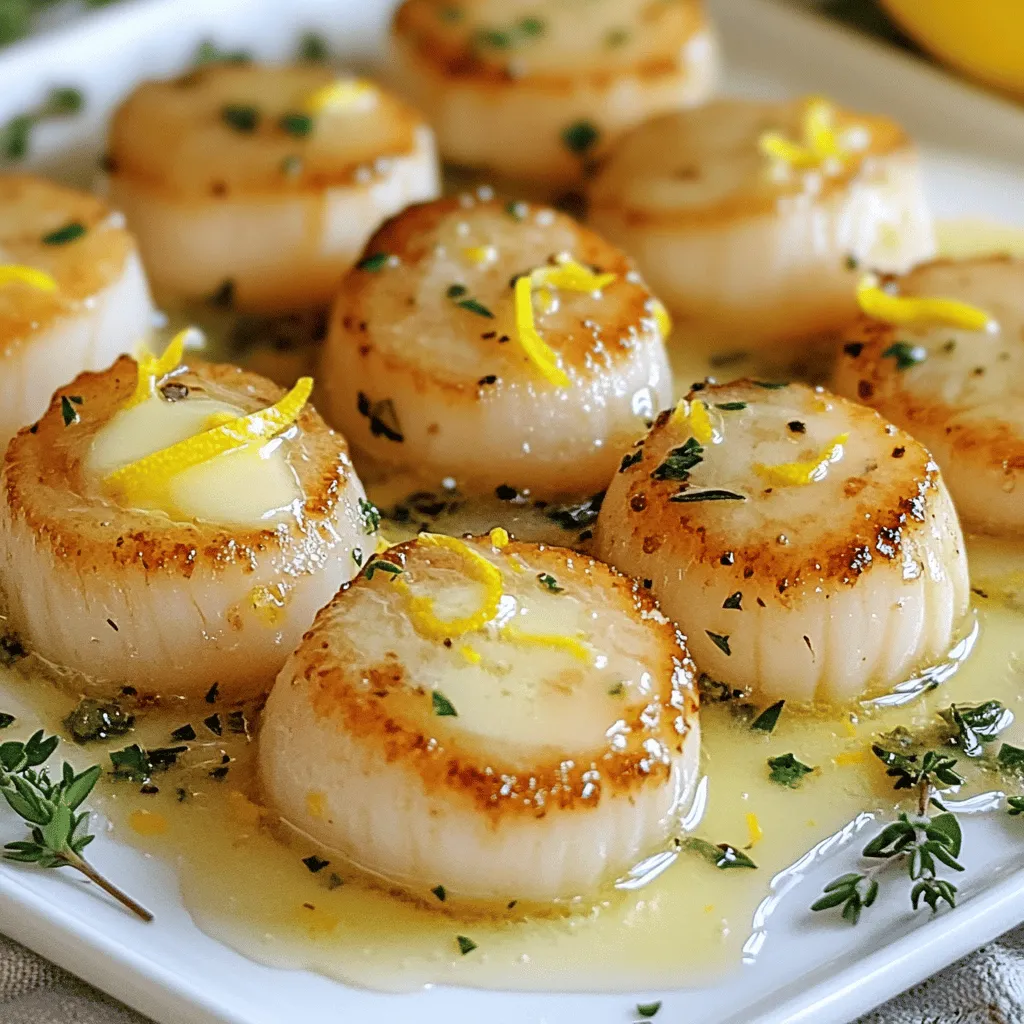
Are you ready to impress your friends and family with a simple yet delicious dish? Buttery Lemon Garlic Scallops are quick to prepare and full of flavor. I’ll guide you step-by-step through this easy recipe, ensuring perfectly seared scallops every time. With just a few key ingredients, you’ll create a meal that tastes fancy but is perfect for any night. Let’s dive into the flavors that will make your taste buds dance!
Why I Love This Recipe
- Quick and Easy: This recipe can be prepared in just 15 minutes, making it perfect for a weeknight dinner or a special occasion.
- Flavorful Combination: The combination of garlic, lemon, and butter creates a rich and zesty flavor that enhances the natural sweetness of the scallops.
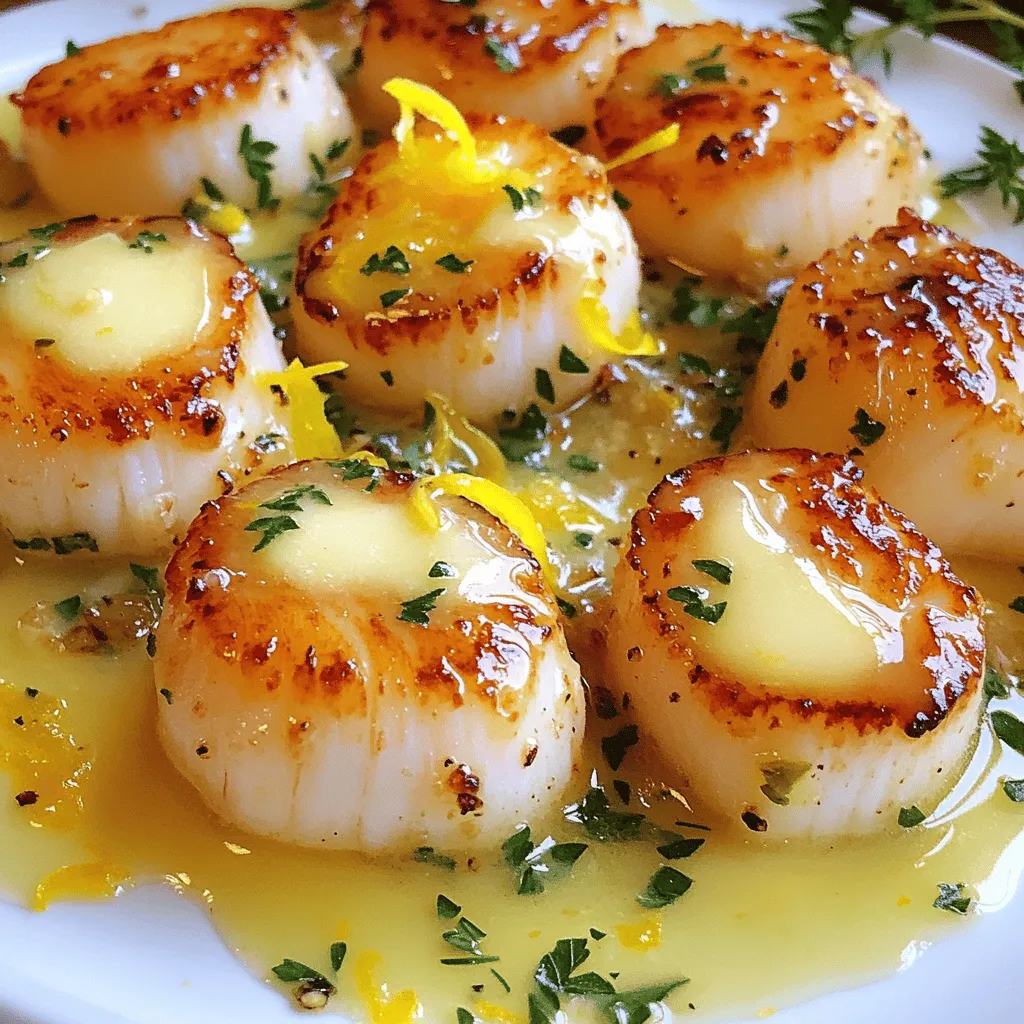
- Impressive Presentation: Seared scallops have a beautiful golden crust that makes for an elegant dish, impressing family and guests alike.
- Versatile Pairing: These scallops can be served with a variety of sides, such as a fresh salad or creamy mashed potatoes, allowing for endless meal combinations.
Ingredients
Essential Ingredients for Buttery Lemon Garlic Scallops
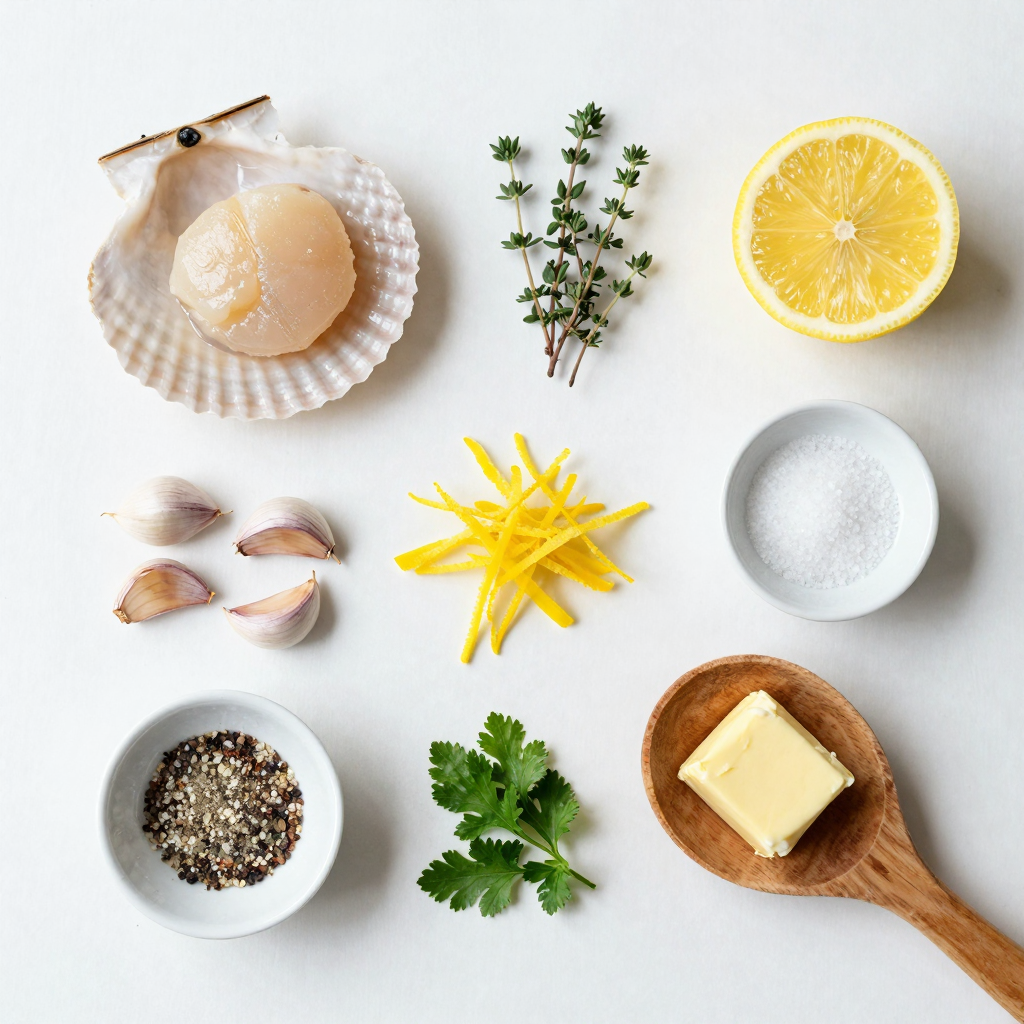
To make buttery lemon garlic scallops, you’ll need these key ingredients:
- 1 pound sea scallops, patted dry
- 4 tablespoons unsalted butter
- 3 cloves garlic, minced
- Zest of 1 lemon
- 2 tablespoons fresh lemon juice
- 1 teaspoon fresh thyme leaves (or ½ teaspoon dried thyme)
- Salt and pepper to taste
- Fresh parsley, chopped (for garnish)
These ingredients create a bright and rich dish. The scallops are the star. Drying them well helps achieve a nice sear.
Optional Ingredients for Added Flavor
You might want to try these optional ingredients to enhance your dish:
- A splash of white wine for depth
- Red pepper flakes for heat
- A pinch of smoked paprika for a hint of smokiness
Adding these can change the flavor profile. Feel free to experiment!
Recommended Kitchen Tools
To cook your scallops effectively, gather these tools:
- A large skillet, preferably non-stick
- A spatula for flipping
- Paper towels for drying scallops
- A zester for the lemon
- A sharp knife for mincing garlic
Using the right tools makes cooking easier. It ensures you get the best results. Happy cooking!
Step-by-Step Instructions
Preparing the Scallops for Cooking
Start by drying the scallops. Use paper towels to pat them dry. This step helps create a nice sear. Ensure they are dry all over. Next, sprinkle a little salt and pepper on each scallop. This will boost the flavor.
Cooking the Scallops to Perfection
Heat a large skillet over medium-high heat. Add 2 tablespoons of butter. Let it melt until it foams and turns slightly brown. This gives the scallops a rich taste. Place the scallops in the pan. Arrange them in a single layer, leaving space between each. Sear them for about 2-3 minutes. Look for a golden crust.
After that, flip the scallops carefully. Add the minced garlic, lemon zest, and the remaining butter. Cook for another 2 minutes. Baste the scallops with the melted butter and garlic. This infuses them with flavor.
Final Touches Before Serving
Remove the scallops from the pan. Place them on a serving plate. Squeeze fresh lemon juice over the top. This adds brightness and zest. Sprinkle fresh thyme leaves for an aromatic touch. Finally, garnish with chopped parsley. This gives a nice pop of color. Enjoy your beautifully cooked scallops!
Pro Tips
- Dry Scallops Thoroughly: Ensuring your scallops are completely dried before cooking will help achieve a perfect golden crust.
- Use Fresh Ingredients: Fresh lemon juice and thyme will elevate the flavors of the dish significantly compared to their dried counterparts.
- Don’t Overcrowd the Pan: Sear scallops in batches if necessary to avoid steaming them, which can prevent that desirable sear.
- Baste for Extra Flavor: Basting the scallops with melted butter and garlic while they cook will infuse them with a rich, buttery flavor.
Tips & Tricks
Best Practices for Searing Scallops
To get a nice sear on your scallops, start by drying them well. Use paper towels to remove moisture. Moisture prevents a good crust. Season them lightly with salt and pepper. A hot pan is key. Heat a skillet over medium-high heat. Add butter and wait until it foams and turns slightly brown. This step adds flavor. Place the scallops in a single layer. Make sure they don’t touch. This helps them cook evenly.
How to Avoid Overcooking
Scallops cook fast. Watch them closely. Sear for 2-3 minutes on one side. Look for a golden crust. When you flip them, add minced garlic and lemon zest. Cook for another 2 minutes. When they are opaque, they’re ready. Remove them quickly. Overcooked scallops become rubbery. Keep an eye on the time.
Flavor Enhancements and Pairing Suggestions
Enhance the flavor by adding herbs. Fresh thyme works well. You can also use a squeeze of lemon juice. This brightens the dish. For sides, consider a fresh salad or buttery mashed potatoes. These pair nicely. You could add a splash of white wine to the pan. It adds depth and richness. A sprinkle of chopped parsley gives color and freshness. Enjoy your meal!
Variations
Alternative Seasonings and Additions
You can change the flavor of your buttery lemon garlic scallops with different seasonings. Try adding a pinch of red pepper flakes for some heat. Fresh dill or basil can offer a fresh twist, too. For a smoky touch, use smoked paprika. You can also add a splash of white wine while cooking. This adds depth and a hint of acidity that pairs well with scallops.
Serving Suggestions and Side Dish Pairings
Buttery lemon garlic scallops shine when served with light sides. A fresh garden salad with a lemon vinaigrette complements the scallops nicely. For a heartier option, buttery mashed potatoes are a great choice. You could also serve them with steamed asparagus or sautéed spinach. These sides provide balance and enhance the meal’s flavors.
Scallops with Different Sauces
Experimenting with sauces can elevate your scallops. A creamy garlic sauce adds richness. To make it, simply mix heavy cream with garlic and a squeeze of lemon. A tangy mango salsa can brighten up your dish, adding sweetness and acidity. For a classic touch, serve the scallops with a beurre blanc sauce, which is rich and buttery. Each sauce brings a unique flair to the dish.
Storage Info
How to Store Leftover Scallops
To keep your leftover scallops fresh, place them in an airtight container. Make sure to store them in the fridge. They will stay good for up to two days. If you notice any strange smell or change in color, do not eat them. Always trust your senses.
Reheating Tips for Best Results
Reheating scallops can be tricky. You want to keep them tender and juicy. The best way is to use a skillet. Heat a little butter over medium heat. Add the scallops and cook for about one minute on each side. This will help them regain some of their flavor. Avoid using a microwave, as it can make them rubbery.
Freezing Scallops: What to Know
Freezing scallops is an option if you want to save them for later. First, make sure they are completely dry. Then, place them in a freezer bag. Remove as much air as possible before sealing. You can freeze them for up to three months. When you’re ready to use them, let them thaw in the fridge overnight. This keeps the texture nice.
FAQs
What should I serve with Buttery Lemon Garlic Scallops?
You can serve Buttery Lemon Garlic Scallops with a few tasty sides. Fresh salad pairs well, adding a crisp touch. Buttery mashed potatoes create a rich, creamy contrast. You might also enjoy serving them with garlic bread to soak up the yummy sauce. For a light option, steamed asparagus or green beans add color and flavor. Feel free to mix and match these sides based on your taste.
How do I know when scallops are done cooking?
Scallops cook quickly. They are done when they turn golden brown on the outside. The inside should be opaque and firm, not rubbery. A good rule is to cook them for 2-3 minutes on each side. If you see a nice crust, it’s time to flip them. Trust your eyes and your nose; they should smell divine when ready!
Can I use frozen scallops for this recipe?
Yes, you can use frozen scallops. However, you should thaw them first. Place them in the fridge overnight or run them under cold water for quicker thawing. After thawing, pat them dry to get a good sear. Frozen scallops may not have the same fresh taste, but they can still be delicious if cooked properly.
This blog post explored how to make Buttery Lemon Garlic Scallops. We discussed essential ingredients and helpful kitchen tools. You learned step-by-step instructions to prepare and cook scallops just right. I shared tips to avoid overcooking and enhance flavors. Variations and storage tips help you keep leftovers fresh.
Overall, these scallops are simple yet tasty. With practice, you’ll impress anyone at dinner. Enjoy your cooking journey!
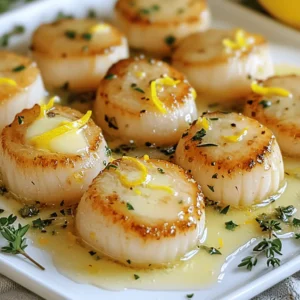
Buttery Lemon Garlic Scallops
Ingredients
1 pound sea scallops, patted dry
4 tablespoons unsalted butter
3 cloves garlic, minced
Zest of 1 lemon
2 tablespoons fresh lemon juice
1 teaspoon fresh thyme leaves (or ½ tsp dried thyme)
Salt and pepper to taste
Fresh parsley, chopped (for garnish)
Instructions
Prepare the Scallops: Ensure scallops are thoroughly dried with paper towels to achieve a good sear. Season them lightly with salt and pepper.
Heat the Pan: In a large skillet, melt 2 tablespoons of butter over medium-high heat until it foams and is slightly browned.
Sear the Scallops: Place the scallops in the pan in a single layer, ensuring they don’t touch. Sear for about 2-3 minutes on one side until they form a golden crust.
Flip and Flavor: Carefully flip the scallops over and add the minced garlic, lemon zest, and remaining butter to the pan. Cook for another 2 minutes, basting the scallops with the melted butter and garlic.
Add Lemon Juice: Once cooked, remove the scallops from the pan and place them on a serving plate. Squeeze fresh lemon juice over the scallops and sprinkle with fresh thyme leaves.
Serve: Garnish with chopped parsley for a pop of color and serve immediately with your choice of sides, such as a fresh salad or buttery mashed potatoes.
Prep Time, Total Time, Servings: 10 minutes | 15 minutes | 2 servings
Buttery Lemon Garlic Scallops
Ingredients
- 1 pound sea scallops, patted dry
- 4 tablespoons unsalted butter
- 3 cloves garlic, minced
- 1 lemon Zest of
- 2 tablespoons fresh lemon juice
- 1 teaspoon fresh thyme leaves (or ½ tsp dried thyme)
- to taste Salt and pepper
- for garnish Fresh parsley, chopped
Instructions
- Prepare the Scallops: Ensure scallops are thoroughly dried with paper towels to achieve a good sear. Season them lightly with salt and pepper.
- Heat the Pan: In a large skillet, melt 2 tablespoons of butter over medium-high heat until it foams and is slightly browned.
- Sear the Scallops: Place the scallops in the pan in a single layer, ensuring they don’t touch. Sear for about 2-3 minutes on one side until they form a golden crust.
- Flip and Flavor: Carefully flip the scallops over and add the minced garlic, lemon zest, and remaining butter to the pan. Cook for another 2 minutes, basting the scallops with the melted butter and garlic.
- Add Lemon Juice: Once cooked, remove the scallops from the pan and place them on a serving plate. Squeeze fresh lemon juice over the scallops and sprinkle with fresh thyme leaves.
- Serve: Garnish with chopped parsley for a pop of color and serve immediately with your choice of sides, such as a fresh salad or buttery mashed potatoes.
![To make Easy Vegetable Pad Thai, you need just a few key items. Here’s what you’ll need: - 8 oz rice noodles - 2 tablespoons vegetable oil - 1 red bell pepper, julienned - 1 green bell pepper, julienned - 1 carrot, shredded - 3 green onions, chopped (whites and greens separated) - 2 cloves garlic, minced - 1 cup bean sprouts - 2 large eggs (optional for non-vegetarians) - 3 tablespoons soy sauce - 1 tablespoon tamarind paste - 1 tablespoon brown sugar - 1 tablespoon lime juice - Salt and pepper to taste - Crushed peanuts and lime wedges for garnish These ingredients create a bright and fresh flavor. Each one adds its own twist to the dish. You can easily change this recipe to fit your taste. Here are some optional ingredients you might like: - Tofu or tempeh for protein - Broccoli or snap peas for more veggies - Chili flakes for heat - Cilantro for extra flavor - Sesame oil for a nutty taste These additions help you make the dish your own. Feel free to mix and match based on what you have at home. For this recipe, you want to use the right rice noodles. Here are the best types to choose from: - Flat rice noodles: These are the most common for Pad Thai. They soak up flavors well. - Thin rice vermicelli: Great for a lighter dish, but cook them less time. - Thick rice noodles: Chewy and satisfying, but they may need longer cooking. I recommend going for flat rice noodles. They give you that authentic flavor and texture you crave. For the full recipe, check out the details above. To start, cook the rice noodles. Follow the package instructions closely. Usually, this means boiling them in water for about 5 to 7 minutes. You want them soft but not mushy. Once they are ready, drain them in a colander. Rinse with cold water to stop the cooking. Set the noodles aside. Next, let's prepare the vegetables. Take your red and green bell peppers and slice them into thin strips, called julienne. Shred the carrot finely using a grater or a sharp knife. For the green onions, chop them into small pieces but keep the white and green parts separate. Mince the garlic into tiny bits. Once you finish, everything will be ready to cook. Now, it's time to bring everything together. In a large wok or skillet, heat the vegetable oil over medium-high heat. Add the minced garlic first and stir for about 30 seconds. It should smell great! Then, toss in the julienned peppers and shredded carrot. Stir-fry these for about 3 to 4 minutes. They should soften but still have a little crunch. If you want eggs, push the veggies to one side of the pan. Crack the eggs in the empty space and scramble them. Mix the cooked eggs with the veggies. Add the drained rice noodles to the wok. Next, add the chopped green onion whites, bean sprouts, soy sauce, tamarind paste, brown sugar, and lime juice. Toss everything together until well mixed and heated through. Taste and add salt and pepper as needed. Your Easy Vegetable Pad Thai is ready! Serve it hot, garnished with crushed peanuts and lime wedges. For the full recipe, check out the details above. Enjoy! To get great flavor in your Easy Vegetable Pad Thai, focus on the sauce. Use fresh ingredients like lime juice and tamarind paste. They add a nice tang. Make sure to taste as you mix. Adjust the soy sauce and sugar to your liking. If you want more heat, add some chili flakes. This will make your dish pop! Cooking your veggies just right is key. Start with high heat in your wok or skillet. This helps keep them crisp. Cut your vegetables into thin strips for even cooking. Stir-fry them quickly. This usually takes just a few minutes. Add bean sprouts last, as they need only a brief cook. This way, they stay crunchy. For the best experience, serve your Pad Thai hot. Top it with crushed peanuts; they add a nice crunch. A squeeze of lime juice brightens the flavors too. You can also add fresh herbs like cilantro for a fresh touch. Serve it with lime wedges on the side for extra zing. For a fun twist, pair it with spring rolls or a light salad. To see the full details, check the Full Recipe. {{image_2}} You can easily make this dish gluten-free. Use rice noodles, which are naturally gluten-free. Instead of soy sauce, try tamari. Tamari tastes similar but has no gluten. Always check labels to be sure. Tofu is a great option for plant-based protein. It adds texture and absorbs flavors well. Use firm tofu for the best results. Cut it into cubes and sauté until golden. If you eat eggs, they work too. Just scramble them before mixing with the veggies. Both choices are tasty and filling. Want more heat? Add red pepper flakes or chili paste. Start with a small amount; you can always add more. If you like it mild, skip the spicy ingredients. The beauty of this dish is you can customize it to your taste. Enjoy experimenting with flavors! To keep your leftover Pad Thai fresh, place it in an airtight container. Make sure to cool it down first. Store it in the fridge. It should last for about three days. Reheat your Pad Thai in a pan for the best texture. Add a splash of water or soy sauce. This helps make it moist again. Heat it on low, stirring gently. You can also use the microwave. Just cover it to keep moisture in. If you want to save Pad Thai for later, freezing is a good option. Cool it completely before packing it. Use freezer-safe containers or bags. It can last up to three months in the freezer. When ready to eat, thaw it in the fridge overnight before reheating. For best results, eat it within a month. For the full recipe, check out the Easy Vegetable Pad Thai. To make the sauce, mix soy sauce, tamarind paste, brown sugar, and lime juice. This blend gives the dish a sweet and tangy flavor. You want to balance these ingredients to your taste. I suggest starting with the amounts listed in the Full Recipe. Adjust to make it perfect for you! Absolutely! You can swap in any veggies you like. Broccoli, snap peas, and zucchini work great. Use what you have on hand. Just remember to cut them into small pieces for even cooking. The goal is to keep a nice crunch while adding color to your dish! If you can't find tamarind paste, you can use lime juice or a mix of vinegar and sugar. This will mimic the tangy flavor of tamarind. Another option is to use a store-bought pad Thai sauce that contains tamarind. Experiment to find what you enjoy best! To make this dish shine, you need fresh and colorful ingredients. Here’s what you’ll need: - 8 oz rice noodles - 2 tablespoons vegetable oil - 1 red bell pepper, julienned - 1 green bell pepper, julienned - 1 carrot, shredded - 3 green onions, chopped (whites and greens separated) - 2 cloves garlic, minced - 1 cup bean sprouts Feel free to tweak this recipe to fit your taste. Here are some extras: - 2 large eggs (optional for non-vegetarians) - Crushed peanuts for garnish - Lime wedges for garnish For the best texture, I suggest flat rice noodles. Look for the wide ones labeled as "Pad Thai noodles." They soak up flavors well and make the dish more satisfying. If you prefer thinner noodles, rice vermicelli works too. Just keep an eye on cooking time, as they cook faster. Check out the [Full Recipe] for detailed steps. You now have all you need for an Easy Vegetable Pad Thai. You learned about key ingredients, cooking steps, and how to customize your dish. Remember to use fresh veggies for great taste. Adjust flavors to fit your style, whether that’s adding spice or protein. Store any leftovers properly for a tasty meal later. Enjoy creating this dish and impressing yourself with your cooking skills. Now, grab your ingredients and get started on this delightful, vibrant meal!](https://dailydishlab.com/wp-content/uploads/2025/06/ea2fad35-4884-4485-94ec-1f29792ad057-768x768.webp)