Minute Sesame Ginger Noodles Quick and Flavorful Meal

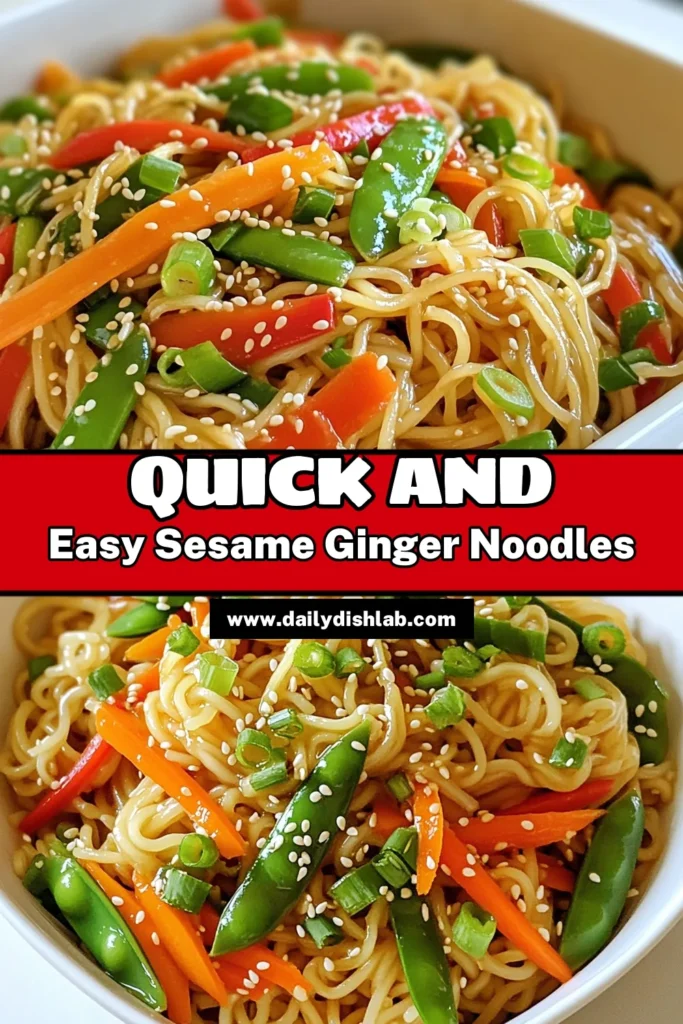
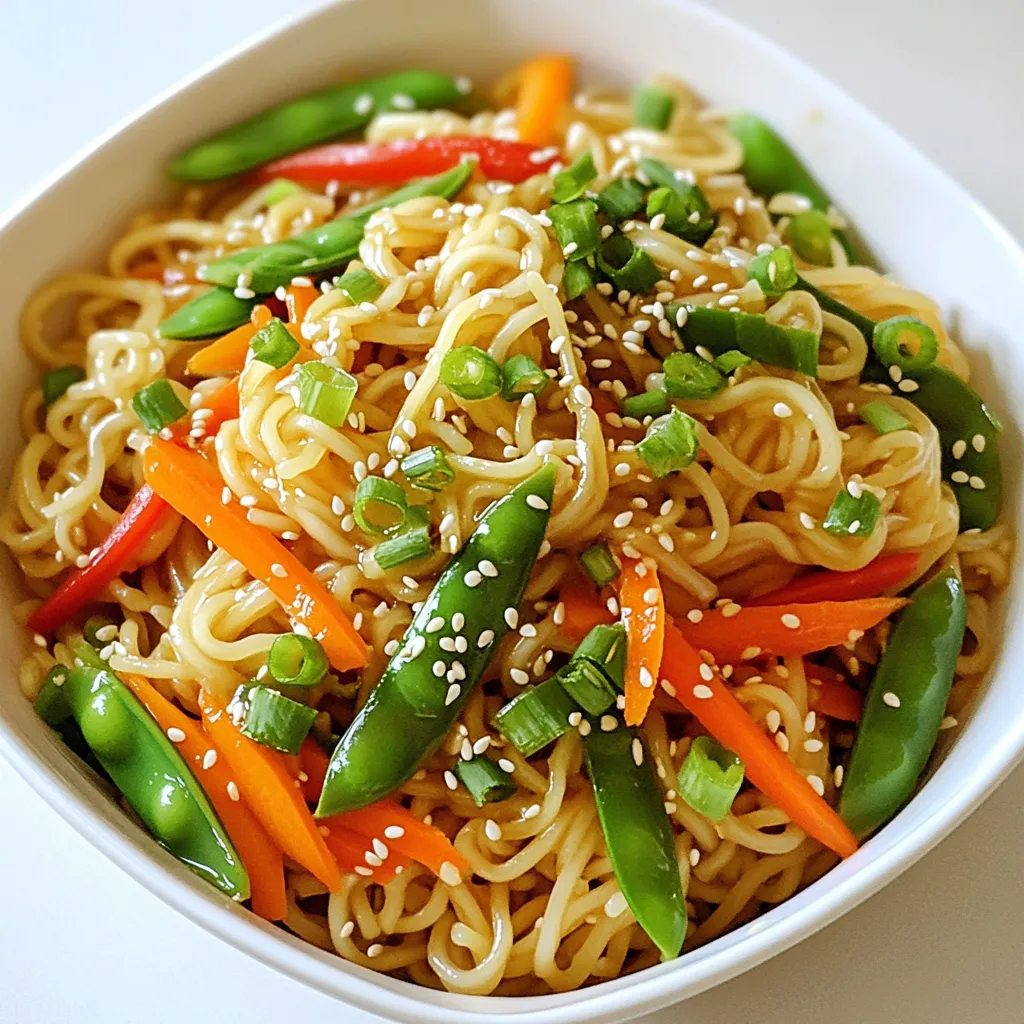
Looking for a quick and tasty meal? Try Minute Sesame Ginger Noodles! This dish combines soft rice noodles with a punch of fresh ginger and garlic. You can whip it up in no time, making it perfect for busy weeknights. I’ll share simple steps and key ingredients to create a flavorful dinner that everyone will love. Let’s get started and make your next meal a hit!
Why I Love This Recipe
- Quick and Easy: This recipe can be prepared in just 15 minutes, making it perfect for busy weeknights.
- Flavorful Ingredients: The combination of ginger, garlic, and sesame oil creates a delightful and aromatic dish.
- Versatile Veggies: Feel free to swap in your favorite vegetables to customize the dish according to your taste.
- Healthy Option: This dish is packed with fresh vegetables and can be made gluten-free easily by using tamari.
Ingredients
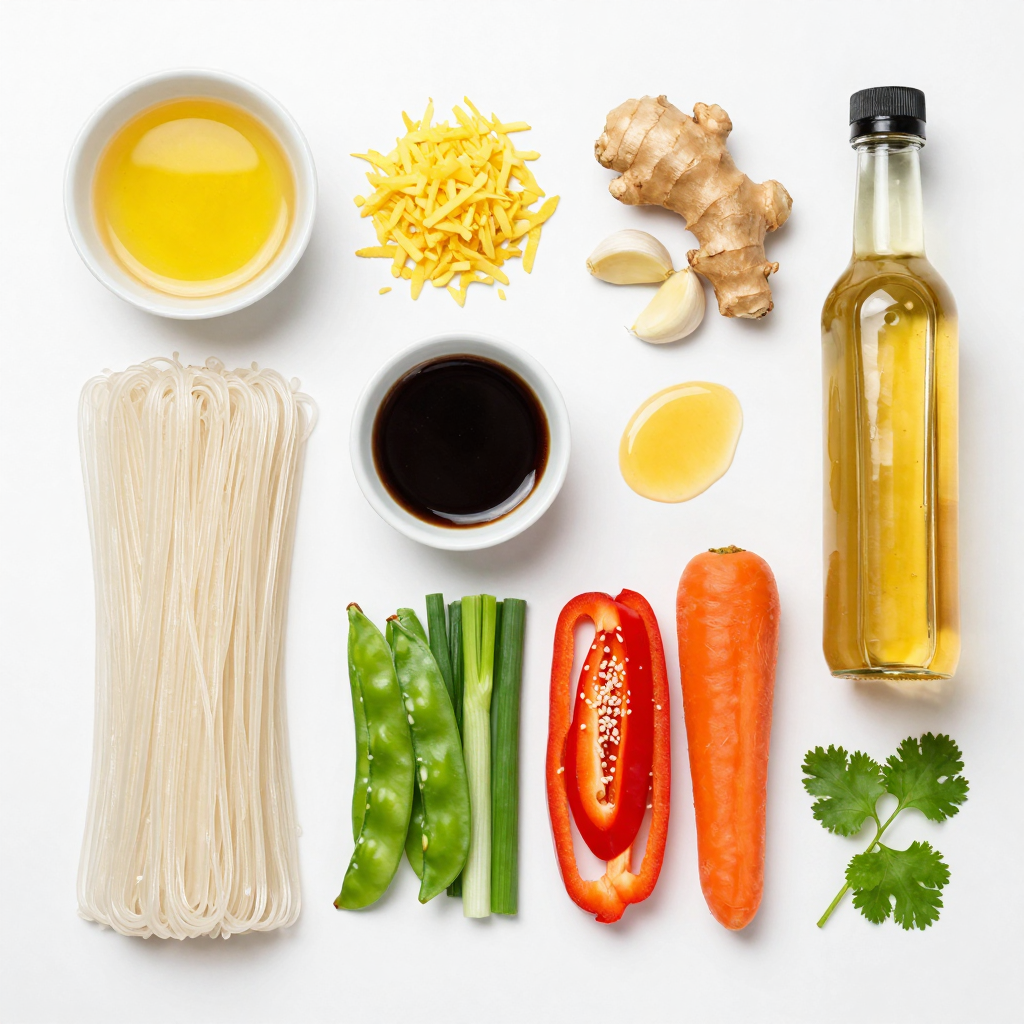
List of Essential Ingredients
- 8 oz. rice noodles
- 2 tablespoons sesame oil
- 1 tablespoon fresh ginger, grated
- 2 cloves garlic, minced
- 3 tablespoons soy sauce (or tamari for gluten-free)
- 1 tablespoon honey or maple syrup
- 1 tablespoon rice vinegar
- 1 medium carrot, julienned
- 1 red bell pepper, thinly sliced
- ½ cup snap peas, trimmed
- 2 green onions, sliced
- Sesame seeds for garnish
- Fresh cilantro leaves for garnish (optional)
To make Minute Sesame Ginger Noodles, you need simple yet vibrant ingredients. You start with rice noodles, which are the base of the dish. They cook fast and absorb flavors well. Next is sesame oil. It adds a nutty taste that makes the dish shine. Fresh ginger and garlic bring warmth and depth to each bite.
For the sauce, use soy sauce or tamari. Soy sauce gives a salty kick, while tamari is great for gluten-free options. Honey or maple syrup adds sweetness, balancing the flavors perfectly. Rice vinegar brings a tangy note, brightening the dish.
Now, let’s talk about the vegetables! Carrots bring crunch, while bell peppers add color. Snap peas provide a fresh bite. Green onions on top give a pop of flavor and color. Finally, sprinkle sesame seeds and fresh cilantro for the perfect finish. These ingredients combine to create a quick, tasty meal you can enjoy any day!
Step-by-Step Instructions
Cooking the Rice Noodles
Start by boiling water in a large pot. Once the water is boiling, add the rice noodles. Cook them for about 3-4 minutes or until they are soft but still firm. Drain the noodles and rinse them under cold water. This stops the cooking process and keeps them from getting mushy. Set the noodles aside for later.
Sautéing Ginger and Garlic
In a large skillet or wok, heat 2 tablespoons of sesame oil over medium heat. Add 1 tablespoon of grated ginger and 2 cloves of minced garlic. Sauté them for about 1 minute, just until they smell great. This step adds a wonderful flavor to your dish.
Making the Sauce
Next, mix the sauce in the skillet. Pour in 3 tablespoons of soy sauce, 1 tablespoon of honey (or maple syrup), and 1 tablespoon of rice vinegar. Stir everything together well until the sauce is smooth. This sauce will coat your noodles and veggies with a tasty glaze.
Stir-Frying the Vegetables
Now it’s time to add some color and crunch. Toss in the julienned carrots, sliced red bell pepper, and snap peas. Stir-fry these veggies for about 3-4 minutes. You want them to become tender but still crisp. This keeps the dish fresh and vibrant.
Combining Noodles and Vegetables
Add the cooked rice noodles to the skillet with the veggies. Toss everything together so the noodles get coated in the sauce. Cook for another 2 minutes to heat everything through. This step brings all the flavors together in a delicious way.
Serving Suggestions
When you’re ready to serve, remove the skillet from heat. Sprinkle sliced green onions and sesame seeds on top. For an extra touch, add fresh cilantro leaves if you like. Serve the noodles hot, and enjoy the burst of flavors with every bite!
Pro Tips
- Use Fresh Ingredients: Always opt for fresh vegetables and ginger to enhance the flavor of your dish. Fresh ingredients elevate the taste and aroma significantly.
- Adjust for Spice: If you enjoy a bit of heat, consider adding a pinch of red pepper flakes or a drizzle of sriracha when sautéing the garlic and ginger.
- Perfect Noodle Texture: Rinse the noodles under cold water after cooking to prevent them from becoming sticky. This also helps to maintain their al dente texture.
- Garnish for Color: Don’t skip the sesame seeds and cilantro! They not only add a pop of color but also enhance the overall flavor profile of the dish.
Tips & Tricks
How to Perfect Rice Noodles
To cook rice noodles well, follow the package instructions closely. Usually, you will soak them in hot water. This method helps them stay tender. Rinse the noodles under cold water after cooking. This step stops the cooking process and keeps the noodles from sticking.
Best Oil for Flavor
Sesame oil adds a rich, nutty taste to your dish. Use pure sesame oil for the best flavor. It is stronger than light sesame oil. A little goes a long way, so don’t overdo it. This oil enhances the overall taste of the noodles and veggies.
Adding Protein Options
Adding protein boosts the meal’s nutrition. You can use chicken, shrimp, or tofu. Cook the protein first, then add it to the noodles. For a vegetarian option, try chickpeas or edamame. These options mix well with the flavors in the sauce.
Adjusting Spice Levels
If you like heat, add crushed red pepper or chili paste. Start with a small amount, then taste. You can always add more spice later. For a milder dish, stick with the basic recipe. Adjust the spice to suit your taste buds and enjoy!
Variations
Vegetarian and Vegan Options
You can easily make this dish vegetarian or vegan. Simply replace honey with maple syrup. For a heartier meal, add tofu or tempeh. Both options soak up flavor well, adding protein. Use soy sauce or tamari to keep it plant-based.
Gluten-Free Modifications
To make these noodles gluten-free, use tamari instead of soy sauce. Rice noodles are naturally gluten-free, so you’re already on the right track. Just check the labels to ensure all your ingredients are gluten-free.
Adding More Vegetables
Feel free to add more veggies for extra color and nutrition. Broccoli, zucchini, or bell peppers work great. You can also use leafy greens like spinach or kale. Just stir-fry them until they’re tender but still bright.
Different Sauces and Seasonings
Mix up the flavors by trying other sauces. Sriracha can add heat, while peanut sauce gives a nutty twist. You can also experiment with lime juice or sesame paste for a different taste. Adjust the seasonings to your liking for a unique dish each time.
Storage Info
Storing Leftovers
To keep your Minute Sesame Ginger Noodles fresh, place them in an airtight container. Let them cool to room temperature before sealing. Store in the fridge for up to three days. When ready to eat, check for any signs of spoilage. If they smell off, toss them out.
Reheating Instructions
To reheat, use a skillet over medium heat. Add a splash of water or oil to keep them moist. Stir gently until warmed through. You can also use the microwave. Heat in 30-second bursts, stirring in between. This helps avoid hot spots and keeps the noodles tender.
Freezing Tips
If you have extra noodles, you can freeze them. Place them in a freezer-safe bag or container, removing as much air as possible. They will last for about one month. To use, thaw them in the fridge overnight. Reheat as mentioned above, adding fresh veggies for a boost.
FAQs
Can I use a different type of noodles?
Yes, you can use other noodles. Try soba, udon, or even spaghetti. Each type adds a unique taste and texture. Just cook them according to their package instructions.
How long do the cooked noodles last in the fridge?
Cooked noodles can last about 3 to 5 days in the fridge. Store them in an airtight container to keep them fresh. Always check for any off smells or signs of spoilage before eating.
What can I substitute for sesame oil?
If you lack sesame oil, try olive oil or peanut oil. Both add great flavor, though they differ slightly. You could also mix in a bit of toasted sesame seeds for that nutty taste.
Is this recipe suitable for meal prep?
Yes, this recipe is great for meal prep. You can cook a batch and store it in the fridge. Just reheat before serving to enjoy quick, tasty meals all week.
Can I make it spicy?
Absolutely! To add some heat, include chili flakes or sriracha. You can also add sliced fresh chili peppers to the stir-fry for a spicy kick. Adjust the spice level to suit your taste.
This blog post covered key ingredients and steps to make a tasty noodle dish. You learned how to cook rice noodles, stir-fry veggies, and make a flavorful sauce. I shared tips for perfect noodles, adding proteins, and adjusting spice. You can try many variations, like vegan or gluten-free options. Lastly, I gave advice on storing and reheating leftovers. Cooking doesn’t need to be hard. With these tips, you can enjoy delicious meals at home.
Minute Sesame Ginger Noodles
Ingredients
8 oz. rice noodles
2 tablespoons sesame oil
1 tablespoon fresh ginger, grated
2 cloves garlic, minced
3 tablespoons soy sauce (or tamari for gluten-free)
1 tablespoon honey or maple syrup
1 tablespoon rice vinegar
1 medium carrot, julienned
1 red bell pepper, thinly sliced
½ cup snap peas, trimmed
2 green onions, sliced
Sesame seeds for garnish
Fresh cilantro leaves for garnish (optional)
Instructions
Begin by cooking the rice noodles according to package instructions. Once they are al dente, drain and rinse under cold water to stop the cooking process. Set aside.
In a large skillet or wok, heat the sesame oil over medium heat. Add the grated ginger and minced garlic, sautéing for about 1 minute until fragrant.
Stir in the soy sauce, honey (or maple syrup), and rice vinegar. Mix until combined.
Add the julienned carrots, sliced bell pepper, and snap peas to the skillet. Stir-fry for about 3-4 minutes, until the vegetables start to soften but still have some crunch.
Toss the cooked noodles into the skillet, mixing everything together with the sauce and vegetables. Cook for an additional 2 minutes, ensuring the noodles are heated through.
Remove from heat and sprinkle with sliced green onions, sesame seeds, and fresh cilantro if desired.
Serve immediately, enjoying the vibrant flavors and aroma.
Prep Time, Total Time, Servings: 10 minutes | 15 minutes | 4 servings
Minute Sesame Ginger Noodles
Ingredients
- 8 oz rice noodles
- 2 tablespoons sesame oil
- 1 tablespoon fresh ginger, grated
- 2 cloves garlic, minced
- 3 tablespoons soy sauce (or tamari for gluten-free)
- 1 tablespoon honey or maple syrup
- 1 tablespoon rice vinegar
- 1 medium carrot, julienned
- 1 red bell pepper thinly sliced
- 0.5 cup snap peas, trimmed
- 2 green onions sliced
- to taste sesame seeds for garnish
- optional fresh cilantro leaves for garnish
Instructions
- Begin by cooking the rice noodles according to package instructions. Once they are al dente, drain and rinse under cold water to stop the cooking process. Set aside.
- In a large skillet or wok, heat the sesame oil over medium heat. Add the grated ginger and minced garlic, sautéing for about 1 minute until fragrant.
- Stir in the soy sauce, honey (or maple syrup), and rice vinegar. Mix until combined.
- Add the julienned carrots, sliced bell pepper, and snap peas to the skillet. Stir-fry for about 3-4 minutes, until the vegetables start to soften but still have some crunch.
- Toss the cooked noodles into the skillet, mixing everything together with the sauce and vegetables. Cook for an additional 2 minutes, ensuring the noodles are heated through.
- Remove from heat and sprinkle with sliced green onions, sesame seeds, and fresh cilantro if desired.
- Serve immediately, enjoying the vibrant flavors and aroma.
. Enjoy using these ingredients to create a flavorful and juicy dish! Start by taking the ribeye steaks out of the fridge. Let them sit at room temperature for about 30 minutes. This helps the meat cook evenly. While they rest, you should preheat your grill or a cast-iron skillet on medium-high heat. A hot cooking surface will give your steaks a nice crust. Now, pat the steaks dry with paper towels. This step is key for a good sear. Next, rub salt, pepper, and Cajun seasoning on both sides of the steaks. Make sure they are well-coated for the best flavor. Add 2 tablespoons of butter to your skillet or grill. Let it melt and get slightly browned for extra taste. Place the seasoned steaks on the hot surface. Cook them for about 4-5 minutes on one side. This will create a nice crust. Flip the steaks over and add the remaining 2 tablespoons of butter. Also, sprinkle the minced garlic and smoked paprika on top. Continue cooking for another 4-5 minutes. Spoon the melted garlic butter over the steaks often. Aim for a temperature of 130°F for medium-rare. Once the steaks are done, take them off the grill or skillet. Let them rest for about 5 minutes on a cutting board. This resting time helps keep the juices inside the meat. Slice the steaks against the grain. Drizzle the garlicky Cajun butter from the skillet over the slices. Finally, sprinkle chopped parsley on top for color and flavor. Serve with lemon wedges for a zesty kick. For the complete recipe, refer to the Full Recipe section. To check steak temperature, use a meat thermometer. Insert it into the thickest part of the steak. This gives the most accurate reading. Here are the recommended doneness levels: - Rare: 120°F - 125°F - Medium Rare: 130°F - 135°F - Medium: 140°F - 145°F - Medium Well: 150°F - 155°F - Well Done: 160°F and above Aim for medium-rare for the best flavor and juiciness. Cajun seasoning can vary. You can find blends with more heat or herbs. Feel free to mix your own. Add paprika, onion powder, or cayenne for extra kick. When browning the butter, heat it slowly. Watch for the golden color and a nutty aroma. This adds depth to your dish. For serving, place the steak on a warm plate. This keeps it hot longer. You can slice the steak for easier eating. Garnish with fresh parsley for a pop of color. Add lemon wedges on the side for a zesty touch. These simple moves make your meal look and taste gourmet. For the complete experience, check the Full Recipe. {{image_2}} You can use different cuts of meat for your Cajun butter steak. Ribeye is great, but you can try sirloin, filet mignon, or T-bone. Each cut has its unique taste and texture. - Sirloin: This cut is leaner but still juicy. Cook for 3-4 minutes per side. - Filet Mignon: Very tender, it cooks quickly. Aim for 2-3 minutes per side. - T-bone: A mix of tenderloin and strip steak. Cook for about 4-5 minutes per side. Cooking times vary based on thickness and how you like your steak. Always check the internal temperature to ensure it’s safe and delicious. You can adjust the spice level of your Cajun butter steak to fit your taste. If you want more heat, add extra Cajun seasoning. If you prefer less spice, cut back on it. You can also mix in other spices. Try adding: - Cayenne pepper for extra heat. - Paprika for a smoky flavor. - Thyme or oregano for herbal notes. Experiment with these spices to create a unique flavor profile. Adding vegetables can enhance your dish. Grilled vegetables like bell peppers, zucchini, or asparagus pair well with the steak. You can also add sauces and sides. Think about these options: - Creamy mashed potatoes for a comforting side. - Garlic bread for a crunchy texture. - A fresh salad to add a light touch. These additions make your meal more balanced and exciting. For the full recipe, check out the Cajun butter steak steps above. To store leftover Cajun Butter Steak, let it cool first. Then, place it in an airtight container. This helps keep the steak fresh for up to three days. If you want to enjoy its full flavor, reheat it gently. Use a skillet or the microwave on low power. If you want to freeze cooked steak, wrap each piece in plastic wrap. Then, put it in a freezer-safe bag. This way, it can last up to three months. When you're ready to eat, thaw the steak in the fridge overnight. For best texture and flavor, reheat it in a skillet. This keeps it juicy and tasty. Enjoy your Cajun Butter Steak anytime with these storage tips! To get a great sear, start with a hot grill or skillet. Here are some key tips: - Use a cast-iron skillet or a grill for best results. - Pat your steaks dry to remove moisture. - Season the steaks right before cooking. - Avoid overcrowding the pan or grill. - Cook without moving the steak for a few minutes. This helps form a nice crust. Flip the steak only once. You want to hear that sizzle! Yes, you can adapt the Cajun butter for chicken or seafood. - For chicken, use the same Cajun butter mix. Cook until the chicken reaches 165°F. - For seafood like shrimp or fish, reduce cooking time. Seafood cooks fast! Just remember to adjust the cooking time based on the protein you choose. Cajun Butter Steak goes well with many sides. Here are my favorites: - Garlic mashed potatoes - Grilled corn on the cob - Sautéed green beans - Coleslaw for a crunchy contrast - A fresh garden salad for balance These sides enhance the steak's bold flavors and make a complete meal. Cooking time for a ribeye varies by preference: - Rare: 3-4 minutes per side (120°F) - Medium-rare: 4-5 minutes per side (130°F) - Medium: 5-6 minutes per side (140°F) - Medium-well: 6-7 minutes per side (150°F) - Well-done: 8-9 minutes per side (160°F) Always let the steak rest after cooking. This keeps it juicy and flavorful. For the full recipe, check out the detailed cooking steps above. You now have a flavorful Cajun Butter Steak recipe. We explored key ingredients, cooking steps, and tips for perfect doneness. Remember to adjust the spice level to suit your taste. Try adding different cuts, vegetables, or sauces for variety. Proper storage keeps leftovers fresh for later. This dish is simple to prepare and sure to impress. Enjoy your cooking adventure with this tasty recipe!](https://dailydishlab.com/wp-content/uploads/2025/07/cefc687f-9021-4868-bb93-419ddf0ee92f-768x768.webp)