Parmesan Herb Turkey Meatballs Flavorful and Easy Recipe
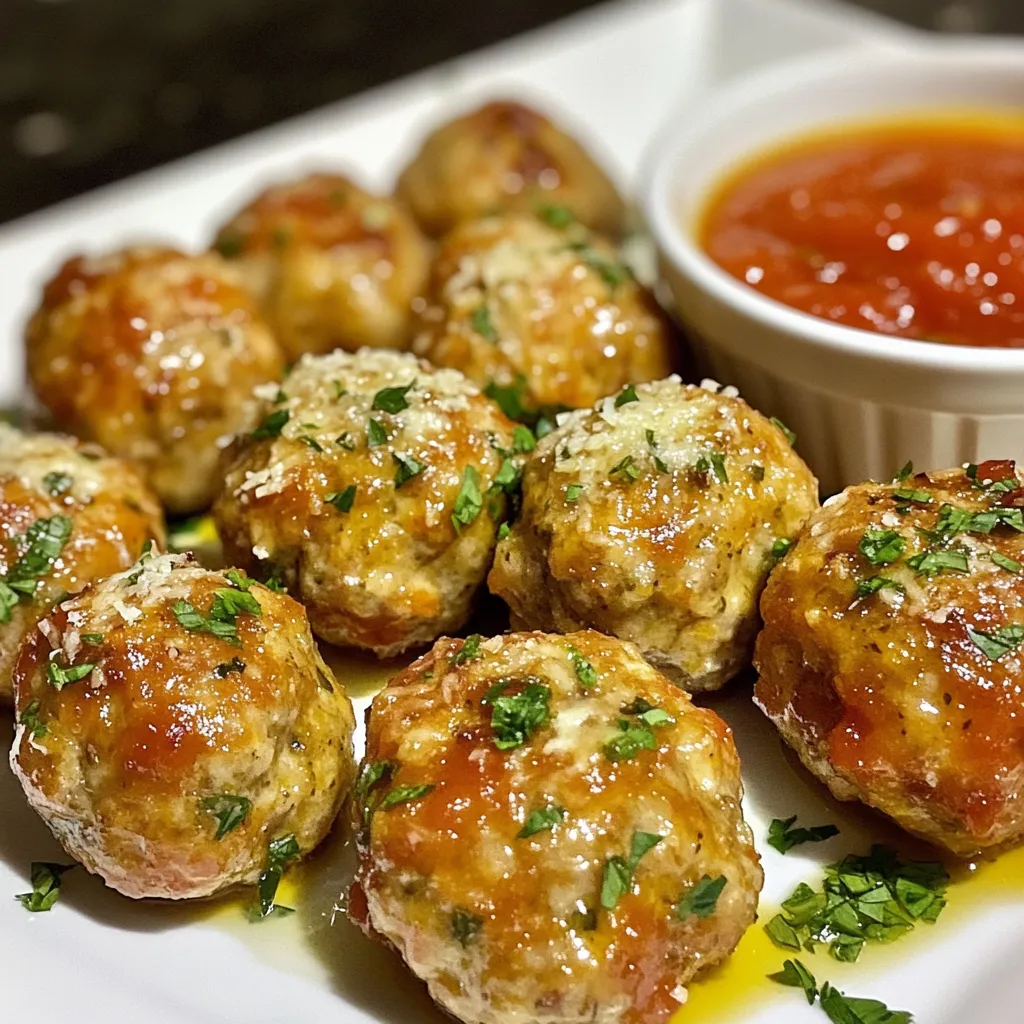
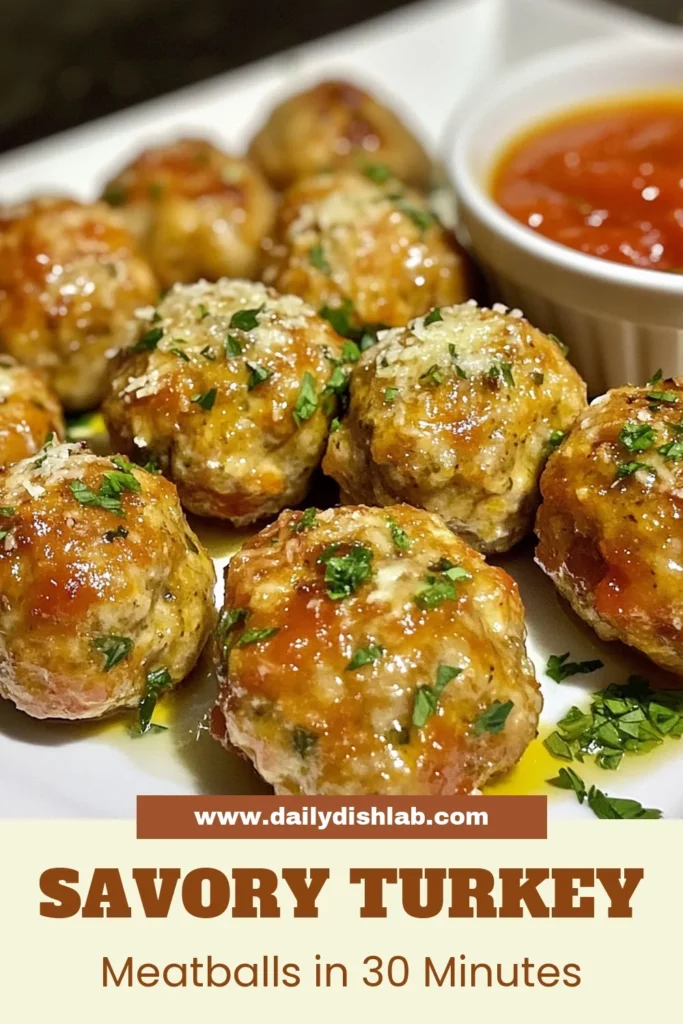
Looking for a tasty and easy meal? You’re in the right place! My Parmesan Herb Turkey Meatballs are packed with flavor thanks to fresh herbs and savory spices. Made with simple ingredients, these meatballs are juicy and perfect for any occasion. In just a few steps, I’ll guide you through the process of crafting these delicious bites. Let’s dive into the recipe!
Why I Love This Recipe
- Healthy & Delicious: These turkey meatballs are not only flavorful but also a healthier alternative to traditional meatballs, making it easy to enjoy guilt-free.
- Easy to Prepare: With just a few simple ingredients and minimal prep time, these meatballs can be whipped up in no time, perfect for busy weeknights.
- Versatile Dish: Serve them with pasta, in a sub, or as an appetizer; these meatballs adapt to any meal occasion, making them a family favorite.
- Flavorful Herbs: The combination of fresh parsley and basil, along with garlic, brings a burst of flavor that elevates these meatballs to another level.
Ingredients
Main Ingredients List
- 1 pound ground turkey
- 1/2 cup grated Parmesan cheese
- 1/2 cup breadcrumbs
Fresh Herbs and Spices
- 1/4 cup fresh parsley, chopped
- 1/4 cup fresh basil, chopped
- 2 cloves garlic, minced
- 1 teaspoon dried oregano
- 1/2 teaspoon salt
- 1/4 teaspoon black pepper
- 1/4 teaspoon red pepper flakes (optional)
Additional Ingredients
- 1 large egg
- 1/4 cup milk
- Olive oil for cooking
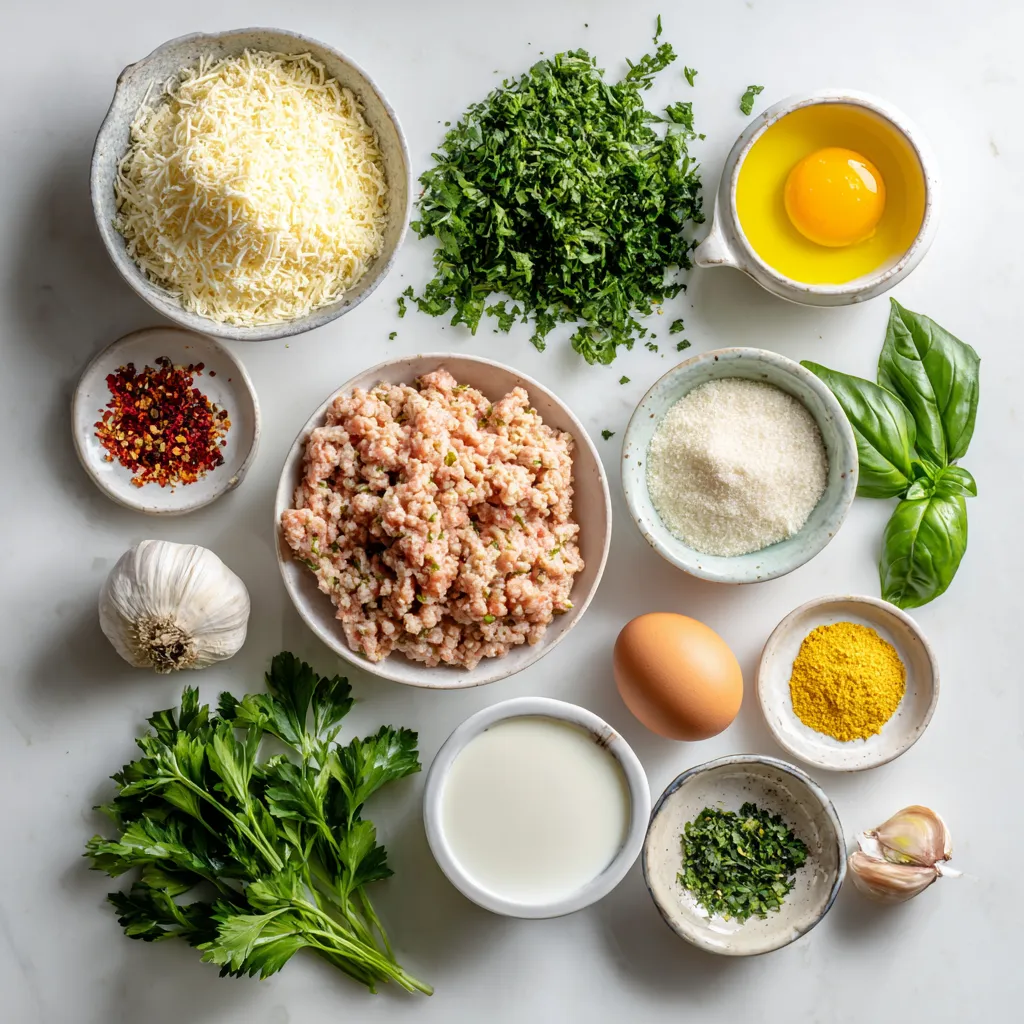
Gather these ingredients to create tasty Parmesan herb turkey meatballs. Ground turkey serves as a healthy base. The grated Parmesan adds a rich, cheesy flavor. Breadcrumbs help bind the mixture and keep the meatballs tender.
Fresh parsley and basil give the meatballs a vibrant taste. Minced garlic adds a punch of flavor. Dried oregano, salt, and pepper enhance the overall taste.
You can add red pepper flakes for a bit of heat, but it’s optional. The egg and milk keep the meatballs moist. Finally, olive oil is key for cooking and adds a hint of flavor.
Using fresh ingredients makes a big difference. You’ll love the bright flavors in every bite!
Step-by-Step Instructions
Preparing the Meatball Mixture
Start by combining all the main ingredients. In a large bowl, add:
- 1 pound ground turkey
- 1/2 cup grated Parmesan cheese
- 1/2 cup breadcrumbs
- 1/4 cup fresh parsley, chopped
- 1/4 cup fresh basil, chopped
- 2 cloves garlic, minced
- 1 large egg
- 1 teaspoon dried oregano
- 1/2 teaspoon salt
- 1/4 teaspoon black pepper
- 1/4 teaspoon red pepper flakes (optional)
- 1/4 cup milk
Mix these ingredients together gently with your hands. It is important to avoid overmixing. Overmixing can make the meatballs tough. You want a nice, fluffy texture for your meatballs.
Cooking the Meatballs
Next, you need to cook the meatballs. Preheat a large skillet over medium heat. Add a drizzle of olive oil to the skillet. When the oil is hot, form the turkey mixture into meatballs. Aim for about 1.5 inches in diameter.
Place the meatballs in the skillet, but don’t overcrowd them. This helps them brown nicely. Sear each meatball for about 5-6 minutes on each side. You want them to be golden brown and fully cooked. Check that they reach an internal temperature of 165°F (75°C) for safety.
Final Steps
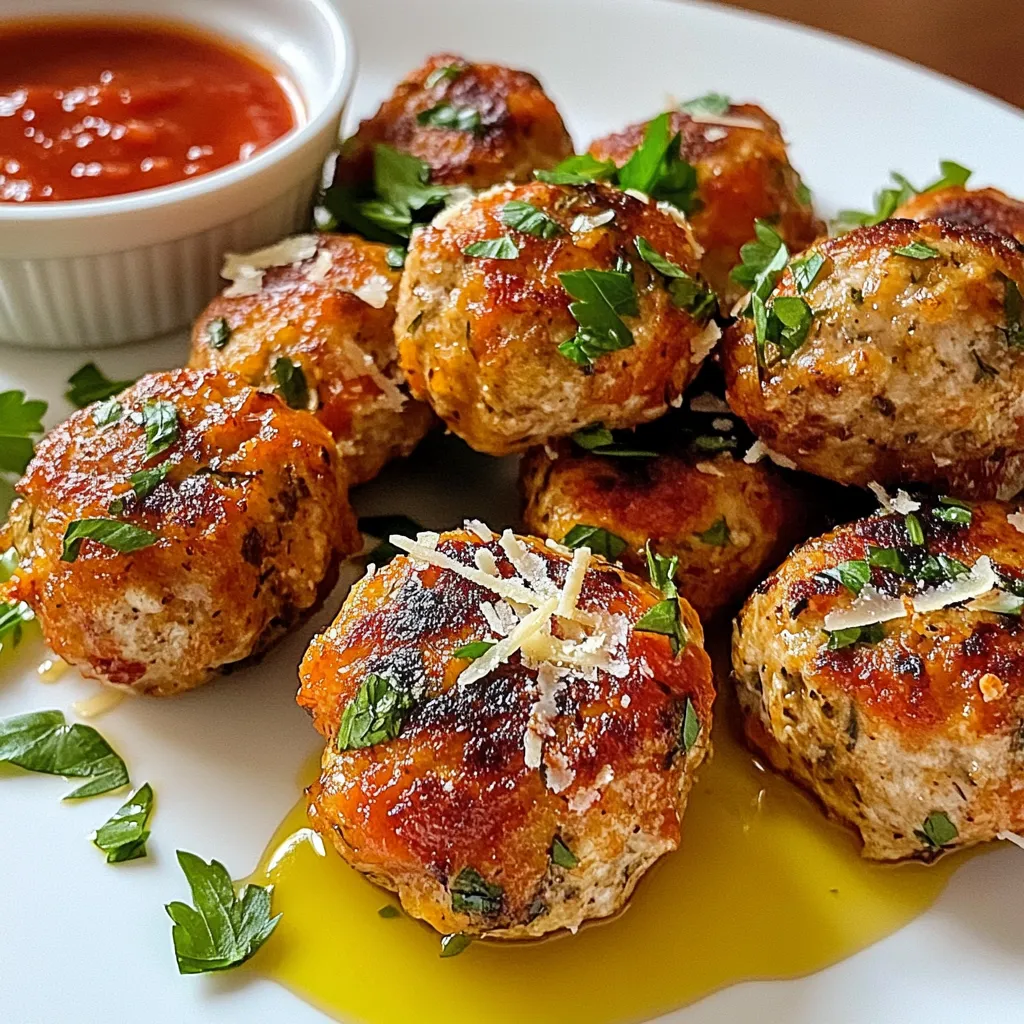
Once the meatballs are cooked, transfer them to a plate lined with paper towels. This helps absorb any excess oil. Serve the meatballs warm. You can pair them with marinara sauce, pasta, or even in a sub sandwich.
For a nice touch, garnish your meatballs with extra chopped herbs and a sprinkle of Parmesan cheese. This makes them look as good as they taste!
Tips & Tricks
Ensuring Juicy Meatballs
To make your turkey meatballs juicy, always add milk and egg. Milk keeps them moist. The egg helps bind the meatballs together.
Do not overmix your meatball mixture. Mixing too much makes them tough. Gently combine all the ingredients until just mixed.
Cooking Techniques
You can choose to sear or bake your meatballs. Searing gives them a nice brown crust. This adds flavor and texture. Baking is an easy way to cook them all at once.
If you make larger meatballs, adjust the cooking time. Larger meatballs take longer to cook through. Always check their internal temperature. It should reach 165°F (75°C) for safety.
Serving Suggestions
Garnish your meatballs with fresh herbs and a sprinkle of cheese. This makes them look great on the plate. You can also place them on a bed of arugula for a pop of color.
Pair your meatballs with marinara sauce or over pasta. They also work well in a sub sandwich. Adding sides like garlic bread or a simple salad makes for a complete meal.
Pro Tips
- Don’t Overmix: When combining the meatball mixture, be gentle to keep the meatballs tender. Overmixing can lead to a tough texture.
- Use a Meat Thermometer: Ensure your meatballs are cooked through by checking that they reach an internal temperature of 165°F (75°C).
- Experiment with Herbs: Feel free to swap or add different herbs based on your preference, like thyme or rosemary, for unique flavors.
- Batch Cooking: Consider making a double batch and freezing extras for quick meals on busy nights. Just reheat in the oven or skillet.
Variations
Different Protein Options
You can switch up the meat in these meatballs. Ground chicken works well if you want a lighter flavor. It keeps the dish lean but still tasty. If you prefer beef, use lean ground beef for a rich taste.
For a vegetarian option, try using lentils or chickpeas. You can mash them and mix with breadcrumbs and spices. This gives you a satisfying meatball without meat.
Flavor Enhancements
Spices can really change the taste. Consider adding smoked paprika for a hint of smokiness. You could also try Italian seasoning for a classic flavor profile. Different cheeses can add depth too. Try using feta or mozzarella for a nice twist.
Adding veggies is a great way to boost nutrition. Finely chopped spinach or bell peppers mix well into the meatball mix. They provide moisture and flavor while keeping the meatballs light.
Serving Style Variations
These meatballs shine in many dishes. You can serve them in a sub sandwich with marinara sauce. They also work great over pasta with a sprinkle of Parmesan.
If you’re hosting, make them into appetizers. Just make smaller meatballs and serve with toothpicks. Pair them with a dipping sauce like marinara or garlic aioli for a fun twist.
Storage Info
Storing Leftovers
To keep your Parmesan herb turkey meatballs fresh, follow these tips:
- Refrigeration: Place the meatballs in the fridge within two hours of cooking. This keeps them safe to eat.
- Containers: Use airtight containers. Glass or plastic containers work well. They keep moisture in and air out.
Freezing Guidelines
You can freeze meatballs for later use! Here’s how:
- Freezing: Allow the meatballs to cool completely. Spread them out on a baking sheet. Once frozen solid, transfer them to freezer bags. This prevents them from sticking together.
- Thawing and Reheating: To reheat, thaw meatballs in the fridge overnight. Heat them in a skillet over medium heat for about 10 minutes. You can also microwave them for 2-3 minutes until hot.
Shelf Life
Knowing how long your meatballs last is key:
- Fridge: They stay fresh for about 3-4 days in the fridge.
- Freezer: In the freezer, they can last up to 3 months.
- Signs of Spoilage: Look for off smells, changes in color, or slimy texture. If you see any of these, it’s best to toss them.
FAQs
How do I know when turkey meatballs are done?
To check if your turkey meatballs are done, use a meat thermometer. The meatballs should reach an internal temperature of 165°F (75°C). This ensures they are safe to eat.
You can also look for visual signs. The outside should be golden brown. The meat inside should no longer be pink. If you cut one open, the juices should run clear.
Can I make meatballs ahead of time?
Yes, you can prepare meatballs in advance. Form them and place them on a tray. Cover the tray and store it in the fridge. They can stay fresh for up to 24 hours.
If you want to store them longer, freeze them. Place the uncooked meatballs in a single layer in a freezer bag. Press out the air and seal tightly. They can last for about three months in the freezer.
When ready to cook, thaw them in the fridge overnight. You can then cook them as normal.
What can I serve with turkey meatballs?
There are many great sides and sauces to pair with turkey meatballs. Try serving them with spaghetti and marinara sauce. They also taste delicious in a sub sandwich with melted cheese.
For sides, consider a fresh salad or roasted vegetables. Garlic bread makes a tasty addition too. You can even serve them over rice or quinoa for a healthy twist.
You now have all the details to create juicy turkey meatballs that impress. We covered key ingredients, cooking steps, and tips for perfect results. Don’t overlook variations and serving ideas to keep things exciting. Remember, proper storage will keep leftovers fresh. With these strategies, you can enjoy flavorful meals every time. Trust your skills and have fun experimenting with new flavors. Happy cookin
Parmesan Herb Turkey Meatballs
Ingredients
- 1 pound ground turkey
- 0.5 cup grated Parmesan cheese
- 0.5 cup breadcrumbs
- 0.25 cup fresh parsley, chopped
- 0.25 cup fresh basil, chopped
- 2 cloves garlic, minced
- 1 large egg
- 1 teaspoon dried oregano
- 0.5 teaspoon salt
- 0.25 teaspoon black pepper
- 0.25 teaspoon red pepper flakes (optional)
- 0.25 cup milk
- as needed olive oil for cooking
Instructions
- In a large bowl, combine the ground turkey, grated Parmesan cheese, breadcrumbs, chopped parsley, chopped basil, minced garlic, egg, dried oregano, salt, black pepper, and red pepper flakes (if using).
- Add the milk to the mixture and use your hands to combine everything gently until just mixed; do not overmix.
- Preheat a large skillet over medium heat and add a drizzle of olive oil.
- Once the oil is hot, form the turkey mixture into meatballs, roughly 1.5 inches in diameter.
- Cook the meatballs in batches, placing them in the skillet without overcrowding. Sear each meatball for about 5-6 minutes on each side until they are golden brown and cooked through, reaching an internal temperature of 165°F (75°C).
- Transfer the cooked meatballs to a plate lined with paper towels to absorb excess oil.
- Serve the meatballs warm with your choice of marinara sauce, over pasta, or in a sub sandwich.
. Enjoy using these ingredients to create a flavorful and juicy dish! Start by taking the ribeye steaks out of the fridge. Let them sit at room temperature for about 30 minutes. This helps the meat cook evenly. While they rest, you should preheat your grill or a cast-iron skillet on medium-high heat. A hot cooking surface will give your steaks a nice crust. Now, pat the steaks dry with paper towels. This step is key for a good sear. Next, rub salt, pepper, and Cajun seasoning on both sides of the steaks. Make sure they are well-coated for the best flavor. Add 2 tablespoons of butter to your skillet or grill. Let it melt and get slightly browned for extra taste. Place the seasoned steaks on the hot surface. Cook them for about 4-5 minutes on one side. This will create a nice crust. Flip the steaks over and add the remaining 2 tablespoons of butter. Also, sprinkle the minced garlic and smoked paprika on top. Continue cooking for another 4-5 minutes. Spoon the melted garlic butter over the steaks often. Aim for a temperature of 130°F for medium-rare. Once the steaks are done, take them off the grill or skillet. Let them rest for about 5 minutes on a cutting board. This resting time helps keep the juices inside the meat. Slice the steaks against the grain. Drizzle the garlicky Cajun butter from the skillet over the slices. Finally, sprinkle chopped parsley on top for color and flavor. Serve with lemon wedges for a zesty kick. For the complete recipe, refer to the Full Recipe section. To check steak temperature, use a meat thermometer. Insert it into the thickest part of the steak. This gives the most accurate reading. Here are the recommended doneness levels: - Rare: 120°F - 125°F - Medium Rare: 130°F - 135°F - Medium: 140°F - 145°F - Medium Well: 150°F - 155°F - Well Done: 160°F and above Aim for medium-rare for the best flavor and juiciness. Cajun seasoning can vary. You can find blends with more heat or herbs. Feel free to mix your own. Add paprika, onion powder, or cayenne for extra kick. When browning the butter, heat it slowly. Watch for the golden color and a nutty aroma. This adds depth to your dish. For serving, place the steak on a warm plate. This keeps it hot longer. You can slice the steak for easier eating. Garnish with fresh parsley for a pop of color. Add lemon wedges on the side for a zesty touch. These simple moves make your meal look and taste gourmet. For the complete experience, check the Full Recipe. {{image_2}} You can use different cuts of meat for your Cajun butter steak. Ribeye is great, but you can try sirloin, filet mignon, or T-bone. Each cut has its unique taste and texture. - Sirloin: This cut is leaner but still juicy. Cook for 3-4 minutes per side. - Filet Mignon: Very tender, it cooks quickly. Aim for 2-3 minutes per side. - T-bone: A mix of tenderloin and strip steak. Cook for about 4-5 minutes per side. Cooking times vary based on thickness and how you like your steak. Always check the internal temperature to ensure it’s safe and delicious. You can adjust the spice level of your Cajun butter steak to fit your taste. If you want more heat, add extra Cajun seasoning. If you prefer less spice, cut back on it. You can also mix in other spices. Try adding: - Cayenne pepper for extra heat. - Paprika for a smoky flavor. - Thyme or oregano for herbal notes. Experiment with these spices to create a unique flavor profile. Adding vegetables can enhance your dish. Grilled vegetables like bell peppers, zucchini, or asparagus pair well with the steak. You can also add sauces and sides. Think about these options: - Creamy mashed potatoes for a comforting side. - Garlic bread for a crunchy texture. - A fresh salad to add a light touch. These additions make your meal more balanced and exciting. For the full recipe, check out the Cajun butter steak steps above. To store leftover Cajun Butter Steak, let it cool first. Then, place it in an airtight container. This helps keep the steak fresh for up to three days. If you want to enjoy its full flavor, reheat it gently. Use a skillet or the microwave on low power. If you want to freeze cooked steak, wrap each piece in plastic wrap. Then, put it in a freezer-safe bag. This way, it can last up to three months. When you're ready to eat, thaw the steak in the fridge overnight. For best texture and flavor, reheat it in a skillet. This keeps it juicy and tasty. Enjoy your Cajun Butter Steak anytime with these storage tips! To get a great sear, start with a hot grill or skillet. Here are some key tips: - Use a cast-iron skillet or a grill for best results. - Pat your steaks dry to remove moisture. - Season the steaks right before cooking. - Avoid overcrowding the pan or grill. - Cook without moving the steak for a few minutes. This helps form a nice crust. Flip the steak only once. You want to hear that sizzle! Yes, you can adapt the Cajun butter for chicken or seafood. - For chicken, use the same Cajun butter mix. Cook until the chicken reaches 165°F. - For seafood like shrimp or fish, reduce cooking time. Seafood cooks fast! Just remember to adjust the cooking time based on the protein you choose. Cajun Butter Steak goes well with many sides. Here are my favorites: - Garlic mashed potatoes - Grilled corn on the cob - Sautéed green beans - Coleslaw for a crunchy contrast - A fresh garden salad for balance These sides enhance the steak's bold flavors and make a complete meal. Cooking time for a ribeye varies by preference: - Rare: 3-4 minutes per side (120°F) - Medium-rare: 4-5 minutes per side (130°F) - Medium: 5-6 minutes per side (140°F) - Medium-well: 6-7 minutes per side (150°F) - Well-done: 8-9 minutes per side (160°F) Always let the steak rest after cooking. This keeps it juicy and flavorful. For the full recipe, check out the detailed cooking steps above. You now have a flavorful Cajun Butter Steak recipe. We explored key ingredients, cooking steps, and tips for perfect doneness. Remember to adjust the spice level to suit your taste. Try adding different cuts, vegetables, or sauces for variety. Proper storage keeps leftovers fresh for later. This dish is simple to prepare and sure to impress. Enjoy your cooking adventure with this tasty recipe!](https://dailydishlab.com/wp-content/uploads/2025/07/cefc687f-9021-4868-bb93-419ddf0ee92f-768x768.webp)