Skip to content
  • About
  • Contact
  • Cookie Policy
  • Copyright Policy
  • Disclaimer
dailydishlab
  • Home
  • Dinner
  • Appetizer
  • Desserts
  • Drinks
  • About
  • Contact
  • Privacy Policy
dailydishlab
Home / Dinner - Page 27

Dinner

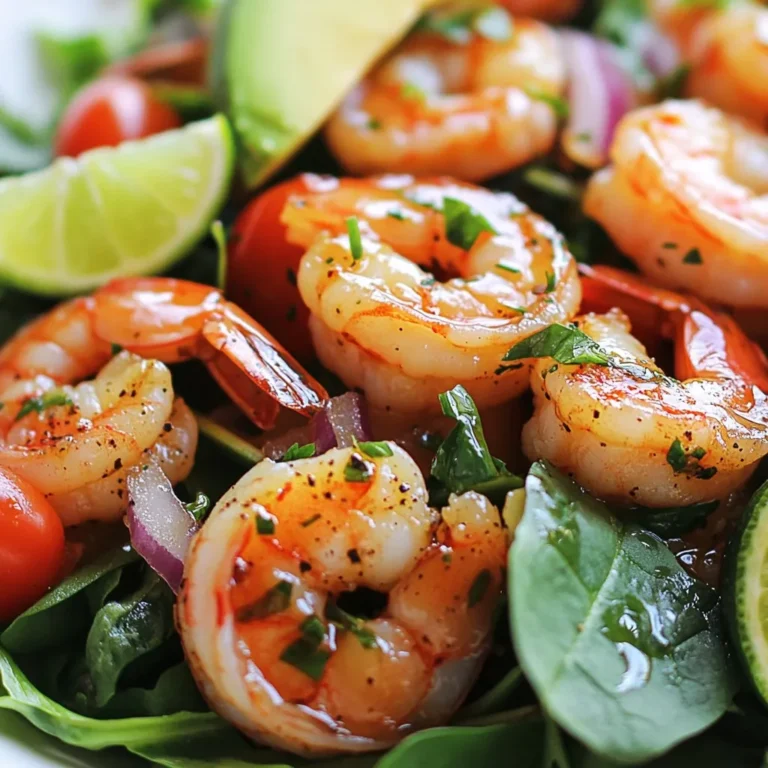
- 1 pound large shrimp, peeled and deveined - 2 tablespoons honey - 2 tablespoons fresh lime juice - 1 tablespoon olive oil - 1 teaspoon garlic powder - Salt and pepper to taste - Lime wedges for garnish - 5 cups mixed leafy greens - 1 avocado, sliced - 1 cup cherry tomatoes, halved - 1/2 red onion, thinly sliced - 1/4 cup fresh cilantro, chopped The first step to make this dish is gathering all your ingredients. You want fresh and high-quality shrimp for the best taste. I like to use large shrimp, as they provide a nice bite. You will also need honey and fresh lime juice. These two items blend well and add a sweet and tangy flavor to the shrimp. Olive oil helps the marinade coat the shrimp evenly. For seasoning, garlic powder gives depth to the shrimp. Don't forget salt and pepper! They enhance all the flavors. Now, let’s talk about the salad. I use a mix of greens like spinach, arugula, and romaine. This mix adds nice texture and taste. Avocado brings creaminess, while cherry tomatoes add color and sweetness. The red onion gives a mild crunch, and fresh cilantro adds a burst of flavor. You want lime wedges for garnish. They not only look pretty but also add a zesty kick to each bite. This is how you create a fresh and flavorful honey lime shrimp salad! {{ingredient_image_1}} First, I whisk together the marinade ingredients in a bowl. I use honey, fresh lime juice, olive oil, garlic powder, salt, and pepper. This mix smells great and adds flavor. Next, I coat the shrimp in the marinade. I toss them gently to make sure each shrimp is well covered. Then, I let them marinate for about 15 minutes. This step helps the shrimp soak up all the tasty goodness. While the shrimp marinate, I prepare the salad base. I take a large serving bowl and add the mixed leafy greens. I choose spinach, arugula, and romaine for a nice mix. Then, I add sliced avocado, halved cherry tomatoes, thinly sliced red onion, and chopped cilantro. I toss everything together gently. This way, all the flavors mix evenly and look colorful. Next, I heat a skillet over medium-high heat. I wait for it to get hot before adding the marinated shrimp. I cook them for about 2-3 minutes on each side. I watch for them to turn pink and opaque. This means they are done! I remove them from the skillet and let them cool slightly. Now, I add the cooked shrimp to the salad bowl. I drizzle any leftover marinade from the shrimp over the salad. This adds even more flavor. Finally, I serve the salad in individual bowls. I like to garnish each bowl with lime wedges for a zesty kick. This makes the dish look fresh and inviting! To choose fresh shrimp, look for bright colors and a mild scent. The shrimp should feel firm, not slimy. If you can, buy shrimp that is wild-caught. It often tastes better. Cook shrimp for about 2-3 minutes on each side. They should turn pink and opaque. This timing gives you the best texture. Avoid overcooking, as this makes shrimp rubbery. Try adding fresh herbs like basil or mint for extra flair. A pinch of red pepper flakes can bring some heat. You can also add a splash of soy sauce for depth. For greens, mix spinach, arugula, and romaine. These greens provide a nice crunch. They also balance the sweetness of the honey and lime. For plating, use a large bowl for a family-style look. Arrange the salad in layers for a colorful effect. Place the shrimp on top for a nice visual. Use lime wedges and fresh cilantro to garnish. This adds color and makes the dish pop. A sprinkle of sesame seeds can also add a nice touch. Pro Tips Marinate for Flavor: Allowing the shrimp to marinate for at least 15 minutes enhances the flavor, but don’t exceed 30 minutes as the acidity from the lime can start to "cook" the shrimp. Use Fresh Ingredients: Fresh lime juice and high-quality honey make a significant difference in the taste of the salad, elevating it from good to exceptional. Perfectly Cooked Shrimp: Cook shrimp just until they turn pink and opaque. Overcooking them can lead to a rubbery texture, so keep an eye on the cooking time. Customize the Greens: Feel free to experiment with different leafy greens or add other veggies like bell peppers or cucumbers for added texture and flavor. {{image_2}} You can change the shrimp to chicken or tofu. Both options work well. Use chicken breast for a lean protein. Tofu is great for a plant-based twist. For dressings, try a mango vinaigrette or a sesame dressing. Both add a unique taste. A spicy Sriracha dressing can also boost the flavor. Add tropical fruits like mango or pineapple for a fun spin. Their sweetness balances the tangy lime. You could also mix in some diced jalapeño for heat. Incorporate spices like cumin or smoked paprika for extra depth. These spices add warmth and a smoky flavor to your dish. To make this salad gluten-free, check your dressing. Most dressings are fine, but always read labels. For a vegan salad, swap shrimp for chickpeas or grilled corn. Both options add texture and flavor. Use maple syrup instead of honey for sweetness. Store your Honey Lime Shrimp Salad in an airtight container. This keeps it fresh longer. Use a glass or plastic container with a tight seal. Make sure to eat the salad within two days for the best taste. If you have leftover shrimp, reheat it gently. Use a skillet over low heat to warm it up. This avoids overcooking the shrimp. For the salad greens, skip reheating. Just add the warm shrimp to the fresh greens. You can freeze the shrimp, but it changes the texture. For best results, freeze shrimp before cooking. Use a freezer bag with the air pressed out. Avoid freezing the salad components. They do not hold up well in the freezer. You can store Honey Lime Shrimp Salad in the fridge for up to two days. Keep it in a sealed container. The shrimp may lose some texture over time. It’s best to eat it fresh. If you can, enjoy it the same day you make it. Yes, you can use frozen shrimp for this recipe. Make sure to thaw the shrimp first. Place them in cold water for about 15-20 minutes. After thawing, pat them dry before marinating. This helps the flavors stick better. Honey Lime Shrimp Salad pairs well with many sides. Here are a few ideas: - Rice or quinoa for a filling meal - Tortilla chips for a crunchy bite - A light soup for a warm option - Grilled vegetables for extra flavor Cooked shrimp will turn pink and opaque. This usually takes about 2-3 minutes on each side. The shrimp should curl slightly but not be tight. Overcooked shrimp can become rubbery, so keep an eye on them. This blog post shared how to make a tasty Honey Lime Shrimp Salad. We covered key ingredients, from shrimp to fresh greens. You learned the step-by-step method for marinating and cooking. Plus, you got tips to enhance flavors and make creative mixes. Store it well for future meals. Use the FAQs for common questions. I hope you feel ready to try this dish. Enjoy the flavors and make it your own!

Honey Lime Shrimp Salad Fresh and Flavorful Delight

Read More Honey Lime Shrimp Salad Fresh and Flavorful DelightContinue

- 1 lb ground chicken - 1 cup breadcrumbs - 1/4 cup grated Parmesan cheese - 1/4 cup fresh basil, chopped - 1 cup fresh mozzarella balls, halved For Caprese Chicken Meatballs, we start with ground chicken. This lean meat gives us a great base. The breadcrumbs help hold everything together. Parmesan cheese adds a salty and nutty flavor. Fresh basil brings that classic Caprese taste. Lastly, the mozzarella balls melt in the meatballs, making each bite creamy. - 1 teaspoon garlic powder - 1 teaspoon onion powder - 1/2 teaspoon salt - 1/2 teaspoon black pepper Now, let's talk about spices. Garlic powder adds depth, while onion powder gives sweetness. Salt enhances all the flavors, and black pepper adds a bit of heat. These spices create a well-rounded taste in the meatballs. - 1 tablespoon olive oil for frying - 1 cup marinara sauce - Fresh basil leaves for garnish For frying, olive oil works best. It helps create a nice, crispy crust. Marinara sauce is perfect for serving with the meatballs. Fresh basil leaves make a lovely garnish. They add a pop of color and flavor to your dish. For the Full Recipe, you can check the details above to see how these ingredients come together. To start, grab a large mixing bowl. Add 1 pound of ground chicken, 1 cup of breadcrumbs, and 1/4 cup of grated Parmesan cheese. Next, toss in 1/4 cup of chopped fresh basil, 1 teaspoon of garlic powder, 1 teaspoon of onion powder, 1/2 teaspoon of salt, and 1/2 teaspoon of black pepper. Use your hands or a spoon to mix until everything combines well. Now, gently fold in 1 cup of halved fresh mozzarella balls. Be careful not to break them. This adds a nice cheesy surprise in each meatball. Preheat a large skillet over medium heat. Add 1 tablespoon of olive oil to the skillet. Let it heat up for a minute. While the oil warms, take the chicken mixture and form meatballs. Aim for about 1.5 inches in diameter. This size cooks evenly and stays juicy. Once the skillet is hot, add the meatballs in batches. Do not overcrowd the pan. Cook for about 5-7 minutes, turning them occasionally. Look for a golden-brown crust and ensure the internal temperature reaches 165°F. After cooking, take the meatballs out and set them aside on a plate. In the same skillet, pour in 1 cup of marinara sauce. Heat the sauce until it simmers gently. Carefully return the meatballs to the skillet. Stir gently to coat them in the sauce. Let them cook for an additional 2-3 minutes. Serve the meatballs hot. Garnish with fresh basil leaves or an extra sprinkle of Parmesan if you like. This dish looks as good as it tastes! For the full recipe, check out the earlier section. To make great meatballs, you need to mix the ingredients well. I use my hands for the best result. This helps blend the chicken and spices evenly. Do not overmix, or the meatballs may become tough. For a golden-brown crust, preheat your skillet before adding oil. Use medium heat to cook the meatballs. Turn them gently to avoid breaking. Cook them until they reach 165°F inside. This ensures they are safe to eat. Caprese chicken meatballs taste great with a fresh side salad. You can also serve them with pasta or garlic bread. For a fun twist, try them on a sub roll. To present your dish well, arrange the meatballs on a nice plate. Drizzle some marinara sauce over them. Add fresh basil leaves for a pop of color. A sprinkle of Parmesan cheese can make it look even better. You can bake the meatballs instead of frying them. Preheat your oven to 400°F and place them on a lined baking sheet. Bake for about 20 minutes until they are cooked through. This method is healthier and easier to clean up. If you want to use a slow cooker, you can. Brown the meatballs in a skillet first, then transfer them to the slow cooker. Pour marinara sauce over them and cook on low for 4-6 hours. This makes the meatballs very tender and flavorful. For the full recipe, check out the Caprese Chicken Meatballs section above. {{image_2}} You can easily change the protein in this recipe. Try ground turkey or beef instead of chicken. Both work well and add a different taste. If you want a dairy-free option, replace the cheese with a dairy-free alternative. You can find many tasty substitutes at your local store. Add fresh herbs like oregano or thyme for more flavor. You can also use spices like red pepper flakes for a kick. If you love sauces, try different ones. Barbecue sauce or pesto can bring a fun twist to your meatballs. Don’t be afraid to experiment! Transform your meatballs into a fun sub. Just add them to a fresh hoagie roll with extra sauce. Top with more cheese and fresh basil for a treat. You can also serve them as an appetizer. Arrange the meatballs on a platter, drizzle with sauce, and garnish with basil leaves. They’ll look great and taste amazing! For the full recipe, check out the Caprese Chicken Meatballs section above. Store leftover Caprese chicken meatballs in an airtight container. This keeps them fresh. Place them in the fridge within two hours of cooking. To reheat, use a microwave or stovetop. Heat them until they are hot all the way through. This usually takes about 2-3 minutes in the microwave. Stir halfway to avoid cold spots. You can freeze meatballs both before and after cooking. If freezing raw, shape the meatballs and place them on a baking sheet. Freeze until solid, then transfer them to a freezer bag. For cooked meatballs, let them cool first. Then, put them in a freezer-safe container. To thaw, move the meatballs from the freezer to the fridge for several hours. If you're in a hurry, use the microwave. Just make sure to check the meatballs often as they thaw. Refrigerated meatballs last about 3-4 days. For frozen meatballs, they can stay good for up to 3 months. Always label the containers with dates. This helps you keep track of how long they have been stored. What are Caprese Chicken Meatballs? Caprese Chicken Meatballs mix ground chicken with fresh basil, mozzarella, and Parmesan. They are juicy, flavorful, and inspired by the classic Caprese salad. You get a burst of Italian taste in every bite. Can I make this recipe ahead of time? Yes, you can make the meatballs ahead of time. Form the meatballs and store them in the fridge for up to a day. You can also freeze them for later use. Just cook them straight from the freezer when you are ready to enjoy. What's the best temperature to cook chicken meatballs? Cook chicken meatballs at 375°F. This helps them cook evenly and get that golden-brown crust. Use a thermometer to check that they reach an internal temperature of 165°F. How can I tell if the meatballs are done? Check the meatballs for a golden color on the outside. Use a meat thermometer to ensure they reach 165°F inside. If you cut one open, the meat should be white with no pink. What is the calorie count per serving? Each serving of Caprese Chicken Meatballs has about 300 calories. This may vary based on portion size and how much sauce you use. Is this recipe suitable for meal prep? Yes, this recipe is great for meal prep! The meatballs store well in the fridge or freezer. You can pair them with pasta, salad, or veggies for easy meals throughout the week. You can find the full recipe at the beginning of this article. In this post, we explored how to make delicious Caprese Chicken Meatballs. We covered key ingredients, including ground chicken, breadcrumbs, and fresh basil. You learned step-by-step instructions for mixing, cooking, and serving these meatballs. Tips and tricks helped you perfect your dish, while variations showed different protein options available. Use the storage info to keep your leftovers fresh. Now, you can enjoy flavorful meatballs anytime!

Caprese Chicken Meatballs Delicious and Easy Recipe

Read More Caprese Chicken Meatballs Delicious and Easy RecipeContinue

- 1 pound ground turkey - 1/2 cup whole wheat breadcrumbs - 1/4 cup grated Parmesan cheese - 1/4 cup fresh parsley, finely chopped - 1/4 cup red onion, finely chopped - 2 cloves garlic, minced - 1 tablespoon dried oregano - 1 teaspoon salt - 1/2 teaspoon black pepper - 1/4 cup crumbled feta cheese - 1 large egg - 1 tablespoon olive oil (for cooking) - Extra feta cheese - Sautéed red onion and parsley When I make these Greek turkey meatballs, I always start with fresh ingredients. Ground turkey keeps the meatballs light and healthy. Whole wheat breadcrumbs add a nice texture. I love using grated Parmesan cheese for a salty bite. The fresh parsley and red onion brighten the dish. Garlic is a must; it adds rich flavor. For the seasonings, dried oregano brings that classic Greek taste. Salt and black pepper balance everything out. Feta cheese adds creaminess and tang. The egg helps bind the meatballs. I always use olive oil for cooking; it adds depth and richness. Sometimes, I like to garnish my meatballs with extra feta and sautéed onions. It looks great and tastes even better. Explore the Full Recipe for all the steps to make these delicious meatballs! - Preheat the oven to 400°F (200°C). - Prepare the baking sheet with parchment paper. - In a large bowl, combine ground turkey, breadcrumbs, Parmesan cheese, parsley, red onion, minced garlic, oregano, salt, and pepper. - Add the crumbled feta cheese and the egg to the mixture. Mix gently without overmixing. - Shape the mixture into 1.5-inch meatballs. - Place the meatballs on the prepared baking sheet. - Bake for 20-25 minutes until cooked through and lightly browned. I love how easy and fun this recipe is. The steps are simple, making it perfect for anyone. You don’t need fancy tools—just your hands and a baking sheet. For more detailed cooking instructions, check the Full Recipe. Enjoy the cooking and the great taste of these Greek turkey meatballs! To make sure your meatballs turn out great, avoid overmixing. When you mix the ingredients, do it gently. Use your hands and combine until just mixed. Overmixing can make them tough. For even cooking, make all meatballs the same size. Aim for about 1.5 inches. This way, they will cook at the same rate. Place them on a baking sheet with space in between. This helps hot air circulate and cook them evenly. To amp up the flavor, try adding spices like cumin or paprika. Fresh herbs like dill or mint can give a nice twist. These will make your meatballs pop with flavor. You can also add lemon zest for a bright taste. A splash of lemon juice before serving can enhance the Greek flavor. These tweaks will make your Greek turkey meatballs even more special. For a nice presentation, serve the meatballs on a bed of Greek salad. Drizzle with lemon-tahini sauce for extra flair. Garnish with more parsley and feta cheese for color. Consider pairing them with sides like rice or pita bread. Roasted vegetables also work well. These options will make your meal balanced and delicious. For the full recipe, check out the Mediterranean Delight: Greek Turkey Meatballs. {{image_2}} You can change ingredients to suit your taste. If you want, use lean beef or chicken instead of turkey. Both options still taste great and keep the dish flavorful. You can also swap out the feta cheese for goat cheese. Goat cheese adds a tangy twist, making your meatballs unique. If you need gluten-free options, use gluten-free breadcrumbs instead of regular ones. These can be found in most grocery stores. You can also add ground oats for a similar texture. Make sure to check all other ingredients for gluten. This way, everyone can enjoy the dish. You can cook meatballs in different ways. For a crispy finish, try using an air fryer. Set it to 375°F (190°C) and cook for about 15 minutes, flipping halfway through. This method gives you a nice crunch. If you prefer the stovetop, heat some olive oil in a pan. Cook the meatballs over medium heat for about 10 minutes, turning often. This will give them a lovely golden color. If you want to see the full recipe, check out the Mediterranean Delight: Greek Turkey Meatballs. After you make Greek turkey meatballs, store any leftovers in the fridge. Place them in an airtight container. This keeps them fresh and tasty. The best time to eat them is within 3 to 4 days. Always check for any signs of spoilage before eating. If they smell off or look strange, toss them out. You can freeze cooked meatballs for later use. First, let them cool completely. Then, place them in a single layer on a baking sheet. Freeze them for about 1 hour. After they are firm, transfer them to a freezer-safe bag. Squeeze out as much air as possible. They can stay frozen for up to 3 months. To enjoy them again, thaw them overnight in the fridge. Reheat in the oven or on the stove until hot. Greek turkey meatballs are great for meal prep. You can make a big batch and use them in different meals. Try adding them to a salad with fresh veggies. Or, pair them with whole wheat pasta and a light sauce. You can also serve them in a pita with tzatziki for a quick lunch. The options are endless and tasty! Check out the Full Recipe for more ideas. You can tell if the meatballs are done in a couple of ways. First, look for a nice brown color on the outside. Second, check the internal temperature. It should reach 165°F (74°C). A meat thermometer is a great tool for this. If you don’t have one, cut a meatball in half. The inside should no longer be pink. Yes, you can make Greek turkey meatballs ahead of time. Simply prepare the meatballs as directed. You can store them in the fridge for up to 24 hours before cooking. For longer storage, freeze them. Place raw meatballs on a baking sheet to freeze them first. Once frozen, you can move them to a bag. They will last for up to three months. Greek turkey meatballs pair well with many sides. Here are some tasty options: - Greek salad with cucumbers and tomatoes - Rice pilaf with herbs - Pita bread with tzatziki sauce - Roasted vegetables like zucchini and bell peppers Each side adds a fresh flavor to your meal and enhances the overall taste. Turkey is a great protein source. It is low in fat and high in protein. This makes it a healthy choice for meatballs. One serving of turkey meatballs can provide about 25 grams of protein. Turkey also has vitamins like B6 and niacin. These help with energy and support the immune system. Plus, using ground turkey can help lower calories compared to beef. For a complete guide, check the Full Recipe for more insights! These Greek turkey meatballs combine flavor and health in every bite. We explored the key ingredients, from ground turkey to feta cheese, and went through steps to make them perfect. I shared tips for adding flavor and variations if you want to switch things up. Proper storage keeps these meatballs fresh for later. Now, you can create a tasty dish that fits your diet and impresses your guests. Enjoy making these meatballs as a fun and healthy meal option!

Greek Turkey Meatballs Tasty and Healthy Recipe

Read More Greek Turkey Meatballs Tasty and Healthy RecipeContinue

To make honey garlic turkey meatballs, you need a few simple ingredients. These items will create a tasty meal that is easy to prepare. - 1 pound ground turkey - 1/2 cup breadcrumbs - 1/4 cup grated Parmesan cheese - 2 garlic cloves, minced - 1 tablespoon fresh ginger, grated - 1 large egg - 3 tablespoons honey - 3 tablespoons soy sauce (or tamari for a gluten-free option) - 1 tablespoon sesame oil - 1/2 teaspoon black pepper - 1/4 teaspoon salt - 1 tablespoon fresh cilantro, chopped (for garnish) - 1 tablespoon sesame seeds (for garnish) This mix of ingredients brings rich flavors. Ground turkey is lean and tasty. Breadcrumbs add texture, while Parmesan cheese gives a nice salty touch. Garlic and ginger bring warmth and spice. The egg helps hold everything together. Honey and soy sauce create that sweet and savory sauce we love. Sesame oil adds a nutty hint, and the garnishes brighten the dish. This recipe is easy to follow and perfect for any meal. You can find the full recipe [here](Full Recipe). 1. First, preheat your oven to 400°F (200°C). This helps the meatballs cook evenly. 2. Next, line a baking sheet with parchment paper. This makes for easy cleanup later. 3. In a large bowl, combine the ground turkey, breadcrumbs, grated Parmesan, minced garlic, grated ginger, egg, black pepper, and salt. Mix gently until everything is just combined. 4. Using your hands, form the mixture into meatballs. Aim for about 1 to 1.5 inches in diameter. Place them on the prepared baking sheet. 1. In a small bowl, whisk together the honey, soy sauce, and sesame oil. This will be your tasty honey garlic sauce. 2. Brush or drizzle half of the honey garlic sauce over the meatballs. Ensure each meatball gets a good coat. 1. Now, bake the meatballs in the oven for 15 minutes. This helps them cook through. 2. After 15 minutes, take the meatballs out. Drizzle the remaining honey garlic sauce over them. 3. Return the meatballs to the oven for another 10 minutes. They should be golden brown and fully cooked. 4. Once done, remove the meatballs from the oven. Let them rest for a few minutes. 5. Before serving, garnish with chopped cilantro and sprinkle sesame seeds on top for a nice touch. For the full experience of these flavors, check out the Full Recipe. Enjoy your cooking! Choosing the right ground turkey is key. Use lean ground turkey for juicy meatballs. Look for a blend that is 93% lean or higher. This gives a nice balance of flavor and moisture. Mixing techniques matter too. Use your hands, but don’t overmix. Overmixing can make the meatballs tough. Just mix until all the ingredients hold together. This keeps them light and tender. Ensure even cooking by placing meatballs apart on the baking sheet. This allows heat to flow around each one. You can also turn them halfway through baking for a nice brown color all over. Adjusting sweetness and saltiness can enhance your dish. If you like it sweeter, add more honey. For more salt, increase the soy sauce. Taste as you go to get it just right. Try alternative sauces for a twist. You can use teriyaki sauce for a richer taste. Or mix in some sriracha for a spicy kick. These changes can make the meatballs feel new and exciting. Using gluten-free substitutes is easy. Swap regular soy sauce with tamari. This keeps all the great flavor while making it gluten-free. Plus, you can use gluten-free breadcrumbs for the same tasty meatballs. For the full recipe, check the earlier section of this article. {{image_2}} You can easily swap turkey for other meats. Chicken and beef work well in this recipe. They both give great flavor. Just keep the cooking times in mind. If you want a vegetarian option, try plant-based meatballs. They are tasty and healthy. Use lentils or chickpeas as the base. You can also find many brands ready to cook. Experiment with herbs for different flavors. Add basil, parsley, or oregano to mix it up. Each herb brings a new taste to the dish. The air fryer is a quick way to cook these meatballs. Set it to 375°F (190°C). Cook for about 12 minutes, turning halfway. This gives them a nice crispy outside. You can also use a slow cooker. Place the meatballs in the cooker and pour the honey garlic sauce over them. Cook on low for 4 hours. The meatballs will be juicy and full of flavor. Grilling adds a smoky taste. Preheat your grill and cook for about 10 minutes. Turn them often to avoid burning. This method gives a nice char and enhances the flavor even more. For the full recipe, check out the complete guide above. Store your leftover honey garlic turkey meatballs in the fridge. Use an airtight container to keep them fresh. They can last for about 3 to 4 days in the refrigerator. When you want to eat them, simply reheat in the microwave or warm them on the stove. You can freeze these meatballs for later use. Let them cool completely after cooking. Place them in a single layer on a baking sheet. Freeze for about an hour until firm. Then, transfer the meatballs to a freezer-safe bag or container. Label the bag with the date. They should stay good for about 3 months. When you want to enjoy them, take out the meatballs and let them thaw in the fridge overnight. For reheating, you can bake them in the oven at 350°F (175°C) for about 15 minutes. This will help them stay juicy and flavorful. For more details and the full recipe, check out the entire guide! How do I know when turkey meatballs are cooked? Turkey meatballs are done when they reach an internal temperature of 165°F (74°C). Use a meat thermometer to check. The outside should also be golden brown for best taste. Can I make honey garlic turkey meatballs ahead of time? Yes, you can prepare the meatballs ahead of time. Shape them and store them in the fridge for up to 24 hours. This saves time on busy days. What can I serve with honey garlic turkey meatballs? These meatballs pair well with jasmine rice, steamed veggies, or a fresh salad. You can also serve them as appetizers with toothpicks. Is this recipe suitable for meal prep? Absolutely! The meatballs store well in airtight containers. They can last in the fridge for 3 to 4 days, making them perfect for meal prep. Can I substitute honey for another sweetener? Yes, you can use maple syrup or agave nectar. They will give a similar sweetness without the honey flavor. How can I make these meatballs spicier? Add red pepper flakes or sriracha to the meatball mix. You can also drizzle hot sauce over the meatballs before serving for an extra kick. In this post, I shared a simple recipe for honey garlic turkey meatballs. We covered the key ingredients, from ground turkey to delicious sauce options. You learned how to prepare, bake, and store your meatballs. With tips on perfecting texture and flavor, plus variations for all diets, you can make this dish your own. Enjoy making these meatballs and impress your family with your cooking skills!

Honey Garlic Turkey Meatballs Flavorful and Easy Recipe

Read More Honey Garlic Turkey Meatballs Flavorful and Easy RecipeContinue

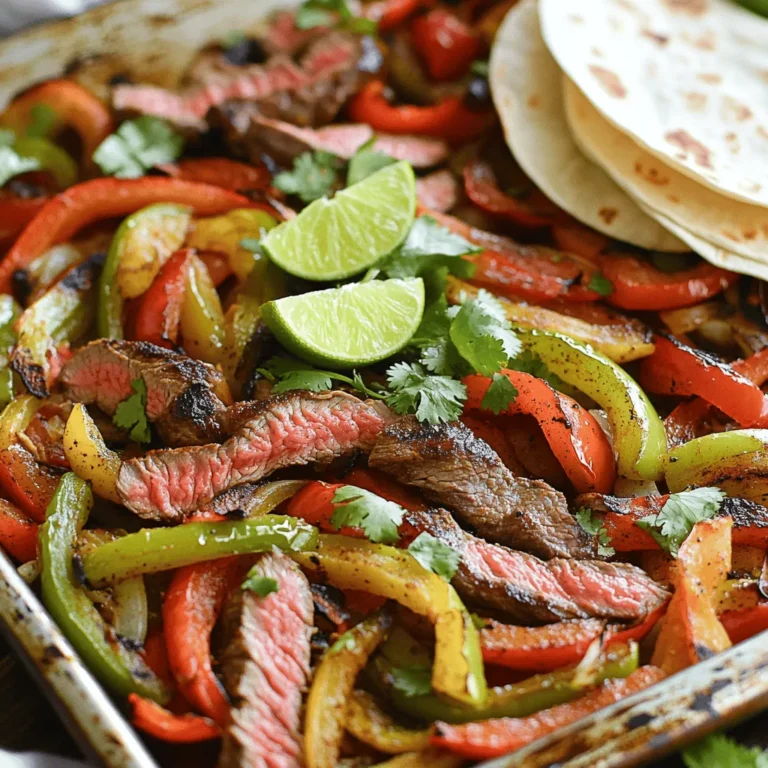
- 1.5 lbs flank steak, sliced into thin strips - 2 bell peppers (one red, one green), sliced - 1 large onion, sliced Flank steak gives this dish a rich flavor. The bell peppers add color and sweetness. The onion brings a nice depth to the mix. - 2 tablespoons olive oil - 2 teaspoons chili powder - 1 teaspoon ground cumin - 1 teaspoon smoked paprika - 1/2 teaspoon garlic powder - 1/2 teaspoon onion powder - Salt and pepper to taste - Juice of 1 lime The olive oil helps the spices stick. Chili powder adds heat, while cumin and paprika give a smoky flavor. Garlic and onion powder enhance the savory notes. A squeeze of lime brightens everything up! - Fresh cilantro, chopped (for garnish) - Warm tortillas (for serving) - Toppings (sour cream, guacamole, salsa) Cilantro adds freshness and color. Serving on warm tortillas makes it fun to eat. You can add toppings like sour cream and guacamole for extra creaminess. For the full recipe, check out the detailed instructions. First, preheat your oven to 450°F (232°C). This high heat gives a nice char to the veggies and steak. While the oven heats, line your large baking sheet with parchment paper. This will help with cleanup later. In a big bowl, combine the sliced flank steak, bell peppers, and onion. Pour in the olive oil. Next, add chili powder, ground cumin, smoked paprika, garlic powder, onion powder, salt, and pepper. Toss everything well so the meat and veggies are coated with the spices. This step is key for flavor! Spread the mixture evenly on the prepared baking sheet. Make sure to keep it in a single layer. This helps everything cook evenly. Roast in the oven for 20-25 minutes. Stir the mixture halfway through cooking for even browning. When done, the steak should be cooked to your liking, and the veggies should be tender and slightly charred. Remove the pan from the oven. Squeeze fresh lime juice over the top for a bright finish. Adjust the seasoning with more salt or lime juice if needed. Don't forget to garnish with chopped cilantro before serving! Serve warm with tortillas and your favorite toppings. You can find the full recipe for these delicious fajitas above. For juicy steak, aim for an internal temperature of 130°F (54°C) for medium-rare. Let the steak rest for about five minutes after cooking. This keeps the juices inside, making it more tender. If you prefer medium, cook it to 140°F (60°C). Use a meat thermometer for accuracy. Choose vibrant bell peppers and sweet onions for the best taste. Slice them into even pieces to ensure they cook at the same rate. Thin strips work best for quick roasting. You can add zucchini or mushrooms for extra flavor. Just make sure to cut them similarly to your other veggies. To switch things up, consider adding a marinade. Mix olive oil, lime juice, and spices for a tangy soak. Let the steak marinate for at least 30 minutes. If you want a kick, add cayenne pepper or jalapeños. Experiment with different herbs like oregano or thyme for unique flavor notes. For more details on the complete recipe, check out the Full Recipe. {{image_2}} You can switch out flank steak for other proteins. Chicken works well and cooks quickly. Shrimp adds a nice seafood twist. If you're looking for a plant-based option, tofu is great too. Just remember to press the tofu to remove excess water. This helps it absorb the flavors better. Adjust cooking times based on the protein you choose. Chicken and shrimp cook faster than steak. Adding seasonal veggies or fruits brightens up your fajitas. Pineapple brings a sweet touch that balances the spice. Zucchini adds a nice crunch and absorbs flavors well. Get creative! You can mix in corn or mushrooms for extra texture. Think about what’s fresh at your local market. Each season offers unique options that can enhance this dish. You can easily change the spice level in your fajitas. If you like it mild, reduce the chili powder. You can also skip the smoked paprika. For more heat, add diced jalapeños or cayenne pepper. Taste as you go! This way, you can adjust the flavors to match your preference. Remember, it’s all about what you enjoy. After enjoying your sheet pan steak fajitas, let any leftovers cool. Place them in airtight containers. This keeps your fajitas fresh. You can store them in the fridge for up to three days. If you want to keep them longer, consider freezing. Just remember to label the container with the date. When it’s time to eat your leftovers, reheating is key. Use the oven for the best results. Preheat your oven to 350°F (177°C). Place the fajitas on a baking sheet. Cover them with foil to keep moisture in. Heat for about 10 to 15 minutes, or until warm. This keeps the steak tender and the veggies crisp. You can also use a microwave, but the oven works better for texture. To freeze your fajitas, first let them cool completely. Pack them in freezer-safe bags. Squeeze out as much air as you can before sealing. You can freeze them for up to three months. When ready to eat, thaw them overnight in the fridge. Reheat using the oven for the best taste. This way, you can enjoy this meal anytime! For the full recipe, check out the detailed instructions above. You can use frozen steak, but fresh is best. Frozen steak takes longer to cook. Thaw it first for even cooking. If you cook it frozen, add extra time. This may change the texture, making it less tender. For the best results, I suggest using fresh flank steak. There are many great sides to pair with fajitas. Here are some ideas: - Mexican rice - Black beans - Refried beans - Corn salad - Guacamole - Salsa - Sour cream These sides add flavor and texture. You can mix and match to suit your taste. You can easily adapt this dish. For gluten-free fajitas, use corn tortillas. If you want a dairy-free option, skip the sour cream and cheese. You can also use oil instead of butter for cooking. If you need a low-carb option, serve it with lettuce wraps instead of tortillas. These tips help you enjoy fajitas no matter your dietary needs. For the full recipe, check the main article. You can create delicious sheet pan steak fajitas with simple ingredients and steps. We covered the main ingredients, key seasonings, and ways to serve this dish. Remember to cook the steak just right and choose veggies that add flavor. I shared tips for variations, storage, and reheating, so you can enjoy these fajitas anytime. Try using different proteins or spices to make them your own. Now, gather your ingredients and get cooking! Your tasty fajitas await!

Sheet Pan Steak Fajitas Flavorful and Easy Meal

Read More Sheet Pan Steak Fajitas Flavorful and Easy MealContinue

- 2 ribeye steaks (1-inch thick) - 4 tablespoons unsalted butter - 2 tablespoons Cajun seasoning - 3 cloves garlic, minced - 1 teaspoon smoked paprika - Salt and pepper to taste - Fresh parsley, chopped (for garnish) - Lemon wedges (for serving) When I cook Cajun butter steak, I love using fresh ingredients. Ribeye steaks are my favorite for their rich flavor and tenderness. You want them to be about one inch thick so they cook evenly. Next, I use unsalted butter. It melts beautifully, adding a rich, creamy taste. Cajun seasoning wakes up the flavors with a spicy kick. You can adjust the amount based on your heat preference. For the add-ons, minced garlic gives a wonderful aroma. Smoked paprika adds depth and a hint of smokiness. I always season the steaks with salt and pepper. It helps balance the flavors. To finish, I chop fresh parsley for a pop of color. A squeeze of lemon juice brightens the dish and adds freshness. You can find the full recipe [here](#). Enjoy using these ingredients to create a flavorful and juicy dish! Start by taking the ribeye steaks out of the fridge. Let them sit at room temperature for about 30 minutes. This helps the meat cook evenly. While they rest, you should preheat your grill or a cast-iron skillet on medium-high heat. A hot cooking surface will give your steaks a nice crust. Now, pat the steaks dry with paper towels. This step is key for a good sear. Next, rub salt, pepper, and Cajun seasoning on both sides of the steaks. Make sure they are well-coated for the best flavor. Add 2 tablespoons of butter to your skillet or grill. Let it melt and get slightly browned for extra taste. Place the seasoned steaks on the hot surface. Cook them for about 4-5 minutes on one side. This will create a nice crust. Flip the steaks over and add the remaining 2 tablespoons of butter. Also, sprinkle the minced garlic and smoked paprika on top. Continue cooking for another 4-5 minutes. Spoon the melted garlic butter over the steaks often. Aim for a temperature of 130°F for medium-rare. Once the steaks are done, take them off the grill or skillet. Let them rest for about 5 minutes on a cutting board. This resting time helps keep the juices inside the meat. Slice the steaks against the grain. Drizzle the garlicky Cajun butter from the skillet over the slices. Finally, sprinkle chopped parsley on top for color and flavor. Serve with lemon wedges for a zesty kick. For the complete recipe, refer to the Full Recipe section. To check steak temperature, use a meat thermometer. Insert it into the thickest part of the steak. This gives the most accurate reading. Here are the recommended doneness levels: - Rare: 120°F - 125°F - Medium Rare: 130°F - 135°F - Medium: 140°F - 145°F - Medium Well: 150°F - 155°F - Well Done: 160°F and above Aim for medium-rare for the best flavor and juiciness. Cajun seasoning can vary. You can find blends with more heat or herbs. Feel free to mix your own. Add paprika, onion powder, or cayenne for extra kick. When browning the butter, heat it slowly. Watch for the golden color and a nutty aroma. This adds depth to your dish. For serving, place the steak on a warm plate. This keeps it hot longer. You can slice the steak for easier eating. Garnish with fresh parsley for a pop of color. Add lemon wedges on the side for a zesty touch. These simple moves make your meal look and taste gourmet. For the complete experience, check the Full Recipe. {{image_2}} You can use different cuts of meat for your Cajun butter steak. Ribeye is great, but you can try sirloin, filet mignon, or T-bone. Each cut has its unique taste and texture. - Sirloin: This cut is leaner but still juicy. Cook for 3-4 minutes per side. - Filet Mignon: Very tender, it cooks quickly. Aim for 2-3 minutes per side. - T-bone: A mix of tenderloin and strip steak. Cook for about 4-5 minutes per side. Cooking times vary based on thickness and how you like your steak. Always check the internal temperature to ensure it’s safe and delicious. You can adjust the spice level of your Cajun butter steak to fit your taste. If you want more heat, add extra Cajun seasoning. If you prefer less spice, cut back on it. You can also mix in other spices. Try adding: - Cayenne pepper for extra heat. - Paprika for a smoky flavor. - Thyme or oregano for herbal notes. Experiment with these spices to create a unique flavor profile. Adding vegetables can enhance your dish. Grilled vegetables like bell peppers, zucchini, or asparagus pair well with the steak. You can also add sauces and sides. Think about these options: - Creamy mashed potatoes for a comforting side. - Garlic bread for a crunchy texture. - A fresh salad to add a light touch. These additions make your meal more balanced and exciting. For the full recipe, check out the Cajun butter steak steps above. To store leftover Cajun Butter Steak, let it cool first. Then, place it in an airtight container. This helps keep the steak fresh for up to three days. If you want to enjoy its full flavor, reheat it gently. Use a skillet or the microwave on low power. If you want to freeze cooked steak, wrap each piece in plastic wrap. Then, put it in a freezer-safe bag. This way, it can last up to three months. When you're ready to eat, thaw the steak in the fridge overnight. For best texture and flavor, reheat it in a skillet. This keeps it juicy and tasty. Enjoy your Cajun Butter Steak anytime with these storage tips! To get a great sear, start with a hot grill or skillet. Here are some key tips: - Use a cast-iron skillet or a grill for best results. - Pat your steaks dry to remove moisture. - Season the steaks right before cooking. - Avoid overcrowding the pan or grill. - Cook without moving the steak for a few minutes. This helps form a nice crust. Flip the steak only once. You want to hear that sizzle! Yes, you can adapt the Cajun butter for chicken or seafood. - For chicken, use the same Cajun butter mix. Cook until the chicken reaches 165°F. - For seafood like shrimp or fish, reduce cooking time. Seafood cooks fast! Just remember to adjust the cooking time based on the protein you choose. Cajun Butter Steak goes well with many sides. Here are my favorites: - Garlic mashed potatoes - Grilled corn on the cob - Sautéed green beans - Coleslaw for a crunchy contrast - A fresh garden salad for balance These sides enhance the steak's bold flavors and make a complete meal. Cooking time for a ribeye varies by preference: - Rare: 3-4 minutes per side (120°F) - Medium-rare: 4-5 minutes per side (130°F) - Medium: 5-6 minutes per side (140°F) - Medium-well: 6-7 minutes per side (150°F) - Well-done: 8-9 minutes per side (160°F) Always let the steak rest after cooking. This keeps it juicy and flavorful. For the full recipe, check out the detailed cooking steps above. You now have a flavorful Cajun Butter Steak recipe. We explored key ingredients, cooking steps, and tips for perfect doneness. Remember to adjust the spice level to suit your taste. Try adding different cuts, vegetables, or sauces for variety. Proper storage keeps leftovers fresh for later. This dish is simple to prepare and sure to impress. Enjoy your cooking adventure with this tasty recipe!

Cajun Butter Steak Flavorful and Juicy Dish

Read More Cajun Butter Steak Flavorful and Juicy DishContinue

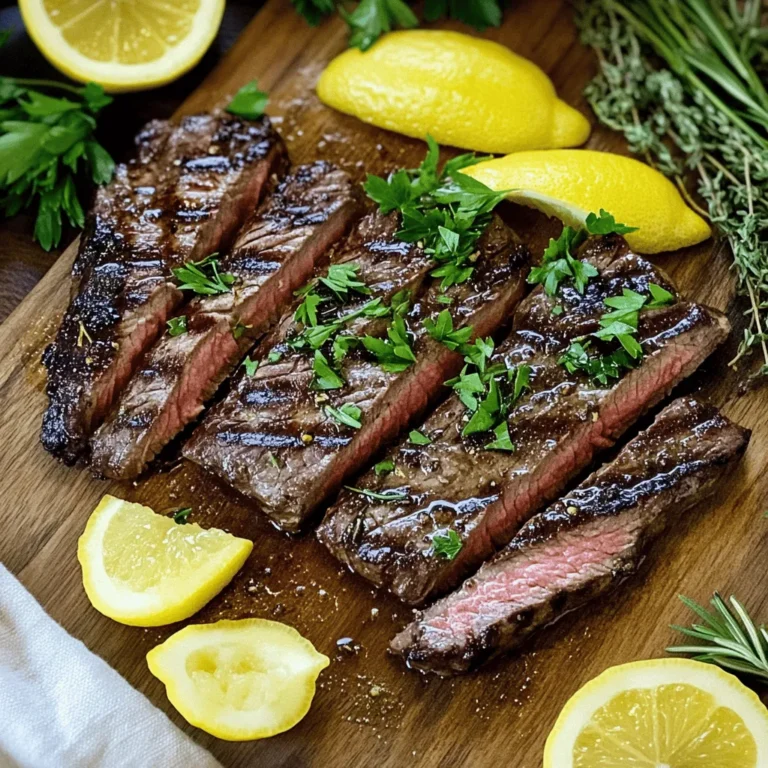
- Ribeye steaks - Olive oil - Fresh herbs - Lemon juice and zest - Garlic - Salt and pepper For a great Lemon Herb Grilled Steak, you need simple, fresh ingredients. Start with ribeye steaks. They are juicy and flavorful. Olive oil adds richness to the dish. Fresh herbs like rosemary, thyme, and oregano bring bright flavors. Lemon juice and zest give a tangy kick. Garlic adds depth. Finally, salt and pepper enhance all these flavors. - Other cuts of steak - Marinade flavor enhancers - Additions for garnish You can use other cuts of steak if you prefer. Flank or sirloin also works well. Marinade flavor enhancers like soy sauce or honey can add a twist. Fresh herbs make great garnishes. Try sprigs of parsley or slices of lemon for a nice touch. These options can elevate your dish even more. To make the marinade, grab a medium bowl. In this bowl, combine the olive oil, lemon zest, lemon juice, minced garlic, chopped rosemary, thyme, oregano, salt, and pepper. Whisk these ingredients together until they blend well. The olive oil gives richness. The lemon adds zest and bright flavor. Fresh herbs bring a nice aroma. This mix creates a tasty marinade that will soak into the steak. Place your ribeye steaks in a resealable plastic bag or a shallow dish. Pour the marinade over the steaks, ensuring they are well coated. Seal the bag or cover the dish. Let the steaks marinate in the fridge for at least 1 hour. For even better flavor, let them marinate for up to 4 hours. Refrigeration helps keep the meat safe while it absorbs those delicious flavors. Before grilling, preheat your grill to medium-high heat, about 400°F (200°C). This step is key for a good sear. After marinating, take the steaks out and let any excess marinade drip off. Discard the leftover marinade. Place the steaks on the grill. Cook for about 4-5 minutes on one side until you see a nice crust. Flip the steaks and grill for another 4-5 minutes for medium-rare or until they reach your preferred doneness. After grilling, let the steaks rest for 5 minutes. This step allows the juices to settle, making each bite tender and juicy. To get the best grill marks, heat your grill to medium-high. This makes a crusty exterior. Place the steak on the grill at a 45-degree angle. Cook for about 4 to 5 minutes without moving it. This allows the grill to sear the meat. After that, flip the steak and repeat. You can also rotate the steak halfway through cooking for perfect crosshatch marks. Using fresh herbs adds a lot of flavor. Try adding basil or cilantro to the marinade. You can also mix in a teaspoon of smoked paprika for a hint of smokiness. If you want to try a different marinade, mix soy sauce, honey, and ginger for an Asian twist. Let your creativity shine with flavors you love. Pair your Lemon Herb Grilled Steak with fresh sides. Roasted vegetables or a crisp salad work well. A baked potato adds heartiness. For drinks, a glass of red wine like Cabernet Sauvignon complements the steak's richness. These choices enhance the meal and make it more enjoyable. For further details, check out the Full Recipe. {{image_2}} You can use other cuts of steak for this recipe. Ribeye is rich and tender, but try these options too: - Sirloin: Less fatty and lean, but still tasty. - Flank: Great for marinating, it’s flavorful and works well for grilling. - T-bone: A classic choice with great texture and taste. - Skirt: Thin and perfect for quick cooking; it absorbs flavors well. Choose any of these cuts based on your taste and budget. If you want a plant-based meal, try these options: - Portobello mushrooms: Marinate and grill these big mushrooms for a meaty texture. - Tofu: Use firm tofu, press it to remove excess water, then marinate and grill. - Tempeh: This fermented soy product has a nutty flavor and grills nicely. - Cauliflower steaks: Cut cauliflower into thick slices, marinate, and grill until tender. These alternatives provide great flavor and fit well with the marinade. You can change the recipe with seasonal ingredients. In spring, add fresh asparagus or artichokes. Summer calls for zucchini or bell peppers. In fall, try pumpkin or butternut squash. Winter is great for hearty greens like kale or Brussels sprouts. Use these seasonal veggies to add color and nutrition to your dish. Grilling brings out their natural sweetness. To keep your Lemon Herb Grilled Steak fresh, store it right. Place leftover steak in an airtight container. Ensure the steak cools to room temperature first. Then, refrigerate it within two hours to prevent bacteria growth. It stays fresh for up to three days in the fridge. When ready to eat, check for any off smells or changes in color. When reheating, aim to keep the steak juicy. You can use an oven, stovetop, or microwave. For the oven, set it to 250°F (120°C). Place the steak on a baking sheet and cover it with foil. Heat for about 20 minutes. This method helps maintain flavor and texture. On the stovetop, heat a skillet over low heat. Add a tiny bit of oil, then warm the steak for a few minutes on each side. If you use the microwave, cover the steak with a damp paper towel. Heat in short bursts, checking often to avoid overcooking. If you want to keep the steak longer, freezing is a great option. Wrap each steak tightly in plastic wrap. Then, place it in a freezer bag or airtight container. This method helps avoid freezer burn. The steak can stay frozen for up to three months. When you're ready to cook, thaw it in the fridge overnight. Avoid thawing at room temperature to keep it safe. Once thawed, cook it right away for the best taste. For more details, check the Full Recipe. To check if your steak is done, use a meat thermometer. - For rare, the internal temperature should be 125°F (52°C). - For medium-rare, aim for 135°F (57°C). - For medium, look for 145°F (63°C). - For medium-well, target 150°F (65°C). - For well-done, go for 160°F (71°C). Insert the thermometer into the thickest part of the steak. This will help you avoid cutting into the meat too soon. Remember, the steak continues to cook after you take it off the grill. Yes, you can swap herbs based on your taste. - Basil adds a sweet flavor. - Cilantro gives a fresh touch. - Sage offers an earthy taste. Mixing different herbs can create unique flavors. Just remember to balance the herbs with lemon juice and olive oil for the best results. Pair your Lemon Herb Grilled Steak with sides that enhance its flavors. - Grilled vegetables like zucchini and bell peppers add color and nutrition. - A fresh salad with mixed greens and vinaigrette keeps it light. - Garlic mashed potatoes create a creamy contrast. For drinks, a glass of red wine like Cabernet Sauvignon complements the steak beautifully. Enjoy your meal! You now know how to create a delicious Lemon Herb Grilled Steak. We covered the essential ingredients, preparation, and grilling techniques. You learned tips for perfect grill marks and flavor enhancements to make your steak stand out. I also shared storage tips and options for variations, ensuring everyone can enjoy this dish. Remember, the key is in the marination and grilling methods. With practice, you'll impress your friends and family. Enjoy your cooking journey!

Lemon Herb Grilled Steak Flavorful and Simple Recipe

Read More Lemon Herb Grilled Steak Flavorful and Simple RecipeContinue

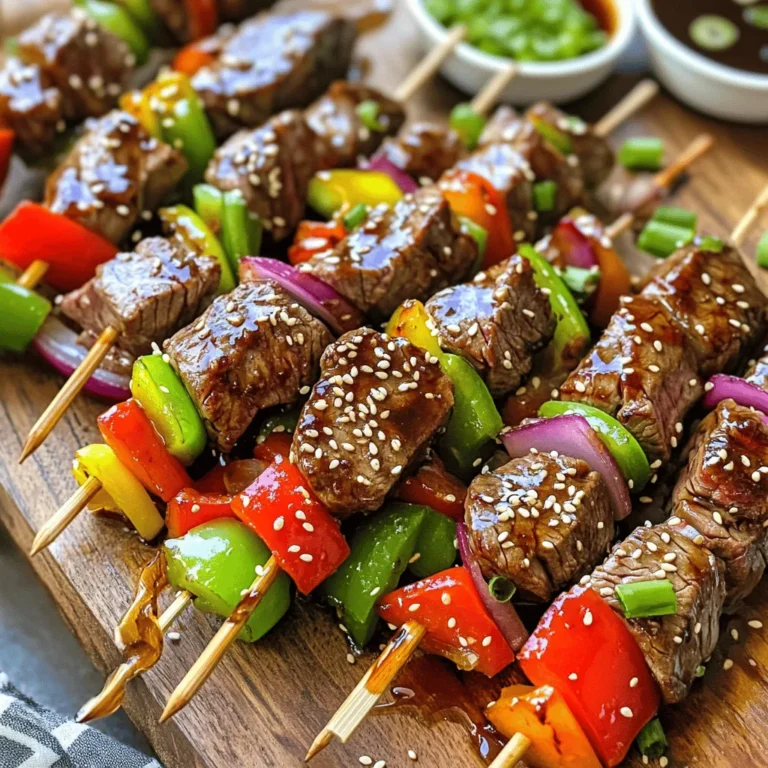
- 1 lb sirloin steak, cut into 1-inch cubes - 1/3 cup soy sauce - 1/4 cup honey The main ingredients bring a big flavor to your skewers. Sirloin steak is juicy and tender. Soy sauce adds saltiness and umami. Honey brings a touch of sweetness. Together, they create a great base for your teriyaki sauce. - 2 tablespoons sesame oil - 3 cloves garlic, minced - 1 inch ginger, grated - 1 tablespoon cornstarch (optional, for thicker sauce) The marinade ingredients enhance the beef's flavor. Sesame oil gives a nutty taste. Garlic adds depth, while ginger provides a fresh kick. If you want a thicker sauce, use cornstarch. It helps the sauce cling to the meat for more flavor. - 1 red bell pepper, cut into chunks - 1 green bell pepper, cut into chunks - 1 small red onion, cut into wedges - 2 tablespoons sesame seeds - Bamboo skewers, soaked in water for 30 minutes The vegetables add color and crunch. Red and green bell peppers are sweet and vibrant. Red onion brings a slight bite. Toasted sesame seeds add a nice finish. Soak bamboo skewers to prevent burning on the grill. You can find the full recipe for these delicious teriyaki steak skewers in the recipe section. To start, gather your ingredients. You need soy sauce, honey, sesame oil, minced garlic, and grated ginger. In a medium bowl, whisk these ingredients together. Make sure they mix well. If you want a thicker sauce, add cornstarch. Let it sit for a few minutes to thicken slightly. This will be the base for your teriyaki flavor. Next, take your sirloin steak, cut into 1-inch cubes. Place the cubes in a large plastic bag or bowl. Pour half of the teriyaki marinade over the steak. Save the other half for later. Seal the bag or cover the bowl. Refrigerate for at least 30 minutes. For the best taste, marinate for up to 2 hours. It’s time to get hands-on! Drain the soaked bamboo skewers. Start threading the marinated steak onto the skewers. Alternate the meat with chunks of red bell pepper, green bell pepper, and red onion. This adds color and flavor. Make sure not to overcrowd the skewers; leave some space for even cooking. Preheat your grill or grill pan to medium-high heat. Once it’s hot, place the skewers on the grill. Cook for about 8-10 minutes. Turn them occasionally to ensure even grilling. Baste with the reserved marinade for extra flavor. When the steak reaches your desired doneness, sprinkle sesame seeds over the skewers. Toast them for the last couple of minutes. After grilling, let the skewers rest for a few minutes before serving. For the full recipe, check out the detailed steps! For the best taste, marinate your steak for at least 30 minutes. If you have more time, go for two hours. This allows the flavors to soak in well. Use a resealable bag or bowl to keep the steak covered. Make sure to reserve some marinade to baste while grilling. This keeps the meat juicy and adds flavor. A grill is perfect for these skewers. If you don't have one, a grill pan works well too. Preheat your grill to medium-high heat. This gives you nice grill marks and a good sear on the meat. If using a grill pan, make sure it’s hot before placing the skewers on it. This helps the steak cook evenly. When serving, place the skewers on a wooden platter. It looks rustic and appealing. Garnish with chopped scallions and extra sesame seeds. This adds color and crunch. You can serve small dishes of the reserved teriyaki sauce for dipping. It’s a fun way for everyone to enjoy the flavors! {{image_2}} You can swap out the steak for other proteins. Chicken works great in this recipe. Just cut it into cubes like the steak. Marinate it the same way. Tofu is a fantastic choice too. Use firm tofu and press it to remove excess water. Salmon adds a rich flavor. Cut it into thick pieces and use the same marinade. Feel free to get creative with the veggies. Zucchini, mushrooms, or cherry tomatoes are tasty options. You can also use seasonal vegetables. Asparagus or bell peppers add color and crunch. Mix and match your favorites. The key is to choose what you love. You can spice up the teriyaki sauce easily. Add a pinch of red pepper flakes for heat. If you like a smoky flavor, try adding smoked paprika. You can also swap honey for maple syrup for a different sweetness. Experiment with garlic or ginger in different amounts. Each tweak gives a new twist to the dish. Check out the full recipe for the base and be creative! To store leftovers, first let the skewers cool. Place the skewers in an airtight container. This keeps them fresh for up to three days. If you use plastic wrap, make sure it is tight. This prevents air from getting in. You can also separate the meat and veggies for better storage. You can freeze both cooked and uncooked skewers. For cooked skewers, let them cool completely. Wrap them in plastic wrap, then place them in a freezer bag. Label the bag with the date. They can last up to three months in the freezer. If you freeze uncooked skewers, marinate the meat first. Place everything in a freezer bag and seal it tightly. You can cook them straight from the freezer. Just add a few extra minutes to cooking time. To reheat skewers, the best method is using a grill or stovetop. Heat your grill to medium heat. Place the skewers on the grill for about five minutes. Turn them often to heat evenly. You can also use a microwave. Place them on a microwave-safe plate and cover with a damp paper towel. Heat for one minute, then check. If they are not warm enough, heat in 30-second bursts. Avoid overcooking to keep the flavor rich. You should marinate steak for at least 30 minutes. This time allows the flavors to soak in. For even better taste, marinate for up to 2 hours. It helps tenderize the meat and enhances the flavor. If you have more time, go for the longer marination. It makes a big difference. Yes, you can make teriyaki steak skewers in the oven. Preheat your oven to 400°F (200°C). Place the skewers on a baking sheet lined with foil. Bake for about 15-20 minutes, turning halfway through. Baste with leftover marinade during cooking. This way, you still get that juicy and tasty finish even without a grill. Teriyaki steak skewers go well with many sides. Try serving them with: - Steamed rice - Fried rice - Grilled vegetables - A fresh salad These sides balance the rich flavors of the skewers. They also add color and texture to your meal. For the complete recipe with all details, check out the Full Recipe. It includes every step you need to make these tasty teriyaki steak skewers. You've learned how to make delicious teriyaki steak skewers. We covered the key ingredients like sirloin, soy sauce, and honey. You also learned to prepare a flavorful marinade with garlic and ginger. Assembling and grilling the skewers is simple, yet satisfying. Remember, you can switch proteins and veggies to suit your taste. Don’t forget about storage tips for leftovers to keep them fresh. Enjoy making these skewers for your next meal, and impress everyone with your cooking skills!

Teriyaki Steak Skewers Irresistible Grilled Delight

Read More Teriyaki Steak Skewers Irresistible Grilled DelightContinue

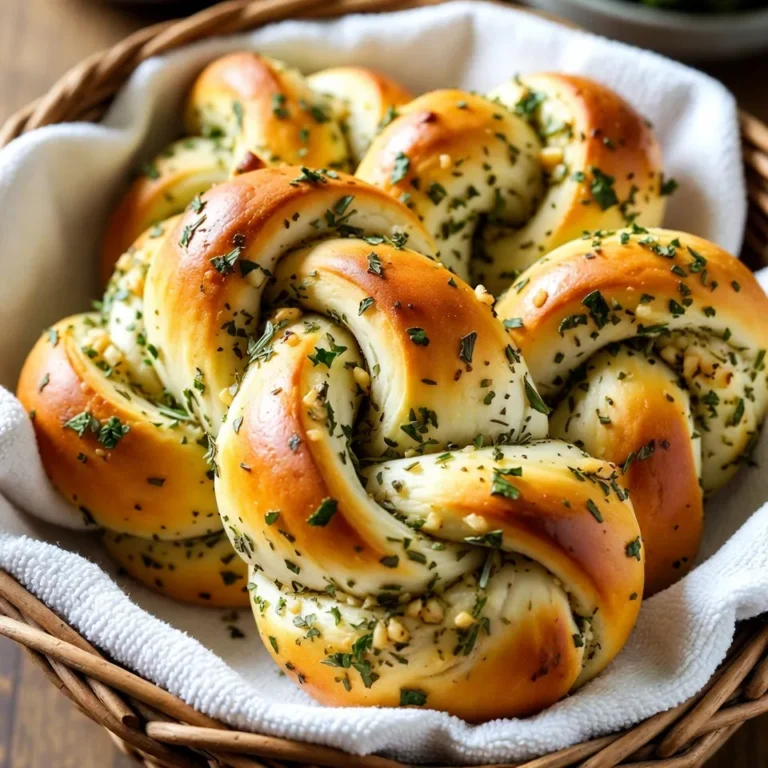
- 3 cups all-purpose flour - 1 packet (2 ¼ teaspoons) instant yeast - 1 teaspoon sugar - 1 teaspoon salt - 1 cup warm water (about 110°F) - 2 tablespoons olive oil - 2 tablespoons unsalted butter, melted - 4 cloves garlic, minced - 2 tablespoons fresh parsley, finely chopped - 1 tablespoon fresh rosemary, finely chopped - Pinch of red pepper flakes (optional) When making Garlic Herb Dinner Knots, you need a mix of dry and wet ingredients. First, the dry ingredients include all-purpose flour, instant yeast, sugar, and salt. These form the base of your dough. The warm water activates the yeast, while olive oil adds richness. The butter, melted, gives flavor and helps the knots brown nicely. For the flavor enhancers, minced garlic brings a strong taste. Fresh parsley and rosemary add bright, herbal notes. If you like some heat, consider adding red pepper flakes. This simple mix of ingredients creates a tasty treat that pairs well with many meals. Gather these items to start your cooking adventure. Each ingredient plays a role in making your knots soft, flavorful, and irresistible. {{ingredient_image_1}} - Activating the yeast: Start by mixing warm water, sugar, and yeast in a large bowl. Let it sit for about 5 minutes. You want it to become frothy. This means the yeast is active and ready to work. - Mixing dry and wet ingredients: Gradually add flour and salt to the yeast mixture. Stir until a rough dough forms. This step combines all your ingredients. - Kneading the dough: Add olive oil and knead the dough for about 5-7 minutes. You can use your hands or a stand mixer with a dough hook. The dough should feel smooth and elastic. - First rise overview: Place the kneaded dough in a lightly greased bowl. Cover it with a damp cloth. Let it rise in a warm spot for about 1 hour. The dough should double in size. - How to know when it's ready: The dough is ready when it feels puffy and has grown in size. You can poke it gently, and it should spring back slightly. - Dividing dough into pieces: Once risen, punch down the dough to release air. Transfer it to a floured surface and divide it into 12 equal pieces. - Rolling ropes and tying knots: Roll each piece into a rope about 8 inches long. Tie it into a knot and tuck the ends under. This gives the knots their shape. - Preparing baking sheet: Line a baking sheet with parchment paper. Place the knots on the sheet, leaving some space between each one for rising. To make great dinner knots, knead your dough well. Kneading helps develop gluten, making the dough stretchy. Aim for about 5-7 minutes of kneading. If the dough feels sticky, add a touch more flour. Look for signs of a properly risen dough. It should double in size and feel puffy. When you poke it, the dough should spring back slowly. If it stays flat, it needs more time to rise. You can make these knots your own by adding herbs or spices. Try adding thyme, basil, or even oregano for a twist. You can mix fresh and dried herbs to suit your taste. To customize your garlic herb mix, use garlic powder if you want a milder garlic flavor. For a kick, add crushed red pepper or even a sprinkle of parmesan. Always check your oven temperature. An accurate oven gives you the best rise and color. Use an oven thermometer if you’re unsure. Ensure even baking by spacing your knots apart on the baking sheet. This allows hot air to flow around them. Rotate the sheet halfway through baking to help them brown evenly. Pro Tips Use Fresh Herbs: Fresh herbs enhance the flavor of your garlic herb knots. Make sure to use freshly chopped parsley and rosemary for the best taste. Knead Properly: Kneading the dough well is crucial for developing gluten, which gives the knots their chewy texture. Aim for at least 5-7 minutes of kneading. Check Oven Temperature: Oven temperatures can vary, so keep an eye on your knots while baking. They should be golden brown and smell delicious when done. Brush Again After Baking: For an extra burst of flavor, brush the baked knots with any remaining garlic herb butter as soon as they come out of the oven. {{image_2}} You can make garlic knots even better by adding cheese. Mozzarella is a great choice. Just place a small piece inside each knot before you tie it. This makes them gooey and tasty. You might need to bake them a bit longer. Check for a golden brown color to know they’re done. You can switch up the herbs in your knots. Fresh thyme or basil can add a new flavor. Mix dried herbs with fresh for more depth. Dried herbs are stronger, so use less. Fresh herbs give a bright taste, and using both can create a lovely blend. If you want to change the heat level, try different spices. Instead of red pepper flakes, use cayenne pepper for more heat. You could also add black pepper for a milder kick. This way, you can make the knots just how you like them. To keep your garlic herb dinner knots fresh, store them in an airtight container. A zip-top bag works well too. Place a paper towel in the bag to absorb moisture. This helps prevent sogginess. Your knots stay fresh for about 2-3 days in the fridge. After that, they may start to dry out. To heat the knots without losing their texture, use the oven. Preheat it to 350°F (175°C). Place the knots on a baking sheet for about 5-7 minutes. This warms them up and keeps them soft. If you're in a hurry, the microwave is an option. Heat them for about 10-15 seconds. However, they may get a bit chewy. You can freeze garlic herb dinner knots before or after baking. If freezing before baking, shape the knots and place them on a baking sheet. Freeze them until firm, then transfer them to a freezer bag. They can stay frozen for up to 3 months. To thaw, leave them in the fridge overnight. Bake them directly from the freezer, adding a few extra minutes to the cooking time. If freezing after baking, let them cool first. Then, store them in a similar way. Reheat them in the oven for the best results. You can serve many tasty dishes with Garlic Herb Dinner Knots. Here are some great options: - Soups: Tomato soup or minestrone pairs well. - Salads: A fresh green salad adds crunch. - Dips: Try olive oil and balsamic vinegar for dipping. - Main Course: They go well with pasta or grilled chicken. Each of these complements the soft, garlicky flavor of the knots. Yes, you can make the dough ahead of time. Here are some tips: - Refrigerate: After kneading, cover the dough and place it in the fridge. - Time: You can store it for up to 24 hours. - Bring to Room Temp: Before shaping, let it warm up for about 30 minutes. This method saves time on busy days while keeping the flavor fresh. To make your knots fluffy, focus on these key factors: - Kneading: Knead the dough well for 5-7 minutes. This builds gluten. - Rising: Let the dough rise until it doubles in size. A warm spot helps. - Don’t Rush: Allow the knots to rest before baking. These steps are vital for getting that light and airy texture you want. Garlic herb dinner knots are simple and fun to make. We discussed ingredients, from flour to flavor boosters. The steps, like kneading and rising, ensure a great dough. We shared tips for perfect texture and baking. Variations can spice things up, whether you add cheese or herbs. Lastly, proper storage helps keep your knots fresh and tasty. With these tips, you can make delicious knots every time. Enjoy your baking!

Garlic Herb Dinner Knots Tasty and Easy Recipe

Read More Garlic Herb Dinner Knots Tasty and Easy RecipeContinue

To make this tasty Tuscan White Bean Soup, gather these simple ingredients: - 2 cans (15 oz each) white beans (cannellini or navy), rinsed and drained - 4 cups vegetable broth - 1 medium onion, diced - 2 cloves garlic, minced - 2 carrots, diced - 2 celery stalks, diced - 1 can (14 oz) diced tomatoes (with juices) - 1 teaspoon dried thyme - 1 teaspoon dried basil - 1 bay leaf - 2 cups kale, roughly chopped - 2 tablespoons olive oil - Salt and pepper to taste - Fresh parsley, chopped for garnish If you don't have an ingredient, you can swap it out. Here are some ideas: - Use chicken broth instead of vegetable broth for a richer flavor. - If you can't find kale, spinach works well too. - You can replace white beans with chickpeas or black beans if you prefer. - Fresh herbs are nice, but dried herbs work great too. Each serving of this soup is healthy and satisfying. Here’s a breakdown: - Calories: 220 - Protein: 10g - Carbohydrates: 36g - Dietary Fiber: 10g - Fat: 6g This soup is not only good for you, but it also warms you up and fills you up! It’s a great meal for any day, and perfect for sharing with family and friends. {{ingredient_image_1}} To make Tuscan white bean soup, gather your ingredients first. You will need white beans, vegetable broth, and fresh veggies. Prepping these items makes cooking easier. Chop the onion, carrots, and celery into small pieces. Rinse the beans well and set them aside. This soup comes together fast, so be ready. 1. Heat 2 tablespoons of olive oil in a large pot over medium heat. 2. Add the diced onion, carrots, and celery. Sauté these for about 5-7 minutes until the onion turns soft and clear. 3. Next, stir in 2 minced garlic cloves. Cook for 1-2 minutes until you smell the garlic. 4. Now, add 1 can of diced tomatoes (with juices), 4 cups of vegetable broth, and the rinsed white beans. 5. Sprinkle in 1 teaspoon of dried thyme, 1 teaspoon of dried basil, and add 1 bay leaf. Mix it all well. 6. Bring the soup to a boil. Once it boils, reduce the heat to low. Let it simmer for 15-20 minutes. 7. After simmering, remove the bay leaf. Add 2 cups of roughly chopped kale. Simmer for another 5 minutes until the kale is tender. 8. Taste the soup and add salt and pepper as needed. 9. Serve the soup hot, topped with fresh chopped parsley. The total time to make this soup is about 40 minutes. You can prep the veggies in 10 minutes. The cooking time takes about 30 minutes. For the best flavor, let it simmer slowly. Make sure to taste the soup before serving. Adjust the seasoning to your liking. Enjoy a warm bowl of comfort! To make Tuscan white bean soup shine, use fresh herbs. Fresh thyme and basil bring a bright taste. Instead of dried herbs, try adding them at the end. They add a burst of flavor. You can also drizzle a little olive oil before serving. This adds richness and depth. For a little kick, add a pinch of red pepper flakes. It gives the soup a warm heat. One common mistake is overcooking the beans. They can turn mushy if you simmer too long. Always check their texture before serving. Another mistake is skimping on seasoning. Taste the soup and add salt and pepper as needed. Not using enough broth is also a mistake. It can make your soup too thick and dull. Aim for a nice balance of broth and beans. Serve your soup hot, and garnish with fresh parsley. This adds color and freshness. Pair it with crusty bread for a comforting meal. You can also serve it with a side salad. A light salad brightens the meal. For a heartier option, add grilled sausage on the side. This complements the soup's flavors well. Pro Tips Use Fresh Herbs: Fresh herbs can elevate the flavor of your soup significantly. If possible, add fresh thyme and basil just before serving for a vibrant taste. Adjust Consistency: If you prefer a thicker soup, use an immersion blender to partially blend the beans and vegetables, creating a creamy base while still keeping some chunks. Enhance with Acidity: A splash of lemon juice or a drizzle of balsamic vinegar just before serving can brighten the flavors and add a nice tang. Make it Ahead: This soup tastes even better the next day! Prepare it in advance and let the flavors develop overnight in the refrigerator. {{image_2}} You can switch up the beans in this soup. Cannellini beans work great, but navy beans are good too. Try great northern beans for a different taste. Each type adds its own flavor and texture. Mixing beans can make the soup even better. Want more protein? Add cooked chicken or turkey. You can shred it and stir it in right before serving. For a meatless option, toss in some cooked quinoa or lentils. These add protein and keep the soup hearty. You can also use sausage for a rich flavor. To keep it vegetarian, just use vegetable broth. For a vegan soup, skip any meat and use plant-based protein. Add extra veggies for more flavor. Try some mushrooms or zucchini to fill it out. This way, you keep the soup healthy and delicious. To keep your Tuscan White Bean Soup fresh, let it cool first. Use an airtight container. Store it in the fridge for up to three days. Make sure it’s sealed well to avoid spills or odors. Label the container with the date. This helps you know when it’s best to eat. For long-term storage, freezing is a great option. Use freezer-safe containers or bags to store the soup. Leave some space in the container for expansion. This soup can last for up to three months in the freezer. When you want to eat it, just take it out and thaw it in the fridge overnight. Reheating is easy! You can use the stove or a microwave. If using the stove, heat it in a pot over low heat. Stir often to avoid burning. If using a microwave, place it in a microwave-safe bowl. Heat in short bursts, stirring in between. Make sure it is hot throughout before serving. Taste and add more salt or pepper if needed. Yes, you can use dried beans. Start by soaking them overnight. Then, cook them until soft before adding to the soup. This may take longer, but the flavor is great. To spice up the soup, add red pepper flakes or diced jalapeños. You can also stir in some hot sauce while cooking. Adjust the heat to your taste. This soup pairs well with crusty bread or a green salad. A side of roasted vegetables can also add flavor. You might enjoy a simple pasta dish for more variety. In this article, we explored the key ingredients for Tuscan White Bean Soup, including substitutions and nutritional facts. I shared step-by-step cooking instructions, including preparation and tips for perfect timing. We discussed tricks to enhance flavors and avoid common mistakes. You learned about different variations, from bean types to protein options, and how to store leftovers safely. In closing, this soup is easy to make and offers great taste. Enjoy making it your own!

Tuscan White Bean Soup Flavorful and Nourishing Dish

Read More Tuscan White Bean Soup Flavorful and Nourishing DishContinue

Page navigation

Previous PagePrevious 1 … 25 26 27 28 29 … 64 Next PageNext

Our Policys

  • Privacy Policy
  • Cookie Policy
  • Copyright Policy
  • GDPR Policy
  • Disclaimer
  • Terms Of Use

More Information

  • Home
  • About
  • Contact
  • Appetizer
  • Desserts
  • Dinner
  • Drinks

© 2025 dailydishlab

  • Home
  • Dinner
  • Appetizer
  • Desserts
  • Drinks
  • About
  • Contact
  • Privacy Policy
Search