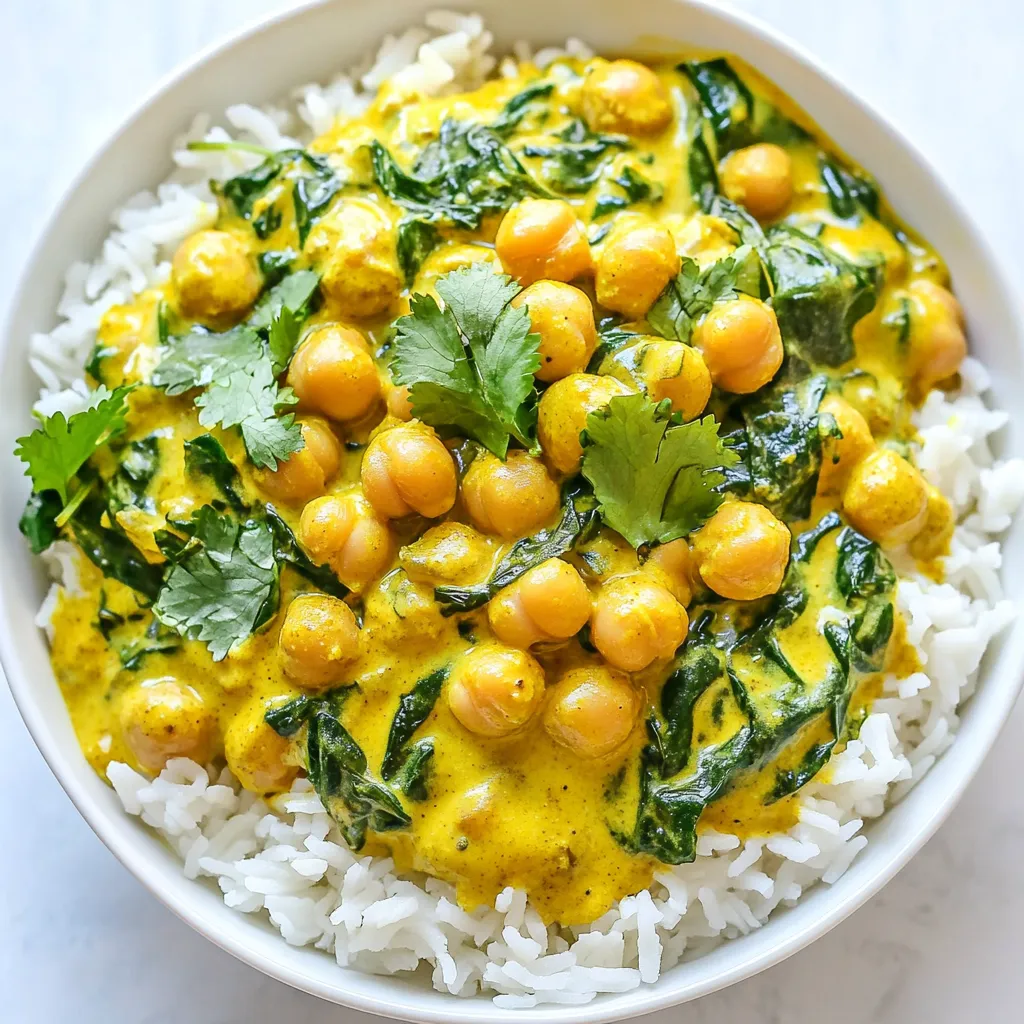
Coconut Curry Chickpeas Simple and Flavorful Recipe

Are you ready to dive into a dish that bursts with flavor and is simple to make? This Coconut Curry Chickpeas recipe combines creamy coconut milk with hearty chickpeas and fragrant spices. It’s perfect for busy weeknights and packed with nutrients. In this guide, I’ll walk you through each step, share helpful tips, and even offer some tasty variations. Let’s make your kitchen sizzle with this delicious recipe!
Why I Love This Recipe
- Flavorful and Aromatic: This coconut curry chickpeas recipe is bursting with vibrant flavors from the spices and fresh ingredients.
- Quick and Easy: With a total preparation time of just 30 minutes, this dish is perfect for a weeknight dinner.
- Nutritious Ingredients: Chickpeas and spinach provide protein and fiber, making this a healthy choice for any meal.
- Customizable: You can easily adjust the spices or add your favorite vegetables to make it your own!
Ingredients
Main Ingredients
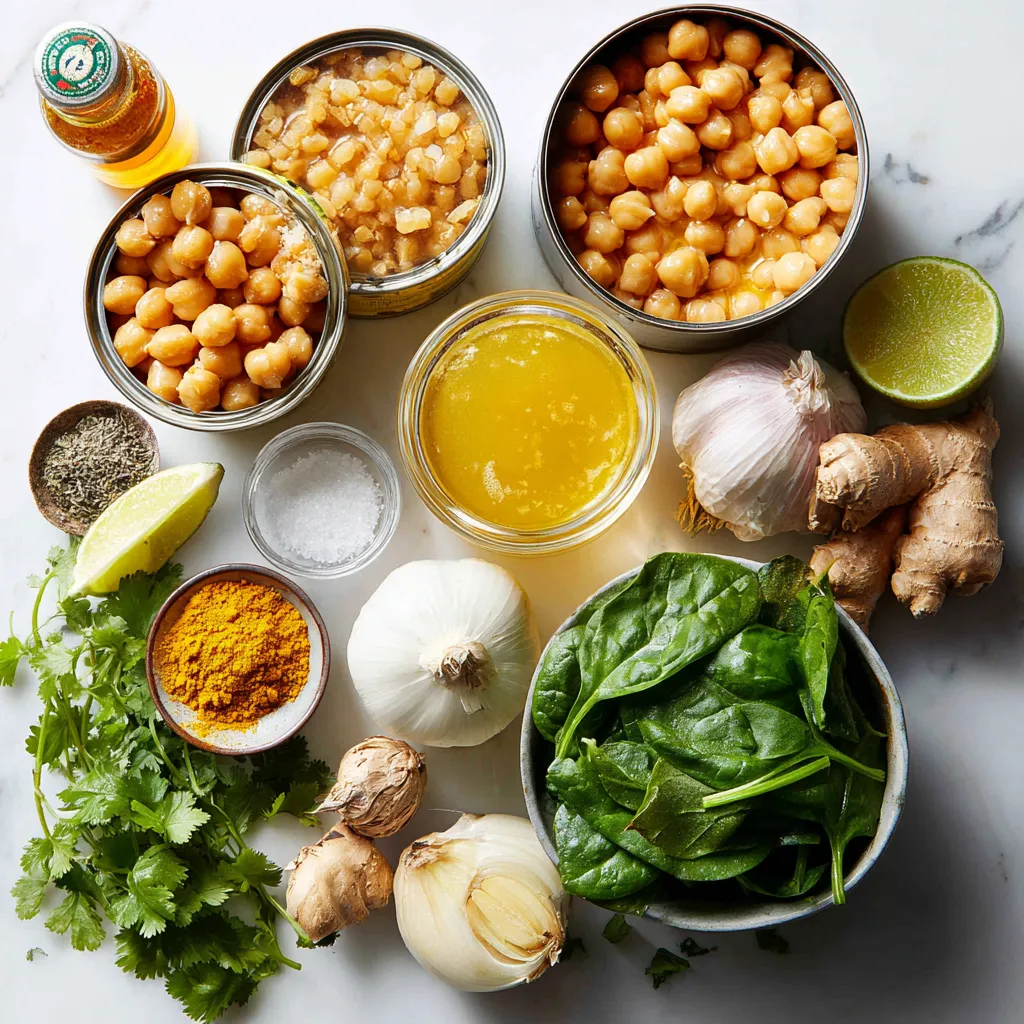
- 2 cans (15 oz each) chickpeas, drained and rinsed
- 1 tablespoon coconut oil
- 1 medium onion, finely chopped
- 3 cloves garlic, minced
- 1 tablespoon fresh ginger, grated
- 1 can (13.5 oz) coconut milk
- 1 cup vegetable broth
Chickpeas form the heart of this dish. They add protein and fiber. Coconut milk gives a rich and creamy texture. Aromatics like onion, garlic, and ginger bring a powerful flavor base.
Spices and Seasonings
- 1 tablespoon curry powder
- 1 teaspoon cumin
- 1 teaspoon turmeric
- Salt and pepper to taste
The spice mix is where the magic happens. Curry powder adds warmth and depth. Cumin offers a nutty flavor, while turmeric gives a lovely golden color and health benefits.
Optional Ingredients
- 1 tablespoon lime juice
- 1 cup spinach, roughly chopped
- Fresh cilantro, for garnish
Adding lime juice brightens the dish. Spinach boosts nutrients and color. Fresh cilantro adds a fragrant finish to your Coconut Curry Chickpeas.
Step-by-Step Instructions
Preparing the Aromatics
1. Start by heating coconut oil in a large pot over medium heat.
2. Add the chopped onion and sauté it for about five minutes. You’ll want it soft and slightly clear.
3. Next, stir in the minced garlic and grated ginger. Cook for one more minute. The aroma should be amazing!
Toasting the Spices
1. Now sprinkle in the curry powder, cumin, and turmeric.
2. Stir well and cook for about one minute. This toasting brings out deep flavors. It’s key to a rich taste.
Combining Ingredients
1. Add the drained chickpeas to your pot. Stir them to coat in the spice mix.
2. Sauté the chickpeas for another two minutes. This adds more flavor.
3. Pour in the coconut milk and vegetable broth, stirring to mix everything.
4. Bring the pot to a gentle simmer. Reduce the heat to low and cover it. Let it cook for about 15 minutes. This helps the flavors blend.
Finishing Touches
1. Stir in the chopped spinach. Cook for another two to three minutes until it wilts.
2. Add lime juice and season with salt and pepper. Taste and adjust to your liking.
Serving Suggestions
1. Serve the coconut curry chickpeas over cooked rice or quinoa.
2. Garnish with fresh cilantro for a pop of color and flavor. Enjoy your delightful dish!
Tips & Tricks
Perfecting the Flavor
To make your coconut curry chickpeas shine, choose the right curry powder. Look for brands like Madras or Thai curry. They pack a punch and help bring out the dish’s full flavor. Fresh spices matter too. Always use fresh spices when you can. They have more aroma and taste than old ones.
Consistency and Texture
To get the best texture, you may want to adjust the liquid. If you like a thicker curry, use less vegetable broth. For a thinner sauce, add more coconut milk. If you need extra thickness, you can mash a few chickpeas. This adds creaminess without extra ingredients.
Quick Cooking Alternatives
If you’re short on time, use pre-cooked chickpeas. They cut down on cooking time and still taste great. You can also try one-pot cooking. Just throw everything in one pot. This method saves time and reduces cleanup. It’s perfect for busy days when you crave a warm meal.
Pro Tips
- Use Fresh Spices: Fresh spices enhance the flavor significantly. If possible, use whole spices and grind them just before cooking for the best aroma.
- Adjust Coconut Milk: For a richer curry, use full-fat coconut milk. If you’re looking for a lighter option, you can use light coconut milk or a mix of both.
- Add Vegetables: Feel free to add other vegetables like bell peppers or carrots for extra nutrition and texture. Just make sure to adjust the cooking time accordingly.
- Garnish for Flavor: Don’t skip the cilantro garnish! It adds a fresh pop of flavor that complements the curry beautifully.

Variations
Protein Additions
You can easily boost the protein in Coconut Curry Chickpeas. Adding tofu makes a great vegan option. Just cube firm tofu and sauté it with the onions. It absorbs the curry flavor well. If you prefer meat, add cooked chicken. Shred the chicken and mix it in with the chickpeas for a hearty meal. You can also swap chickpeas for lentils or other beans. Black beans or kidney beans work well, too.
Flavor Profile Adjustments
Want more heat? Add chili pepper or red pepper flakes. This gives your dish a spicy kick. You can also add ginger for extra zing. Plus, adding a mix of veggies can boost nutrition. Try bell peppers, carrots, or zucchini. Just chop them and toss them in when you add the chickpeas. They will cook down nicely in the sauce.
Dietary Adaptations
This recipe is easy to adapt for different diets. For gluten-free options, check your broth and spices. Most are gluten-free, but it’s good to confirm. If you want a vegan version, make sure your broth is plant-based. You can also skip the lime juice if you prefer. It still tastes great without it!
Storage Info
Refrigeration Tips
To store your leftover Coconut Curry Chickpeas, let them cool first. Once cooled, transfer them to an airtight container. This helps keep the flavors fresh. I recommend using glass or BPA-free plastic containers. They seal well and are easy to clean.
Freezing Coconut Curry Chickpeas
If you want to save some for later, freezing is a great option. Pour the cooled chickpeas into freezer-safe bags or containers. Make sure to remove as much air as possible before sealing. This keeps them fresh longer. When you’re ready to eat, thaw them overnight in the fridge. To reheat, simply warm them in a pot over low heat. Add a splash of water if needed to keep it creamy.
Shelf Life
In the fridge, your Coconut Curry Chickpeas will last about 4 to 5 days. In the freezer, they can stay good for up to 3 months. Always check for signs of spoilage. If you see mold or smell something off, it’s best to toss them out. Enjoy your meal knowing you can savor it later, too!
FAQs
How long does it take to make Coconut Curry Chickpeas?
This dish is quick to make. It takes about 10 minutes to prep. The cooking time is around 20 minutes. So, you can enjoy this meal in just 30 minutes total.
Can I make it spicy?
Yes, you can add heat easily. Try adding red pepper flakes or diced jalapeños. You can also use a spicy curry powder. Start with a small amount and adjust to your taste.
What can I serve with Coconut Curry Chickpeas?
This dish pairs well with rice or quinoa. You can also serve it with naan bread. For a fresh side, try a simple cucumber salad. These sides balance the flavors nicely.
Can I use fresh chickpeas instead of canned?
Yes, you can use dried chickpeas. First, soak them overnight. Then, cook them until tender. This may take about 1 to 2 hours. Make sure to adjust the cooking time for the curry.
Is this recipe suitable for meal prep?
Absolutely! This dish stores well. Cook a big batch and divide it into containers. It keeps in the fridge for about 4 days. You can also freeze it for up to 3 months. Just reheat before serving.
This post covered a tasty Coconut Curry Chickpeas recipe. We explored key ingredients, spices, and optional add-ins. You learned about step-by-step instructions, tips for flavor, and fun variations. Remember to store leftovers safely and check for spoilage signs.
With these insights, you can create a delicious dish that fits your needs. Experiment to find your perfect flavor. Enjoy cooking and sharing this nutritious meal with other
Coconut Curry Chickpeas
Ingredients
- 2 cans chickpeas, drained and rinsed
- 1 tablespoon coconut oil
- 1 medium onion, finely chopped
- 3 cloves garlic, minced
- 1 tablespoon fresh ginger, grated
- 1 tablespoon curry powder
- 1 teaspoon cumin
- 1 teaspoon turmeric
- 1 can coconut milk
- 1 cup vegetable broth
- 1 tablespoon lime juice
- 1 cup spinach, roughly chopped
- to taste salt and pepper
- for garnish fresh cilantro
- for serving cooked rice or quinoa
Instructions
- In a large pot, heat the coconut oil over medium heat. Add the chopped onion and sauté for about 5 minutes until softened. Stir in the minced garlic and grated ginger, cooking for an additional minute until fragrant.
- Sprinkle in the curry powder, cumin, and turmeric. Stir well for about 1 minute to toast the spices lightly and release their flavors.
- Add the drained chickpeas to the pot, stirring to coat them in the aromatic spice mixture. Sauté for another 2 minutes.
- Add the coconut milk and vegetable broth, stirring to combine. Bring the mixture to a gentle simmer, then reduce the heat to low. Cover and let it cook for about 15 minutes, allowing the flavors to meld together.
- Stir in the chopped spinach and cook for another 2-3 minutes until the spinach has wilted. Add lime juice and season with salt and pepper to taste.
- Spoon the coconut curry chickpeas over a bed of cooked rice or quinoa, ensuring each serving is generously topped with the creamy curry. Garnish with fresh cilantro.


![- 200g rice noodles - 1 tablespoon coconut oil - 1 onion, thinly sliced - 2 garlic cloves, minced - 1 tablespoon ginger, minced - 1 red bell pepper, sliced - 1 cup broccoli florets - 1 carrot, julienned - 1 can (400ml) coconut milk - 3 tablespoons red curry paste - 2 tablespoons soy sauce - 1 tablespoon lime juice - Fresh basil leaves for garnish - Salt and pepper to taste For this recipe, you can switch up the vegetables. Try adding snap peas or zucchini for a new twist. For the best flavor, I recommend brands like Thai Kitchen for red curry paste and Chaokoh for coconut milk. These brands offer great taste and consistency. If you want to make this meal even easier, use pre-chopped vegetables. They save time and still taste fresh. Explore your local market for seasonal veggies too! They add color and flavor to your dish. For the full recipe, check the instructions above to create your own Thai Red Curry Noodles. Enjoy the process and the flavors! Start by boiling water in a large pot. Add the rice noodles and cook them based on the package instructions. Usually, it takes about 4-6 minutes. Stir gently to keep them from sticking. To avoid sticky noodles, drain them right away. Rinse them under cold water to stop the cooking process. Toss them with a little coconut oil to keep them separate. This step makes a big difference! Slice your vegetables neatly for even cooking. Use a sharp knife for best results. For the onion, cut it thinly. Mince the garlic and ginger finely. Slice the red bell pepper and julienne the carrot. Cut the broccoli into small florets. Now, let’s talk about cooking times. Sauté the onion for about 2-3 minutes until it’s soft. Then add the garlic and ginger for one more minute. After that, toss in the bell pepper, broccoli, and carrot. Cook for about 5 minutes until they are tender but still crisp. In a large skillet or wok, pour in the coconut milk. Add the red curry paste and stir well. Mix until the paste is fully dissolved in the milk. This creates a rich, creamy sauce. Next, add the cooked rice noodles. Gently fold them into the sauce. Make sure every noodle gets coated. This is key for great flavor. Let everything simmer for 2-3 minutes to heat through. Serve hot, garnished with fresh basil leaves. This adds a lovely touch to your dish and makes it even more flavorful. Enjoy every bite! For the full recipe, see above. To get the best taste, always use fresh ingredients. Fresh vegetables and herbs boost flavors. Pre-packaged items often lack depth and freshness. When it comes to balancing flavors, think about these three key elements: - Spicy: Use more red curry paste for heat. - Sweet: A teaspoon of sugar can soften strong flavors. - Salty: Soy sauce adds a nice umami kick. Adjust these as needed for your taste. For cooking, I recommend using a wok. A wok heats evenly and helps stir-fry better. If you don't have one, a large skillet works well too. When adding protein, think about these options: - Chicken: Thinly slice for quick cooking. - Tofu: Use firm tofu, cut into cubes, and sauté until golden. - Shrimp: Add shrimp last to avoid overcooking. Cook protein separately, then mix it in at the end. Pair your Thai Red Curry Noodles with side dishes like: - Steamed jasmine rice - A fresh cucumber salad - Spring rolls for a crunchy touch For a nice presentation, serve in deep bowls. Garnish with fresh basil leaves and lime wedges. This adds color and freshness, making your meal look restaurant-quality. {{image_2}} You can easily make Thai Red Curry Noodles vegan or vegetarian. Start by swapping the coconut milk for a plant-based version. Use vegetable broth if you want a lighter taste. For protein, try tofu or tempeh. Both options soak up flavors well. Thai Red Curry Noodles change across Thailand. In the north, cooks add more herbs like cilantro and mint. In the south, seafood is common. You might see shrimp or fish added to the dish. Each region has unique flavors that make the dish special. Feel free to add local veggies, like eggplant or bamboo shoots, to your version. Get creative with your Thai Red Curry Noodles! Add fresh herbs, like basil or cilantro, for a burst of flavor. You can also try different spices. A pinch of cumin or coriander can enhance the taste. If you like heat, add chili flakes or fresh peppers. Change up the recipe by adding new veggies or proteins each time you make it. The options are endless! For the complete recipe, check the [Full Recipe]. After you enjoy your Thai Red Curry Noodles, let any leftovers cool first. Place them in an airtight container. This keeps the flavors fresh. You can store them in the fridge for up to three days. If you want to keep them longer, freeze them in a freezer-safe container. They can last for up to three months in the freezer. When you reheat, avoid using high heat. This helps keep the noodles from getting mushy. The best way is to use a skillet over medium heat. Add a splash of water to help steam the noodles. You can also pop them in the microwave. Just cover the bowl to keep moisture in. To refresh the dish, add fresh basil or a squeeze of lime juice right before serving. To make meals quicker, you can prep some ingredients ahead of time. Slice your veggies like bell peppers and carrots a day before. Cook the rice noodles in advance and store them separately. When you are ready to eat, simply combine the prepped ingredients with the sauce. This way, you can whip up your Thai Red Curry Noodles in no time on busy weekdays! What can I substitute for red curry paste? You can use yellow curry paste or green curry paste. These options have different flavors but still work well. You can also make a homemade version. Just blend some dried red chilies, garlic, and spices. It may taste a bit different but still delicious. Can I make Thai Red Curry Noodles gluten-free? Yes, you can easily make this dish gluten-free. Simply use gluten-free soy sauce or tamari instead of regular soy sauce. Make sure that the rice noodles are also gluten-free. Most rice noodles are naturally gluten-free. How to make this recipe nut-free To make this recipe nut-free, ensure you don't use any nut-based oils or sauces. Coconut oil is safe. Just check your red curry paste to ensure it doesn’t contain nuts. Caloric content and nutritional breakdown This dish is rich in flavor and nutrition. A serving has about 400 calories. It includes healthy fats from coconut milk and fiber from vegetables. The rice noodles provide energy from carbohydrates. What is the origin of Thai Red Curry Noodles? Thai Red Curry Noodles come from Thailand, where curry is a staple. This dish combines the bold flavors of red curry paste with rice noodles. It’s a favorite among locals and visitors. How does this dish differ from other Thai noodle dishes? Thai Red Curry Noodles are creamier and richer than others like Pad Thai. They use coconut milk and red curry paste, giving them a unique taste. Other dishes may focus more on soy sauce or tamarind for flavor. Thai Red Curry Noodles are a delicious and flexible dish. You can choose different veggies and proteins to fit your taste. I shared tips for cooking and serving, so your meal looks and tastes great. Remember to store leftovers well and reheat them with care. These simple steps will help you enjoy this dish again. Keep exploring flavors and making it your own. Happy cooking!](https://dailydishlab.com/wp-content/uploads/2025/07/3b703aa1-219d-4915-aa03-8b54d55df68d-768x768.webp)

![- 1 cup Arborio rice - 4 cups vegetable broth - 1 cup assorted mushrooms (cremini, shiitake, oyster), sliced - 1 small onion, finely chopped - 2 cloves garlic, minced Arborio rice is the star of the show. This rice has a high starch content, which gives risotto its creamy texture. You can use various mushrooms to add depth. I love using cremini, shiitake, and oyster mushrooms. They give a rich flavor that shines through. Vegetable broth is essential. It infuses the rice with flavor. Keep it warm in a saucepan as you cook. Aromatics like onion and garlic lay the base for the dish. They add sweetness and depth when sautéed until soft. - 1/2 cup grated Parmesan cheese or nutritional yeast - Various types of mushrooms for changes - Vegan butter option Adding Parmesan cheese enhances the creaminess. If you're vegan, nutritional yeast is a great substitute. You can also swap in different mushrooms. Try portobello or button mushrooms for a twist. If you want to make it vegan, use vegan butter instead of regular butter. - Skillet for cooking - Saucepan for broth - Ladle for adding broth A good skillet is key for sautéing. Use a wide one to cook the mushrooms evenly. The saucepan keeps your broth warm. A ladle makes it easy to add broth bit by bit. This helps the rice absorb the liquid and become creamy. For the full recipe, check out the [Full Recipe]. Warm broth is key for great risotto. It helps the rice cook evenly and stay creamy. Cold broth can shock the rice and ruin the dish. To keep your broth warm, set it on low heat in a saucepan. Stir it gently now and then. This will help keep it at the right temperature until you need it. First, heat your olive oil and butter in a skillet over medium heat. Add the chopped onion. Cook for 3 to 4 minutes until it is soft and clear. Next, stir in minced garlic. Let it cook for about 30 seconds until fragrant. Now, add your sliced mushrooms. Cook them for 5 to 7 minutes. They should be tender and lightly browned for the best flavor. Toasting the Arborio rice brings out its nutty flavor. Add the rice to the skillet and stir it well to coat it in oil and butter. Toast the rice for about 2 minutes. You will see it start to turn clear around the edges. Now, it's time to add the broth. Use a ladle to add one scoop of warm broth at a time. Stir the rice often. Wait until most of the broth is absorbed before adding more. This process takes 18 to 20 minutes. Keep stirring until the rice is creamy and just firm to the bite. When the risotto is done, stir in grated Parmesan cheese or nutritional yeast. Add dried thyme, salt, and pepper to taste. Mix it all together until creamy. Let it sit for a couple of minutes to thicken. For the complete guide, you can refer to the Full Recipe. To make your risotto creamy, you need to stir often. Stirring helps release the starch from the rice. This starch gives risotto its signature creaminess. Use a wooden spoon for the best results. Patience is key. Don’t rush the process. Add broth slowly, one ladle at a time. Wait until the rice absorbs the broth before adding more. This method takes about 18 to 20 minutes. Start with salt and pepper to season your risotto. Taste as you go. You want a rich and balanced flavor. Fresh herbs, like thyme or parsley, really boost the taste. Adding cheese enhances the creaminess. I like to use grated Parmesan. If you want a vegan option, try nutritional yeast. It gives a cheesy flavor without dairy. Be careful not to overcook or undercook the rice. Overcooked rice turns mushy, while undercooked rice stays hard. Aim for al dente, which means it should have a slight bite. Do not skip the toasting process. Toasting the Arborio rice in oil and butter adds depth to the flavor. It helps the rice absorb the broth better. Follow these tips for a perfect Mushroom Risotto every time! For the full recipe and all the steps, check out the Full Recipe. {{image_2}} For a vegetarian risotto, use plant-based cheeses like cashew or almond cheese. These options melt well and add a creamy touch. If you like a nutty flavor, try a vegan cheese with a hint of garlic. For a vegan risotto, nutritional yeast works great. It adds a cheesy taste without dairy. When it comes to broth, vegetable broth is the best choice for flavor. But you can also use mushroom broth for a deeper taste. This adds umami notes that enhance the dish. You can add proteins like chicken or shrimp for a heartier dish. Cook the protein separately, then stir it into the risotto just before serving. This keeps everything warm and tasty. For a plant-based option, consider adding lentils or chickpeas. They provide protein and fiber, making the meal more filling. To boost flavor, include a splash of white wine. Add it after sautéing the mushrooms but before adding the broth. This step adds acidity and depth. You can also toss in vegetables like peas or spinach. They brighten the dish and add color. Adding these at the end of cooking keeps them vibrant. Enjoy experimenting with these variations to make your risotto unique. For a complete guide, check out the Full Recipe. To keep your mushroom risotto fresh, use airtight containers. Glass containers work great. They won't absorb smells. Before sealing, let the risotto cool down. This helps prevent sogginess. Place it in the fridge within two hours. This keeps it safe to eat later. Reheat risotto on the stove for best results. Use a non-stick skillet. Add a splash of broth or water. Stir it often on low heat. This helps keep it creamy. You can also microwave it. Use a microwave-safe bowl and cover it. Stir every minute for even heating. Can you freeze risotto? Yes, but it changes texture. If you freeze it, use a freezer-safe container. Leave space for expansion. To thaw, move it to the fridge overnight. Reheat on the stove, adding liquid to help it regain creaminess. This way, you can enjoy your mushroom risotto later. For the full recipe, check out the complete guide. The best rice for risotto is Arborio rice. This rice has a high starch content. As it cooks, it releases this starch, creating a creamy texture. Arborio rice also absorbs flavors well, making it great for dishes like Mushroom Risotto. You can find it in most grocery stores. Yes, you can use regular broth. Chicken broth adds a different flavor to the risotto. However, vegetable broth keeps it lighter and plant-based. Each broth option will change the taste slightly, so pick what you like best. If your risotto is dry, add more warm broth slowly. Stir it well to help the rice absorb the liquid. If it’s gummy, you may have added too much liquid too fast. Stirring less helps too. Always cook the rice until it is creamy but not mushy. Yes, Mushroom Risotto is gluten-free. The main ingredients, like Arborio rice and vegetable broth, do not contain gluten. Always check labels on broth to ensure no hidden gluten is present. Enjoy this dish worry-free! To make Mushroom Risotto ahead, cook it as normal but stop cooking a bit early. Let it cool and store it in an airtight container. When ready to serve, reheat it on low heat, adding a splash of broth to restore creaminess. For a detailed guide on making this dish, check the Full Recipe for Mushroom Risotto. Mushroom risotto is creamy and delightful. It includes Arborio rice, assorted mushrooms, and warm broth. You can play with the flavors using optional ingredients like cheese or different mushrooms. Remember to sauté your aromatics and add broth slowly for the best texture. Avoid common mistakes, such as overcooking the rice. Store leftovers well and reheat properly to enjoy again. With these tips, you’ll make a risotto that’s both delicious and satisfying. Enjoy this dish with your loved ones or as a comforting solo treat. Happy cooking!](https://dailydishlab.com/wp-content/uploads/2025/06/605d9e12-4d99-4b54-946e-78c72948a8ac-768x768.webp)