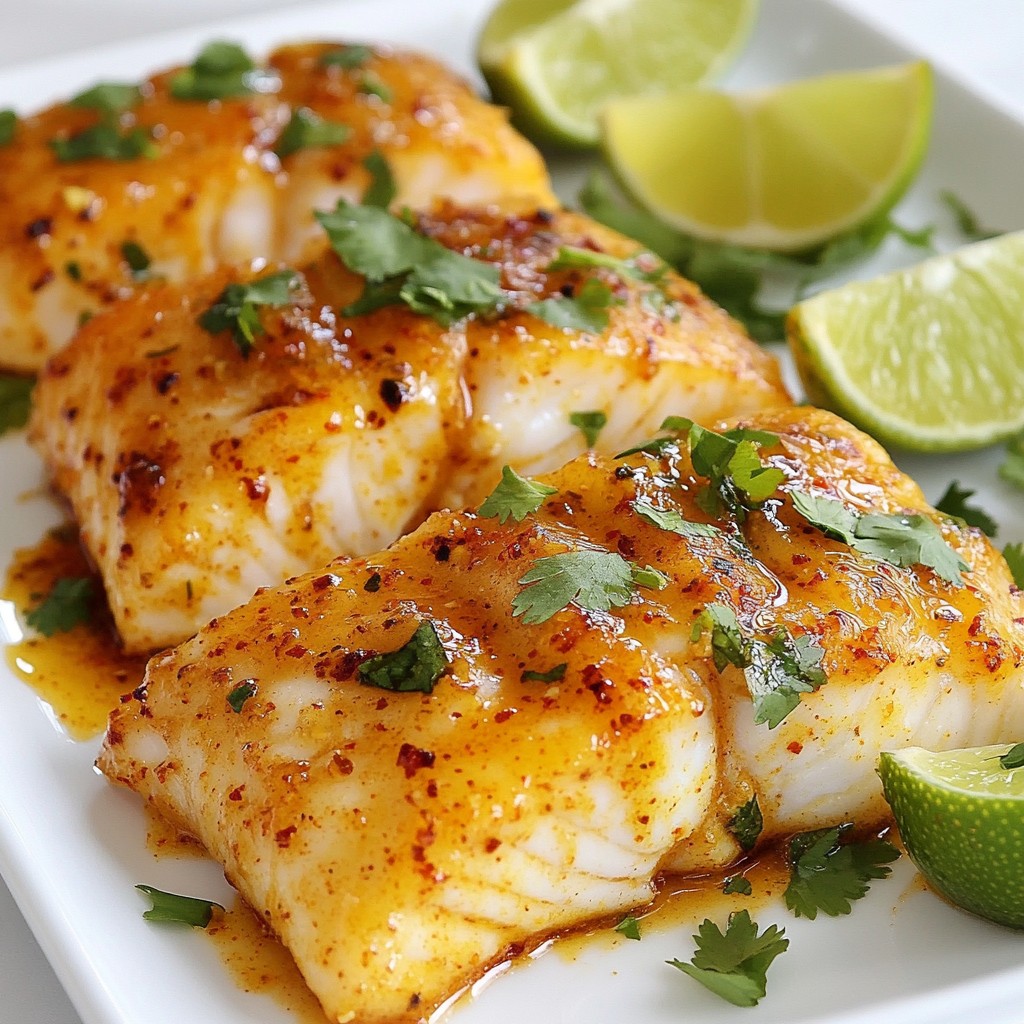

Coconut Curry Ramen Flavorful and Simple Recipe

Are you ready to experience a burst of flavor with my Coconut Curry Ramen recipe? This dish combines rich coconut milk and spicy red curry for a quick and satisfying meal. Whether you’re a busy parent or a novice cook, you’ll find this recipe simple and fun. Let’s dive into the delightful ingredients, easy steps, and creative tips that will make your bowl irresistible!
Why I Love This Recipe
- Rich Flavors: This coconut curry ramen is bursting with rich, aromatic flavors that create a comforting and satisfying meal.
- Quick and Easy:
- Customizable: You can easily modify the vegetables or add protein to suit your taste, making it a versatile dish for everyone.
- Healthy Ingredients: With fresh veggies and coconut milk, this ramen is not only tasty but also packed with nutrients.
Ingredients
Main Ingredients for Coconut Curry Ramen
To make this delicious dish, you will need:
- 4 cups vegetable broth
- 1 can (13.5 oz) coconut milk
- 2 tablespoons red curry paste
- 1 tablespoon ginger, minced
- 2 cloves garlic, minced
- 1 tablespoon soy sauce
- 1 tablespoon lime juice
- 2 packs of instant ramen (discard seasoning packets)
- 1 cup mushrooms, sliced
- 1 cup baby spinach
- 1 carrot, julienned
- ½ red bell pepper, sliced
These ingredients come together to create a rich and creamy broth. The coconut milk gives it a sweet flavor, while the red curry paste adds a nice kick.
Optional Garnishes
Garnishes can take your ramen to the next level. Here are some options:
- Fresh cilantro, for garnish
- Lime wedges, for serving
- Sesame oil, for drizzling
Using these garnishes adds freshness and makes the dish look appealing.
Equipment Needed
You will need a few key tools to make this dish:
- A large pot for cooking
- A cutting board and knife for chopping veggies
- A measuring cup and spoons for accuracy
Having these tools ready helps you cook smoothly and enjoy the process.
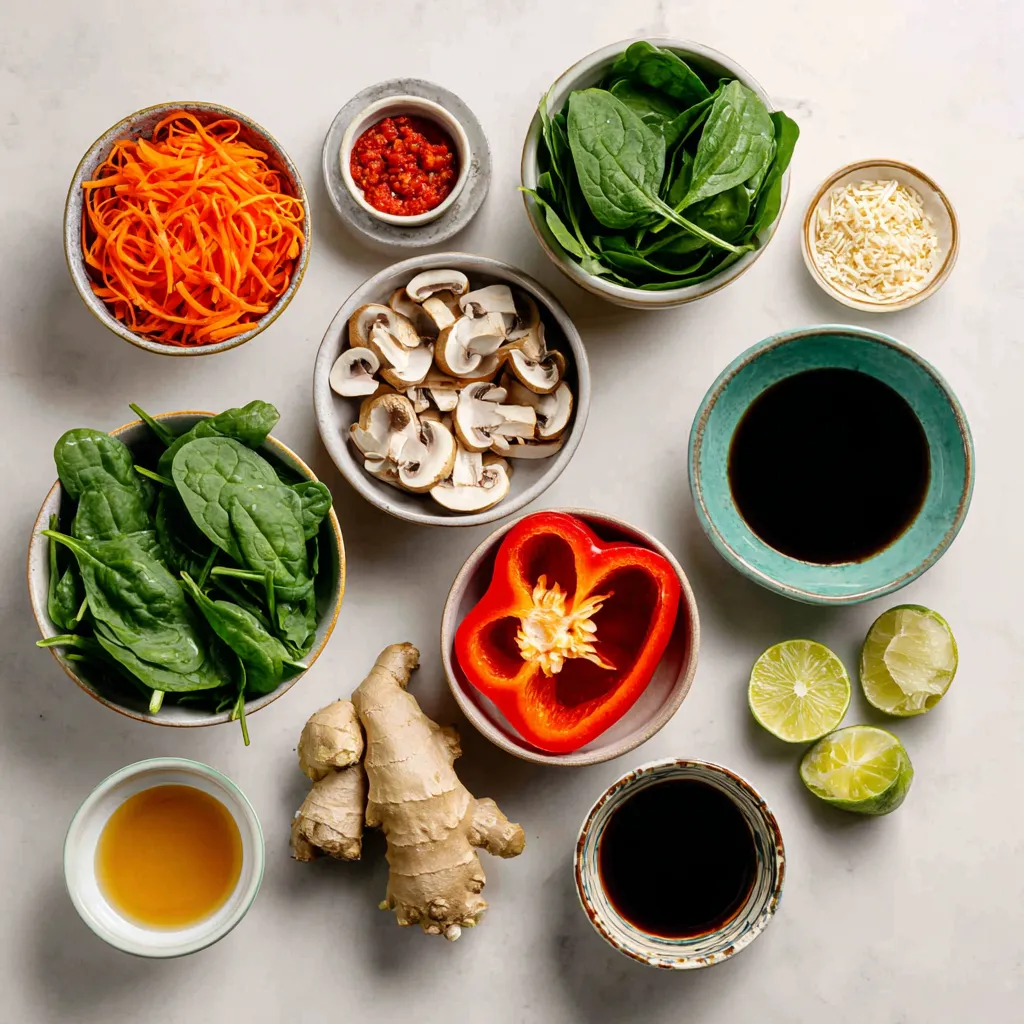
Step-by-Step Instructions
Preparation Steps
To start, gather all your ingredients. This will make cooking easier. You need:
- 4 cups vegetable broth
- 1 can (13.5 oz) coconut milk
- 2 tablespoons red curry paste
- 1 tablespoon ginger, minced
- 2 cloves garlic, minced
- 1 tablespoon soy sauce
- 1 tablespoon lime juice
- 2 packs of instant ramen (discard seasoning packets)
- 1 cup mushrooms, sliced
- 1 cup baby spinach
- 1 carrot, julienned
- ½ red bell pepper, sliced
- Fresh cilantro, for garnish
- Lime wedges, for serving
- Sesame oil, for drizzling
Next, prepare your veggies. Slice the mushrooms, julienne the carrot, and slice the bell pepper. This makes for a quick cooking time.
Cooking Process
Now, heat a drizzle of sesame oil in a large pot on medium heat. Add the minced garlic and ginger. Sauté these for 1-2 minutes until they smell good.
Next, stir in the red curry paste. Cook this for one more minute. This helps blend the flavors well.
Pour in the vegetable broth and coconut milk. Stir everything together. Bring this mix to a simmer.
Once it simmers, add the soy sauce, lime juice, mushrooms, carrot, and red bell pepper. Let these cook for about 5 minutes. You want the veggies to be tender but not mushy.
Now, add the ramen noodles. Cook them according to the package instructions, usually around 3-4 minutes.
When the noodles are almost done, add the baby spinach. Stir it in until it wilts. This adds a nice touch of color and nutrition.
Serving Instructions
After cooking, taste the broth. Adjust seasoning with more soy sauce if needed.
Remove the pot from heat. To serve, ladle the ramen into bowls. Garnish with fresh cilantro and a lime wedge on the side. Enjoy your delicious coconut curry ramen!
Tips & Tricks
Ways to Enhance Flavor
To make your coconut curry ramen pop, you can try a few tricks. First, add more ginger for a zesty kick. A bit of chili flakes can bring heat. If you like a tangy taste, use more lime juice. You can also mix in fresh herbs like basil or mint. They will add freshness to your bowl. A touch of soy sauce can deepen the flavor too. Remember, taste as you go. Adjust until it’s perfect for you.
Perfecting the Veggie Texture
Getting the right texture for your veggies is key. Start by slicing mushrooms thinly. This helps them cook fast and soak up flavor. Cut carrots into thin strips for even cooking. If you want crunch, add veggies like bell peppers at the end. This way, they stay crisp. Spinach should go in last so it wilts perfectly. Always pay attention to the cook time for each veggie. This keeps them tender but not mushy.
Common Pitfalls to Avoid
There are some mistakes to watch out for. One common error is overcooking the noodles. Follow the package instructions closely. Another mistake is not tasting the broth. A quick taste lets you know if it needs more seasoning. Don’t skip the lime wedge; it adds brightness. Lastly, be careful with the curry paste. Start with less if you’re unsure about the heat. You can always add more later. Enjoy your cooking journey!
Pro Tips
- Fresh Ingredients: Use fresh vegetables and herbs to enhance the flavor and nutrition of your ramen.
- Customize Spice Level: Adjust the amount of red curry paste to control the spice level according to your taste.
- Protein Boost: Add tofu, chickpeas, or cooked shrimp for an extra protein boost in your ramen.
- Leftover Broth: Save any leftover broth to use as a base for soups or sauces later in the week.

Variations
Protein Additions (Tofu, Chicken, etc.)
You can add protein to your coconut curry ramen for a heartier meal. Tofu works well and soaks up flavor. Just cube firm tofu and sauté it until golden before adding it to the broth. If you prefer meat, chicken is a great choice. Cut chicken breast into bite-sized pieces and cook it in the pot before adding the broth. This way, the chicken stays juicy and adds depth to the dish.
Vegan Alternatives
If you want a vegan option, stick with vegetables and tofu. You can use tempeh instead of tofu for a different texture. Also, make sure to check that your soy sauce is vegan. You can use coconut aminos as a soy sauce substitute for a slightly sweeter taste. This keeps the dish plant-based and delicious.
Spicy Modifications
For a spicy kick, add sliced chili peppers to the pot. Jalapeños or Thai bird chilies work well. You can also increase the amount of red curry paste. Start with an extra teaspoon and taste as you go. This lets you control the heat, making it perfect for your taste buds. If you like extra spice, serve with chili oil on the side as a topping.
Storage Info
How to Store Leftovers
Store any leftover coconut curry ramen in an airtight container. Keep it in the fridge. It will stay fresh for three to four days. If you want to keep it longer, consider freezing it.
Reheating Instructions
To reheat, pour the ramen into a pot. Add a little water or broth to help it heat evenly. Warm it over medium heat. Stir often until it is hot. You can also use a microwave. Heat it in a bowl for about two minutes. Stir halfway through for even heating.
Freezing Coconut Curry Ramen
You can freeze coconut curry ramen for up to two months. First, let it cool completely. Then, place it in a freezer-safe container. Leave some space for expansion. When you are ready to eat, thaw it in the fridge overnight. Reheat it on the stove or in the microwave. Enjoy your meal!
FAQs
What can I substitute for red curry paste?
You can use yellow curry paste or green curry paste. Both will change the taste a bit. If you prefer milder flavors, try using a mix of turmeric and cumin. You can also make a paste with ginger, garlic, and chili powder. This will give you a fresh twist.
Is Coconut Curry Ramen healthy?
Yes, Coconut Curry Ramen can be healthy. It has fresh veggies like carrots and spinach. The coconut milk adds healthy fats. You can also add protein, like tofu or chicken, to make it more filling. Just watch how much salt you use from the soy sauce.
Can I use different types of noodles?
Absolutely! You can use any noodles you like. Rice noodles work well and are gluten-free. Soba noodles or udon noodles are also great options. Just adjust the cooking time based on the noodles you choose.
Coconut curry ramen is a fun dish with many tasty parts. You learned about key ingredients, prep steps, and cooking tips. Those tips help avoid common mistakes and keep flavors bright. You can try fun variations, like adding protein or spice. Remember to store leftovers right, so they stay good for later meals. This dish is easy to make and share with friends. Enjoy your tasty, homemade coconut curry ramen experienc
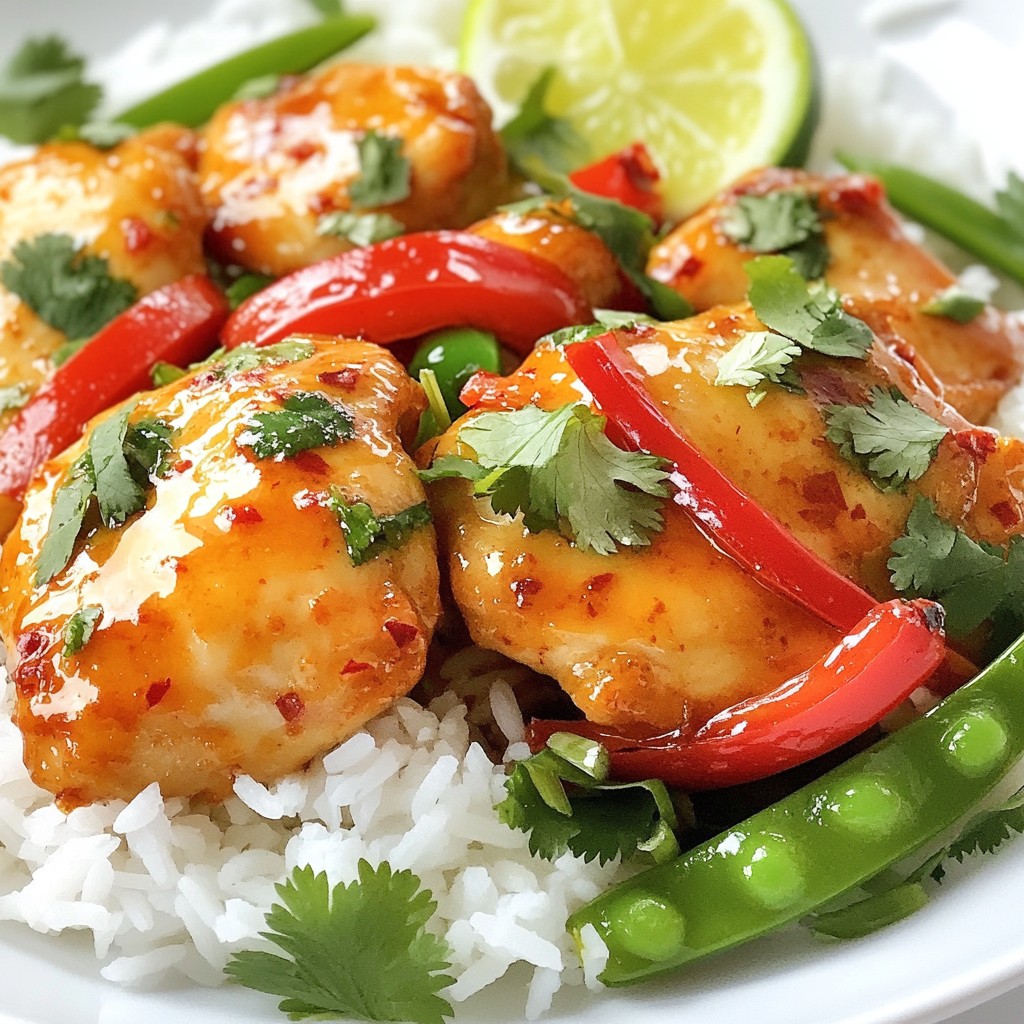
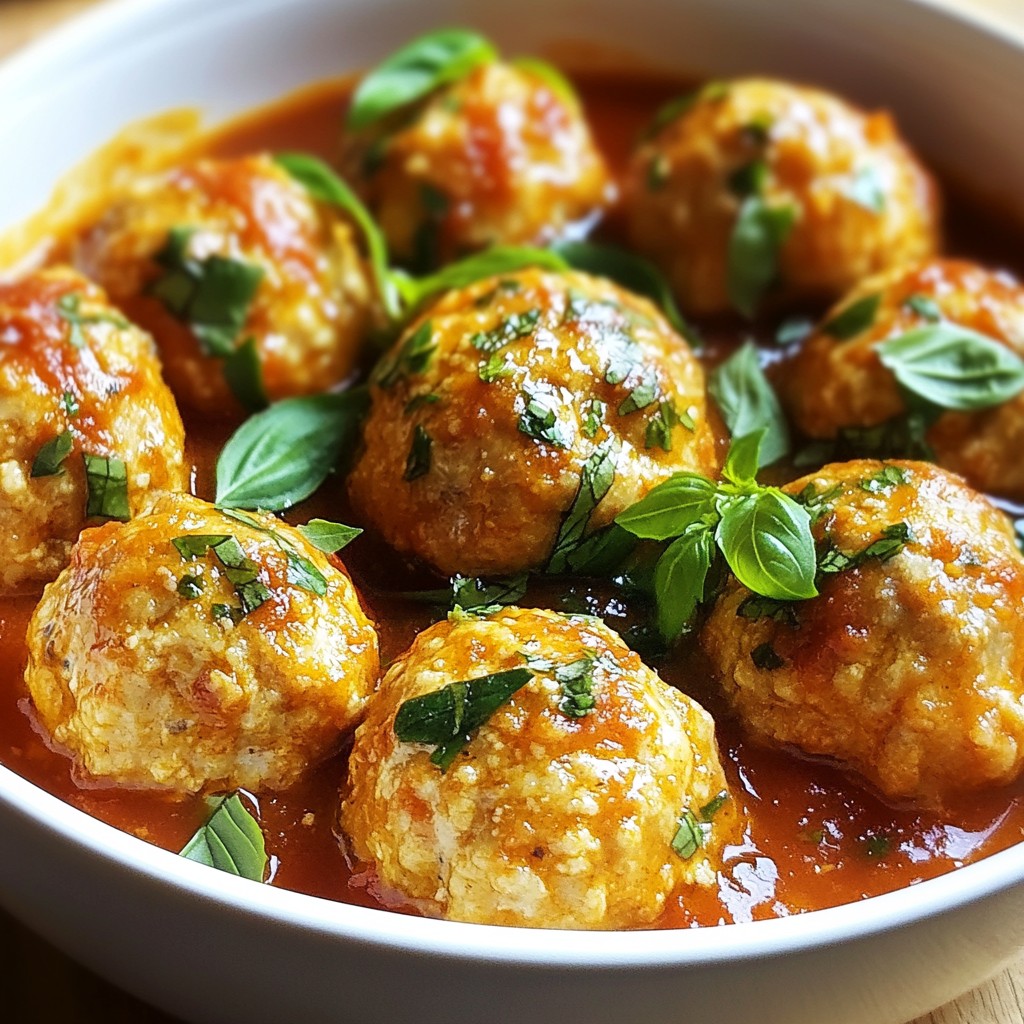
Coconut Curry Ramen
Ingredients
- 4 cups vegetable broth
- 1 can coconut milk
- 2 tablespoons red curry paste
- 1 tablespoon ginger, minced
- 2 cloves garlic, minced
- 1 tablespoon soy sauce
- 1 tablespoon lime juice
- 2 packs instant ramen (discard seasoning packets)
- 1 cup mushrooms, sliced
- 1 cup baby spinach
- 1 carrot julienned
- 0.5 red bell pepper sliced
- 1 bunch fresh cilantro, for garnish
- 1 lime wedges, for serving
- 1 drizzle sesame oil, for drizzling
Instructions
- In a large pot, heat a drizzle of sesame oil over medium heat. Add the minced garlic and ginger, sautéing until fragrant, about 1-2 minutes.
- Stir in the red curry paste and sauté for another minute until incorporated.
- Pour in the vegetable broth and coconut milk; stir well and bring to a simmer.
- Once simmering, add the soy sauce, lime juice, mushrooms, carrot, and red bell pepper. Let cook for about 5 minutes until the veggies are tender.
- Add the ramen noodles and cook according to package instructions, usually about 3-4 minutes.
- When the noodles are nearing completion, stir in the baby spinach until just wilted.
- Taste the broth and adjust seasoning with additional soy sauce if desired.
- Remove from heat and serve hot, garnishing each bowl with fresh cilantro and a lime wedge on the side.


![To make this dish, you need fresh seafood and pasta. Here are the main ingredients: - 8 oz (225g) linguine or spaghetti - 1 lb (450g) shrimp, peeled and deveined - 1 lb (450g) scallops, patted dry These ingredients give you the perfect base for a seafood pasta that tastes like a dream. Seasoning can make or break your dish. Here are the key seasonings and additions: - 3 tablespoons olive oil, divided - 3 cloves garlic, minced - 1 cup cherry tomatoes, halved - 1 teaspoon red pepper flakes (adjust to taste) - 1 lemon, zested and juiced - 1 cup fresh spinach, roughly chopped - Salt and pepper to taste - Fresh parsley, chopped, for garnish These flavors blend beautifully, making your pasta lively and bright. You can use different types of pasta for this dish. I recommend: - Linguine - Spaghetti Both options work well. They hold the sauce nicely and pair well with the seafood. For a twist, try fettuccine or penne. Each adds its own charm to the dish. For the complete recipe, check out the [Full Recipe]. Start by filling a large pot with water. Add a pinch of salt to the water. Bring the water to a rolling boil. Once boiling, add 8 ounces of linguine or spaghetti. Cook it according to the package instructions until it's al dente. Before you drain it, save 1 cup of the pasta water. Drain the pasta and set it aside, keeping it warm. Grab a large skillet and place it over medium heat. Pour in 2 tablespoons of olive oil. Wait until the oil shimmers, then add 1 pound of shrimp, peeled and deveined. Cook the shrimp for about 2-3 minutes on each side. They should turn pink and opaque. Once done, use a slotted spoon to transfer the shrimp to a plate and set them aside. In the same skillet, add 1 tablespoon of olive oil. Gently place 1 pound of dry scallops in a single layer. Avoid crowding the pan. Sear the scallops for about 2-3 minutes without moving them. This helps form a golden crust. Flip the scallops over and sear the other side for another 2 minutes. Once cooked, remove them from the skillet and set them aside with the shrimp. Now it’s time to make the sauce. In the leftover oil, add 3 cloves of minced garlic and 1 teaspoon of red pepper flakes. Sauté for about 30 seconds until you smell the garlic. Be careful not to burn it! Then, add 1 cup of halved cherry tomatoes. Cook for 3-4 minutes until they soften and release their juices. Turn down the heat and stir in the juice and zest from 1 lemon. Add the cooked pasta directly to the skillet. Toss everything gently to combine. Use the reserved pasta water a little at a time. This creates a light, silky sauce. Toss in 1 cup of roughly chopped fresh spinach. Cook for 1 more minute until the spinach wilts. Carefully fold in the sautéed shrimp and scallops. Make sure they are evenly mixed throughout the pasta. Season with salt and pepper to taste. If you want more heat, add extra red pepper flakes. Now, plate the pasta in shallow bowls. Make sure each bowl has equal portions of seafood. Garnish with freshly chopped parsley for a colorful finish. Cooking shrimp and scallops just right is key. Shrimp cooks fast. It takes about 2-3 minutes per side. When they turn pink, they are done. Scallops need a little more time. Sear them for about 2-3 minutes on each side. They should have a nice golden crust. Keep an eye on them. Overcooked seafood can become tough. To boost the taste, try adding lemon zest and juice. This gives a fresh flavor. You can also toss in some fresh herbs like basil or dill. A pinch of red pepper flakes adds a nice kick. If you love cheese, sprinkle some grated Parmesan on top before serving. It melts beautifully over the warm pasta. Make your dish look as good as it tastes. Serve the pasta in shallow bowls. This allows the seafood to shine. Top with fresh parsley for a pop of color. You can also add a lemon wedge on the side for a bright touch. A drizzle of olive oil right before serving makes it look fancy. With these tips, your shrimp and scallop pasta will impress everyone at the table. For the full recipe, check above. {{image_4}} You can boost the nutrition of your shrimp and scallop pasta by adding vegetables. Fresh vegetables add color and flavor. Try these options: - Zucchini: Cut it into thin ribbons or small cubes. Sauté it for a few minutes until tender. - Bell Peppers: Slice them into strips and add them with the garlic for a sweet crunch. - Asparagus: Chop into pieces and add it in the last few minutes of cooking. - Broccoli: Steam it briefly before tossing it into the pasta for a healthy addition. Adding vegetables not only makes your meal more balanced, but it also adds great texture and flavor! While shrimp and scallops are delicious, you can mix up the proteins in this dish. Here are some tasty alternatives: - Chicken: Use bite-sized pieces of cooked chicken for a heartier meal. - Mussels: Add these tasty shellfish for a unique twist and a rich flavor. - Crab: Lump crab meat offers a sweet taste that pairs well with the pasta. Feel free to experiment with different proteins. Each option brings its own flavor and charm to the dish. Changing the sauce can completely alter the dish. Here are some sauce ideas to consider: - Creamy Alfredo: Replace the olive oil with heavy cream for a rich, creamy texture. - Pesto: Toss in fresh basil pesto before serving for a vibrant and herby flavor. - Tomato Sauce: Use a light marinara sauce for a classic Italian touch. Each sauce option adds a new layer of taste to your pasta. Explore these variations to find your favorite! For the complete recipe, check out the Full Recipe. To keep your shrimp and scallop pasta fresh, first let it cool. Place the pasta in an airtight container. Make sure to separate the seafood if possible. It helps keep everything fresh. Store it in the fridge for up to three days. This way, you can enjoy it later without losing flavor. When you are ready to eat, reheat the pasta gently. Use a skillet over low heat. Add a splash of water or olive oil to keep it moist. Stir frequently to heat evenly. This method helps keep the shrimp and scallops tender. Avoid using a microwave, as it can make them rubbery. You can freeze shrimp and scallop pasta if you want to save it longer. Use a freezer-safe container or bag. Make sure to remove as much air as possible. It will keep for up to two months. When you are ready to eat, thaw it in the fridge overnight. Reheat it slowly to keep the flavors and textures intact. For the full recipe, check the details above. I recommend using linguine or spaghetti for this dish. Both types hold the sauce well. Their long strands capture all the flavors from the shrimp and scallops. You want a pasta that balances with the seafood. Yes, frozen shrimp and scallops work great here. Just thaw them beforehand. This makes sure they cook evenly. The flavor stays fresh and delicious, even with frozen seafood. To make the dish less spicy, reduce or skip the red pepper flakes. You could also add a bit more lemon juice for a fresh taste. This will balance the flavor without adding heat. I suggest a light salad or garlic bread. A fresh green salad adds a nice crunch. Garlic bread complements the dish and soaks up the sauce well. Both options enhance your dining experience without overpowering it. You can find the full recipe for Seaside Delight Shrimp and Scallop Pasta in the earlier sections of this article. It provides all the details you need to create this tasty meal. In this blog post, we explored how to make delicious shrimp and scallop pasta. We reviewed main ingredients, seasonings, and pasta types. I shared step-by-step instructions, cooking times, and tips for flavor and presentation. We also discussed variations like adding vegetables and different sauces. Lastly, I provided storage methods and answered common FAQs. Cooking this dish can be easy and fun. You can impress your family and friends with your new skills. Enjoy creating and tasting your pasta dish!](https://dailydishlab.com/wp-content/uploads/2025/06/c6436c47-e976-4ac6-abd7-ac1aef5e871c-768x768.webp)