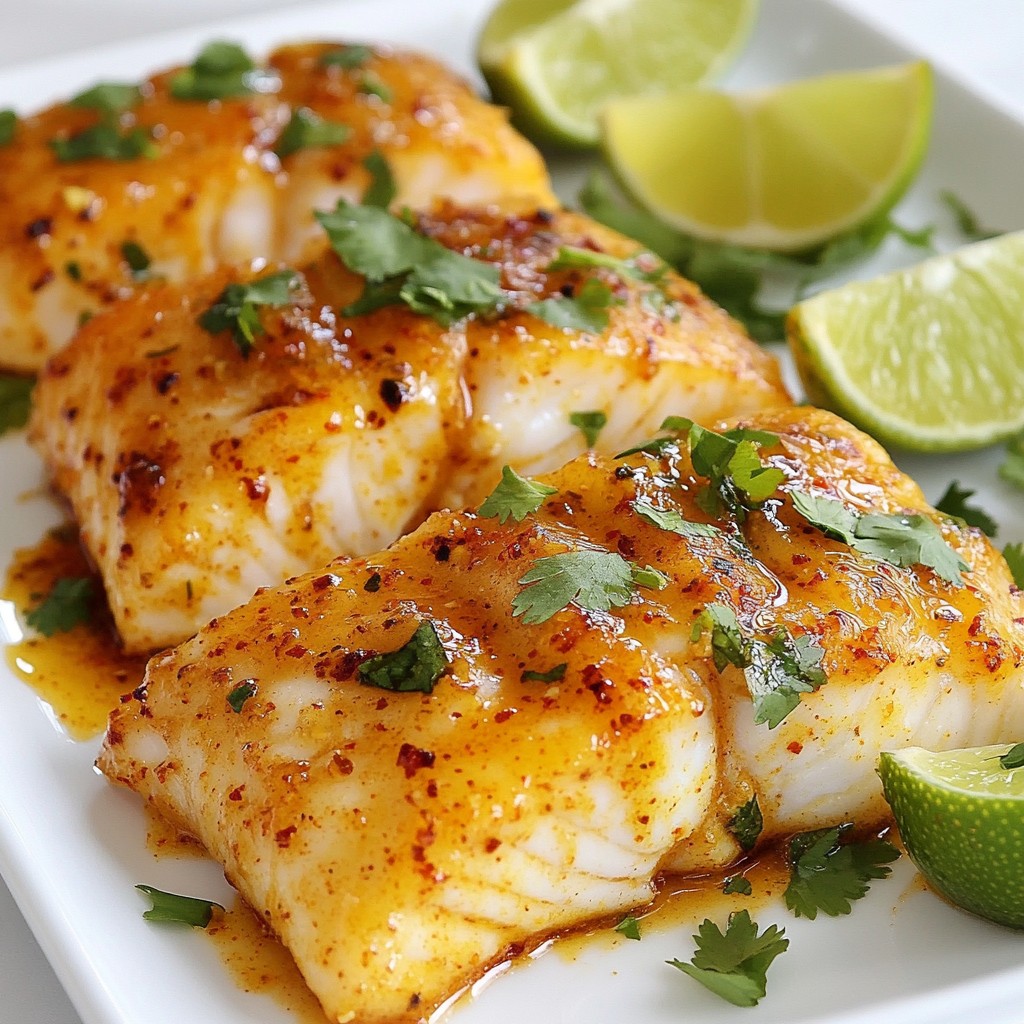
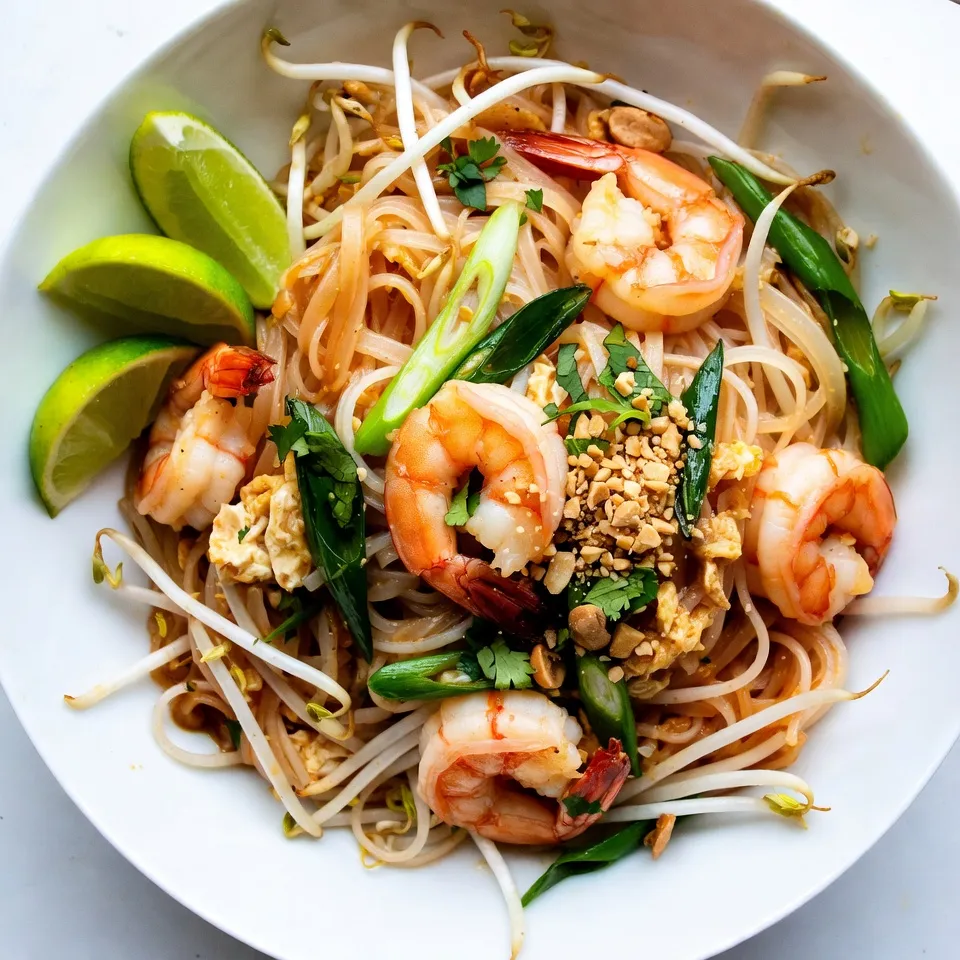
Easy Shrimp Pad Thai Flavorful and Quick Dinner Delight

- 8 oz rice noodles - 1 lb shrimp, peeled and deveined - 2 tablespoons vegetable oil - 2 cloves garlic, minced - 2 eggs, lightly beaten - 2 green onions, sliced - 1 cup bean sprouts - 3 tablespoons Pad Thai sauce (store-bought or homemade) - 1 tablespoon fish sauce - 1 tablespoon lime juice - ¼ cup crushed peanuts - Lime wedges for serving - Fresh cilantro, for garnish - Optional: Sriracha sauce for extra heat For this recipe, I start with rice noodles. They are soft and chewy. You need about 8 ounces. Next, I choose fresh shrimp. One pound of shrimp, peeled and deveined, works best. I use vegetable oil to cook everything. Two tablespoons is perfect. Garlic adds great flavor, so I use two cloves, minced. For richness, I add two lightly beaten eggs. Fresh vegetables bring color and crunch. I slice two green onions and add one cup of bean sprouts. For flavor, I use three tablespoons of Pad Thai sauce. I also add one tablespoon of fish sauce and one tablespoon of lime juice. To finish, I sprinkle ¼ cup of crushed peanuts on top. Lime wedges are great for serving. Fresh cilantro adds a lovely touch. If you like heat, Sriracha sauce is a tasty option. Each ingredient brings unique flavors, making this dish delightful! {{ingredient_image_1}} First, you need to cook the rice noodles. Follow the package guide for timing. I usually boil them until al dente. After cooking, drain the noodles. Rinse them under cold water to stop the cooking process. This step helps avoid sticking. Once rinsed, set the noodles aside for later. Heat a large pan or wok over medium-high heat. Add one tablespoon of vegetable oil. When the oil is hot, toss in the shrimp. Cook them for about 3 to 4 minutes. You want the shrimp to turn pink and opaque. This change shows they are done. Once cooked, remove the shrimp from the pan and set them aside. In the same pan, add another tablespoon of vegetable oil. Pour in the beaten eggs. Use a spatula to scramble them gently. Aim for fluffy eggs that are firm but soft. Once scrambled, push the eggs to one side of the pan. This will help with the next step. Now, add the minced garlic to the pan. Stir it for about 30 seconds until it smells great. Then, add the drained rice noodles. Pour in the Pad Thai sauce, fish sauce, and lime juice. Toss everything together well. Make sure the noodles are evenly coated and heated through. Next, add the cooked shrimp back into the pan. Include the sliced green onions and bean sprouts. Toss all the ingredients for another 2 to 3 minutes. This mixing ensures every bite is full of flavor. To serve, plate the shrimp Pad Thai beautifully. Sprinkle crushed peanuts on top for crunch. Add fresh cilantro for a burst of color. Serve with lime wedges on the side. If you like heat, drizzle some Sriracha sauce on top. Enjoy your meal! To cook shrimp perfectly, focus on timing. Cook shrimp for about 3-4 minutes. They should turn pink and opaque. Overcooking makes them tough and chewy. If you want a different protein, you can use chicken or tofu instead. Just adjust the cooking time for chicken, as it takes longer to cook through. For the best noodle texture, cook rice noodles until just al dente. This means they should be firm but not hard. After cooking, rinse them under cold water. This step stops the cooking and prevents sticking. To avoid clumping, toss the noodles with a bit of oil after rinsing. Using homemade Pad Thai sauce boosts flavor. You can mix soy sauce, tamarind, and sugar for a great taste. If you want some heat, drizzle Sriracha on top before serving. Adjust the amount based on your spice preference. Pro Tips Perfect Noodles: Make sure to cook the rice noodles just until al dente. Overcooked noodles can become mushy and lose their texture. High Heat Cooking: Use a high heat setting when cooking shrimp and noodles; this helps to achieve that classic stir-fried flavor and prevents them from steaming. Customize Your Sauce: Adjust the amount of Pad Thai sauce and fish sauce to match your taste preference. You can add more lime juice for extra tanginess. Fresh Ingredients: Always use fresh ingredients like cilantro and lime for garnish to enhance the flavors and presentation of your dish. {{image_2}} You can easily make this dish vegetarian or vegan. Just swap the shrimp for tofu. Firm tofu works best; it holds its shape when cooked. Cut it into small cubes and sauté it until golden brown. This gives it a nice texture. For sauces, check labels for vegan options. Some Pad Thai sauces contain fish sauce. You can use soy sauce or a mix of tamari and lime juice instead. This keeps the flavor rich and satisfying without animal products. If you want to switch things up, try chicken or beef. Thinly slice the protein of your choice. Cook it the same way as shrimp, but expect longer cooking times. Chicken takes about 5-7 minutes to cook, while beef usually needs 4-6 minutes. Always make sure meat is fully cooked to a safe temperature. Feel free to add your favorite veggies! Bell peppers, carrots, or snap peas work great. You can even toss in some broccoli for a crunchy bite. Seasonal veggies like zucchini or asparagus can also be delicious. Think about what’s fresh at the market. Adding seasonal ingredients boosts flavor and nutrition. You can mix and match to create your perfect Pad Thai! After enjoying your Easy Shrimp Pad Thai, let it cool down. Place leftovers in an airtight container. This keeps the flavors fresh and prevents spills. Store your Pad Thai in the fridge. It stays good for about three days. When it's time to eat your leftovers, reheating is simple. You can use a microwave or stovetop. If using the microwave, heat in short bursts. Stir in between to ensure even heating. For the stovetop, add a splash of water to keep it moist. Heat on low, stirring often until hot. If you want to save some for later, freezing is a great choice. First, let the Pad Thai cool completely. Then, portion it into freezer-safe bags. Remove as much air as possible. This helps prevent freezer burn. To thaw, place it in the fridge overnight. Reheat using the stovetop method for best results. Easy Shrimp Pad Thai lasts about 3 to 4 days in the fridge. Store it in an airtight container. Make sure to cool it before putting it away. This way, it stays fresh and tasty for your next meal. Yes, you can use different noodles! While rice noodles are classic, you can try egg noodles or even zucchini noodles. Just be aware that each noodle type may change the texture a bit. If you choose a different noodle, adjust the cooking time as needed. Pad Thai can be gluten-free, but it depends on the sauce. Rice noodles are gluten-free, but some Pad Thai sauces contain soy sauce, which has gluten. Look for gluten-free soy sauce or make your own sauce at home to keep it safe for gluten-free diets. If you need a substitute for fish sauce, try soy sauce or tamari for a soy-based option. You can mix soy sauce with a bit of lime juice for a similar flavor. If you want a vegan option, consider using mushroom soy sauce or a blend of soy sauce and miso. This recipe is mild but can be adjusted for more heat. If you love spice, add Sriracha sauce or red pepper flakes. Start with a little, then taste and add more if needed. Balance is key, so find the level of heat that you enjoy. This blog post covered the key steps to make Easy Shrimp Pad Thai. You learned about the best ingredients and how to cook them perfectly. We shared tips for storage, reheating, and creative variations. I hope you feel ready to create your own delicious meal. Enjoy experimenting with flavors and ingredients. Remember, cooking is about fun and creativity. Your perfect Pad Thai awaits.

WANT TO SAVE THIS RECIPE?

Looking for a quick, tasty dinner? Easy Shrimp Pad Thai is your answer! This dish is packed with flavor and comes together in no time. With simple ingredients and easy steps, you’ll impress your family without the stress. Get ready to enjoy a delightful meal that combines shrimp, veggies, and mouth-watering sauces—perfect for busy weeknights. Let’s dive into this quick and satisfying recipe!

Why I Love This Recipe

  1. Quick to Prepare: This shrimp Pad Thai can be whipped up in just 30 minutes, making it perfect for busy weeknights.
  2. Flavorful and Fresh: The combination of shrimp, garlic, and lime juice creates a vibrant and delicious dish that is sure to impress.
  3. Customizable: You can easily adjust the level of spice or add your favorite vegetables to make this recipe your own.
  4. Healthy Ingredients: With shrimp, bean sprouts, and fresh herbs, this dish is packed with nutrients while still being incredibly tasty.

Ingredients

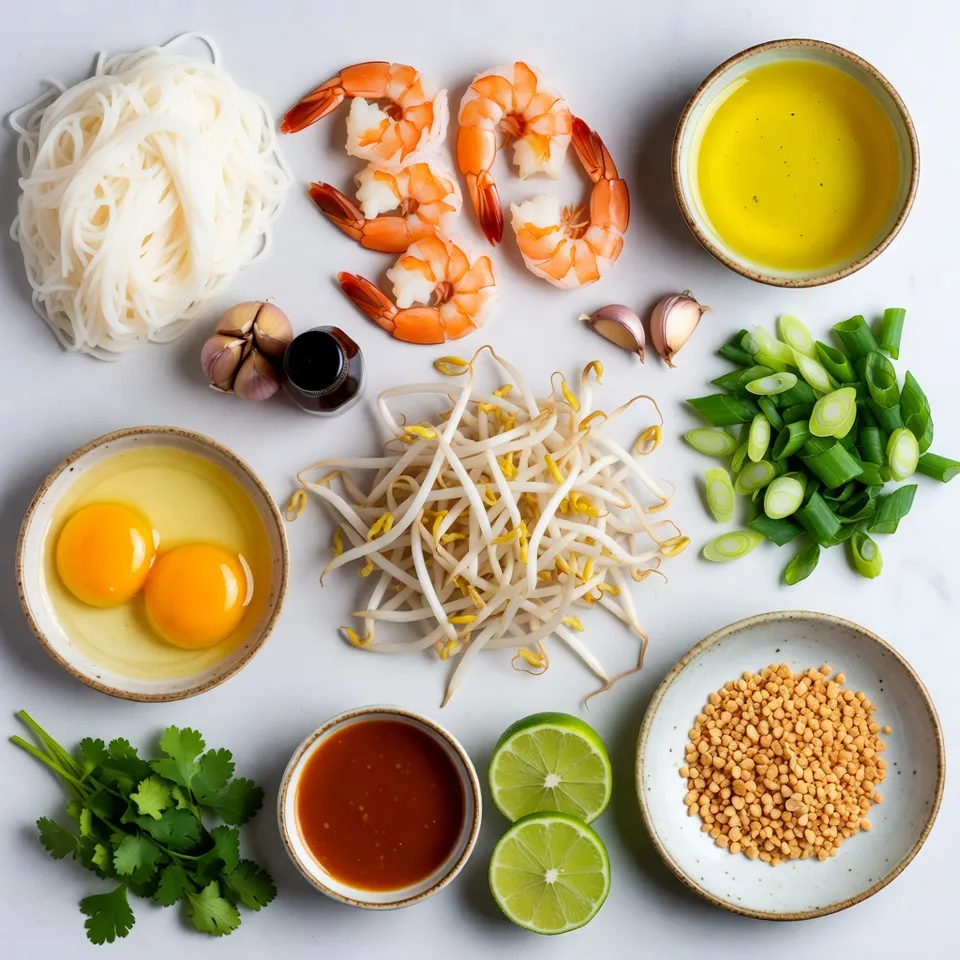
Complete list of ingredients for Easy Shrimp Pad Thai

  • 8 oz rice noodles
  • 1 lb shrimp, peeled and deveined
  • 2 tablespoons vegetable oil
  • 2 cloves garlic, minced
  • 2 eggs, lightly beaten
  • 2 green onions, sliced
  • 1 cup bean sprouts
  • 3 tablespoons Pad Thai sauce (store-bought or homemade)
  • 1 tablespoon fish sauce
  • 1 tablespoon lime juice
  • ¼ cup crushed peanuts
  • Lime wedges for serving
  • Fresh cilantro, for garnish
  • Optional: Sriracha sauce for extra heat

For this recipe, I start with rice noodles. They are soft and chewy. You need about 8 ounces. Next, I choose fresh shrimp. One pound of shrimp, peeled and deveined, works best.

I use vegetable oil to cook everything. Two tablespoons is perfect. Garlic adds great flavor, so I use two cloves, minced. For richness, I add two lightly beaten eggs.

Fresh vegetables bring color and crunch. I slice two green onions and add one cup of bean sprouts. For flavor, I use three tablespoons of Pad Thai sauce. I also add one tablespoon of fish sauce and one tablespoon of lime juice.

To finish, I sprinkle ¼ cup of crushed peanuts on top. Lime wedges are great for serving. Fresh cilantro adds a lovely touch. If you like heat, Sriracha sauce is a tasty option. Each ingredient brings unique flavors, making this dish delightful!
Step-by-Step Instructions

Preparing the Rice Noodles

First, you need to cook the rice noodles. Follow the package guide for timing. I usually boil them until al dente. After cooking, drain the noodles. Rinse them under cold water to stop the cooking process. This step helps avoid sticking. Once rinsed, set the noodles aside for later.

Cooking the Shrimp

Heat a large pan or wok over medium-high heat. Add one tablespoon of vegetable oil. When the oil is hot, toss in the shrimp. Cook them for about 3 to 4 minutes. You want the shrimp to turn pink and opaque. This change shows they are done. Once cooked, remove the shrimp from the pan and set them aside.

Scrambling the Eggs

In the same pan, add another tablespoon of vegetable oil. Pour in the beaten eggs. Use a spatula to scramble them gently. Aim for fluffy eggs that are firm but soft. Once scrambled, push the eggs to one side of the pan. This will help with the next step.

Sautéing Garlic and Noodles

Now, add the minced garlic to the pan. Stir it for about 30 seconds until it smells great. Then, add the drained rice noodles. Pour in the Pad Thai sauce, fish sauce, and lime juice. Toss everything together well. Make sure the noodles are evenly coated and heated through.

Combining with Vegetables

Next, add the cooked shrimp back into the pan. Include the sliced green onions and bean sprouts. Toss all the ingredients for another 2 to 3 minutes. This mixing ensures every bite is full of flavor.

Serving

To serve, plate the shrimp Pad Thai beautifully. Sprinkle crushed peanuts on top for crunch. Add fresh cilantro for a burst of color. Serve with lime wedges on the side. If you like heat, drizzle some Sriracha sauce on top. Enjoy your meal!

Tips & Tricks

Best practices for cooking shrimp

To cook shrimp perfectly, focus on timing. Cook shrimp for about 3-4 minutes. They should turn pink and opaque. Overcooking makes them tough and chewy. If you want a different protein, you can use chicken or tofu instead. Just adjust the cooking time for chicken, as it takes longer to cook through.

Achieving the right noodle texture

For the best noodle texture, cook rice noodles until just al dente. This means they should be firm but not hard. After cooking, rinse them under cold water. This step stops the cooking and prevents sticking. To avoid clumping, toss the noodles with a bit of oil after rinsing.

Flavor enhancements

Using homemade Pad Thai sauce boosts flavor. You can mix soy sauce, tamarind, and sugar for a great taste. If you want some heat, drizzle Sriracha on top before serving. Adjust the amount based on your spice preference.

Pro Tips

  1. Perfect Noodles: Make sure to cook the rice noodles just until al dente. Overcooked noodles can become mushy and lose their texture.
  2. High Heat Cooking: Use a high heat setting when cooking shrimp and noodles; this helps to achieve that classic stir-fried flavor and prevents them from steaming.
  3. Customize Your Sauce: Adjust the amount of Pad Thai sauce and fish sauce to match your taste preference. You can add more lime juice for extra tanginess.
  4. Fresh Ingredients: Always use fresh ingredients like cilantro and lime for garnish to enhance the flavors and presentation of your dish.

Variations

Vegetarian or Vegan alternatives

You can easily make this dish vegetarian or vegan. Just swap the shrimp for tofu. Firm tofu works best; it holds its shape when cooked. Cut it into small cubes and sauté it until golden brown. This gives it a nice texture.

For sauces, check labels for vegan options. Some Pad Thai sauces contain fish sauce. You can use soy sauce or a mix of tamari and lime juice instead. This keeps the flavor rich and satisfying without animal products.

Other protein options

If you want to switch things up, try chicken or beef. Thinly slice the protein of your choice. Cook it the same way as shrimp, but expect longer cooking times. Chicken takes about 5-7 minutes to cook, while beef usually needs 4-6 minutes. Always make sure meat is fully cooked to a safe temperature.

Customizable vegetable additions

Feel free to add your favorite veggies! Bell peppers, carrots, or snap peas work great. You can even toss in some broccoli for a crunchy bite. Seasonal veggies like zucchini or asparagus can also be delicious.

Think about what’s fresh at the market. Adding seasonal ingredients boosts flavor and nutrition. You can mix and match to create your perfect Pad Thai!

Storage Info

Proper cooling and storing methods

After enjoying your Easy Shrimp Pad Thai, let it cool down. Place leftovers in an airtight container. This keeps the flavors fresh and prevents spills. Store your Pad Thai in the fridge. It stays good for about three days.

Reheating instructions

When it’s time to eat your leftovers, reheating is simple. You can use a microwave or stovetop. If using the microwave, heat in short bursts. Stir in between to ensure even heating. For the stovetop, add a splash of water to keep it moist. Heat on low, stirring often until hot.

Freezing options

If you want to save some for later, freezing is a great choice. First, let the Pad Thai cool completely. Then, portion it into freezer-safe bags. Remove as much air as possible. This helps prevent freezer burn. To thaw, place it in the fridge overnight. Reheat using the stovetop method for best results.

FAQs

How long does Easy Shrimp Pad Thai last in the fridge?

Easy Shrimp Pad Thai lasts about 3 to 4 days in the fridge. Store it in an airtight container. Make sure to cool it before putting it away. This way, it stays fresh and tasty for your next meal.

Can I use different noodles?

Yes, you can use different noodles! While rice noodles are classic, you can try egg noodles or even zucchini noodles. Just be aware that each noodle type may change the texture a bit. If you choose a different noodle, adjust the cooking time as needed.

Is Pad Thai gluten-free?

Pad Thai can be gluten-free, but it depends on the sauce. Rice noodles are gluten-free, but some Pad Thai sauces contain soy sauce, which has gluten. Look for gluten-free soy sauce or make your own sauce at home to keep it safe for gluten-free diets.

What can I use instead of fish sauce?

If you need a substitute for fish sauce, try soy sauce or tamari for a soy-based option. You can mix soy sauce with a bit of lime juice for a similar flavor. If you want a vegan option, consider using mushroom soy sauce or a blend of soy sauce and miso.

How spicy is this recipe?

This recipe is mild but can be adjusted for more heat. If you love spice, add Sriracha sauce or red pepper flakes. Start with a little, then taste and add more if needed. Balance is key, so find the level of heat that you enjoy.

This blog post covered the key steps to make Easy Shrimp Pad Thai. You learned about the best ingredients and how to cook them perfectly. We shared tips for storage, reheating, and creative variations. I hope you feel ready to create your own delicious meal. Enjoy experimenting with flavors and ingredients. Remember, cooking is about fun and creativity. Your perfect Pad Thai await
- 8 oz rice noodles - 1 lb shrimp, peeled and deveined - 2 tablespoons vegetable oil - 2 cloves garlic, minced - 2 eggs, lightly beaten - 2 green onions, sliced - 1 cup bean sprouts - 3 tablespoons Pad Thai sauce (store-bought or homemade) - 1 tablespoon fish sauce - 1 tablespoon lime juice - ¼ cup crushed peanuts - Lime wedges for serving - Fresh cilantro, for garnish - Optional: Sriracha sauce for extra heat For this recipe, I start with rice noodles. They are soft and chewy. You need about 8 ounces. Next, I choose fresh shrimp. One pound of shrimp, peeled and deveined, works best. I use vegetable oil to cook everything. Two tablespoons is perfect. Garlic adds great flavor, so I use two cloves, minced. For richness, I add two lightly beaten eggs. Fresh vegetables bring color and crunch. I slice two green onions and add one cup of bean sprouts. For flavor, I use three tablespoons of Pad Thai sauce. I also add one tablespoon of fish sauce and one tablespoon of lime juice. To finish, I sprinkle ¼ cup of crushed peanuts on top. Lime wedges are great for serving. Fresh cilantro adds a lovely touch. If you like heat, Sriracha sauce is a tasty option. Each ingredient brings unique flavors, making this dish delightful! {{ingredient_image_1}} First, you need to cook the rice noodles. Follow the package guide for timing. I usually boil them until al dente. After cooking, drain the noodles. Rinse them under cold water to stop the cooking process. This step helps avoid sticking. Once rinsed, set the noodles aside for later. Heat a large pan or wok over medium-high heat. Add one tablespoon of vegetable oil. When the oil is hot, toss in the shrimp. Cook them for about 3 to 4 minutes. You want the shrimp to turn pink and opaque. This change shows they are done. Once cooked, remove the shrimp from the pan and set them aside. In the same pan, add another tablespoon of vegetable oil. Pour in the beaten eggs. Use a spatula to scramble them gently. Aim for fluffy eggs that are firm but soft. Once scrambled, push the eggs to one side of the pan. This will help with the next step. Now, add the minced garlic to the pan. Stir it for about 30 seconds until it smells great. Then, add the drained rice noodles. Pour in the Pad Thai sauce, fish sauce, and lime juice. Toss everything together well. Make sure the noodles are evenly coated and heated through. Next, add the cooked shrimp back into the pan. Include the sliced green onions and bean sprouts. Toss all the ingredients for another 2 to 3 minutes. This mixing ensures every bite is full of flavor. To serve, plate the shrimp Pad Thai beautifully. Sprinkle crushed peanuts on top for crunch. Add fresh cilantro for a burst of color. Serve with lime wedges on the side. If you like heat, drizzle some Sriracha sauce on top. Enjoy your meal! To cook shrimp perfectly, focus on timing. Cook shrimp for about 3-4 minutes. They should turn pink and opaque. Overcooking makes them tough and chewy. If you want a different protein, you can use chicken or tofu instead. Just adjust the cooking time for chicken, as it takes longer to cook through. For the best noodle texture, cook rice noodles until just al dente. This means they should be firm but not hard. After cooking, rinse them under cold water. This step stops the cooking and prevents sticking. To avoid clumping, toss the noodles with a bit of oil after rinsing. Using homemade Pad Thai sauce boosts flavor. You can mix soy sauce, tamarind, and sugar for a great taste. If you want some heat, drizzle Sriracha on top before serving. Adjust the amount based on your spice preference. Pro Tips Perfect Noodles: Make sure to cook the rice noodles just until al dente. Overcooked noodles can become mushy and lose their texture. High Heat Cooking: Use a high heat setting when cooking shrimp and noodles; this helps to achieve that classic stir-fried flavor and prevents them from steaming. Customize Your Sauce: Adjust the amount of Pad Thai sauce and fish sauce to match your taste preference. You can add more lime juice for extra tanginess. Fresh Ingredients: Always use fresh ingredients like cilantro and lime for garnish to enhance the flavors and presentation of your dish. {{image_2}} You can easily make this dish vegetarian or vegan. Just swap the shrimp for tofu. Firm tofu works best; it holds its shape when cooked. Cut it into small cubes and sauté it until golden brown. This gives it a nice texture. For sauces, check labels for vegan options. Some Pad Thai sauces contain fish sauce. You can use soy sauce or a mix of tamari and lime juice instead. This keeps the flavor rich and satisfying without animal products. If you want to switch things up, try chicken or beef. Thinly slice the protein of your choice. Cook it the same way as shrimp, but expect longer cooking times. Chicken takes about 5-7 minutes to cook, while beef usually needs 4-6 minutes. Always make sure meat is fully cooked to a safe temperature. Feel free to add your favorite veggies! Bell peppers, carrots, or snap peas work great. You can even toss in some broccoli for a crunchy bite. Seasonal veggies like zucchini or asparagus can also be delicious. Think about what’s fresh at the market. Adding seasonal ingredients boosts flavor and nutrition. You can mix and match to create your perfect Pad Thai! After enjoying your Easy Shrimp Pad Thai, let it cool down. Place leftovers in an airtight container. This keeps the flavors fresh and prevents spills. Store your Pad Thai in the fridge. It stays good for about three days. When it's time to eat your leftovers, reheating is simple. You can use a microwave or stovetop. If using the microwave, heat in short bursts. Stir in between to ensure even heating. For the stovetop, add a splash of water to keep it moist. Heat on low, stirring often until hot. If you want to save some for later, freezing is a great choice. First, let the Pad Thai cool completely. Then, portion it into freezer-safe bags. Remove as much air as possible. This helps prevent freezer burn. To thaw, place it in the fridge overnight. Reheat using the stovetop method for best results. Easy Shrimp Pad Thai lasts about 3 to 4 days in the fridge. Store it in an airtight container. Make sure to cool it before putting it away. This way, it stays fresh and tasty for your next meal. Yes, you can use different noodles! While rice noodles are classic, you can try egg noodles or even zucchini noodles. Just be aware that each noodle type may change the texture a bit. If you choose a different noodle, adjust the cooking time as needed. Pad Thai can be gluten-free, but it depends on the sauce. Rice noodles are gluten-free, but some Pad Thai sauces contain soy sauce, which has gluten. Look for gluten-free soy sauce or make your own sauce at home to keep it safe for gluten-free diets. If you need a substitute for fish sauce, try soy sauce or tamari for a soy-based option. You can mix soy sauce with a bit of lime juice for a similar flavor. If you want a vegan option, consider using mushroom soy sauce or a blend of soy sauce and miso. This recipe is mild but can be adjusted for more heat. If you love spice, add Sriracha sauce or red pepper flakes. Start with a little, then taste and add more if needed. Balance is key, so find the level of heat that you enjoy. This blog post covered the key steps to make Easy Shrimp Pad Thai. You learned about the best ingredients and how to cook them perfectly. We shared tips for storage, reheating, and creative variations. I hope you feel ready to create your own delicious meal. Enjoy experimenting with flavors and ingredients. Remember, cooking is about fun and creativity. Your perfect Pad Thai awaits.

Easy Shrimp Pad Thai

A quick and delicious shrimp pad thai recipe that's easy to make at home.
Prep Time 15 minutes
Cook Time 15 minutes
Total Time 30 minutes
Course Main Course
Cuisine Thai
Servings 4
Calories 400 kcal

Ingredients
  

  • 8 oz rice noodles
  • 1 lb shrimp, peeled and deveined
  • 2 tablespoons vegetable oil
  • 2 cloves garlic, minced
  • 2 eggs lightly beaten
  • 2 green onions sliced
  • 1 cup bean sprouts
  • 3 tablespoons Pad Thai sauce
  • 1 tablespoon fish sauce
  • 1 tablespoon lime juice
  • ¼ cup crushed peanuts
  • to taste lime wedges for serving
  • to taste fresh cilantro for garnish
  • to taste Sriracha sauce (optional)

Instructions
 

  • Cook the rice noodles according to package instructions until al dente. Drain and rinse under cold water to prevent sticking. Set aside.
  • In a large pan or wok, heat 1 tablespoon of vegetable oil over medium-high heat. Add the shrimp and sauté until they turn pink and opaque, about 3-4 minutes. Remove shrimp from the pan and set aside.
  • In the same pan, add another tablespoon of vegetable oil. Pour in the beaten eggs and scramble until firm but still soft. Push the eggs to one side of the pan.
  • Add the minced garlic to the pan and stir for about 30 seconds until fragrant. Then, add the drained rice noodles. Pour in the Pad Thai sauce, fish sauce, and lime juice. Toss everything together until the noodles are evenly coated and heated through.
  • Add the cooked shrimp, sliced green onions, and bean sprouts to the noodle mixture. Toss everything for another 2-3 minutes until well mixed and heated through.
  • Plate the shrimp Pad Thai and sprinkle with crushed peanuts. Garnish with fresh cilantro and serve with lime wedges on the side. For an extra kick, drizzle with Sriracha sauce if desired.

Notes

For extra heat, drizzle with Sriracha sauce.
Keyword easy recipe, noodles, pad thai, shrimp

WANT TO SAVE THIS RECIPE?

Related Posts