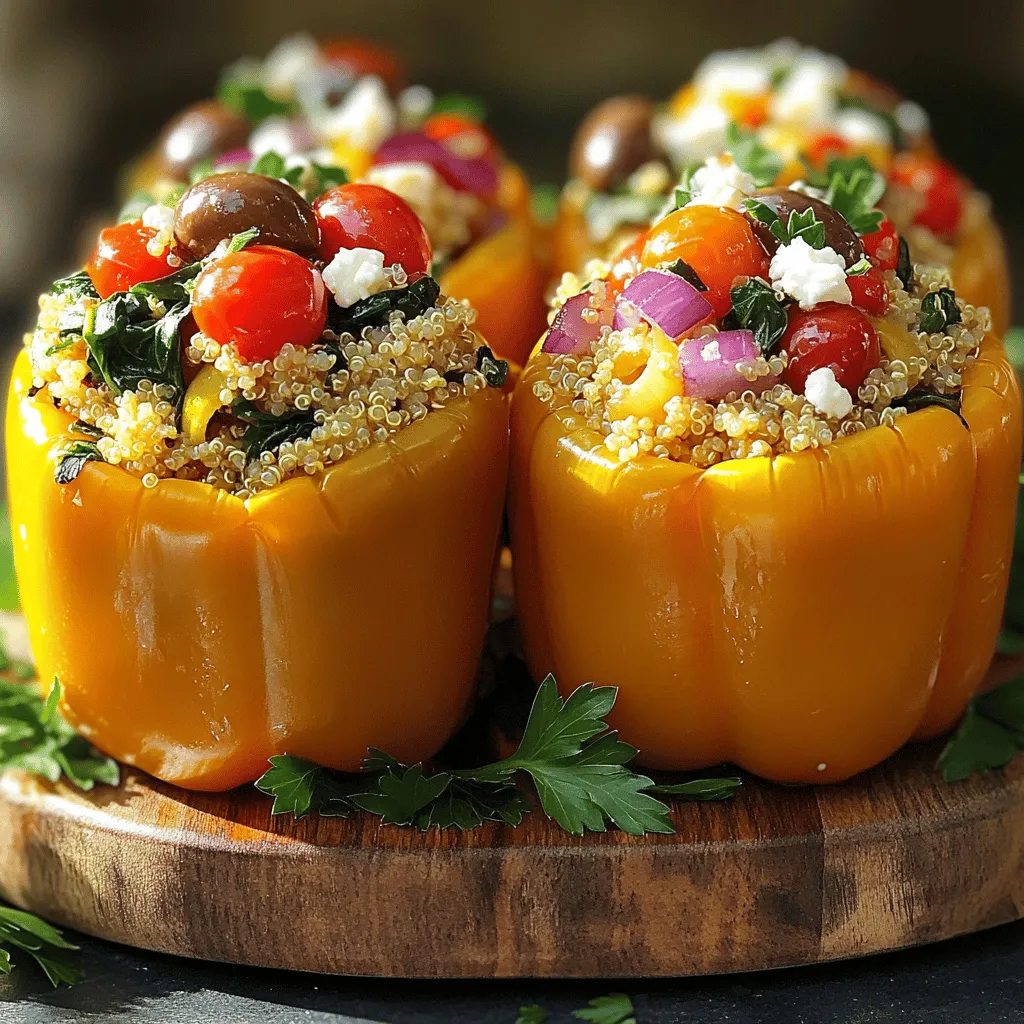
Greek Stuffed Peppers Tasty and Simple Recipe Guide

If you love vibrant flavors and healthy meals, Greek stuffed peppers are a must-try! In my simple recipe guide, I’ll show you how to make these delicious, colorful dishes with ease. Packed with fresh ingredients and great taste, this recipe is perfect for anyone seeking a hearty meal. Plus, you’ll find tips and tricks to avoid common mistakes! Let’s dive into this tasty culinary adventure together.
Why I Love This Recipe
- Healthy and Nutritious: These stuffed peppers are packed with protein-rich quinoa, fresh vegetables, and flavorful feta cheese, making them a wholesome meal option.
- Easy to Customize: You can easily adapt the filling to suit your tastes or dietary preferences by adding different vegetables or proteins.
- Vibrant Presentation: The colorful bell peppers not only look stunning on the plate but also add a delightful crunch to each bite.
- Great for Meal Prep: These stuffed peppers reheat well, making them an excellent option for meal prep for the week ahead.
Ingredients
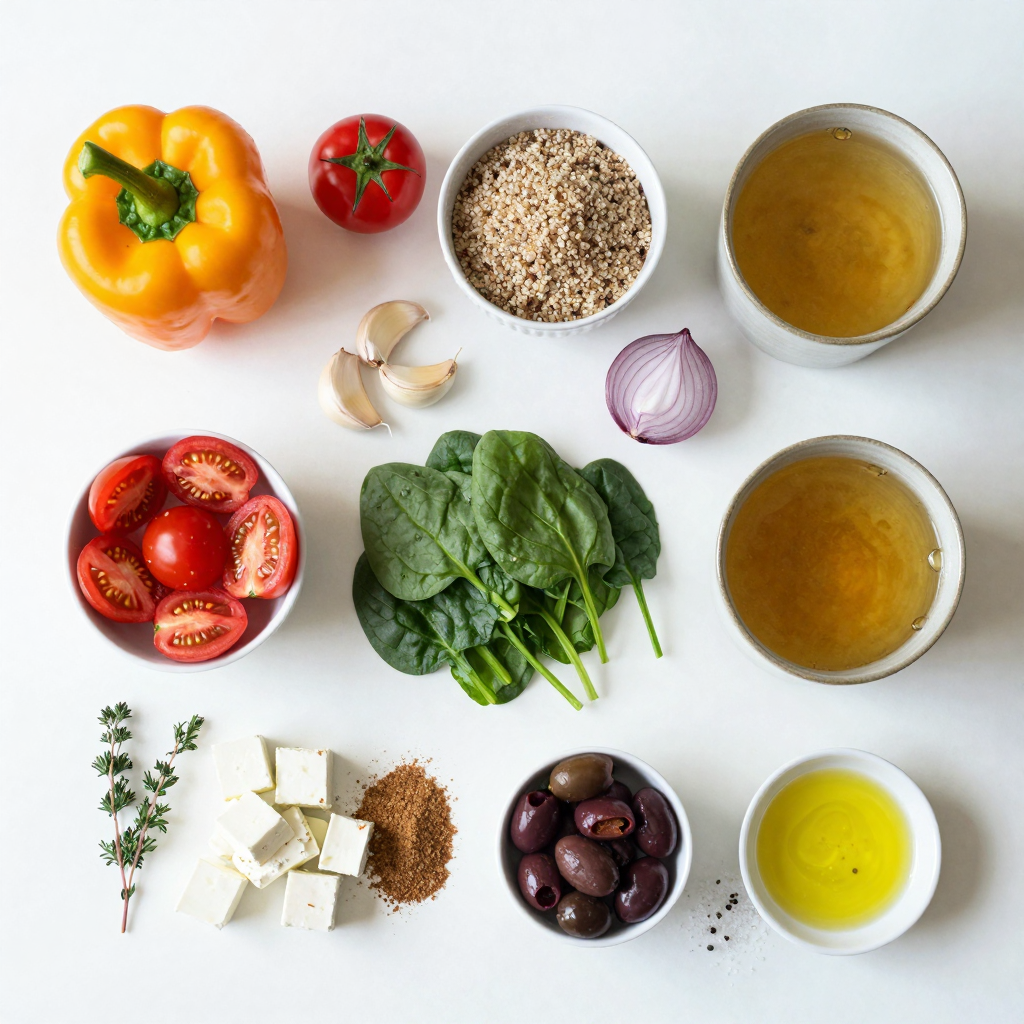
Complete list of ingredients for Greek Stuffed Peppers
To make Greek stuffed peppers, gather these simple ingredients:
- 4 large bell peppers (any color)
- 1 cup quinoa, rinsed
- 2 cups vegetable broth
- 1 small red onion, finely chopped
- 2 cloves garlic, minced
- 1 cup cherry tomatoes, halved
- 1 cup baby spinach, chopped
- 1/2 cup Kalamata olives, pitted and chopped
- 1/2 cup feta cheese, crumbled
- 2 teaspoons dried oregano
- 1 teaspoon ground cumin
- 2 tablespoons olive oil
- Salt and pepper to taste
- Fresh parsley, chopped (for garnish)
Tips for choosing fresh bell peppers
When selecting bell peppers, look for bright colors and firm skin. Avoid peppers with wrinkles or soft spots. A good pepper should feel heavy for its size. Check the stem; it should be green and fresh. This ensures you get the best flavor and texture for your dish.
Substitutions for common ingredients
You can swap quinoa for rice or couscous if you prefer. If you want a creamier taste, use ricotta cheese instead of feta. For a vegan option, skip the cheese and use nutritional yeast for flavor. You can replace Kalamata olives with green olives if you enjoy a milder taste.
Step-by-Step Instructions
Detailed cooking steps for Greek Stuffed Peppers
1. First, preheat your oven to 375°F (190°C).
2. Next, cut the tops off the bell peppers and remove the seeds. Brush the outside with olive oil. Place them upside down in a baking dish.
3. In a medium pot, add 1 cup of rinsed quinoa and 2 cups of vegetable broth. Bring it to a simmer, then cover. Cook for about 15 minutes until fluffy. Set aside.
4. In a large skillet, heat 2 tablespoons of olive oil over medium heat. Add the chopped red onion and minced garlic. Sauté for about 3-4 minutes until the onion is clear.
5. Now, stir in the halved cherry tomatoes and chopped baby spinach. Cook until the spinach wilts, which takes about 2 minutes.
6. Add the cooked quinoa to the skillet. Then mix in the chopped olives, crumbled feta, oregano, cumin, salt, and pepper. Stir well.
7. Carefully stuff each bell pepper with the quinoa mixture until full.
8. Pour about 1/4 cup of vegetable broth into the baking dish. This keeps the peppers moist. Cover the dish with aluminum foil.
9. Bake the stuffed peppers for 30-35 minutes. They should be tender. Remove the foil for the last 10 minutes to brown the tops.
10. Once they’re done, take them out and let cool for a few minutes. Garnish with fresh parsley.
Cooking times and temperature guidelines
- Preheat oven: 375°F (190°C)
- Cooking time: 30-35 minutes
- Quinoa cooking time: About 15 minutes
Visual guidance: photos or videos to illustrate each step
A photo series showing each step can help you visualize the process. From cutting the peppers to stuffing them, images can guide you. Watching a video of the cooking steps can also make it easier. Look for cooking blogs or YouTube channels that focus on Greek recipes for extra help.
Pro Tips
- Choose Colorful Peppers: Using a mix of bell pepper colors adds visual appeal and enhances the dish’s presentation.
- Pre-cook Quinoa: Make sure the quinoa is fluffy before mixing it with other ingredients to ensure even cooking and texture.
- Customize Fillings: Feel free to add other vegetables or proteins like ground turkey or chickpeas for a unique twist on the recipe.
- Let Them Rest: Allow the stuffed peppers to cool slightly before serving for better flavor integration and easier handling.
Tips & Tricks
Common pitfalls to avoid when making stuffed peppers
One common pitfall is undercooking the peppers. If you don’t bake them long enough, they can be crunchy. Aim for 30-35 minutes in the oven. Another mistake is overfilling the peppers. Stuff them generously, but don’t force too much in. This can lead to spills and messy presentation. Lastly, avoid skipping the broth in the baking dish. This keeps the peppers moist and flavorful.
How to ensure the peppers remain tender
To keep your peppers tender, choose large and ripe bell peppers. They should feel firm but not hard. When preparing them, remove the seeds and ribs gently. Brushing the outside with olive oil also helps. During baking, cover the dish with foil for the first part. This traps steam and softens the peppers. Remove the foil for the last 10 minutes to achieve a nice char.
Best practices for flavor enhancement
To boost flavor, use fresh herbs like parsley or basil. Mixing spices like oregano and cumin adds depth to your filling. Consider adding lemon juice to brighten the dish. You can also enhance the stuffing with roasted nuts or seeds for a crunchy texture. Finally, serve with a drizzle of good olive oil and extra feta on top for a tasty finish.

Variations
Alternative ingredients for different dietary preferences
You can easily change the recipe to fit your needs. For a gluten-free option, use rice instead of quinoa. If you want a vegan dish, skip the feta cheese or use a plant-based alternative. You can also swap the olives for capers if you dislike them. These small changes keep the flavors fresh and exciting.
Regional variations of Greek stuffed peppers
Greek stuffed peppers may vary by region. In Crete, they often add ground meat like lamb or beef. In other areas, you might find rice mixed with herbs and spices. Some cooks use eggplants or zucchini instead of bell peppers. These variations show how local ingredients shape this classic dish.
Suggestions for serving variations (side dishes)
When serving Greek stuffed peppers, sides elevate the meal. Try a simple Greek salad with cucumbers, tomatoes, and olives. Tzatziki sauce pairs well for dipping, adding a cool contrast. Roasted vegetables or a warm pita bread can also round out the meal. These options make your dinner more colorful and tasty.
Storage Info
How to properly store leftover stuffed peppers
After you enjoy your Greek stuffed peppers, store any leftovers right away. Place them in an airtight container. This keeps them fresh. Make sure to let them cool first. Store them in the fridge. They will last for about 3 to 4 days. If you want to keep them longer, consider freezing.
Reheating tips to retain flavor and texture
To reheat your stuffed peppers, use the oven or microwave. For the oven, preheat it to 350°F (175°C). Place the peppers on a baking dish. Cover them with foil to keep moisture in. Heat for about 20 minutes. In the microwave, place them on a microwave-safe plate. Heat for 2 to 3 minutes. Check if they are warm throughout. This method helps them stay tasty and not dry out.
Freezing instructions for long-term storage
If you want to freeze your stuffed peppers, follow these steps. First, let them cool completely. Wrap each pepper in plastic wrap. Then, place them in a freezer bag or container. Label the bag with the date. They can stay in the freezer for up to 3 months. When you’re ready to eat, thaw them in the fridge overnight. Then, reheat as mentioned above.
FAQs
What can I use instead of quinoa in this recipe?
You can use rice or couscous instead of quinoa. Both options work well. Rice gives a nice texture. Couscous cooks quickly and adds fluff. You might also try farro or bulgur for a different taste. If you prefer gluten-free options, use cauliflower rice. Just keep cooking times in mind for each ingredient.
Can I make Greek stuffed peppers ahead of time?
Yes, you can prepare Greek stuffed peppers ahead of time. Stuff the peppers and place them in the fridge for a day. This makes dinner simple and quick. Just remember to bake them before serving. If you want, you can freeze them too. Just bake them from frozen, adding more time as needed.
What’s the best way to serve Greek Stuffed Peppers?
Serve Greek stuffed peppers warm. Place them upright on a platter for a pretty look. Drizzle with olive oil and sprinkle extra feta and parsley on top. You can also pair them with a side salad or some crusty bread. This adds freshness and crunch to your meal. Enjoy the colors and flavors!
Greek stuffed peppers are easy and fun to make. We covered the ingredients, cooking steps, and helpful tips. You learned about choosing fresh peppers and tasty substitutions. Plus, we explored variations to fit different diets and how to store leftovers. Remember to check cooking times to get tender peppers. Using these tips will help you create flavorful dishes. Enjoy making Greek stuffed peppers, and don’t forget to share them with friends and family!
Greek Stuffed Peppers
Ingredients
4 large bell peppers (any color)
1 cup quinoa, rinsed
2 cups vegetable broth
1 small red onion, finely chopped
2 cloves garlic, minced
1 cup cherry tomatoes, halved
1 cup baby spinach, chopped
1/2 cup Kalamata olives, pitted and chopped
1/2 cup feta cheese, crumbled
2 teaspoons dried oregano
1 teaspoon ground cumin
2 tablespoons olive oil
Salt and pepper to taste
Fresh parsley, chopped (for garnish)
Instructions
Preheat your oven to 375°F (190°C).
Cut the tops off the bell peppers and remove the seeds. Lightly brush the outside with olive oil and place them upside down in a baking dish.
In a medium pot, combine the quinoa and vegetable broth. Bring to a simmer, cover, and cook for about 15 minutes or until the quinoa is fluffy and the liquid is absorbed. Set aside.
In a large skillet, heat 2 tablespoons of olive oil over medium heat. Add the chopped red onion and minced garlic, sautéing until the onion is translucent (about 3-4 minutes).
Stir in the halved cherry tomatoes and chopped baby spinach, cooking until the spinach is wilted (about 2 minutes).
Add the cooked quinoa to the skillet along with the chopped olives, feta cheese, oregano, cumin, salt, and pepper. Mix well to combine.
Carefully stuff each bell pepper with the quinoa mixture until they are generously filled.
Pour a small amount of vegetable broth into the baking dish (about 1/4 cup) to keep the peppers moist during baking. Cover the dish with aluminum foil.
Bake the stuffed peppers for 30-35 minutes or until the peppers are tender. Remove the foil for the last 10 minutes for a lightly charred top.
Once done, remove from the oven and let cool slightly before garnishing with fresh parsley.
Prep Time: 20 minutes | Total Time: 55 minutes | Servings: 4
Presentation Tips: Place the stuffed peppers upright on a serving platter, drizzle with a little olive oil, and sprinkle extra feta and parsley on top for an appealing finish. Enjoy your Mediterranean feast!

Greek Stuffed Peppers
Ingredients
- 4 large bell peppers (any color)
- 1 cup quinoa, rinsed
- 2 cups vegetable broth
- 1 small red onion, finely chopped
- 2 cloves garlic, minced
- 1 cup cherry tomatoes, halved
- 1 cup baby spinach, chopped
- 0.5 cup Kalamata olives, pitted and chopped
- 0.5 cup feta cheese, crumbled
- 2 teaspoons dried oregano
- 1 teaspoon ground cumin
- 2 tablespoons olive oil
- Salt and pepper to taste
- Fresh parsley, chopped (for garnish)
Instructions
- Preheat your oven to 375°F (190°C).
- Cut the tops off the bell peppers and remove the seeds. Lightly brush the outside with olive oil and place them upside down in a baking dish.
- In a medium pot, combine the quinoa and vegetable broth. Bring to a simmer, cover, and cook for about 15 minutes or until the quinoa is fluffy and the liquid is absorbed. Set aside.
- In a large skillet, heat 2 tablespoons of olive oil over medium heat. Add the chopped red onion and minced garlic, sautéing until the onion is translucent (about 3-4 minutes).
- Stir in the halved cherry tomatoes and chopped baby spinach, cooking until the spinach is wilted (about 2 minutes).
- Add the cooked quinoa to the skillet along with the chopped olives, feta cheese, oregano, cumin, salt, and pepper. Mix well to combine.
- Carefully stuff each bell pepper with the quinoa mixture until they are generously filled.
- Pour a small amount of vegetable broth into the baking dish (about 1/4 cup) to keep the peppers moist during baking. Cover the dish with aluminum foil.
- Bake the stuffed peppers for 30-35 minutes or until the peppers are tender. Remove the foil for the last 10 minutes for a lightly charred top.
- Once done, remove from the oven and let cool slightly before garnishing with fresh parsley.
- Presentation Tips: Place the stuffed peppers upright on a serving platter, drizzle with a little olive oil, and sprinkle extra feta and parsley on top for an appealing finish. Enjoy your Mediterranean feast!


![- 1 cup long-grain white rice - 2 cups vegetable broth - 1/4 cup fresh cilantro, finely chopped - 2 tablespoons lime juice - Zest of 1 lime - 1 tablespoon olive oil - 1 teaspoon garlic powder - 1/2 teaspoon cumin - Salt and pepper to taste - Additional herbs (e.g., parsley, green onions) - Jalapeños for heat - Avocado for creaminess Cilantro lime rice is simple yet packed with flavor. This dish shines with its fresh ingredients. The long-grain white rice serves as the base. I like using vegetable broth instead of water for extra taste. Fresh cilantro adds a vibrant kick. The lime juice and zest give it a refreshing twist. Garlic powder and cumin round out the taste beautifully. You can customize it with optional ingredients. Add more herbs for depth. If you like spice, toss in jalapeños. For a creamy touch, include avocado. Follow the [Full Recipe] to see how to combine these ingredients perfectly. Enjoy how easy it is to make this dish your own! 1. Rinse the rice Start by rinsing 1 cup of long-grain white rice under cold water. Do this until the water runs clear. Rinsing helps remove excess starch. This simple step keeps the rice fluffy and light. 2. Combine rice and broth Next, take the rinsed rice and put it in a medium saucepan. Add 2 cups of vegetable broth to the pan. This broth adds rich flavor to the rice. 1. Bring to a boil Place the saucepan on the stove over medium-high heat. Bring the mixture to a boil. Watch it closely so it doesn’t overflow. 2. Reduce heat and simmer Once it boils, reduce the heat to low. Cover the pot and let it simmer. Cook for 18 to 20 minutes. The rice will become tender, and the broth will be absorbed. 1. Fluff and mix in additional ingredients After cooking, remove the pot from heat. Keep it covered for 5 more minutes to let the rice steam. Then, fluff the rice gently using a fork. Add 1 tablespoon of olive oil, 2 tablespoons of lime juice, and the zest of 1 lime. Sprinkle in 1 teaspoon of garlic powder and 1/2 teaspoon of cumin. Add salt and pepper to taste. 2. Taste and adjust seasoning Finally, stir in 1/4 cup of finely chopped fresh cilantro. Mix well so all the flavors blend. Taste your rice and adjust the seasoning if needed. You can add more lime juice or salt based on your preference. This is how you can create a bright, zesty Cilantro Lime Rice that pairs perfectly with many dishes. For the full recipe, check the earlier section! To make fluffy rice, rinsing is key. Rinsing removes extra starch. This helps prevent the rice from being sticky. Just put the rice in a fine mesh strainer. Run cold water over it until the water runs clear. After cooking, let the rice steam. Once you take the pot off the heat, keep it covered. Let it sit for 5 more minutes. This extra time lets the rice absorb steam. The result is light, fluffy rice. You can make this rice even better with a few tweaks. Try adding lime zest. The zest gives a bright flavor that pops in your mouth. You can also add spices like chili powder or smoked paprika. These will give it a new twist that you’ll love. Many people overcook their rice. This makes it mushy and unappetizing. Always check the rice a few minutes before the suggested cooking time. Another mistake is not tasting as you cook. Tasting helps you adjust flavors. If you find it needs more salt or lime juice, add a bit. Always trust your taste buds! For the full recipe, check out the complete instructions provided above. {{image_2}} You can swap rice for quinoa in this recipe. Quinoa cooks faster than rice. Use 1 cup of quinoa and 2 cups of vegetable broth. Bring it to a boil, then reduce heat. Cook for 15 minutes until tender. Fluff it like rice, and mix in the lime and cilantro. This gives a nutty flavor and is also gluten-free. Try adding coconut milk for a creamy twist. Use 1 cup of coconut milk and 1 cup of broth. This makes the rice rich and sweet. When mixing, adjust the lime juice to balance the sweetness. Coconut cilantro rice works great with spicy dishes. For a kick, add chili powder or fresh chilies. Mix in 1 teaspoon of chili powder when you add the spices. You can also swap the vegetable broth with spicy broth. The heat boosts the flavor and adds excitement to your meal. For more details, check the Full Recipe. To keep your cilantro lime rice fresh, use these tips: - Refrigeration tips: Let the rice cool to room temperature. Then, place it in the fridge. Store it in an airtight container. This keeps moisture in and prevents it from drying out. Your rice can last for about 4 to 5 days in the fridge. - Best containers for storage: Use glass or plastic containers with tight lids. These help keep the rice fresh. Label the containers with the date you made the rice. This way, you can keep track of how long it has been stored. Want to save some for later? Follow these steps to freeze your rice: - How to freeze portions efficiently: Divide the rice into smaller portions. This makes it easier to thaw later. Use freezer bags or containers. Remove as much air as possible before sealing. This helps to prevent freezer burn. - Reheating methods: To reheat, let the rice thaw in the fridge overnight. If you're in a hurry, you can microwave it straight from the freezer. Add a splash of water to keep it moist. Heat in short bursts, stirring in between, until warm. Enjoy your tasty cilantro lime rice anytime! To make great cilantro lime rice, start by rinsing the rice. This removes extra starch and makes the rice fluffy. Use two cups of vegetable broth for cooking. It adds a nice flavor. After cooking, let the rice steam for five more minutes. This step makes a big difference. Then, mix in lime juice, zest, and chopped cilantro. Taste it before serving. Adjust the salt and lime juice to your liking. Yes, this dish is already vegan! It uses vegetable broth and olive oil. If you want to add more flavor, try using different spices. You can also add veggies like bell peppers or corn. They will mix well with the rice. This way, you can create a tasty, colorful dish. Cilantro lime rice can last about four to five days in the fridge. Store it in an airtight container. If it starts to smell sour or looks dry, it's time to toss it. To keep it fresh, reheat only the portion you want to serve. You can use brown rice, but it takes longer to cook. Brown rice needs about 45 minutes to become tender. The flavor will be nuttier and more earthy. Adjust the vegetable broth to three cups for better results. Brown rice is a great choice for added nutrients. Cilantro lime rice is simple and full of flavor. You learned how to prepare it with key ingredients like rice, vegetable broth, and lime. The step-by-step instructions ensure you get fluffy rice every time. Tips on storing and variations let you customize and enjoy this dish later. Remember, cooking is all about trial and error. Don’t be afraid to experiment with flavors. Enjoy making and sharing your cilantro lime rice!](https://dailydishlab.com/wp-content/uploads/2025/06/503ca899-6dce-4c01-b610-1df73e26138f-768x768.webp)