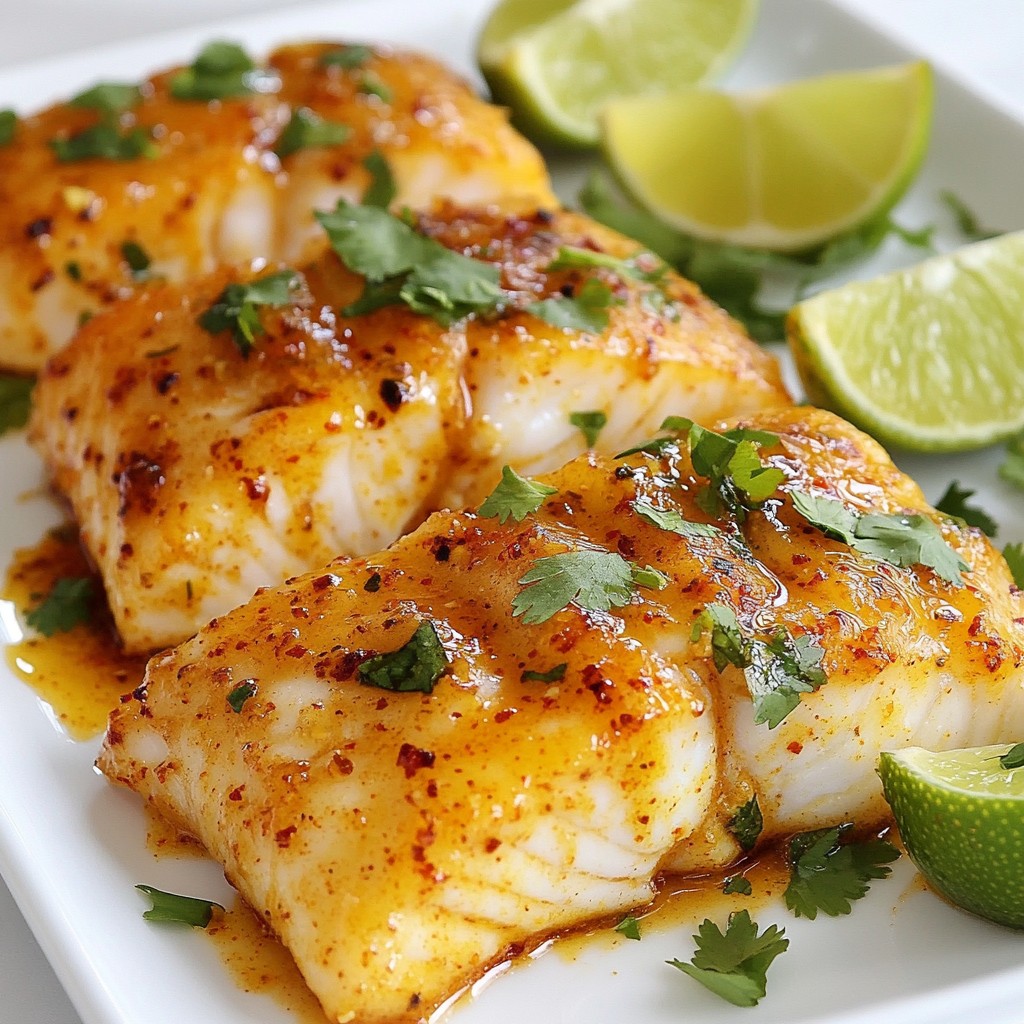
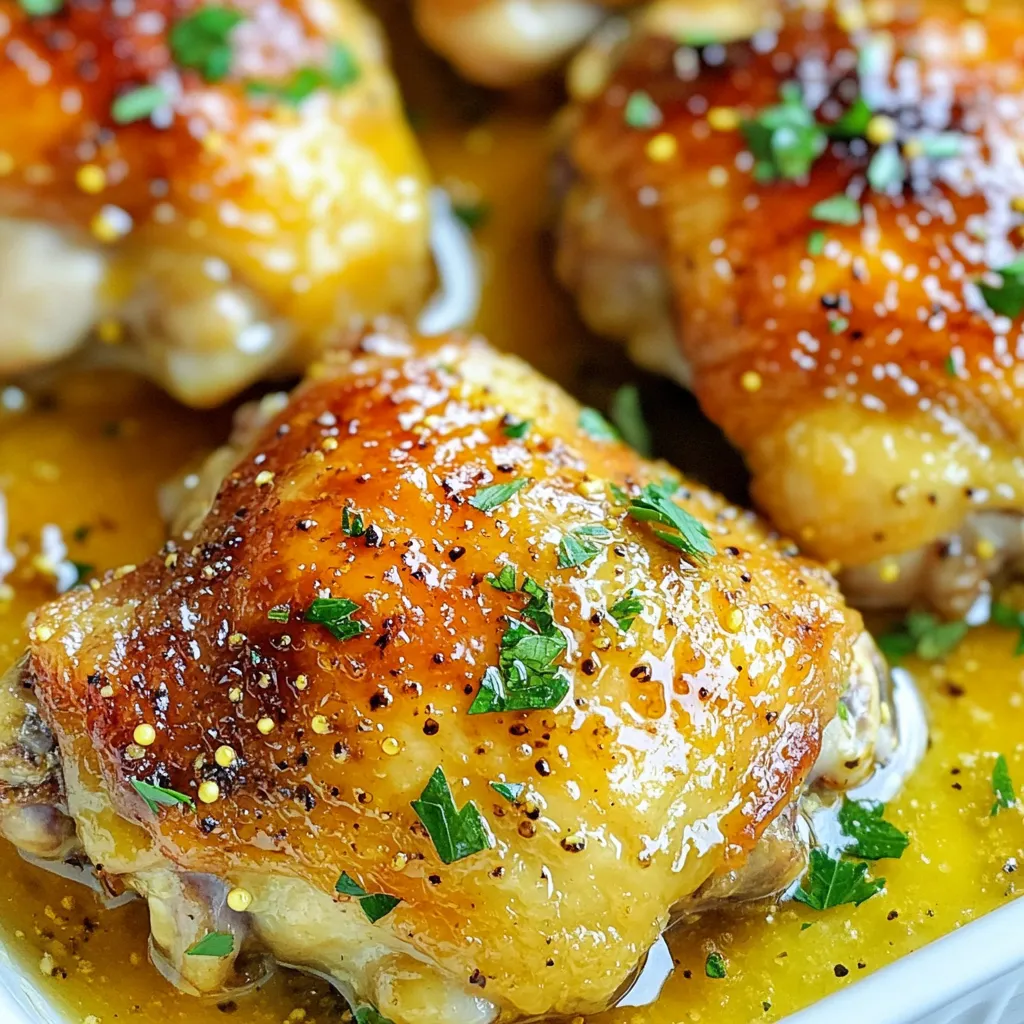
Honey Mustard Chicken Thighs Juicy and Flavorful Bake

Looking for a dinner that’s easy and packed with flavor? You’re in the right place! Honey Mustard Chicken Thighs are juicy, flavorful, and perfect for any night of the week. With simple ingredients like honey, Dijon mustard, and tender chicken, you can create a dish that’s sure to impress your family. Join me as we dive into a step-by-step guide to baking these mouth-watering thighs to perfection!
Why I Love This Recipe
- Easy to Prepare: This recipe only takes 10 minutes of prep time, making it perfect for busy weeknights.
- Flavorful Marinade: The combination of honey and Dijon mustard creates a sweet and tangy flavor that complements the chicken beautifully.
- Perfectly Crispy Skin: With the skin-on thighs baked to a golden crisp, each bite is packed with texture and taste.
- Versatile Dish: This chicken pairs wonderfully with various sides, from roasted vegetables to a fresh salad, making it a flexible meal option.
Ingredients
Main Ingredients
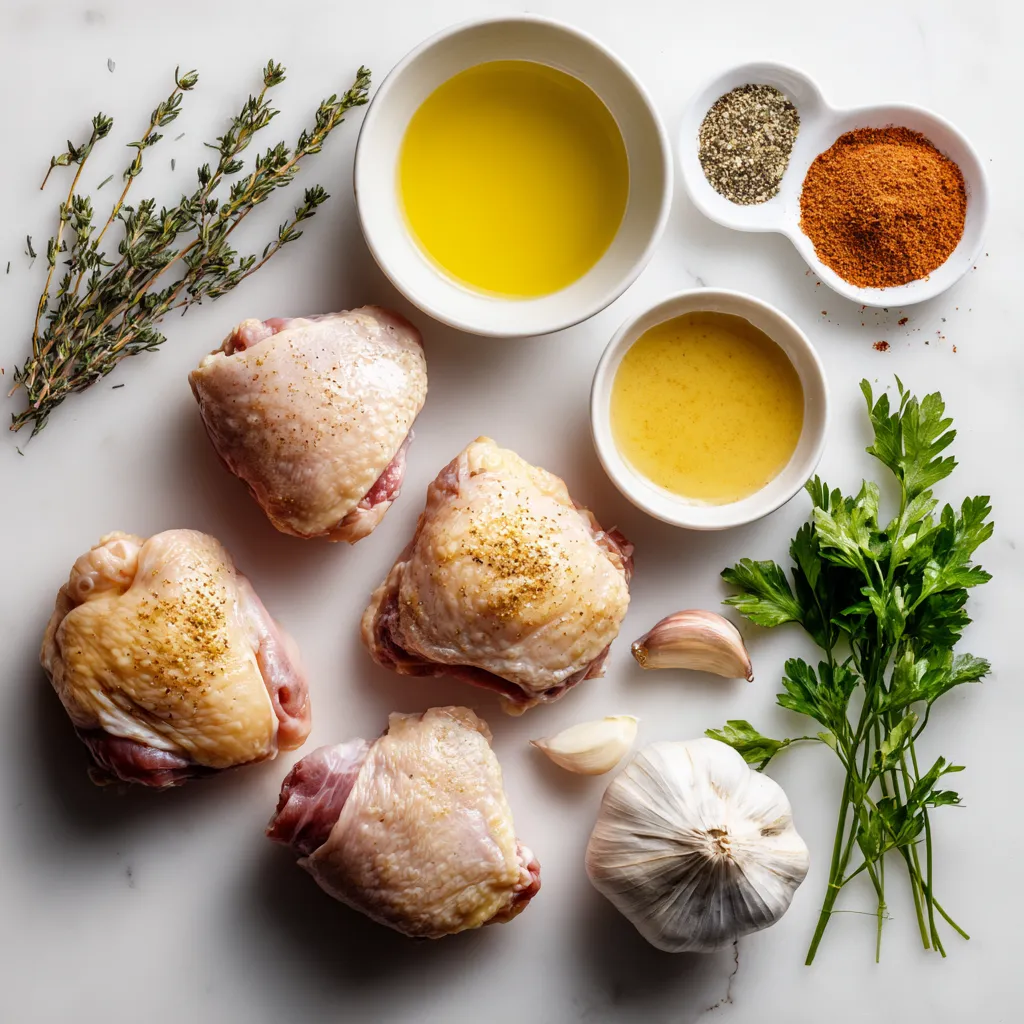
- 4 bone-in, skin-on chicken thighs
- ¼ cup honey
- ¼ cup Dijon mustard
- 2 tablespoons olive oil
- 2 cloves garlic, minced
The main ingredients for honey mustard chicken thighs create a burst of flavor. The bone-in, skin-on chicken thighs give a juicy texture and rich taste. Honey adds sweetness, while Dijon mustard brings a tangy kick. Olive oil helps blend the flavors, and minced garlic adds depth.
Seasonings
- 1 teaspoon dried thyme
- ½ teaspoon paprika
- Salt and pepper to taste
- Fresh parsley, chopped (for garnish)
Seasonings enhance the dish. Dried thyme adds an earthy note, while paprika gives warmth and color. Salt and pepper balance the flavors, making every bite delicious. Fresh parsley brings a pop of color and freshness at the end. This mix of ingredients creates a dish that is both simple and full of flavor.
Step-by-Step Instructions
Preparation Steps
First, you need to preheat your oven to 400°F (200°C). This step ensures the chicken cooks evenly and gets that nice crisp skin. While the oven heats, you can prepare the honey mustard marinade. In a medium bowl, whisk together the following:
- ¼ cup honey
- ¼ cup Dijon mustard
- 2 tablespoons olive oil
- 2 cloves garlic, minced
- 1 teaspoon dried thyme
- ½ teaspoon paprika
- Salt and pepper to taste
Mix until smooth. This sauce is the star of the dish.
Marinating the Chicken
Next, place your chicken thighs in a baking dish, skin-side up. Pour the honey mustard marinade over the chicken, covering each piece well. Now, how long should you marinate? Let the chicken sit for at least 30 minutes. For even better flavor, marinate in the refrigerator for up to 4 hours. This step allows the chicken to soak in all those tasty flavors.
Cooking the Chicken
Once marinated, it’s time to bake. Place the baking dish in your preheated oven. Bake the chicken for 35-40 minutes. You want the chicken to reach an internal temperature of 165°F (75°C). This ensures it is safe to eat. The skin should be golden and crispy when done.
For extra caramelization, you can broil the chicken for the last 2-3 minutes. Keep an eye on it to prevent burning. After baking, let the chicken rest for 5 minutes before serving. Garnish it with fresh chopped parsley for a lovely touch!
Tips & Tricks
Achieving Crispy Skin
To get crispy skin on your chicken thighs, aim for a high cooking temperature. Bake at 400°F (200°C). This heat ensures the skin crisps up while the meat cooks. After baking, you can broil the chicken for the last 2-3 minutes. Broiling gives the skin an extra caramelized finish. Just keep an eye on it to avoid burning.
Perfecting the Marinade Flavor
For the best flavor, marinate the chicken for at least 30 minutes. However, if you can, let it sit in the fridge for up to 4 hours. This time allows the flavors to soak into the meat. You can also enhance the marinade. Try adding a splash of apple cider vinegar for tang or some hot sauce for a kick.
Serving Suggestions
When serving, think about great side dishes. Roasted veggies or a fresh salad pair well with the chicken. You can also serve it with rice or quinoa for a filling meal. For plating, arrange the chicken nicely on a platter. Garnish with fresh parsley for color and a touch of elegance. This makes your dish look even more enticing.
Pro Tips
- Marinate Longer for More Flavor: Allowing the chicken to marinate for at least 2 hours, or overnight if possible, will enhance the flavor profile significantly, making the chicken more succulent.
- Use a Meat Thermometer: To ensure your chicken is perfectly cooked, use a meat thermometer to check that the internal temperature reaches 165°F (75°C).
- Experiment with Mustard Varieties: For different flavor profiles, try using whole grain mustard or spicy brown mustard in place of Dijon.
- Serve with Sides: Pair your honey mustard chicken thighs with roasted vegetables or a fresh salad for a complete meal.

Variations
Honey Mustard Variants
You can change the mustard in this recipe. Try whole grain mustard for a grainy texture. If you want heat, use spicy mustard. For a sweet twist, swap honey for maple syrup or agave nectar. Each option adds a new flavor to your dish, making it fun to experiment.
Cooking Method Alternatives
Grilling honey mustard chicken gives it a nice smoky flavor. Marinate the chicken as usual, then grill over medium heat for about 6-7 minutes on each side. You can also use a slow cooker for a hands-off method. Just place the marinated chicken in the slow cooker. Cook it on low for 4-5 hours or on high for about 2-3 hours. This makes the chicken very tender and juicy.
Dietary Substitutions
If you need a gluten-free option, check your mustard label. Some mustards contain gluten. Use gluten-free soy sauce in place of regular soy sauce if you want to add a salty note. For those on a keto or paleo diet, skip the honey. Use a sugar substitute like erythritol to keep it low-carb. Enjoy these variations to fit your diet and taste!
Storage Info
Storing Leftovers
To keep your honey mustard chicken thighs fresh, use airtight containers. Glass or plastic containers work well. Make sure they seal tightly. This keeps air out and prevents drying. Store the chicken in the fridge. It stays good for up to four days. If you want to store it longer, freezing is a great option.
Reheating Instructions
When reheating, avoid the microwave if you can. Microwaves can dry out the chicken. Instead, use an oven or stovetop. Preheat your oven to 350°F (175°C). Place the chicken in a baking dish with a splash of water. Cover it with foil. Heat for about 20 minutes. This keeps it juicy and warm.
You can also freeze the cooked chicken. Wrap each piece in foil first, then place it in a freezer bag. It stays tasty for up to three months. When you want to eat it, thaw it in the fridge overnight before reheating. Enjoying your honey mustard chicken thighs later is always a treat!
FAQs
How long should I marinate honey mustard chicken thighs?
You should marinate the chicken thighs for at least 30 minutes. This time allows the flavors to soak in. If you have more time, marinate them in the fridge for up to 4 hours. Longer marination gives you deeper flavor. Remember, the honey and mustard mix tenderizes the meat.
What temperature should chicken thighs be cooked to?
Chicken thighs need to reach an internal temperature of 165°F (75°C). This temperature ensures the chicken is safe to eat. Using a meat thermometer helps you check this easily. Cooking to the right temperature keeps the meat juicy. Undercooked chicken can lead to foodborne illness, so be careful.
Can I use boneless chicken thighs?
Yes, you can use boneless chicken thighs in this recipe. They will cook faster than bone-in thighs. Adjust your baking time to about 25-30 minutes. Check the internal temperature to ensure they are done. Boneless thighs are still delicious and will absorb the marinade well.
In this post, we covered how to prepare honey mustard chicken thighs. We discussed key ingredients like chicken, honey, and Dijon mustard. We explored marinating and cooking techniques for juicy, flavorful chicken. Tips ensured crispy skin and enhanced flavors. You now have variations and storage suggestions for leftovers.
This dish is simple yet satisfying. Enjoying your meal is as important as making it. Happy cookin
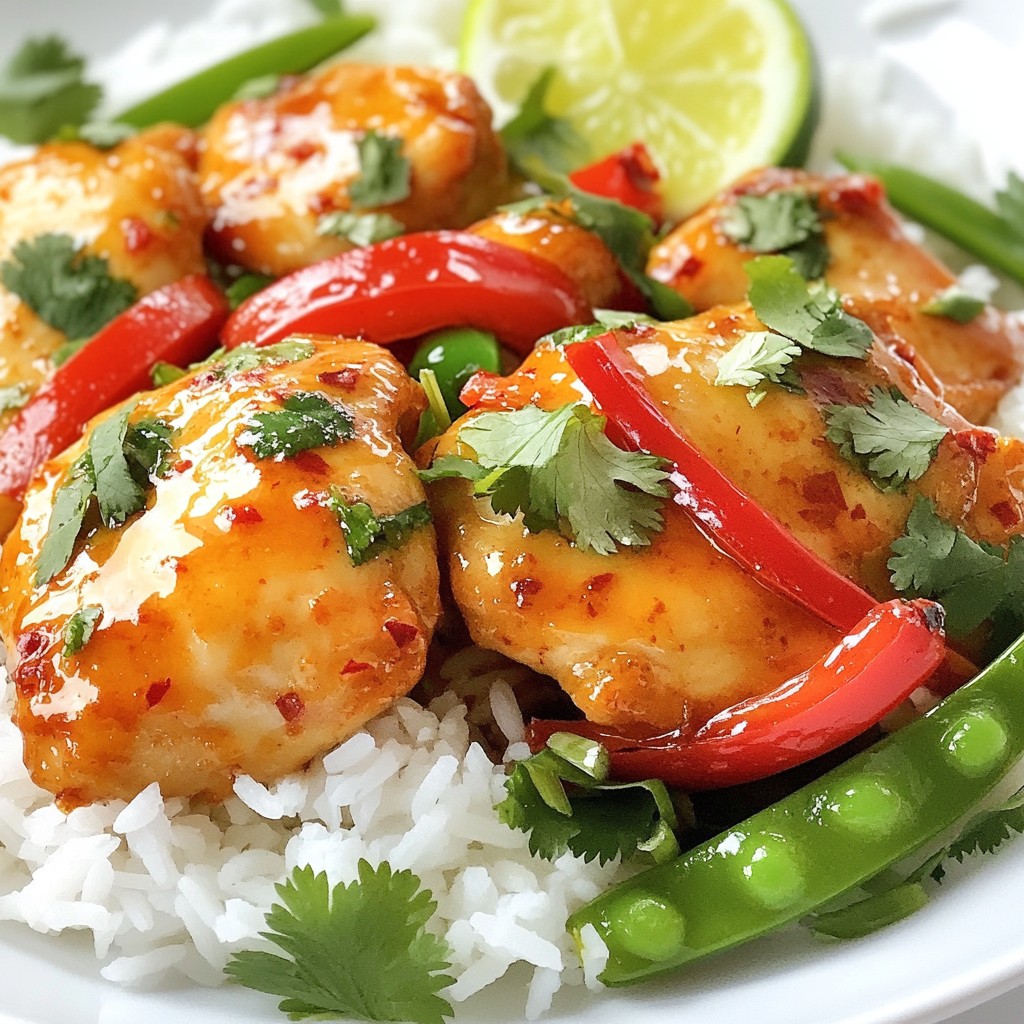
Honey Mustard Chicken Thighs
Ingredients
- 4 pieces bone-in, skin-on chicken thighs
- 0.25 cup honey
- 0.25 cup Dijon mustard
- 2 tablespoons olive oil
- 2 cloves garlic, minced
- 1 teaspoon dried thyme
- 0.5 teaspoon paprika
- to taste salt and pepper
- for garnish fresh parsley, chopped
Instructions
- Preheat your oven to 400°F (200°C).
- In a medium bowl, whisk together the honey, Dijon mustard, olive oil, minced garlic, dried thyme, paprika, salt, and pepper until smooth. This will be your marinade.
- In a baking dish, place the chicken thighs skin-side up. Pour the honey mustard marinade over the chicken, ensuring each thigh is well coated.
- Let the chicken marinate for at least 30 minutes. For enhanced flavor, marinate in the refrigerator for up to 4 hours.
- Once marinated, place the baking dish in the preheated oven. Bake for 35-40 minutes, or until the chicken is cooked through and the skin is golden and crispy. An internal temperature of 165°F (75°C) should be reached.
- Optional: For an extra caramelized finish, set the oven to broil for the last 2-3 minutes of cooking—watch closely to prevent burning.
- Remove the chicken from the oven and let it rest for 5 minutes. Garnish with fresh chopped parsley before serving.


![To make this dish, you need simple and fresh ingredients. Here’s what you'll need: - 1 whole chicken (about 4-5 lbs) - 2 lemons (one for juicing, one for slicing) - 4 tablespoons olive oil - 4 cloves garlic, minced - 1 tablespoon fresh rosemary, chopped - 1 tablespoon fresh thyme, chopped - 1 tablespoon fresh parsley, chopped - Salt and pepper, to taste - 1 large onion, quartered - 1 cup chicken broth This mix brings out bright flavors and makes the chicken delicious. The lemon juice adds zing, while the herbs give it depth. You can boost the taste with a few extra ingredients. Try adding: - 1 teaspoon paprika for a smoky touch - 1 tablespoon Dijon mustard for a hint of tang - A pinch of chili flakes for some heat These additions can personalize your dish and make it even more exciting. Pair your chicken with sides that complement its flavors. Here are some great options: - Roasted vegetables like carrots and potatoes - A green salad with a light vinaigrette - Garlic bread to soak up the tasty juices These sides create a balanced meal and make dinner feel special. For the full recipe, check out the details above. First, gather your ingredients. You need a whole chicken, lemons, olive oil, garlic, and herbs. I love using fresh rosemary, thyme, and parsley. These add great flavor. Start by preheating your oven to 425°F (220°C). Next, pat the chicken dry with paper towels. This helps the skin crisp up while roasting. Place the chicken in a roasting pan. In a bowl, mix olive oil, juice from one lemon, minced garlic, and the chopped herbs. Add salt and pepper to taste. This mix is packed with flavor! Now, rub this mixture all over the chicken. Make sure to get it under the skin. This step is key for juicy meat. Stuff the chicken's cavity with the quartered onion and sliced lemon. This adds moisture and aroma while cooking. Pour chicken broth into the roasting pan. This keeps the chicken moist. Next, tie the chicken legs together with kitchen twine. Tuck the wing tips under the bird. This helps the chicken cook evenly. Roast the chicken in your preheated oven. It should take about 1 hour and 15 minutes. Use a meat thermometer to check that it hits 165°F (74°C). Halfway through, baste the chicken with pan juices. This adds extra flavor and moisture. Once done, take the chicken out of the oven. Let it rest for 10-15 minutes before carving. This helps the juices settle. For carving, use a sharp knife. Start with the legs, then move to the breast. For a lovely presentation, place the carved chicken on a large platter. Add fresh lemon slices and sprinkle more herbs on top. Serve with sides like roasted vegetables or a green salad for a complete meal. For the full recipe, check the details above. To make your Lemon Herb Roasted Chicken burst with flavor, start with fresh herbs. Fresh rosemary, thyme, and parsley work best. They add a bright taste that dried herbs can’t match. Always rub the herb mix under the chicken skin. This step seals in the flavors. Squeeze the juice of one lemon over the chicken too. The lemon gives a nice tang and helps balance the richness of the meat. Juiciness is key to a great roasted chicken. First, make sure to pat the chicken dry. This helps the skin crisp up. Pour chicken broth into the pan before roasting. This broth creates steam, keeping the meat moist. Basting the chicken with its pan juices halfway through cooking adds flavor and moisture. Finally, let the chicken rest after roasting. This step helps the juices settle for a tender bite. One common mistake is not preheating the oven. Always preheat to 425°F (220°C) to ensure even cooking. Don’t skip the kitchen twine either. Tying the legs helps the chicken cook evenly. Avoid opening the oven too often, as this lets heat escape. Lastly, don’t rush the resting time after cooking. This time allows for a juicier chicken. For a complete guide, check out the Full Recipe. {{image_2}} You can mix up your herbs for new tastes. Instead of rosemary, try sage or dill. These herbs give a different feel to the chicken. You can also use dried herbs. They work well if you do not have fresh ones. Just use one-third of the amount. This change keeps the dish fresh and fun. You can roast this chicken in many ways. An air fryer cooks it quick and gives a nice crisp skin. Cook at 375°F for about 50 minutes. A slow cooker is another option. Cook on low for 6 to 8 hours. This method keeps the chicken super juicy and tender. Each method has its charm, making dinner easy and tasty. This lemon herb roasted chicken is already gluten-free. You can enjoy it safe without worry. For a keto diet, skip any starchy sides. Instead, serve it with a salad or steamed veggies. This keeps your meal low in carbs but high in flavor. You can enjoy a delicious meal that fits your needs! For the full recipe, check out [Full Recipe]. After enjoying your lemon herb roasted chicken, store the leftovers. Let the chicken cool first. Place it in an airtight container. Keep it in the fridge. Use the leftovers within three to four days. You can shred the meat for salads or sandwiches. This way, you avoid waste and enjoy tasty meals. If you want to save your chicken longer, freezing is a great option. Cut the chicken into portions. Wrap each piece tightly in plastic wrap. Then, place the wrapped chicken in a freezer bag. Remove as much air as possible. Label the bag with the date. When you're ready to eat, thaw it overnight in the fridge. Reheat the chicken in the oven at 350°F (175°C) until warm. This will keep it juicy and delicious. Lemon herb roasted chicken lasts in the fridge for three to four days. If frozen, it stays good for about four months. After that, the quality may drop. Always check for any off smells or changes in texture before eating. Keeping track of how long it’s been stored helps ensure your meals stay safe and tasty. You can tell when the chicken is done by checking its temperature. Use a meat thermometer to check the thickest part of the thigh. The safe internal temperature is 165°F (74°C). If the juices run clear, it is also a good sign. Always let the chicken rest after cooking. This allows the juices to spread and keeps the meat moist. Yes, you can use chicken parts. Thighs, breasts, or drumsticks work well. Just adjust the cooking time. Smaller pieces will cook faster, so keep an eye on them. They may take about 30 to 45 minutes to cook through. Ensure each piece reaches 165°F (74°C) for safety. If you don’t have fresh herbs, you can use dried ones. Use about one-third of the amount of dried herbs compared to fresh. For example, if the recipe calls for one tablespoon of fresh rosemary, use one teaspoon of dried rosemary. Dried herbs can still add great flavor. Experiment with different ones to find your favorite mix. For the complete cooking process, check out the Full Recipe. Lemon herb roasted chicken is a delightful dish you can easily make at home. We covered the key ingredients and how to prepare and roast your chicken for the best taste. I shared tips for keeping the chicken juicy and avoiding common mistakes. I also highlighted variations for unique flavors and dietary needs and provided storage information for leftovers. Remember, cooking is about enjoyment. Experiment and have fun with this recipe to make it your own. Enjoy your delicious meal!](https://dailydishlab.com/wp-content/uploads/2025/06/834e469e-ee3b-4758-a8f8-2aa538b40a90-768x768.webp)

![To make this dish, you need fresh seafood and pasta. Here are the main ingredients: - 8 oz (225g) linguine or spaghetti - 1 lb (450g) shrimp, peeled and deveined - 1 lb (450g) scallops, patted dry These ingredients give you the perfect base for a seafood pasta that tastes like a dream. Seasoning can make or break your dish. Here are the key seasonings and additions: - 3 tablespoons olive oil, divided - 3 cloves garlic, minced - 1 cup cherry tomatoes, halved - 1 teaspoon red pepper flakes (adjust to taste) - 1 lemon, zested and juiced - 1 cup fresh spinach, roughly chopped - Salt and pepper to taste - Fresh parsley, chopped, for garnish These flavors blend beautifully, making your pasta lively and bright. You can use different types of pasta for this dish. I recommend: - Linguine - Spaghetti Both options work well. They hold the sauce nicely and pair well with the seafood. For a twist, try fettuccine or penne. Each adds its own charm to the dish. For the complete recipe, check out the [Full Recipe]. Start by filling a large pot with water. Add a pinch of salt to the water. Bring the water to a rolling boil. Once boiling, add 8 ounces of linguine or spaghetti. Cook it according to the package instructions until it's al dente. Before you drain it, save 1 cup of the pasta water. Drain the pasta and set it aside, keeping it warm. Grab a large skillet and place it over medium heat. Pour in 2 tablespoons of olive oil. Wait until the oil shimmers, then add 1 pound of shrimp, peeled and deveined. Cook the shrimp for about 2-3 minutes on each side. They should turn pink and opaque. Once done, use a slotted spoon to transfer the shrimp to a plate and set them aside. In the same skillet, add 1 tablespoon of olive oil. Gently place 1 pound of dry scallops in a single layer. Avoid crowding the pan. Sear the scallops for about 2-3 minutes without moving them. This helps form a golden crust. Flip the scallops over and sear the other side for another 2 minutes. Once cooked, remove them from the skillet and set them aside with the shrimp. Now it’s time to make the sauce. In the leftover oil, add 3 cloves of minced garlic and 1 teaspoon of red pepper flakes. Sauté for about 30 seconds until you smell the garlic. Be careful not to burn it! Then, add 1 cup of halved cherry tomatoes. Cook for 3-4 minutes until they soften and release their juices. Turn down the heat and stir in the juice and zest from 1 lemon. Add the cooked pasta directly to the skillet. Toss everything gently to combine. Use the reserved pasta water a little at a time. This creates a light, silky sauce. Toss in 1 cup of roughly chopped fresh spinach. Cook for 1 more minute until the spinach wilts. Carefully fold in the sautéed shrimp and scallops. Make sure they are evenly mixed throughout the pasta. Season with salt and pepper to taste. If you want more heat, add extra red pepper flakes. Now, plate the pasta in shallow bowls. Make sure each bowl has equal portions of seafood. Garnish with freshly chopped parsley for a colorful finish. Cooking shrimp and scallops just right is key. Shrimp cooks fast. It takes about 2-3 minutes per side. When they turn pink, they are done. Scallops need a little more time. Sear them for about 2-3 minutes on each side. They should have a nice golden crust. Keep an eye on them. Overcooked seafood can become tough. To boost the taste, try adding lemon zest and juice. This gives a fresh flavor. You can also toss in some fresh herbs like basil or dill. A pinch of red pepper flakes adds a nice kick. If you love cheese, sprinkle some grated Parmesan on top before serving. It melts beautifully over the warm pasta. Make your dish look as good as it tastes. Serve the pasta in shallow bowls. This allows the seafood to shine. Top with fresh parsley for a pop of color. You can also add a lemon wedge on the side for a bright touch. A drizzle of olive oil right before serving makes it look fancy. With these tips, your shrimp and scallop pasta will impress everyone at the table. For the full recipe, check above. {{image_4}} You can boost the nutrition of your shrimp and scallop pasta by adding vegetables. Fresh vegetables add color and flavor. Try these options: - Zucchini: Cut it into thin ribbons or small cubes. Sauté it for a few minutes until tender. - Bell Peppers: Slice them into strips and add them with the garlic for a sweet crunch. - Asparagus: Chop into pieces and add it in the last few minutes of cooking. - Broccoli: Steam it briefly before tossing it into the pasta for a healthy addition. Adding vegetables not only makes your meal more balanced, but it also adds great texture and flavor! While shrimp and scallops are delicious, you can mix up the proteins in this dish. Here are some tasty alternatives: - Chicken: Use bite-sized pieces of cooked chicken for a heartier meal. - Mussels: Add these tasty shellfish for a unique twist and a rich flavor. - Crab: Lump crab meat offers a sweet taste that pairs well with the pasta. Feel free to experiment with different proteins. Each option brings its own flavor and charm to the dish. Changing the sauce can completely alter the dish. Here are some sauce ideas to consider: - Creamy Alfredo: Replace the olive oil with heavy cream for a rich, creamy texture. - Pesto: Toss in fresh basil pesto before serving for a vibrant and herby flavor. - Tomato Sauce: Use a light marinara sauce for a classic Italian touch. Each sauce option adds a new layer of taste to your pasta. Explore these variations to find your favorite! For the complete recipe, check out the Full Recipe. To keep your shrimp and scallop pasta fresh, first let it cool. Place the pasta in an airtight container. Make sure to separate the seafood if possible. It helps keep everything fresh. Store it in the fridge for up to three days. This way, you can enjoy it later without losing flavor. When you are ready to eat, reheat the pasta gently. Use a skillet over low heat. Add a splash of water or olive oil to keep it moist. Stir frequently to heat evenly. This method helps keep the shrimp and scallops tender. Avoid using a microwave, as it can make them rubbery. You can freeze shrimp and scallop pasta if you want to save it longer. Use a freezer-safe container or bag. Make sure to remove as much air as possible. It will keep for up to two months. When you are ready to eat, thaw it in the fridge overnight. Reheat it slowly to keep the flavors and textures intact. For the full recipe, check the details above. I recommend using linguine or spaghetti for this dish. Both types hold the sauce well. Their long strands capture all the flavors from the shrimp and scallops. You want a pasta that balances with the seafood. Yes, frozen shrimp and scallops work great here. Just thaw them beforehand. This makes sure they cook evenly. The flavor stays fresh and delicious, even with frozen seafood. To make the dish less spicy, reduce or skip the red pepper flakes. You could also add a bit more lemon juice for a fresh taste. This will balance the flavor without adding heat. I suggest a light salad or garlic bread. A fresh green salad adds a nice crunch. Garlic bread complements the dish and soaks up the sauce well. Both options enhance your dining experience without overpowering it. You can find the full recipe for Seaside Delight Shrimp and Scallop Pasta in the earlier sections of this article. It provides all the details you need to create this tasty meal. In this blog post, we explored how to make delicious shrimp and scallop pasta. We reviewed main ingredients, seasonings, and pasta types. I shared step-by-step instructions, cooking times, and tips for flavor and presentation. We also discussed variations like adding vegetables and different sauces. Lastly, I provided storage methods and answered common FAQs. Cooking this dish can be easy and fun. You can impress your family and friends with your new skills. Enjoy creating and tasting your pasta dish!](https://dailydishlab.com/wp-content/uploads/2025/06/c6436c47-e976-4ac6-abd7-ac1aef5e871c-768x768.webp)