

Looking for a breakfast that’s both tasty and good for you? A Loaded Veggie Omelette is the perfect meal! I will guide you through making a fluffy, colorful omelette filled with fresh veggies. It’s packed with nutrients, and you can easily customize it to your liking. Let’s dive into the ingredients and instructions, so you can enjoy a delicious start to your day!
Why I Love This Recipe
- Healthy and Nutritious: This loaded veggie omelette is packed with vitamins and minerals from the variety of vegetables, making it a great option for a healthy breakfast.
- Customizable: You can easily swap in your favorite vegetables or cheese, allowing you to personalize the omelette to your taste preferences.
- Quick and Easy: With a total time of just 20 minutes, this recipe is perfect for busy mornings when you need a nutritious meal in a hurry.
- Delicious Flavor: The combination of sautéed vegetables and melted cheese creates a savory flavor that is satisfying and delightful for your taste buds.
Ingredients
List of Ingredients
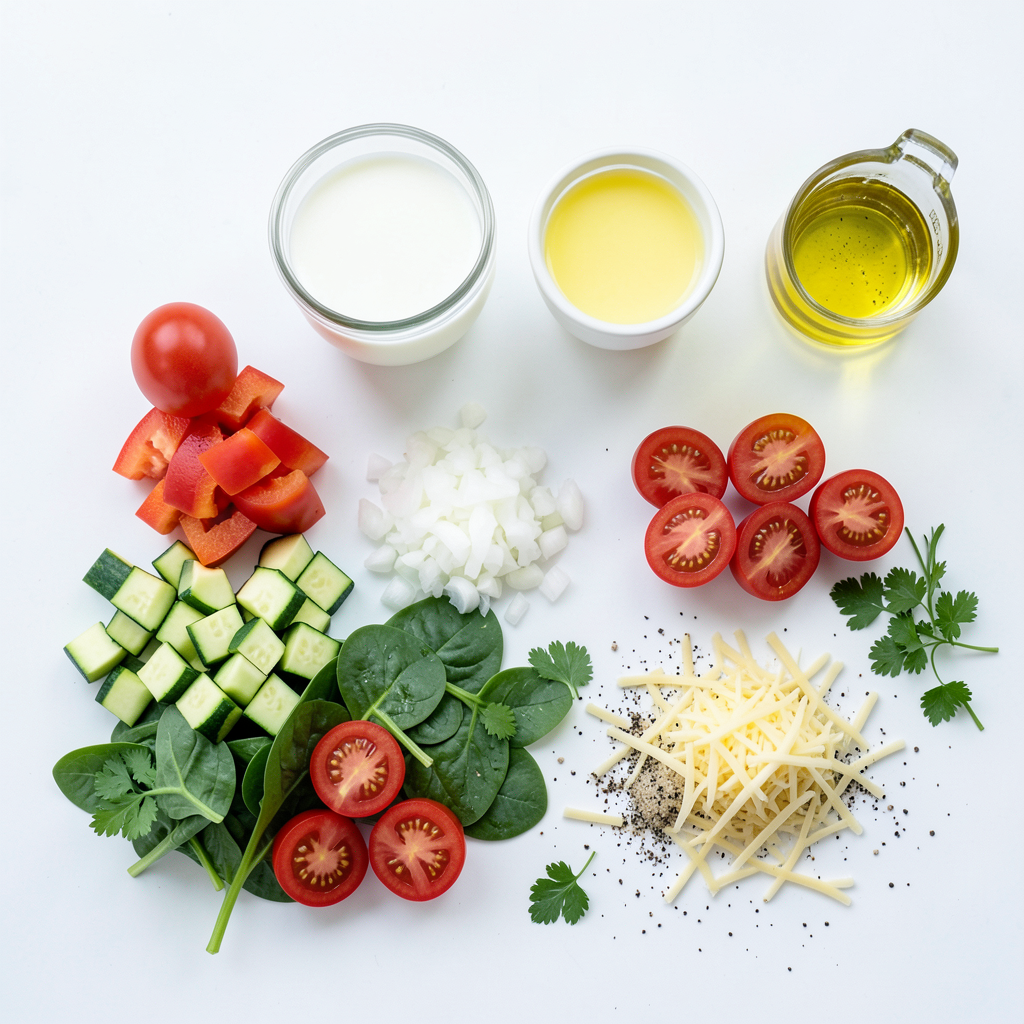
To make a loaded veggie omelette, gather these fresh ingredients:
- 4 large eggs
- 1/4 cup milk (or non-dairy alternative)
- 1/2 bell pepper (any color), diced
- 1/2 medium onion, finely chopped
- 1 small zucchini, diced
- 1/2 cup spinach leaves, chopped
- 1/4 cup cherry tomatoes, halved
- 1/4 cup shredded cheese (cheddar or mozzarella work great)
- 1 tablespoon olive oil
- Salt and pepper to taste
- Fresh herbs (parsley or chives), for garnish
Nutritional Information
This loaded veggie omelette packs a nutritious punch. It offers a balance of protein, healthy fats, and veggies. Each serving has around:
- Calories: 300
- Protein: 20g
- Carbs: 10g
- Fat: 20g
- Fiber: 2g
This makes it a great option for breakfast or a light meal.
Possible Substitutions
You can adjust this recipe to fit your taste. Here are some easy swaps:
- Use egg whites or a vegan egg substitute for fewer calories.
- Swap spinach for kale or arugula for a different green.
- Replace cheddar with feta or goat cheese for a tangy flavor.
- Use any seasonal veggies you have on hand, like mushrooms or asparagus.
These substitutions make the recipe flexible and fun!
Step-by-Step Instructions
Preparing the Egg Mixture
Start by cracking four large eggs into a medium bowl. Add 1/4 cup of milk, or a non-dairy option if you prefer. Whisk these together until they are frothy. This step adds air, which makes your omelette light. Don’t forget to sprinkle in some salt and pepper to taste. This simple seasoning boosts the flavor.
Sautéing the Vegetables
Heat 1 tablespoon of olive oil in a non-stick skillet over medium heat. Once hot, add the finely chopped onion and diced bell pepper. Sauté for 2-3 minutes, stirring occasionally. You want them to soften but not brown. Next, stir in the diced zucchini and cook for another 2 minutes. The veggies should be vibrant and tender. Add the chopped spinach and halved cherry tomatoes last. Cook for another 1-2 minutes, until the spinach wilts down.
Cooking the Omelette
Pour the egg mixture evenly over the sautéed veggies in the skillet. Let it cook undisturbed for about 4-5 minutes. You will see the edges start to set. Once the edges look firm, sprinkle 1/4 cup of shredded cheese on top. Carefully fold the omelette in half with a spatula. Cook for an additional 1-2 minutes until the cheese melts and the omelette is cooked through. Slide it onto a plate, garnish with fresh herbs like parsley or chives, and dig in!
Tips & Tricks
How to Achieve a Fluffy Omelette
To make a fluffy omelette, start with fresh eggs. Whisk them well until frothy. This adds air, making your omelette light. Use a splash of milk for extra fluffiness. Remember, the secret is to cook it low and slow. A gentle heat helps the eggs rise without burning.
Preventing Sticking in the Pan
A non-stick skillet is your best friend here. Heat it well before adding oil. Use olive oil, which adds flavor and helps prevent sticking. Let the oil coat the bottom fully. If you see the oil shimmering, it’s ready! Pour in your egg mixture right away for best results.
Garnishing Ideas
Garnishing adds color and flavor. Fresh herbs like parsley or chives work great. You can also use avocado slices for creaminess. A sprinkle of extra cheese on top adds a nice touch. Serve with a side of salsa for a zesty kick. Enjoy your meal with a smile!
Pro Tips
- Fresh Ingredients: Use fresh, seasonal vegetables for the best flavor and texture in your omelette.
- Whisk Well: Ensure your eggs are well whisked to incorporate air, resulting in a fluffier omelette.
- Low and Slow: Cook your omelette over medium to low heat to avoid burning and to allow even cooking throughout.
- Experiment with Fillings: Feel free to add or swap out vegetables based on what you have on hand or your personal preferences!
Variations
Adding Different Vegetables
You can change the flavor by adding different veggies. Try mushrooms, kale, or broccoli. They all add great taste and color to your omelette. You can also use leftover vegetables. This makes your meals fun and helps reduce waste.
Protein Additions (e.g., bacon, tofu)
Adding protein makes your omelette hearty. If you like meat, crisp up chopped bacon or ham first. This gives a nice salty crunch. If you prefer plant-based options, add tofu. Crumble firm tofu and sauté it with the veggies. Both options boost flavor and nutrition.
Cheese Alternatives and Combinations
Cheese adds creaminess. If you want to switch it up, try feta or goat cheese. These cheeses give a tangy taste. For a melty texture, mix mozzarella with cheddar. You can even go dairy-free with cashew cheese. Each choice adds a new twist to your omelette.
Storage Information
How to Store Leftovers
To store your loaded veggie omelette, let it cool first. Place it in an airtight container. This keeps the omelette fresh and tasty. You can keep it in the fridge for up to three days. If you want to eat it later, make sure it’s sealed well to prevent drying out.
Reheating Instructions
Reheating is simple. You can use a microwave or a skillet. For the microwave, place the omelette on a plate. Heat it for 30 to 60 seconds. Check that it’s warm all the way through. If you use a skillet, heat it over low heat. Cover it with a lid to keep it moist. This way, the cheese stays melty, and you don’t dry out the eggs.
Freezing Options
You can freeze the loaded veggie omelette for later. Cut it into single servings. Wrap each piece tightly in plastic wrap. Place the wrapped pieces in a freezer-safe bag or container. This helps avoid freezer burn. It’s best used within one month. When you want to eat it, thaw it overnight in the fridge before reheating.
FAQs
How do you make a veggie omelette without it breaking?
To keep your veggie omelette whole, focus on two things: heat and patience. First, use a non-stick skillet. This helps the eggs slide easily. Next, let the omelette cook undisturbed. Cook it for about 4-5 minutes. Once the edges set, add cheese and fold it gently. If you rush, it might break.
Can I use egg whites instead of whole eggs?
Yes, you can use egg whites! They are lighter and lower in fat. For a fluffy texture, mix 8 egg whites with 1/4 cup of milk. Follow the same steps for cooking. The flavor will change, but the veggies still shine. You might miss the richness of the yolks, but it’s a healthier choice!
How can I make this recipe vegan?
To make a vegan omelette, swap the eggs for chickpea flour. Mix 1 cup of chickpea flour with 1 cup of water. Add spices like turmeric for color and flavor. Use the same veggies and cook as you would the egg omelette. This will give you a tasty, plant-based meal. Enjoy your healthy twist!
This blog post covers how to make a tasty omelette. We looked at key ingredients, nutritional info, and swaps. You learned step-by-step how to prepare, cook, and avoid sticking. I shared tips for a fluffy omelette and ideas for garnishing. You also saw fun ways to vary the recipe and how to store leftovers. Remember, small changes can make your dish shine. Enjoy crafting your perfect omelette!