Savory Sesame Noodle Salad Fresh and Flavorful Dish

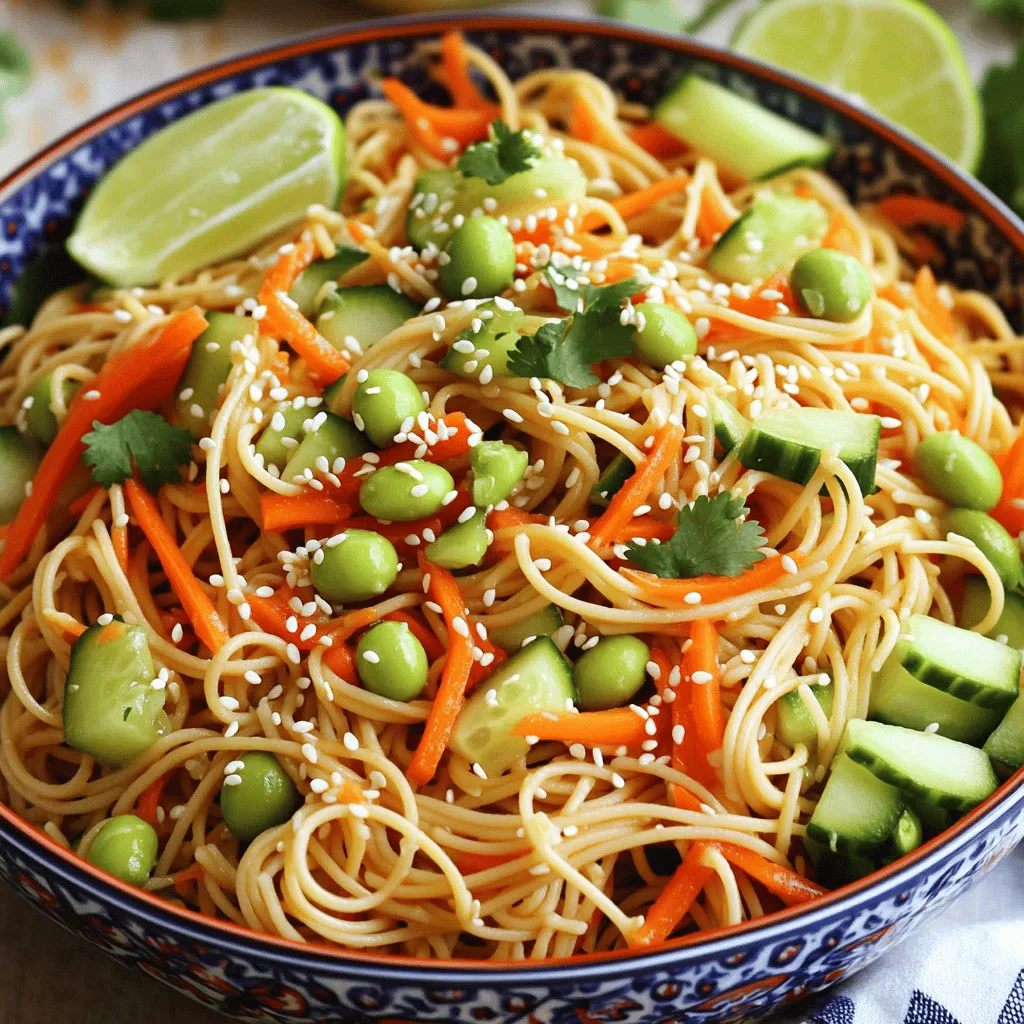
Are you ready to dive into a bowl of fresh, vibrant flavors? This Savory Sesame Noodle Salad is not just a tasty dish; it’s a celebration of healthy ingredients. Picture whole wheat spaghetti or Asian noodles tossed with crisp vegetables and a zesty sesame dressing. Easy to make and full of nutrition, this salad is perfect for lunches or gatherings. Let’s explore the ingredients and steps to whip up this delightful meal!
Why I Love This Recipe
- Healthy Ingredients: This salad is packed with nutritious vegetables and whole grains that provide essential vitamins and minerals.
- Quick to Prepare: With a prep time of just 15 minutes, this dish is perfect for busy weeknights or last-minute gatherings.
- Flavorful Dressing: The combination of sesame oil, soy sauce, and fresh ginger creates a deliciously rich and tangy dressing that elevates the dish.
- Customizable: This salad can easily be adapted with your favorite vegetables or proteins, making it versatile for any taste preference.
Ingredients
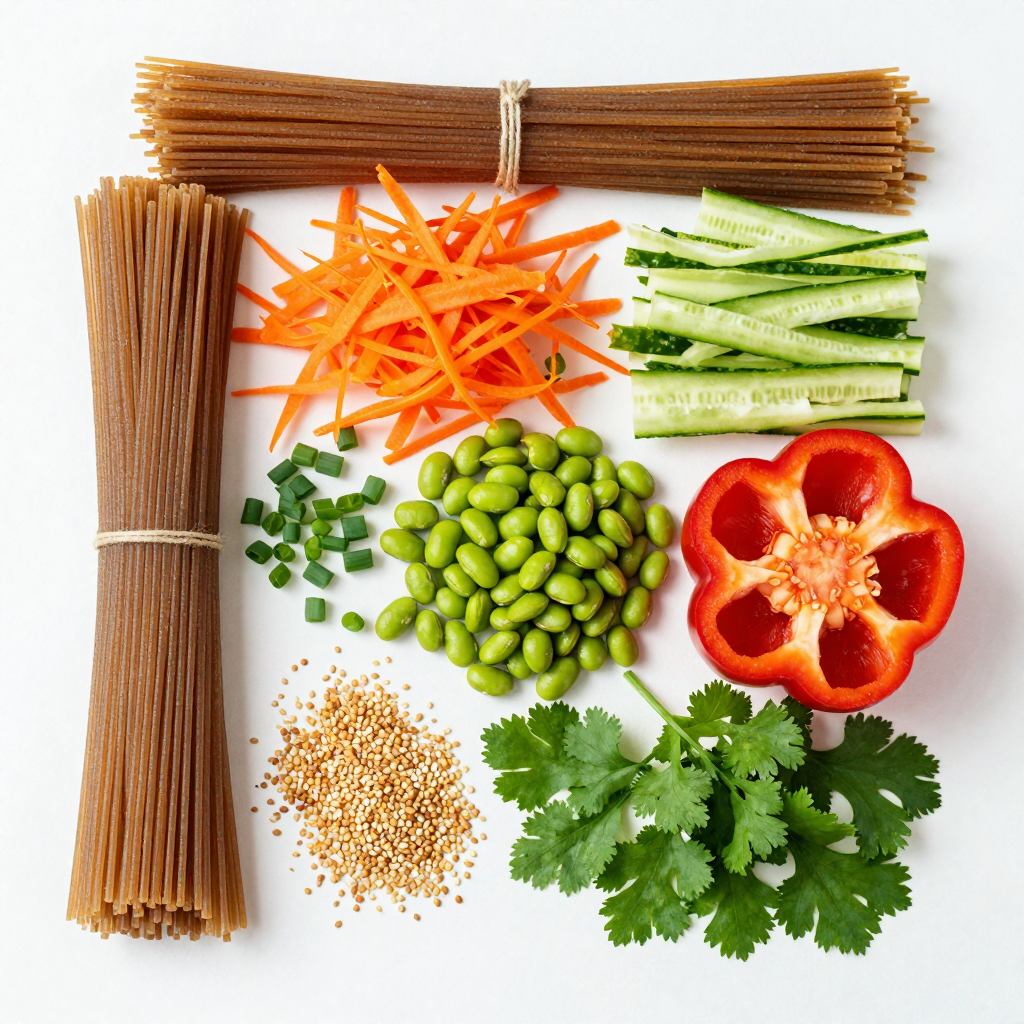
Main Ingredients for Sesame Noodle Salad
- 8 oz. whole wheat spaghetti or Asian noodles
- 1 cup shredded carrots
- 1 cucumber, julienned
- 1 red bell pepper, thinly sliced
- 1 cup edamame (cooked and shelled)
- 1/4 cup green onions, chopped
- 1/4 cup sesame seeds, toasted
- 1/4 cup fresh cilantro, chopped
The main ingredients of this salad create a colorful and tasty dish. The whole wheat spaghetti or Asian noodles serve as a great base. They soak up the dressing and add texture. Fresh vegetables like carrots, cucumber, and red bell pepper bring crunch and nutrition. Edamame adds protein, making this salad filling. Green onions give a nice bite, while sesame seeds and cilantro add flavor and garnish.
Dressing Ingredients
- 3 tablespoons sesame oil
- 2 tablespoons soy sauce (low sodium)
- 2 tablespoons rice vinegar
- 1 tablespoon honey (or maple syrup for vegan)
- 1 teaspoon grated ginger
- 1 garlic clove, minced
- Salt and black pepper to taste
The dressing is key to this salad. Sesame oil gives a rich, nutty flavor. Low-sodium soy sauce adds salt without overpowering. Rice vinegar adds brightness and tang. Honey or maple syrup balances the flavors with sweetness. Ginger and garlic enhance the taste with their boldness. Always season with salt and black pepper to enhance all the flavors.
Preparation Overview
Before cooking, prep your vegetables and dressing. Wash and chop everything in advance. This step saves time and keeps the salad fresh. Fresh herbs and vegetables are important for the best taste. They help create a vibrant look and flavor. Take your time to ensure everything is ready. This way, you enjoy a beautiful and tasty salad.
Step-by-Step Instructions
Cooking the Noodles
To start, cook the whole wheat spaghetti or Asian noodles. Follow the package instructions carefully. Once the noodles are done, drain them well. Rinse them under cold water to stop the cooking. This step cools the noodles down quickly. Set them aside in a large bowl.
Making the Dressing
While the noodles cook, it’s time to make the dressing. In a small bowl, whisk together these ingredients:
- 3 tablespoons sesame oil
- 2 tablespoons low sodium soy sauce
- 2 tablespoons rice vinegar
- 1 tablespoon honey (or maple syrup for a vegan option)
- 1 teaspoon grated ginger
- 1 minced garlic clove
- Salt and black pepper to taste
Whisk until smooth. If you want more sweetness, add more honey. If you need more salt, add a pinch of soy sauce. Taste it to find the right balance for you.
Assembling the Salad
In the bowl with the cooled noodles, add the colorful vegetables:
- 1 cup shredded carrots
- 1 cucumber, julienned
- 1 red bell pepper, thinly sliced
- 1 cup cooked and shelled edamame
- 1/4 cup chopped green onions
Pour the dressing over the noodles and veggies. Toss gently but thoroughly to coat everything evenly. Use a folding motion to avoid breaking the noodles. Finally, sprinkle 1/4 cup toasted sesame seeds and 1/4 cup chopped cilantro on top. Toss lightly again.
For the best taste, let the salad sit in the fridge for 15-30 minutes. This helps the flavors mix well. Enjoy your fresh and tasty sesame noodle salad!
Pro Tips
- Fresh Ingredients: Use fresh, seasonal vegetables for the best flavor and texture in your salad.
- Toasting Sesame Seeds: Toast the sesame seeds in a dry pan over medium heat for a few minutes to enhance their nutty flavor.
- Customizing the Dressing: Adjust the sweetness or saltiness of the dressing to suit your taste by adding more honey or soy sauce as needed.
- Chilling Time: Allowing the salad to chill in the refrigerator for at least 15-30 minutes helps the flavors meld beautifully.
Tips & Tricks
Serving Suggestions
Serve your sesame noodle salad chilled for a refreshing bite. If you prefer, room temperature works too. Garnish the salad with fresh cilantro and lime wedges for a burst of flavor. Extra sesame seeds add a nice crunch and visual appeal.
Flavor Enhancements
Boost the flavor with red pepper flakes or a splash of lime juice. These simple additions brighten the dish. Marinating the salad for 15-30 minutes helps the flavors meld. This resting time makes each bite tastier.
Common Mistakes to Avoid
One mistake is overcooking the noodles. This can lead to a mushy texture. Under-cooking vegetables can leave them too crunchy. Watch the cooking times closely. Also, avoid drenching the salad with too much dressing. A little goes a long way, so start small and add more if needed.

Variations
Protein Add-ins
You can make your sesame noodle salad even better by adding protein. Try grilled chicken for a juicy bite. Shrimp works well too, bringing a sweet, ocean taste. If you prefer plant-based options, tofu is a great choice. It soaks up flavors nicely. When you add a protein, adjust the dressing. For chicken or shrimp, you might want a bit more soy sauce. For tofu, adding a touch of lime juice can give a fresh twist.
Vegetarian and Vegan Options
If you want a vegan version, simply swap honey for maple syrup. This keeps the dressing sweet without using animal products. You can also add more plant-based proteins. Chickpeas or black beans can boost protein and fiber. They also add a lovely texture. Adding nuts like cashews or peanuts gives a nice crunch too.
Seasonal Variations
Make this salad your own by changing up the veggies. Use whatever is fresh and in season. In summer, try adding ripe tomatoes or bell peppers. In fall, root vegetables like sweet potatoes work well. You can even add fruits like mango or berries for a special touch. They add sweetness and contrast to the savory flavors. Explore different combinations to find your favorite mix.
Storage Info
Best Storage Practices
To keep your sesame noodle salad fresh, store leftovers in the fridge. Use an airtight container to seal in flavor. If you have extra dressing, store it separately. This helps keep the noodles from getting soggy. You can also line the container with paper towels to absorb extra moisture.
Shelf Life
This salad stays fresh in the fridge for about 3 days. After that, the noodles may start to lose their crunch. Look for signs of spoilage like a sour smell or slimy noodles. If you see either, it’s best to toss it.
Reheating or Refreshing Leftovers
To refresh your salad, add a little more dressing before serving. This helps revive the flavors. You can also mix in fresh veggies or herbs. If you want to use leftovers in other meals, try adding them to stir-fries or wraps. They make a great filling or side dish.
FAQs
How can I make Sesame Noodle Salad gluten-free?
To make this salad gluten-free, you can use rice noodles or quinoa noodles instead of whole wheat spaghetti. For the sauce, swap regular soy sauce with tamari or coconut aminos. These options taste great and keep the dish gluten-free.
Can I prepare the salad in advance?
Yes, you can make this salad ahead of time. Prepare the noodles, veggies, and dressing separately. Keep them in the fridge in airtight containers. When you are ready to serve, mix everything together. This way, the salad stays fresh and crunchy.
What can I serve with Sesame Noodle Salad?
This salad pairs well with grilled chicken or shrimp for added protein. You can also serve it with spring rolls or dumplings as tasty appetizers. For a light meal, try a simple soup or a side of steamed broccoli. The flavors balance nicely with many dishes.
This blog post explored how to make a tasty sesame noodle salad. We covered key ingredients, including whole wheat spaghetti, fresh veggies, and a flavorful dressing. I shared step-by-step instructions, tips for serving, and common mistakes to avoid.
For final thoughts, remember to experiment with proteins and seasonal veggies. Customize the flavors to fit your taste. Enjoy the ease of making this healthy dish at home. It’s quick, satisfying, and perfect for any meal!

Sesame Noodle Salad
Ingredients
8 oz. whole wheat spaghetti or Asian noodles
1 cup shredded carrots
1 cucumber, julienned
1 red bell pepper, thinly sliced
1 cup edamame (cooked and shelled)
1/4 cup green onions, chopped
1/4 cup sesame seeds, toasted
1/4 cup fresh cilantro, chopped
Dressing:
3 tablespoons sesame oil
2 tablespoons soy sauce (low sodium)
2 tablespoons rice vinegar
1 tablespoon honey (or maple syrup for vegan)
1 teaspoon grated ginger
1 garlic clove, minced
Salt and black pepper to taste
Instructions
Cook the whole wheat spaghetti according to package instructions. Drain and rinse under cold water to cool down, then set aside in a large bowl.
While the noodles are cooking, prepare the dressing. In a small bowl, whisk together the sesame oil, soy sauce, rice vinegar, honey, grated ginger, and minced garlic. Season with salt and black pepper to taste.
In the bowl with the cooled noodles, add the shredded carrots, julienned cucumber, sliced red bell pepper, cooked edamame, and chopped green onions.
Pour the dressing over the noodle and vegetable mixture. Toss gently to combine, ensuring the noodles and veggies are evenly coated.
Sprinkle the toasted sesame seeds and chopped cilantro over the top. Toss again lightly.
For the best flavor, let the salad sit in the refrigerator for about 15-30 minutes before serving to allow the flavors to meld together.
Prep Time: 15 mins | Total Time: 30 mins | Servings: 4
– Presentation Tips: Serve in a large, vibrant bowl and garnish with extra lime wedges or a sprig of cilantro on top to add a pop of color. You can also serve individual portions in clear glass bowls for an appealing view of the colorful ingredients.

Sesame Noodle Salad
Ingredients
- 8 oz whole wheat spaghetti or Asian noodles
- 1 cup shredded carrots
- 1 whole cucumber, julienned
- 1 whole red bell pepper, thinly sliced
- 1 cup edamame (cooked and shelled)
- 0.25 cup green onions, chopped
- 0.25 cup sesame seeds, toasted
- 0.25 cup fresh cilantro, chopped
- 3 tablespoons sesame oil
- 2 tablespoons soy sauce (low sodium)
- 2 tablespoons rice vinegar
- 1 tablespoon honey or maple syrup for vegan
- 1 teaspoon grated ginger
- 1 clove garlic, minced
- to taste salt and black pepper
Instructions
- Cook the whole wheat spaghetti according to package instructions. Drain and rinse under cold water to cool down, then set aside in a large bowl.
- While the noodles are cooking, prepare the dressing. In a small bowl, whisk together the sesame oil, soy sauce, rice vinegar, honey, grated ginger, and minced garlic. Season with salt and black pepper to taste.
- In the bowl with the cooled noodles, add the shredded carrots, julienned cucumber, sliced red bell pepper, cooked edamame, and chopped green onions.
- Pour the dressing over the noodle and vegetable mixture. Toss gently to combine, ensuring the noodles and veggies are evenly coated.
- Sprinkle the toasted sesame seeds and chopped cilantro over the top. Toss again lightly.
- For the best flavor, let the salad sit in the refrigerator for about 15-30 minutes before serving to allow the flavors to meld together.
- Presentation Tips: Serve in a large, vibrant bowl and garnish with extra lime wedges or a sprig of cilantro on top to add a pop of color. You can also serve individual portions in clear glass bowls for an appealing view of the colorful ingredients.


![- 1 cup canned chickpeas, rinsed and drained - 1 large red bell pepper - 2 tablespoons tahini - 3 tablespoons olive oil - 2 tablespoons fresh lemon juice - 2 cloves garlic, minced - 1 teaspoon ground cumin - Salt and black pepper to taste - 2 tablespoons water (adjust for consistency) - Fresh parsley, chopped (for garnish) - Pita chips or fresh vegetables (for serving) To make the best roasted red pepper hummus, you need a few simple ingredients. The chickpeas form the base. They are creamy and full of protein. A large red bell pepper adds a sweet taste and vibrant color. Tahini, made from sesame seeds, gives a rich, nutty flavor. You will also need olive oil to make it smooth. Fresh lemon juice adds a tart kick. Garlic brings a strong taste that pairs well. Ground cumin adds warmth. Don't forget salt and black pepper to enhance all the flavors. You can adjust the hummus's texture with water. This helps it become creamy or thick, depending on your liking. For a lovely finish, use chopped parsley to garnish. Serve with pita chips or fresh vegetables for dipping. You can find the full recipe in the earlier section. 1. Preheat your oven to 450°F (230°C). 2. Cut the large red bell pepper in half. Remove the seeds and stems. 3. Place the pepper halves skin-side up on a baking sheet. 4. Roast them in the oven for about 20-25 minutes. The skin should blister and blacken. 5. Once done, remove the peppers and let them cool for about 10 minutes. 6. Peel off the skin and chop the flesh. This adds a sweet and smoky taste to your hummus. 1. In a food processor, combine: - 1 cup canned chickpeas, rinsed and drained - Chopped roasted red pepper - 2 tablespoons tahini - 3 tablespoons olive oil - 2 tablespoons fresh lemon juice - 2 cloves garlic, minced - 1 teaspoon ground cumin 2. Blend the mixture until smooth. 3. If the hummus is too thick, add water a tablespoon at a time. Adjust until you reach your desired consistency. 4. Season with salt and black pepper. Taste and adjust as needed. 1. Transfer the smooth hummus to a serving bowl. 2. Drizzle with additional olive oil for richness. 3. Garnish with chopped fresh parsley for a pop of color. This recipe is easy and a delight for your taste buds. You’ll find it perfect for parties or a healthy snack. Enjoy with pita chips or fresh veggies. For the full recipe, check out [Full Recipe]. To get the right hummus texture, adjust the water. Start with two tablespoons, then add more if needed. Blend well. The longer you blend, the smoother your hummus will be. This step is key to a creamy result. Boost the taste by adding spices or herbs. Try smoked paprika for warmth or fresh basil for a twist. Fresh lemon juice adds zing. It brightens the flavors and makes the hummus pop. Serve your hummus in a shallow bowl. Create a swirl on top with a spoon. Drizzle olive oil in the center for shine. Arrange pita chips and fresh veggies around the bowl. This makes your dish look colorful and inviting. For the full recipe, check the link above. {{image_2}} You can make this hummus even more fun. Try adding some heat with spicy roasted red pepper hummus. Just toss in a pinch of cayenne or some chopped jalapeños for that extra kick. If you love herbs, mix in fresh basil or cilantro. These add a bright flavor that makes your hummus pop. Want to keep it vegan? This recipe is already vegan-friendly! If you like, you can swap the tahini for sunflower seed butter. This change keeps the taste yummy. For those who need gluten-free options, pair your hummus with veggie sticks or gluten-free crackers. They will make a great snack! Sometimes, you just need hummus fast! When you're in a rush, grab a store-bought option. Look for brands that use real ingredients and no added preservatives. Some of the best brands are Sabra and Cedarlane. They have great roasted red pepper hummus that can save you time while still tasting good. To keep your hummus fresh, use an airtight container. Glass jars work great. Make sure the lid seals tightly. It helps to keep air out. For added freshness, drizzle a little olive oil on top. This layer forms a barrier against air. Homemade hummus lasts about a week in the fridge. Store it at a temperature below 40°F (4°C). If you want to keep it longer, you can freeze it. Hummus can stay good in the freezer for up to three months. To thaw frozen hummus, move it to the fridge overnight. If you're in a hurry, you can use the microwave. Heat it in small bursts, stirring in between. Don't overheat, as it can change the texture. Enjoy your hummus with pita chips or fresh veggies just like in the Full Recipe! If you don’t have tahini, use peanut butter or sunflower seed butter. You can also blend soaked cashews or almonds for a nutty taste. These options give your hummus a creamy texture. Each will add a unique flavor twist to the dish. Homemade hummus lasts about 5 to 7 days in the fridge. Store it in an airtight container. Check for signs of spoilage, like a sour smell or mold on top. If it smells fresh, it’s still good to eat. Yes, you can make roasted red pepper hummus a day in advance. Just store it in the fridge. Let it sit at room temperature for about 30 minutes before serving. This helps the flavors blend better. This blog post covered how to make delicious hummus with roasted red pepper. You learned about the main ingredients, step-by-step instructions, and helpful tips. We also explored fun variations and storage tips. Remember, perfecting your hummus takes practice, so don’t hesitate to experiment. Enjoy your tasty snack with pita or fresh veggies. With these methods, you can create hummus that shines at any gathering!](https://dailydishlab.com/wp-content/uploads/2025/07/83ccc056-5a58-4bcc-806c-3c7123215f8b-768x768.webp)