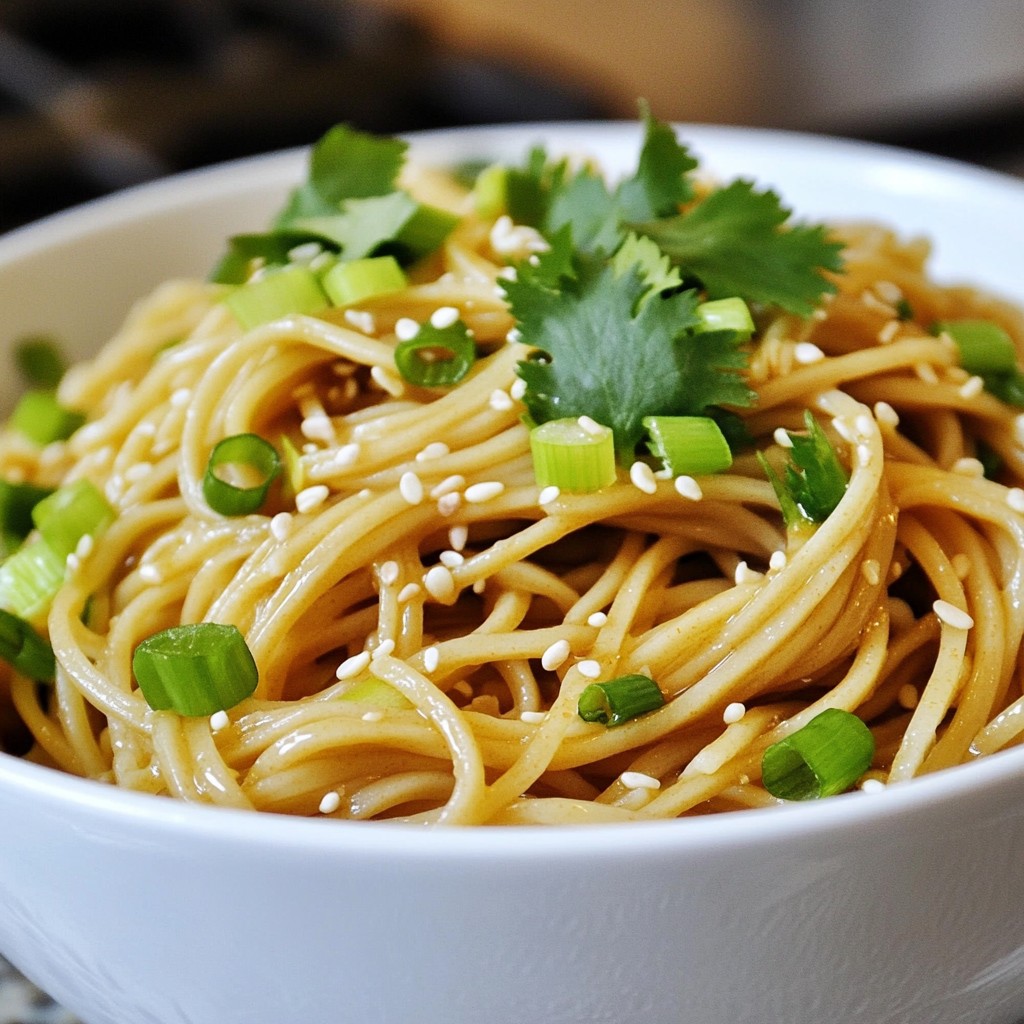
Ready to whip up a dish that's both tasty and simple? In this blog post, I'll share my easy Sesame Garlic Soba Noodles recipe. Packed with flavor and quick to make, this meal is perfect for busy nights or impressing friends. Whether you're a cooking pro or just getting started, I'll guide you through each step. Let’s get cooking and discover how easy it is to enjoy this delicious dish!
Why I Love This Recipe
- Quick and Easy: This recipe comes together in just 20 minutes, making it perfect for a weeknight dinner or a quick lunch.
- Flavorful Ingredients: The combination of garlic, ginger, and sesame oil creates a rich, aromatic flavor profile that elevates the dish.
- Customizable: You can easily add your favorite vegetables or proteins to the mix, making it versatile for any dietary preference.
- Healthy and Nourishing: Soba noodles are a great source of fiber and nutrients, making this dish a wholesome choice.
Ingredients
Complete List of Ingredients
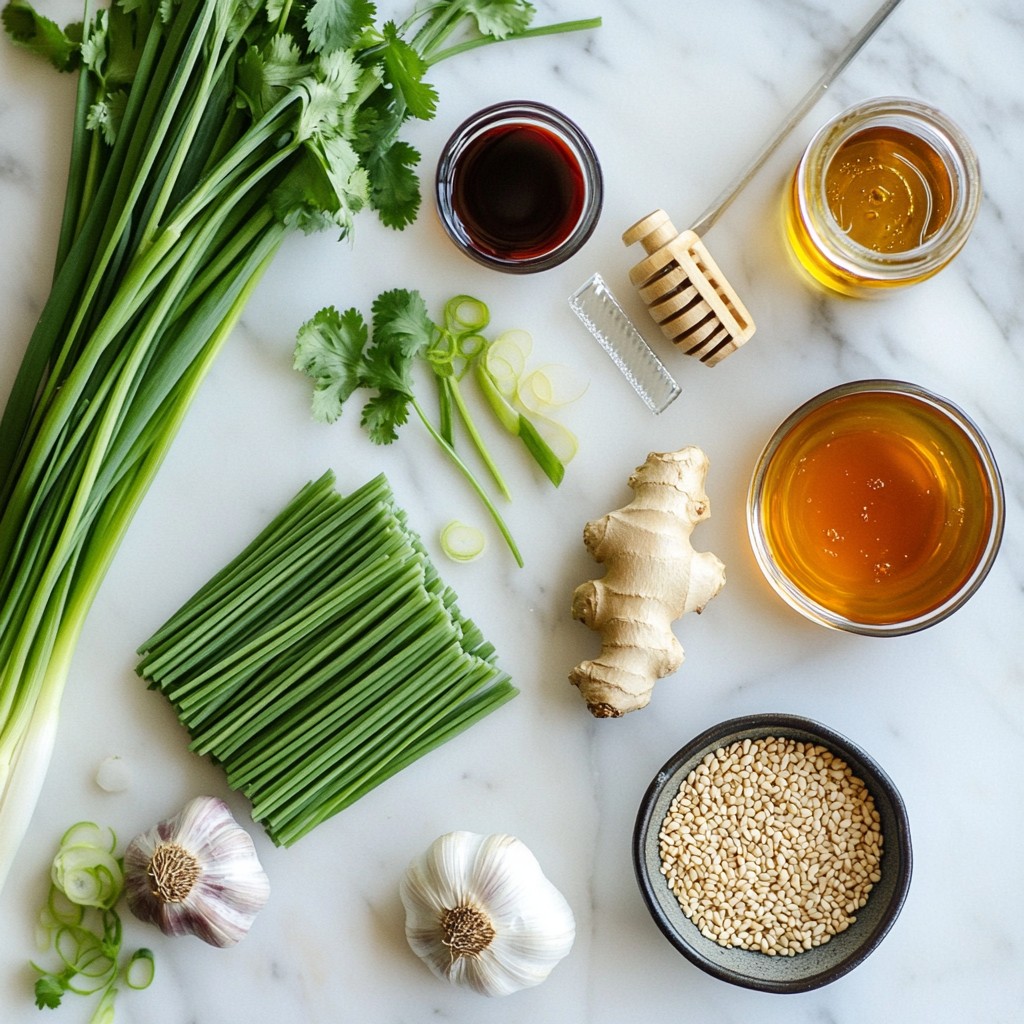
To make sesame garlic soba noodles, gather these items:
- 200g soba noodles
- 3 tablespoons sesame oil
- 4 cloves garlic, minced
- 1 tablespoon fresh ginger, grated
- 2 tablespoons soy sauce (or tamari for gluten-free)
- 1 tablespoon rice vinegar
- 1 tablespoon honey or agave syrup
- 2 green onions, finely sliced
- 1 tablespoon sesame seeds (toasted)
- 1/4 teaspoon red pepper flakes (optional)
- Fresh cilantro leaves for garnish
Substitutions and Alternatives
You can swap ingredients for your taste or needs. Use:
- Tamari instead of soy sauce for gluten-free noodles.
- Maple syrup in place of honey for a vegan option.
- Olive oil if you don't have sesame oil, but it will change the flavor.
- Any fresh herbs instead of cilantro, like basil or parsley.
Nutritional Information per Serving
Each serving of sesame garlic soba noodles has about:
- Calories: 350
- Protein: 10g
- Fat: 15g
- Carbohydrates: 45g
- Fiber: 3g
- Sugar: 5g
These numbers can change based on your ingredient choices. This dish is a good source of energy and flavor!
Step-by-Step Instructions
Cooking the Soba Noodles
To start, grab a large pot. Fill it with water and add salt. Bring the water to a boil. Add 200g of soba noodles to the pot. Cook them for about 4-5 minutes. The noodles should be tender but still firm. Once done, drain the noodles and rinse them under cold water. This stops the cooking and helps prevent sticking. Set the noodles aside for now.
Preparing the Sauce
Next, we will make the sauce. In a small bowl, mix together the following ingredients:
- 2 tablespoons soy sauce (or tamari for a gluten-free option)
- 1 tablespoon rice vinegar
- 1 tablespoon honey or agave syrup
- 1/4 teaspoon red pepper flakes (optional)
Whisk these together until well combined. This sauce will give your noodles a nice flavor.
Sautéing Aromatics and Combining Ingredients
Now it’s time to sauté the aromatics. Heat 2 tablespoons of sesame oil in a large skillet or wok over medium heat. Add 4 cloves of minced garlic and 1 tablespoon of grated ginger to the pan. Sauté them for about 1-2 minutes until they smell great. Be careful not to let them burn!
After that, add the cooked soba noodles to the skillet with the garlic and ginger. Pour the sauce over the noodles. Gently toss everything together. Make sure the noodles are well coated with the sauce. Cook for another 2-3 minutes until heated through.
Finally, remove the skillet from heat. Add 1 tablespoon of sesame oil, 2 finely sliced green onions, and 1 tablespoon of toasted sesame seeds. Toss again to mix everything well. Now your Sesame Garlic Soba Noodles are ready to serve!
Tips & Tricks
How to Prevent Noodles from Sticking
To keep your soba noodles from sticking, rinse them after cooking. This stops the cooking process and cools them down. Use cold water right after draining. Toss them with a bit of sesame oil, too. This adds flavor and helps prevent them from clumping together.
Adjusting Flavor to Taste
I love to make my dish unique. You can tweak the flavor with ease. If you want more heat, add extra red pepper flakes. For a sweeter taste, increase the honey or agave syrup. Taste the sauce before mixing it in. Adjust until it suits your liking. This recipe is all about making it yours!
Recommended Cooking Tools and Equipment
A few tools make cooking easier. A large pot is key for boiling noodles. Use a large skillet or wok for sautéing. A wooden spoon helps mix the noodles and sauce. Finally, prepare a fine grater for ginger and a good knife for garlic. Having the right tools speeds up your cooking and makes it fun!
Pro Tips
- Choose Quality Noodles: Opt for high-quality soba noodles made from 100% buckwheat for an authentic flavor and better texture.
- Adjust the Spice Level: Customize the heat by varying the amount of red pepper flakes or adding a splash of sriracha for extra kick.
- Garnish Creatively: Experiment with additional toppings like sliced radishes, cucumber ribbons, or even crushed peanuts for added crunch and flavor.
- Meal Prep Friendly: These noodles make great leftovers! Store in an airtight container and enjoy cold as a salad the next day.
Variations
Adding Vegetables for Extra Nutrition
You can boost the nutrition of your sesame garlic soba noodles by adding vegetables. Try using bell peppers, carrots, or broccoli. These add color, crunch, and vitamins. You can sauté them with garlic and ginger for flavor. Spinach or kale can be added at the end for a quick wilt. This way, you not only enjoy the taste but also get healthy benefits.
Protein Add-Ins: Tofu, Chicken, or Shrimp
Adding protein makes your meal heartier. Tofu is a great choice. Just cube it and sauté it with the garlic and ginger. For chicken, use cooked strips and toss them in with the noodles. Shrimp is quick and easy. Just add it to the pan when you sauté the garlic. Each option brings a different taste and texture to the dish.
Alternative Sauces and Flavor Profiles
You can change the flavor by trying different sauces. Swap soy sauce for tamari for a gluten-free version. For a spicy kick, add chili oil or sriracha to your sauce. If you like a tangy twist, try using lime juice instead of rice vinegar. Each change gives a new spin on the classic sesame garlic flavor, letting you explore more tastes.
Storage Info
Best Practices for Storing Leftovers
To keep your sesame garlic soba noodles fresh, store them in an airtight container. This helps prevent moisture loss. Place a piece of parchment paper between layers if you stack them. This prevents sticking. Store the noodles in the fridge for up to three days. If you notice any odd smells or changes, throw them away.
Reheating Suggestions
Reheating is easy! You can use a microwave or a skillet. If using a microwave, place the noodles in a bowl and cover them with a damp paper towel. Heat for one to two minutes, stirring halfway through. For a skillet, add a splash of water or sesame oil. Heat over medium-low until warmed through. Stir often to avoid burning.
Freezing Instructions for Long-Term Storage
Freezing is a great option for long-term storage. First, let the noodles cool completely. Then, portion them into freezer-safe bags. Squeeze out as much air as you can before sealing. Label the bags with the date. You can freeze them for up to three months. When you're ready to eat, thaw in the fridge overnight. Reheat as mentioned above. Enjoy your delicious noodles even later!
FAQs
What are soba noodles?
Soba noodles are thin noodles made from buckwheat. They have a nutty flavor and a firm texture. Soba is a Japanese word for buckwheat. These noodles are popular in many dishes, both hot and cold. They cook quickly, usually in about 4 to 5 minutes. Soba noodles are also rich in protein and fiber, making them a healthy choice.
Can I make this recipe gluten-free?
Yes, you can make this recipe gluten-free. Use gluten-free soba noodles made from 100% buckwheat. Also, replace regular soy sauce with tamari. Tamari is a gluten-free soy sauce option. This way, you can enjoy the same great taste without gluten.
How long do leftovers last in the fridge?
Leftovers of sesame garlic soba noodles last about 3 to 4 days in the fridge. Store the noodles in an airtight container. When you’re ready to eat, simply reheat them. You can use a microwave or a skillet. Add a splash of water or oil if they seem dry. Enjoy your tasty leftovers!
We covered everything from the ingredients to cooking tips and storage. Soba noodles are easy and fun to make. You can try new flavors and add your favorite protein. With our tips, you’ll cook great meals without stress. Remember, cooking is about having fun and trying different things. Now, go make your dish and enjoy!