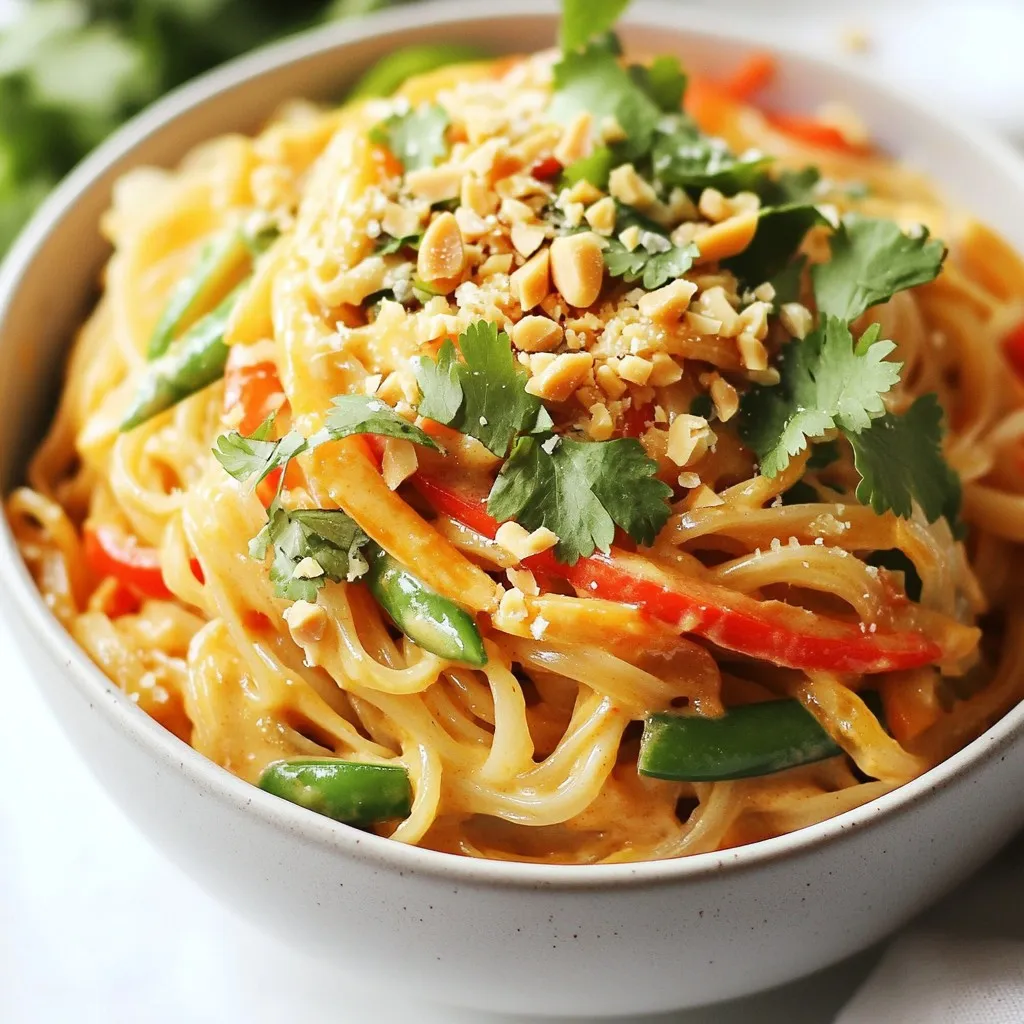
Spicy Peanut Noodle Stir-Fry Tasty and Easy Recipe

If you’re craving a dish that’s quick, tasty, and full of flavor, you’ve come to the right place! My Spicy Peanut Noodle Stir-Fry is the perfect answer. It combines simple ingredients with bold flavors in just minutes. Whether you’re a busy parent or a student on the go, this recipe will make your dinner prep a breeze. Dive into this easy guide to whip up a bowl of deliciousness tonight!
Why I Love This Recipe
- Quick and Easy: This dish comes together in just 25 minutes, making it perfect for weeknight dinners or when you’re short on time.
- Flavor-Packed: The combination of peanut butter, sriracha, and fresh vegetables creates a deliciously rich and spicy sauce that’s hard to resist.
- Customizable: You can easily swap in your favorite vegetables or adjust the heat level to suit your taste, making it versatile for any palate.
- Healthy and Satisfying: Packed with veggies and protein from the peanut butter, this stir-fry is both nutritious and filling.
Ingredients
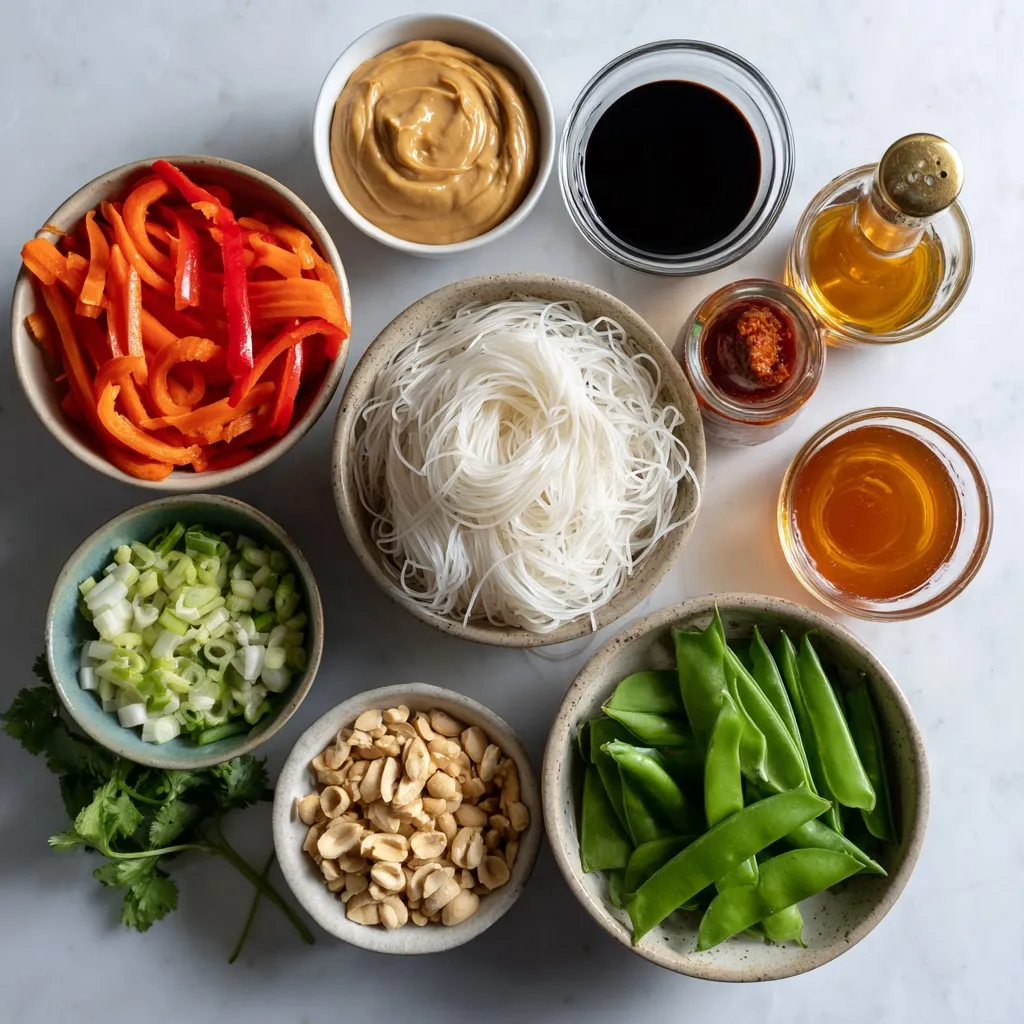
List of Ingredients
- 8 oz rice noodles (or any noodles of choice)
- 2 tablespoons peanut oil
- 1 red bell pepper, sliced
- 1 cup snow peas, trimmed
- 2 carrots, julienned
- 3 green onions, chopped (white and green parts separated)
- 2 cloves garlic, minced
- 1 tablespoon minced ginger
- ¼ cup creamy peanut butter
- 3 tablespoons soy sauce
- 1 tablespoon sesame oil
- 1 tablespoon sriracha (adjust to taste)
- 1 teaspoon honey or agave syrup
- Chopped cilantro for garnish
- Crushed peanuts for topping
Optional Ingredients for Variety
You can add cooked chicken, shrimp, or tofu for protein. Try adding other vegetables like broccoli, bok choy, or snap peas. You can switch up the sauce by using almond butter or tahini. If you want extra heat, toss in some red pepper flakes or chili paste.
Key Ingredient Notes
Rice noodles are light and absorb flavor well. You can use other noodles, but cooking times may vary. Peanut oil gives a nice taste and helps with frying. If you have a nut allergy, use sunflower oil instead. Creamy peanut butter makes the sauce smooth and rich. The sriracha adds heat, but you can adjust it based on your spice level. Honey or agave syrup balances the flavors and adds sweetness.
Step-by-Step Instructions
Cooking the Noodles
First, cook 8 oz of rice noodles. Follow the package guide for best results. After cooking, drain the noodles. Rinse them under cold water. This stops the cooking and keeps them firm. Set the noodles aside for later.
Stir-Frying the Vegetables
Next, grab a large wok or skillet. Heat 2 tablespoons of peanut oil over medium-high heat. Once hot, add the sliced red bell pepper and julienned carrots. Stir-fry these for about 2-3 minutes. You want them to soften but not lose their crunch. After that, add 1 cup of snow peas and the white parts of 3 chopped green onions. Stir-fry for another 2 minutes. Finally, add 2 minced cloves of garlic and 1 tablespoon of minced ginger. Cook these for 1-2 minutes until they smell great.
Preparing the Peanut Sauce
In a small bowl, mix together ¼ cup of creamy peanut butter, 3 tablespoons of soy sauce, 1 tablespoon of sesame oil, and 1 tablespoon of sriracha. Add 1 teaspoon of honey or agave syrup for sweetness. Whisk until smooth. If the sauce is too thick, add a tablespoon of warm water. This helps it blend well later.
Combining Ingredients
Now, it’s time to bring it all together. Toss the cooked rice noodles into the stir-fried vegetables in the wok. Pour the peanut sauce over them. Toss everything together. Make sure the noodles and veggies are well-coated in the sauce. Heat for about 2 minutes. This warms it all up nicely. Finally, remove from heat and stir in the green parts of the chopped green onions. Serve hot, garnished with chopped cilantro and crushed peanuts for that extra crunch. Enjoy your meal!
Tips & Tricks
Achieving the Best Flavor
To get great flavor in your spicy peanut noodle stir-fry, use fresh ingredients. Fresh vegetables like bell peppers and snow peas add crunch and taste. Always taste your sauce. If you want it spicier, add more sriracha. If it’s too thick, a touch of warm water helps.
Cooking Techniques
Stir-frying is key to this recipe. Use a hot wok or skillet. This cooks the veggies fast while keeping them crisp. Keep stirring to avoid burning. Cook the noodles just until tender, then rinse them. This stops the cooking and keeps them from sticking together.
Ingredient Substitutions
You can swap ingredients to suit your taste. Use any noodle type you like. Zucchini noodles or whole wheat noodles work well. For a nut-free version, try sunflower seed butter instead of peanut butter. If you don’t have snow peas, green beans are a good choice.
Pro Tips
- Use Fresh Ingredients: Fresh vegetables not only enhance the flavor but also add color and crunch to the dish. Opt for seasonal produce whenever possible.
- Adjust Spice Level: Customize the amount of sriracha according to your preference. Start with less and add more until you reach your desired heat level.
- Perfect Noodle Texture: Make sure to cook the noodles just until al dente. They will continue to cook slightly when tossed with the hot vegetables and sauce.
- Add Protein: For a heartier meal, consider adding tofu, chicken, or shrimp. Cook the protein first, then follow with the vegetables to ensure everything is perfectly cooked.

Variations
Adding Protein (Chicken, Tofu, etc.)
You can easily add protein to your Spicy Peanut Noodle Stir-Fry. Chicken is a great choice. Use boneless, skinless chicken breast for quick cooking. Just cut it into strips and stir-fry before adding the veggies. Cook the chicken for about 5-7 minutes until fully cooked.
If you prefer a plant-based option, try tofu. For the best texture, use firm or extra-firm tofu. Press it to remove excess water. Cube the tofu and fry it in the peanut oil until golden. This adds a nice crunch and flavor.
Making It Vegan
To make this dish vegan, swap the honey for agave syrup. This small change keeps the sweetness while ensuring it’s plant-based. Check your soy sauce, too. Some brands contain fish sauce, so pick a vegan label. With these swaps, your stir-fry stays flavorful and animal-free.
Spicy Adjustments
If you love heat, boost the spice level. Add more sriracha to your sauce mix. You can also toss in some red pepper flakes during cooking. For an extra kick, use fresh chili peppers. Slice them thin and stir-fry with the veggies. Adjust the spice to match your taste. Enjoy the bold flavors!
Storage Info
Storing Leftovers
After enjoying your Spicy Peanut Noodle Stir-Fry, store any leftovers in an airtight container. Make sure to cool the dish to room temperature first. It will stay fresh in the fridge for about three to four days. When stored properly, the flavors will still shine.
Reheating Instructions
To reheat, you can use a microwave or a skillet. If using a microwave, place the noodles in a bowl and cover it. Heat for about one to two minutes, stirring halfway. If you prefer the skillet, add a splash of water or broth. Heat on medium-low until warm, stirring often. This method helps keep the noodles moist.
Freezing Options
You can freeze the stir-fry, but note that some veggies may lose crunch. Place the cooled dish in a freezer-safe bag or container. It can last up to three months in the freezer. When ready to eat, thaw it overnight in the fridge. Reheat in a skillet for the best texture.
FAQs
How to make Spicy Peanut Noodle Stir-Fry vegetarian?
To make this dish vegetarian, simply skip any meat. Use the rice noodles and all the veggies. You can add tofu for extra protein. Tofu absorbs flavors well, and it adds a nice texture. Always choose firm tofu, and press it to remove excess water. This step helps it get a golden crust when you cook it.
Can I use different noodles?
Yes, you can use different noodles! Any type of noodle works well here. Soba, udon, or even whole wheat noodles are good options. Just cook them according to the package directions. Make sure to rinse them under cold water after cooking. This step prevents them from sticking together.
What can I replace peanut butter with?
If you need a substitute for peanut butter, try almond butter or sunflower seed butter. Both options give a nice, nutty flavor. If you want a nut-free option, tahini works too. It has a creamy texture and pairs well with the other flavors in the dish.
How spicy is this recipe?
This recipe has a nice kick from the sriracha. You can adjust the spice level to your liking. If you want less heat, use less sriracha. On the other hand, if you love heat, add more! Always taste as you go. This way, you can find the perfect balance for your palate.
This blog post shared all you need for a tasty peanut noodle stir-fry. We covered essential and optional ingredients, plus valuable notes on key flavors. You learned step-by-step cooking that ensures great results with every bite.
I hope my tips helped you perfect your dish and find fun ways to change it up. Enjoy your cooking journey and get creative! Happy eatin
Spicy Peanut Noodle Stir-Fry
Ingredients
- 8 oz rice noodles
- 2 tablespoons peanut oil
- 1 whole red bell pepper, sliced
- 1 cup snow peas, trimmed
- 2 whole carrots, julienned
- 3 whole green onions, chopped (white and green parts separated)
- 2 cloves garlic, minced
- 1 tablespoon minced ginger
- 0.25 cup creamy peanut butter
- 3 tablespoons soy sauce
- 1 tablespoon sesame oil
- 1 tablespoon sriracha
- 1 teaspoon honey or agave syrup
- 1 bunch chopped cilantro for garnish
- 1 cup crushed peanuts for topping
Instructions
- Begin by cooking the rice noodles according to package instructions. Drain, rinse under cold water, and set aside.
- In a large wok or skillet, heat the peanut oil over medium-high heat.
- Add the sliced red bell pepper and julienned carrots to the hot oil. Stir-fry for 2-3 minutes until they begin to soften.
- Incorporate the snow peas and the white parts of the green onions into the pan. Continue to stir-fry for another 2 minutes.
- Add minced garlic and ginger, cooking for an additional 1-2 minutes until fragrant.
- In a small bowl, whisk together the peanut butter, soy sauce, sesame oil, sriracha, and honey/agave until smooth. If the sauce is too thick, add a tablespoon of warm water to loosen it.
- Toss the cooked noodles into the stir-fried vegetables in the wok. Pour the peanut sauce over the top and toss everything together until well coated and heated through (about 2 minutes).
- Remove from heat and stir in the green parts of the chopped green onions.
- Serve hot, garnished with chopped cilantro and crushed peanuts on top for added crunch.


![To make this dish, you need simple and fresh ingredients. Here’s what you'll need: - 1 whole chicken (about 4-5 lbs) - 2 lemons (one for juicing, one for slicing) - 4 tablespoons olive oil - 4 cloves garlic, minced - 1 tablespoon fresh rosemary, chopped - 1 tablespoon fresh thyme, chopped - 1 tablespoon fresh parsley, chopped - Salt and pepper, to taste - 1 large onion, quartered - 1 cup chicken broth This mix brings out bright flavors and makes the chicken delicious. The lemon juice adds zing, while the herbs give it depth. You can boost the taste with a few extra ingredients. Try adding: - 1 teaspoon paprika for a smoky touch - 1 tablespoon Dijon mustard for a hint of tang - A pinch of chili flakes for some heat These additions can personalize your dish and make it even more exciting. Pair your chicken with sides that complement its flavors. Here are some great options: - Roasted vegetables like carrots and potatoes - A green salad with a light vinaigrette - Garlic bread to soak up the tasty juices These sides create a balanced meal and make dinner feel special. For the full recipe, check out the details above. First, gather your ingredients. You need a whole chicken, lemons, olive oil, garlic, and herbs. I love using fresh rosemary, thyme, and parsley. These add great flavor. Start by preheating your oven to 425°F (220°C). Next, pat the chicken dry with paper towels. This helps the skin crisp up while roasting. Place the chicken in a roasting pan. In a bowl, mix olive oil, juice from one lemon, minced garlic, and the chopped herbs. Add salt and pepper to taste. This mix is packed with flavor! Now, rub this mixture all over the chicken. Make sure to get it under the skin. This step is key for juicy meat. Stuff the chicken's cavity with the quartered onion and sliced lemon. This adds moisture and aroma while cooking. Pour chicken broth into the roasting pan. This keeps the chicken moist. Next, tie the chicken legs together with kitchen twine. Tuck the wing tips under the bird. This helps the chicken cook evenly. Roast the chicken in your preheated oven. It should take about 1 hour and 15 minutes. Use a meat thermometer to check that it hits 165°F (74°C). Halfway through, baste the chicken with pan juices. This adds extra flavor and moisture. Once done, take the chicken out of the oven. Let it rest for 10-15 minutes before carving. This helps the juices settle. For carving, use a sharp knife. Start with the legs, then move to the breast. For a lovely presentation, place the carved chicken on a large platter. Add fresh lemon slices and sprinkle more herbs on top. Serve with sides like roasted vegetables or a green salad for a complete meal. For the full recipe, check the details above. To make your Lemon Herb Roasted Chicken burst with flavor, start with fresh herbs. Fresh rosemary, thyme, and parsley work best. They add a bright taste that dried herbs can’t match. Always rub the herb mix under the chicken skin. This step seals in the flavors. Squeeze the juice of one lemon over the chicken too. The lemon gives a nice tang and helps balance the richness of the meat. Juiciness is key to a great roasted chicken. First, make sure to pat the chicken dry. This helps the skin crisp up. Pour chicken broth into the pan before roasting. This broth creates steam, keeping the meat moist. Basting the chicken with its pan juices halfway through cooking adds flavor and moisture. Finally, let the chicken rest after roasting. This step helps the juices settle for a tender bite. One common mistake is not preheating the oven. Always preheat to 425°F (220°C) to ensure even cooking. Don’t skip the kitchen twine either. Tying the legs helps the chicken cook evenly. Avoid opening the oven too often, as this lets heat escape. Lastly, don’t rush the resting time after cooking. This time allows for a juicier chicken. For a complete guide, check out the Full Recipe. {{image_2}} You can mix up your herbs for new tastes. Instead of rosemary, try sage or dill. These herbs give a different feel to the chicken. You can also use dried herbs. They work well if you do not have fresh ones. Just use one-third of the amount. This change keeps the dish fresh and fun. You can roast this chicken in many ways. An air fryer cooks it quick and gives a nice crisp skin. Cook at 375°F for about 50 minutes. A slow cooker is another option. Cook on low for 6 to 8 hours. This method keeps the chicken super juicy and tender. Each method has its charm, making dinner easy and tasty. This lemon herb roasted chicken is already gluten-free. You can enjoy it safe without worry. For a keto diet, skip any starchy sides. Instead, serve it with a salad or steamed veggies. This keeps your meal low in carbs but high in flavor. You can enjoy a delicious meal that fits your needs! For the full recipe, check out [Full Recipe]. After enjoying your lemon herb roasted chicken, store the leftovers. Let the chicken cool first. Place it in an airtight container. Keep it in the fridge. Use the leftovers within three to four days. You can shred the meat for salads or sandwiches. This way, you avoid waste and enjoy tasty meals. If you want to save your chicken longer, freezing is a great option. Cut the chicken into portions. Wrap each piece tightly in plastic wrap. Then, place the wrapped chicken in a freezer bag. Remove as much air as possible. Label the bag with the date. When you're ready to eat, thaw it overnight in the fridge. Reheat the chicken in the oven at 350°F (175°C) until warm. This will keep it juicy and delicious. Lemon herb roasted chicken lasts in the fridge for three to four days. If frozen, it stays good for about four months. After that, the quality may drop. Always check for any off smells or changes in texture before eating. Keeping track of how long it’s been stored helps ensure your meals stay safe and tasty. You can tell when the chicken is done by checking its temperature. Use a meat thermometer to check the thickest part of the thigh. The safe internal temperature is 165°F (74°C). If the juices run clear, it is also a good sign. Always let the chicken rest after cooking. This allows the juices to spread and keeps the meat moist. Yes, you can use chicken parts. Thighs, breasts, or drumsticks work well. Just adjust the cooking time. Smaller pieces will cook faster, so keep an eye on them. They may take about 30 to 45 minutes to cook through. Ensure each piece reaches 165°F (74°C) for safety. If you don’t have fresh herbs, you can use dried ones. Use about one-third of the amount of dried herbs compared to fresh. For example, if the recipe calls for one tablespoon of fresh rosemary, use one teaspoon of dried rosemary. Dried herbs can still add great flavor. Experiment with different ones to find your favorite mix. For the complete cooking process, check out the Full Recipe. Lemon herb roasted chicken is a delightful dish you can easily make at home. We covered the key ingredients and how to prepare and roast your chicken for the best taste. I shared tips for keeping the chicken juicy and avoiding common mistakes. I also highlighted variations for unique flavors and dietary needs and provided storage information for leftovers. Remember, cooking is about enjoyment. Experiment and have fun with this recipe to make it your own. Enjoy your delicious meal!](https://dailydishlab.com/wp-content/uploads/2025/06/834e469e-ee3b-4758-a8f8-2aa538b40a90-768x768.webp)