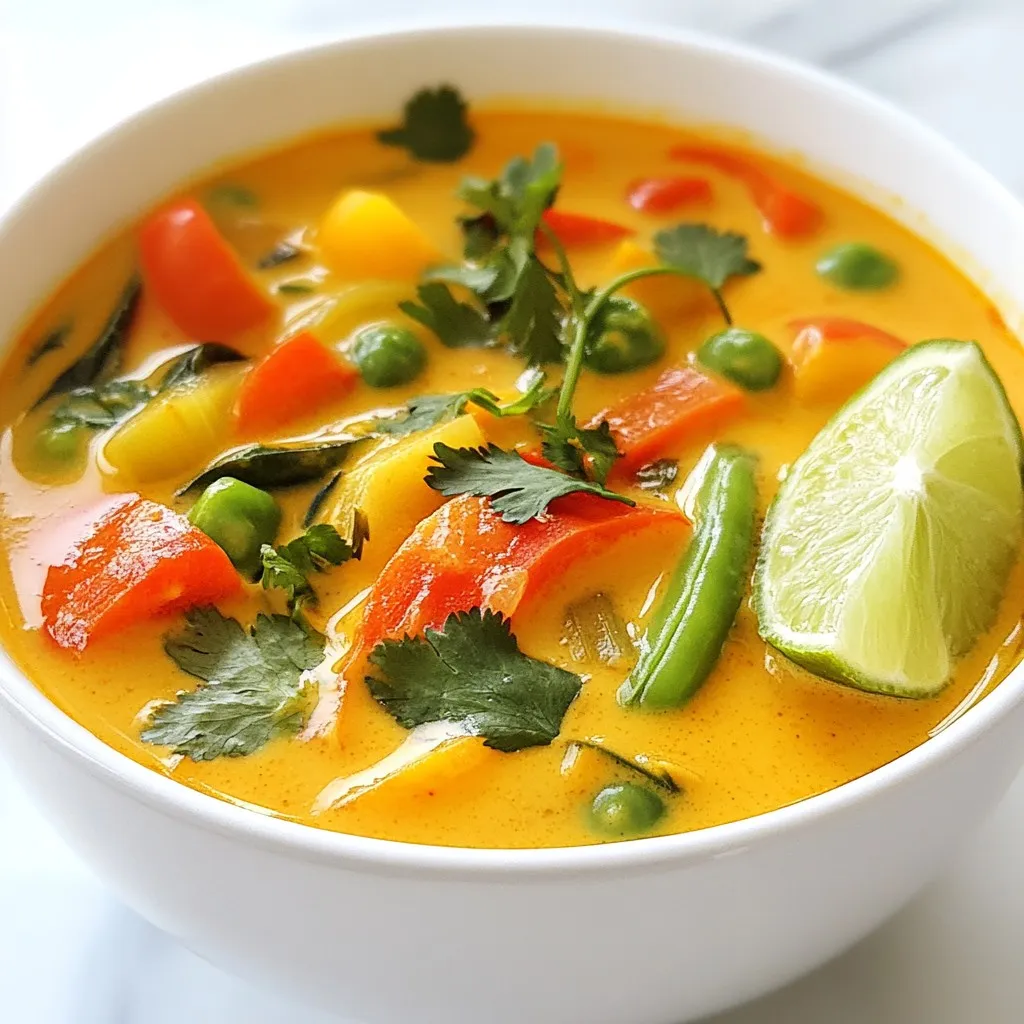
Vegan Thai Red Curry Soup Flavorful Comfort Meal

If you crave a cozy meal that bursts with flavor, you’ll love this Vegan Thai Red Curry Soup. It’s a warm, comforting dish filled with fresh veggies and rich spices. In this post, I’ll guide you through easy steps to make this delightful soup at home. You’ll even find tips to tweak the recipe to your tastes. Ready to dive into a bowl of comfort? Let’s get started!
Why I Love This Recipe
- Quick and Easy: This soup takes just 30 minutes to prepare, making it perfect for busy weeknights.
- Flavor Explosion: The combination of coconut milk and red curry paste creates a rich, creamy base that is bursting with flavor.
- Nutritious and Filling: Packed with vegetables and chickpeas, this soup is both healthy and satisfying.
- Customizable: You can easily adjust the spice level and add your favorite vegetables to make it your own.
Ingredients
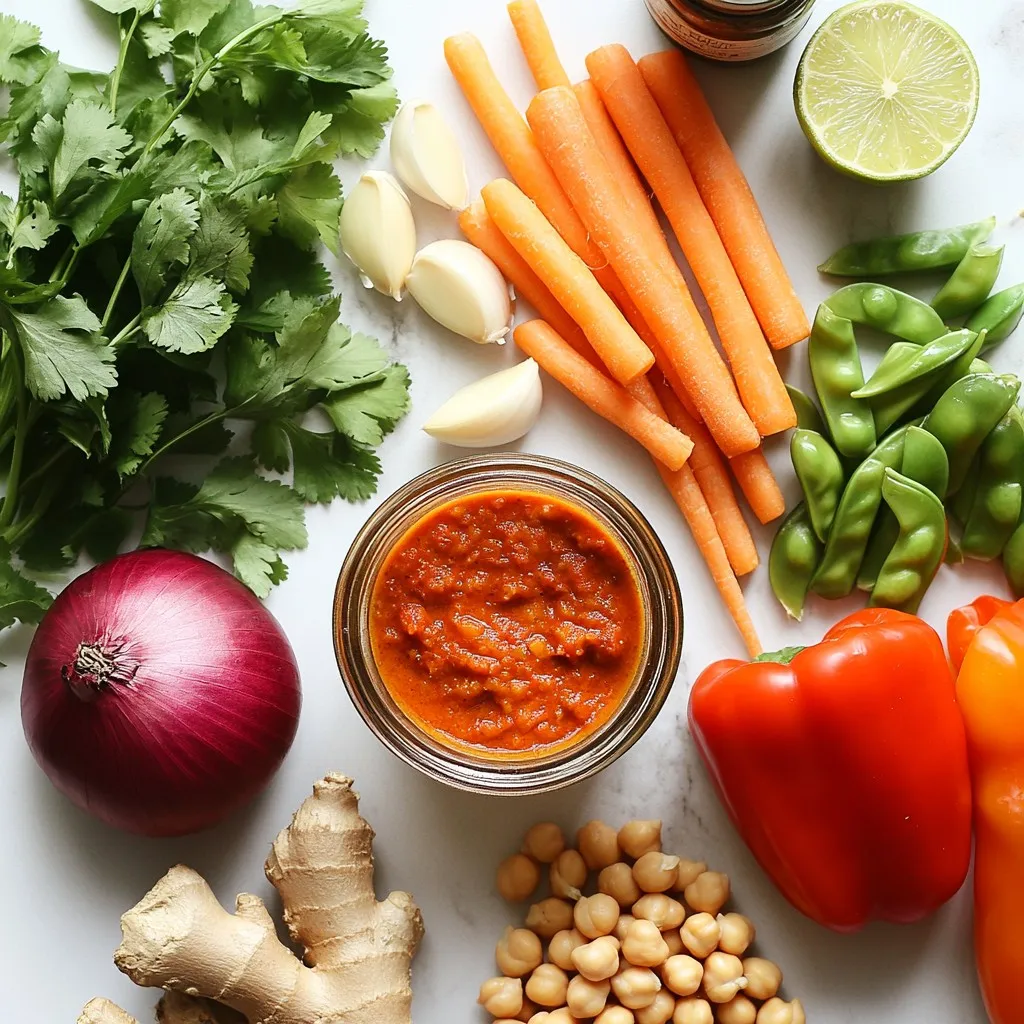
List of Ingredients
- 1 tablespoon coconut oil
- 1 medium onion, chopped
- 3 cloves garlic, minced
- 1 tablespoon ginger, grated
- 2 tablespoons red curry paste (adjust for spice preference)
- 1 can (400ml) coconut milk
- 4 cups vegetable broth
- 2 cups mixed vegetables (bell peppers, carrots, and snap peas)
- 1 cup canned chickpeas, drained and rinsed
- 2 tablespoons soy sauce or tamari
- Juice of 1 lime
- Fresh cilantro, for garnish
- Salt and pepper to taste
Notes on Quality and Substitutions
When making vegan Thai red curry soup, always choose fresh ingredients. Fresh vegetables add flavor and nutrition. You can use frozen vegetables if fresh ones are not available. For the red curry paste, look for a brand that is vegan. Some may contain fish sauce. If you want less spice, start with one tablespoon of red curry paste. You can always add more later. Coconut milk can be swapped with almond milk for a lighter soup, but it will change the flavor. If you want a creamier texture, use full-fat coconut milk.
Nutritional Information (per serving)
Each serving of this soup is rich in nutrients. It contains about:
- Calories: 320
- Protein: 8g
- Carbohydrates: 36g
- Fiber: 9g
- Fat: 16g
- Sodium: 600mg
This soup is a great source of healthy fats from coconut milk and fiber from chickpeas and veggies. It provides a warm and filling meal that is sure to please.
Step-by-Step Instructions
Preparation Steps
1. Gather all your ingredients. This makes cooking easy and fun.
2. Chop your onion into small pieces. This adds a nice taste.
3. Mince the garlic and grate the ginger. Fresh flavors are best.
4. Measure out your red curry paste. You can adjust this for spice.
5. Drain and rinse your chickpeas. This removes extra salt.
Cooking Method
1. Heat coconut oil in a large pot over medium heat.
2. Add the chopped onion. Sauté it for about 5 minutes until it turns clear.
3. Stir in the minced garlic and grated ginger. Cook for one minute for great aroma.
4. Add the red curry paste. Cook for 2-3 minutes while stirring to release the flavors.
5. Pour in the coconut milk and vegetable broth. Bring this to a simmer.
6. Mix in the vegetables and chickpeas. Cook for 10-12 minutes until the veggies are soft but bright.
7. Stir in the soy sauce or tamari and lime juice. Season with salt and pepper to taste.
8. Take the pot off the heat. Let it rest for a few minutes to blend the flavors.
9. Serve hot, topped with fresh cilantro and lime wedges.
Tips for Enhancing Flavor
- Use fresh herbs like basil or mint for a lively touch.
- Try adding a dash of lime zest for a bright kick.
- Experiment with different vegetables based on your taste.
- If you like heat, toss in some sliced chili peppers. They add a great kick.
Tips & Tricks
How to Perfect Your Vegan Thai Red Curry Soup
To make your soup shine, use fresh ingredients. Fresh ginger and garlic add zest. Adjust the red curry paste to match your spice level. Start with a tablespoon and add more if you like heat.
When cooking, let the coconut milk and broth simmer gently. This method helps the flavors blend well. Stir often to avoid burning at the bottom.
Common Mistakes to Avoid
One common mistake is overcooking the vegetables. They should stay bright and crisp. Cook them just until tender, usually about 10-12 minutes.
Another mistake is not seasoning enough. Always taste before serving. Add salt and pepper as needed for balance.
Serving Suggestions and Pairings
Serve your soup hot. Fresh cilantro on top adds color and flavor. Lime wedges are a nice touch too; they brighten each bite.
Pair this soup with rice or noodles for a complete meal. You can also enjoy it with crusty bread to soak up the broth.
For drinks, a light tea or coconut water works well. This adds a fresh twist to your meal.
Pro Tips
- Adjust Spice Level: If you prefer a milder soup, start with less red curry paste and gradually add more to taste.
- Fresh Ingredients: Using fresh vegetables will enhance the flavor and texture of your soup, making it more vibrant.
- Substitutions: Feel free to substitute chickpeas with tofu or lentils for a different protein option.
- Make it Ahead: This soup can be made ahead of time and stored in the fridge for up to 3 days, flavors will deepen as it rests.

Variations
Gluten-Free Adjustments
This Vegan Thai Red Curry Soup is already gluten-free! The main ingredients, like coconut milk and vegetable broth, do not contain gluten. Just make sure to use tamari instead of soy sauce. Tamari is a great gluten-free option that adds deep flavor.
Protein Additions or Alternatives
If you want more protein, add some tofu. Firm tofu works well. You can cube it and add it in the last few minutes of cooking. Tempeh is another great choice; it has a nice texture and nutty flavor. For a heartier soup, you can toss in cooked lentils or more chickpeas.
Vegetable Substitutions
Feel free to mix up the veggies! If you don’t have snap peas, use green beans or zucchini. Carrots can be swapped for sweet potatoes for a sweeter taste. Broccoli or cauliflower can also add great texture and flavor. Just make sure to cut them into small pieces so they cook evenly.
Storage Info
How to Store Leftovers
To store your vegan Thai red curry soup, let it cool first. Then, transfer it to an airtight container. You can keep it in the fridge for up to four days. If you want to enjoy it later, consider freezing it.
Reheating Tips
When you are ready to eat the leftovers, simply pour the soup into a pot. Heat it over medium-low heat, stirring often. This way, it warms evenly. You can also use a microwave. Just place it in a safe bowl and heat in short bursts, stirring in between.
Freezing Instructions
If you want to freeze the soup, make sure it’s completely cool. Pour it into freezer-safe containers, leaving room for expansion. The soup can last for three months in the freezer. To serve, thaw it in the fridge overnight before reheating. Enjoy it hot!
FAQs
Can I make this soup ahead of time?
Yes, you can make this soup ahead of time. It stores well in the fridge. I often make a batch and keep it in an airtight container. When you’re ready to enjoy, just reheat it on the stove. The flavors blend even more as it sits.
What can I substitute for coconut milk?
If you want a different taste, use almond milk or soy milk. For creaminess, try cashew cream or oat milk. Each option gives a unique flavor but may change the soup’s texture a bit. Choose what fits your taste best.
Is it possible to make this recipe spicier?
Absolutely! To add heat, increase the red curry paste. You can also add sliced fresh chili peppers or chili flakes. Start small and taste as you go. Adjust until it reaches your preferred spice level.
How do I make it nut-free?
To keep this soup nut-free, stick with coconut milk. Avoid any nut milk options. Ensure other ingredients, like soy sauce, are nut-free as well. This way, you can enjoy the soup without worry.
In this blog post, we explored how to make Vegan Thai Red Curry Soup. You learned about the key ingredients and tips for ensuring quality. We covered step-by-step cooking methods and ways to enhance flavor. I shared mistakes to avoid and how to serve this dish. Lastly, we discussed storage and answered common questions.
Cooking can be fun and rewarding. This soup is tasty and healthy, making it great for everyone. Enjoy experimenting with different flavors and ingredient
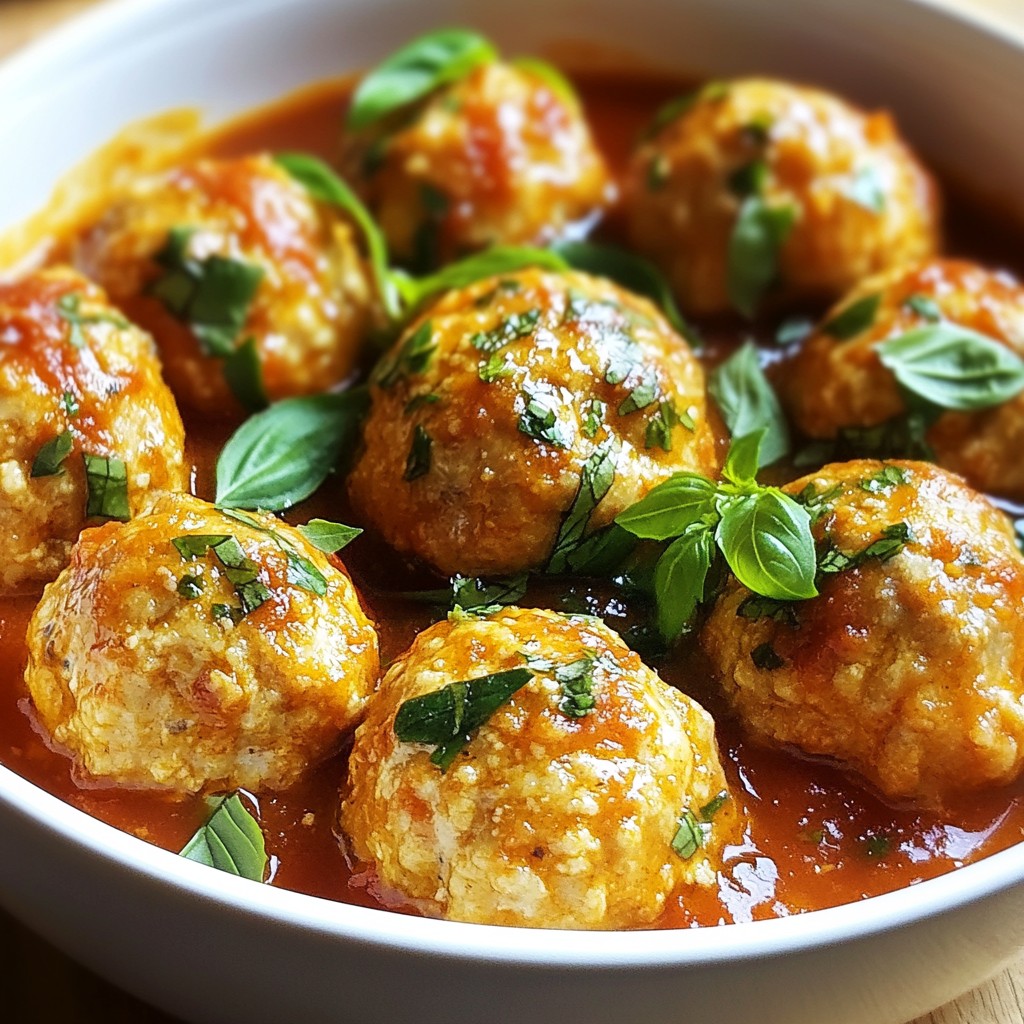
Creamy Vegan Thai Red Curry Soup
Ingredients
- 1 tablespoon coconut oil
- 1 medium onion, chopped
- 3 cloves garlic, minced
- 1 tablespoon ginger, grated
- 2 tablespoons red curry paste
- 1 can (400ml) coconut milk
- 4 cups vegetable broth
- 2 cups mixed vegetables (bell peppers, carrots, and snap peas)
- 1 cup canned chickpeas, drained and rinsed
- 2 tablespoons soy sauce or tamari
- 1 lime Juice of
- to taste Fresh cilantro, for garnish
- to taste Salt and pepper
Instructions
- In a large pot, heat coconut oil over medium heat. Add chopped onion and sauté for about 5 minutes until translucent.
- Stir in minced garlic and grated ginger, cooking for another minute until fragrant.
- Add red curry paste, cooking for 2-3 minutes to release its flavors, stirring continuously.
- Pour in the coconut milk and vegetable broth, bringing the mixture to a simmer.
- Incorporate the mixed vegetables and chickpeas into the pot, allowing to cook for 10-12 minutes until the vegetables are tender but still vibrant.
- Stir in soy sauce or tamari and freshly squeezed lime juice. Season with salt and pepper to taste.
- Remove from heat and let rest for a few minutes to allow flavors to meld.
- Serve hot, garnished with fresh cilantro and lime wedges.


![To make Lemon Dill Grilled Salmon, you need a few simple yet fresh ingredients. Here’s the list: - Fresh Salmon Fillets - Fresh Dill - Lemon - Garlic - Olive Oil - Honey - Seasoning: Salt and Pepper - Lemon Slices for Garnish Each ingredient plays a key role in creating the bright and delicious taste of this dish. Fresh salmon fillets give you a rich flavor and perfect texture. The fresh dill adds a fragrant herb note that pairs well with the fish. Lemon provides the zesty brightness that cuts through the richness of the salmon. Garlic gives depth, while olive oil adds a smooth finish. Honey balances the flavors with just a hint of sweetness. Finally, salt and pepper enhance everything, and lemon slices make for a lovely garnish. You can find the full recipe with detailed steps to prepare this dish easily. Enjoy the process of cooking and savor the delightful taste! - In a mixing bowl, combine the chopped dill, lemon zest, lemon juice, minced garlic, olive oil, honey, salt, and pepper. - Whisk the ingredients together until well blended to create a marinade. This step is key. The mix of flavors will soak into the salmon. - Place the salmon fillets in a resealable plastic bag or shallow dish. Pour the marinade over the top. - Seal the bag or cover the dish. This ensures the salmon gets coated well. Marinate in the refrigerator for 30 minutes to 1 hour for maximum flavor. The longer you marinate, the more taste you get. - Preheat your grill to medium-high heat. This helps cook the salmon evenly. - Remove the salmon from the marinade and let any excess drip off. Discard the marinade for safety. - Grease the grill grates with a little olive oil. This helps prevent sticking. - Place the salmon fillets skin-side down on the grill. Grill for 4-6 minutes without moving them. This allows the skin to become crispy. - Carefully flip the salmon fillets using a wide spatula. Grill for an additional 4-6 minutes. The fish should be opaque and flake easily with a fork. Adjust the time based on the thickness of your fillets. - Remove the salmon from the grill and let it rest for a couple of minutes. Resting helps keep it juicy. - Serve the grilled salmon garnished with fresh lemon slices and a sprinkle of additional dill if desired. Enjoy the fresh taste! For the complete recipe, check out the Full Recipe link. To enhance flavor with the marinade, use fresh ingredients. Fresh dill, garlic, and lemon add zest to the salmon. Combine these ingredients in a bowl and whisk until well mixed. This step makes every bite burst with flavor. Marinating is key, too. Let the salmon sit in the marinade for at least 30 minutes. This time allows the flavors to soak in deeply. For best results, aim for one hour. To prevent sticking on the grill, grease the grates with olive oil. This simple tip helps the salmon slide off easily. Place the salmon skin-side down on the grill first. Grill for 4-6 minutes without moving it. This helps the skin get crispy. To check for doneness, look for opaque flesh that flakes easily. If your salmon is thick, it may need a bit more time. Always use a wide spatula when flipping. This supports the fillet and keeps it intact. For a complete meal, pair your salmon with fresh vegetables or a light salad. Steamed asparagus or roasted broccoli complement the dish well. You can also serve it with rice or quinoa for a filling side. Don’t forget to garnish with lemon slices. They add a bright touch and extra flavor. Enjoy your delicious meal! For the full recipe, check out the detailed steps above. {{image_2}} Alternative Herbs and Spices You can switch up the herbs in this dish. Try fresh parsley or basil instead of dill. These herbs add unique tastes and aromas. Adding a pinch of red pepper flakes gives a bit of heat. This twist can make your salmon extra special. Different Citrus Options Lemon is great, but don’t stop there. Use lime or orange juice for a different kick. Each citrus option brings its own flavor. You can mix citrus juices for a fun blend. This variation makes the dish exciting and fresh. Oven-Baked Lemon Dill Salmon Baking salmon is simple and tasty. Preheat your oven to 375°F. Place the marinated salmon on a baking sheet. Bake for 15 to 20 minutes. Check for flakiness to know when it's done. This method keeps the salmon moist and flavorful. Pan-Seared Lemon Dill Salmon Pan-searing gives a crispy outer layer. Heat oil in a pan over medium heat. Add the salmon skin-side down and cook for 4-5 minutes. Flip and cook for another 4-5 minutes. This method enhances the flavor and adds a nice texture. Low-Carb and Keto Options This recipe is already low in carbs. You can keep it keto-friendly by using healthy fats. Olive oil works great here. You can also serve it with low-carb veggies like zucchini or asparagus. Gluten-Free Modifications This dish is naturally gluten-free. Just make sure all your ingredients are gluten-free. Check the labels on the olive oil and honey. This way, you can enjoy this dish without any worries. For the full recipe, check the earlier section and get started on this delicious meal! After grilling your lemon dill salmon, you may have some leftovers. To keep your salmon fresh, follow these best practices for refrigeration: - Cool it down first. Let the salmon reach room temperature before storing. - Use an airtight container. This helps prevent odors and keeps the salmon moist. - Refrigerate within two hours. This keeps bacteria from growing. If you want to enjoy your salmon later, freezing is a great option. Here's how to freeze salmon safely: - Wrap each fillet tightly. Use plastic wrap or aluminum foil to prevent freezer burn. - Place in a freezer bag. Squeeze out as much air as possible before sealing. - Label and date it. This helps you keep track of how long it’s been in the freezer. When it's time to enjoy your leftover salmon, reheating correctly is key to keeping the flavor and texture. Here are some recommended methods: - Oven method: Preheat your oven to 275°F (135°C). Place the salmon on a baking sheet and cover it with foil. Heat for about 15 minutes. - Stovetop method: Heat a non-stick skillet over medium-low heat. Add a splash of water or broth. Place the salmon in the skillet, cover, and heat for 5-7 minutes. To maintain the flavor and texture, avoid using a microwave. Microwaving can dry out the salmon and make it tough. Enjoy your delicious lemon dill grilled salmon again with these easy tips. And don't forget to check out the Full Recipe for more details! Marinating salmon for 30 minutes to 1 hour works best. This time allows the flavors to soak in without overpowering the fish. If you marinate for too long, the texture may change. Always keep it in the fridge while marinating to keep it fresh. Yes, you can use dried dill instead of fresh. Use about one-third of the amount since dried herbs are stronger. Fresh dill gives a brighter flavor, but dried dill still works well in a pinch. Grill your salmon at medium-high heat, around 375°F to 400°F. This heat helps create a nice sear while keeping the inside tender. If your grill runs hotter, reduce the heat slightly. - What if my salmon fillets are thick or thin? For thick fillets, increase the grilling time by a few minutes. For thin fillets, decrease the time. Always check for doneness by seeing if the fish flakes easily with a fork. Salmon is rich in omega-3 fatty acids, which are good for your heart. It also has high-quality protein that helps build muscle. Salmon is packed with vitamins like B12, D, and selenium. Eating salmon can boost brain health and improve mood. For the full recipe, please refer to [Full Recipe]. This blog post gives you the keys to grill perfect salmon. We covered essential ingredients, marinating tips, and grilling techniques. With the right marinade and careful cooking, you'll impress at every meal. Plus, explore tasty variations to keep it fresh and exciting. Store leftovers smartly and reheat without losing flavor. By following these steps, you can enjoy delicious salmon that is healthy and easy to make. Embrace these tips to make every salmon dish a hit!](https://dailydishlab.com/wp-content/uploads/2025/06/c925202d-eb72-4cda-aa67-938206b6f665-768x768.webp)