Watermelon Feta Mint Salad Fresh and Tasty Delight

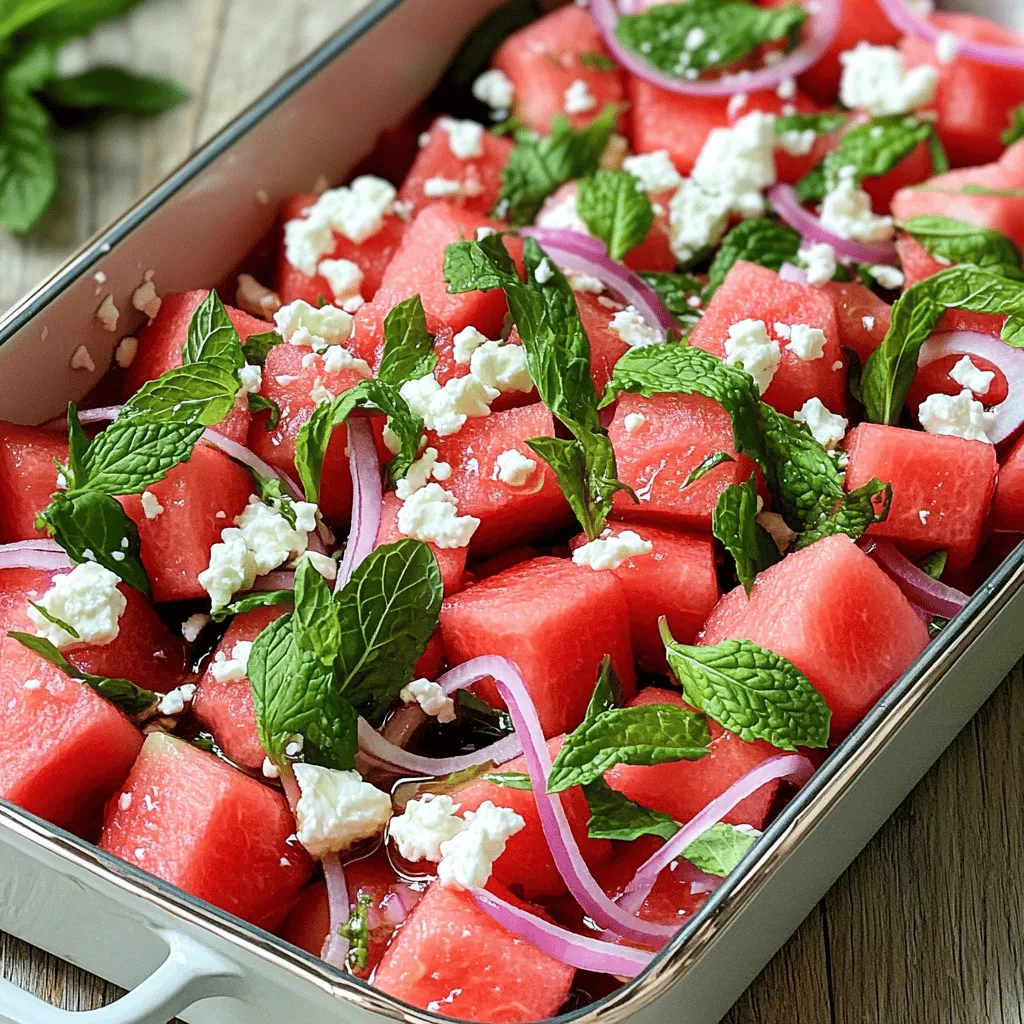
Looking for a bright, refreshing dish that dazzles your taste buds? You’ll love my Watermelon Feta Mint Salad! This colorful mix is perfect for summer gatherings or a light lunch. With juicy watermelon, tangy feta, and fragrant mint, it offers a delightful contrast of flavors. In this post, I’ll guide you through selecting the best ingredients, assembling the salad, and even some fun variations. Let’s dive in and create something delicious!
Why I Love This Recipe
- Refreshing Flavor: This salad combines sweet watermelon with salty feta, creating a vibrant flavor profile that is perfect for hot summer days.
- Easy to Prepare: With just a few simple steps and minimal ingredients, this salad comes together in no time, making it a great option for quick meals or gatherings.
- Nutritious Ingredients: Watermelon is hydrating and low in calories, while feta adds protein and calcium, making this salad a healthy choice.
- Versatile Dish: This salad can be served as a side dish, appetizer, or even a light lunch, and it pairs well with a variety of proteins.
Ingredients
Fresh Produce
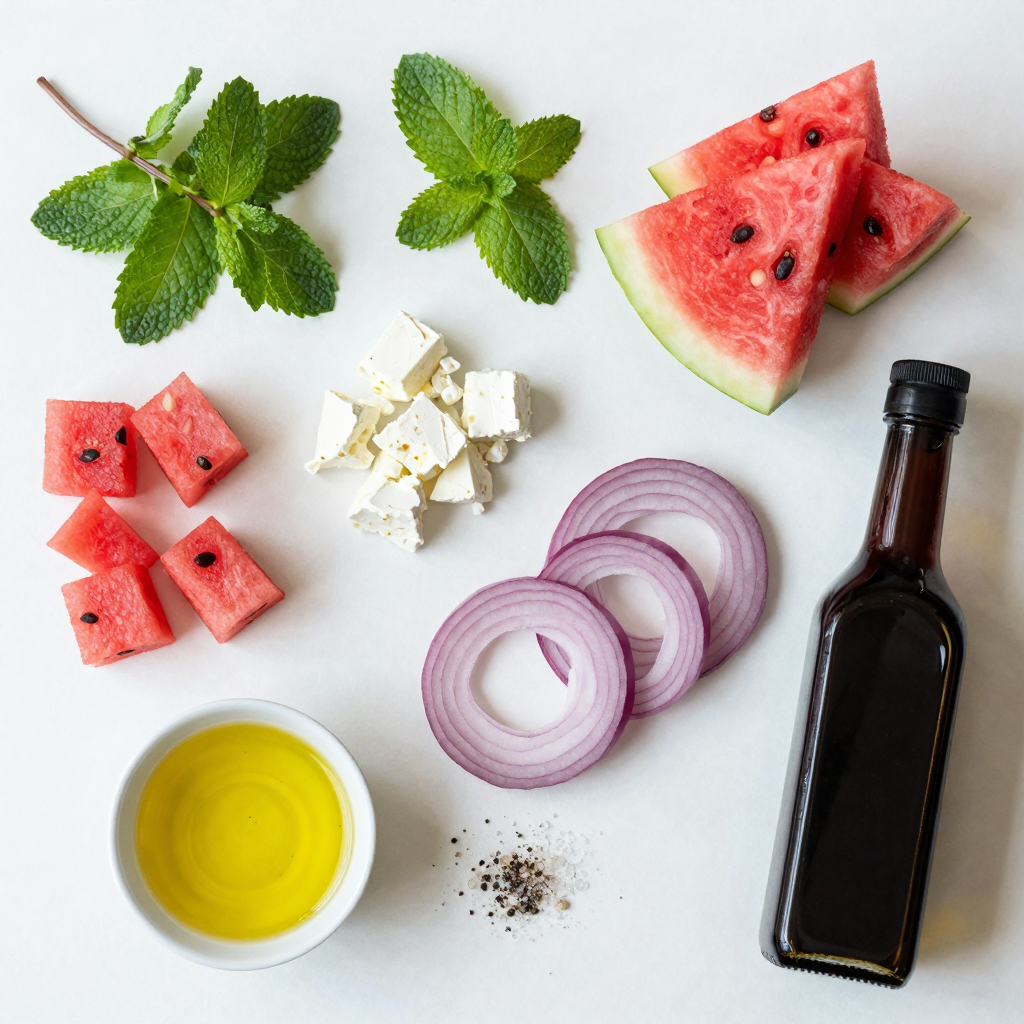
- Watermelon: Use ripe, juicy watermelon for the best taste. Look for deep green skin and a uniform shape. The best types are seedless and have a sweet aroma.
- Fresh mint: Choose bright green leaves without brown spots. To prepare, gently wash and tear the leaves. This fresh mint adds a burst of flavor to your salad.
Dairy and Condiments
- Feta cheese: Opt for creamy, crumbly feta. Look for cheese made from sheep’s milk for a richer taste. If you prefer, you can also use goat cheese for a tangy twist.
- Olive oil and balsamic vinegar: Use high-quality olive oil for a smooth finish. A good balsamic vinegar adds depth. You can also try flavored oils like lemon or herb-infused oils for a fun twist.
Seasonings
- Salt and pepper: These simple seasonings enhance flavor. Use flaky sea salt for a bit of crunch. Freshly cracked black pepper adds a nice touch, but you can skip it if you prefer milder tastes.
Step-by-Step Instructions
Preparing the Watermelon
First, pick a ripe watermelon. Look for a uniform shape and a yellow spot on its skin. This spot shows it ripened on the ground. To cube the watermelon, place it on a cutting board. Cut off both ends. Then, slice it in half lengthwise. Cut each half into long strips, about half an inch wide. Now, turn the strips and slice them again into cubes. This method is quick and keeps the cubes even. Place your watermelon cubes in a large salad bowl.
Assembling the Salad
Next, it’s time to layer the ingredients. Start by crumbling the feta cheese over the watermelon. This adds a creamy touch and salty flavor. Then, add the torn mint leaves. These fresh herbs bring a bright taste. After that, scatter the thinly sliced red onion. This gives a nice crunch and a bit of bite. Layering helps each ingredient shine through in every bite.
Dressing and Tossing
Now, let’s create the dressing. In a small bowl, whisk together the olive oil and balsamic vinegar. This mix adds a rich flavor that ties everything together. Once the dressing is ready, drizzle it over the salad. Then, gently toss the salad. Use a large spoon or spatula. Be careful not to mash the watermelon or feta. You want to keep the pieces intact. Finally, season with salt and pepper to taste. For the best flavor, let the salad sit for about 10 minutes before serving. This allows the flavors to blend beautifully.
Pro Tips
- Choose Ripe Watermelon: Make sure to select a watermelon that feels heavy for its size and has a uniform shape. A yellow spot on the rind indicates ripeness.
- Chill Before Serving: For a refreshing touch, chill the salad in the refrigerator for 30 minutes before serving. This enhances the flavors and makes for a cooler bite on hot days.
- Fresh Mint Matters: Use fresh mint leaves instead of dried for the best flavor. Gently tearing the leaves releases their essential oils, enhancing the salad’s aroma.
- Experiment with Add-ins: Feel free to add other ingredients like cucumber, avocado, or nuts for added texture and flavor. Just make sure they complement the main ingredients.
Tips & Tricks
Selecting Ripe Ingredients
To make the best watermelon feta mint salad, choose ripe watermelon. Look for these signs:
- The watermelon should feel heavy for its size.
- The skin should have a uniform shape without dents.
- Look for a creamy yellow spot where it rested on the ground.
For fresh mint, choose bright green leaves. They should smell strong and sweet. Avoid wilting or yellowing leaves, as they are not fresh.
Presentation Tips
Serve your salad in a large, shallow dish. This helps with both beauty and ease of serving. Garnish with whole mint leaves for a pop of color. You can also sprinkle extra crumbled feta on top for a nice touch. A drizzle of olive oil can add shine and flavor.
Flavor Enhancement
Let the salad sit for about 10 minutes before serving. This time helps the flavors meld together. The salt and olive oil draw out juices from the watermelon. This makes every bite delicious and refreshing. If you want to boost the flavor even more, try adding a pinch of chili flakes or a squeeze of lime juice.

Variations
Adding Extra Ingredients
You can add fun elements to your Watermelon Feta Mint Salad. Nuts or seeds give a nice crunch. Try adding:
- Sliced almonds
- Chopped walnuts
- Pumpkin seeds
These ingredients not only add texture but also boost nutrition.
You can also mix in other fruits. Juicy berries or tropical fruits work well. Add:
- Strawberries for sweetness
- Blueberries for a pop of color
- Kiwi for a tangy twist
These fruits keep the salad fresh and exciting.
Dressing Alternatives
The dressing can change the salad’s vibe completely. If you want to switch it up, try these options:
- Honey and lime juice for a sweeter touch
- Greek yogurt for creaminess
- A splash of citrus vinaigrette for brightness
Experiment with these dressings to find your favorite flavor combination.
Dietary Adjustments
Making this salad fit your diet is easy. To make it vegan, skip the feta cheese. Use avocado instead. It adds creaminess without dairy.
To make it gluten-free, you’re in luck! This salad is already gluten-free. Just ensure your dressings are free from gluten too.
These adjustments let you enjoy the salad no matter your dietary needs.
Storage Info
Best Practices for Storing Leftovers
To keep your salad fresh, use a tight container. Glass or plastic containers work well. Store it in the fridge. Aim for a temperature below 40°F. This keeps the flavors bright and the ingredients crisp.
Shelf Life
The salad lasts about three days in the fridge. After that, the watermelon can get mushy. The feta might lose its texture too. Always check for any off smells before eating.
Reusing Leftovers
If you have leftover salad, use it in other dishes. Add it to a wrap or sandwich for a tasty twist. You can mix it into a grain bowl or top grilled chicken with it. The flavors blend well and make meals exciting!
FAQs
How do I keep the salad from getting soggy?
To keep your salad fresh and crisp, you can follow a few simple tips:
- Use a melon that is not overripe. Choose a watermelon that is firm and heavy for its size. Overripe watermelon has more water and can make the salad soggy.
- Cut just before serving. Cube your watermelon right before you plan to eat the salad. This helps reduce moisture loss.
- Pat the watermelon dry. After cutting, gently pat the cubes with a paper towel. This removes excess water.
- Add dressing last. Wait to drizzle the olive oil and balsamic vinegar on the salad until you are ready to serve. This keeps the ingredients from soaking in moisture.
Can I make this salad ahead of time?
Yes, but there are best practices to ensure it stays fresh:
- Prep ingredients separately. Cut the watermelon, mint, and onion ahead of time. Store them in different containers to keep them fresh.
- Mix just before serving. Combine all the ingredients right before serving. This keeps the flavors bright and prevents sogginess.
- Dressing on the side. Keep the dressing separate until you are ready to serve. This way, your salad stays crisp.
What should I serve with Watermelon Feta Mint Salad?
This salad pairs well with many dishes:
- Grilled chicken or fish. The salad’s light flavors complement the richness of grilled meats.
- Sandwiches or wraps. Serve it alongside your favorite sandwich for a tasty lunch.
- Quinoa or couscous. These grain salads work great as a side, adding more texture and flavor.
- Cheese platter. Pair this salad with a mix of cheeses for a fun appetizer or lunch.
Enjoy your fresh and tasty delight!
This blog post explored how to create a delicious Watermelon Feta Mint Salad using fresh ingredients. We discussed selecting the best produce and dairy, along with tips for preparation. You can enhance flavors and presentation with simple tricks. Remember to store leftovers correctly for the best taste. Enjoy experimenting with different variations to keep things fresh and exciting. By following these guidelines, you will impress your friends and family with a flavorful, vibrant salad that they will love. Happy cooking!


Watermelon Feta Mint Salad
Ingredients
4 cups of ripe watermelon, cubed
1 cup of feta cheese, crumbled
1/2 cup of fresh mint leaves, torn
1/4 red onion, thinly sliced
2 tablespoons olive oil
1 tablespoon balsamic vinegar
Salt and pepper to taste
Instructions
Start by preparing the watermelon. Cut the watermelon into half-inch cubes and place them in a large salad bowl.
Crumble the feta cheese over the watermelon.
Add the torn mint leaves and thinly sliced red onion to the salad bowl.
In a small bowl, whisk together the olive oil and balsamic vinegar until well combined.
Drizzle the olive oil and balsamic mixture over the salad.
Gently toss all the ingredients together, being careful not to mash the watermelon or feta.
Season with salt and pepper to taste.
For the best flavor, let the salad sit for about 10 minutes before serving to allow the flavors to meld.
Prep Time, Total Time, Servings: 10 minutes | 15 minutes | 4 servings
– Presentation Tips: Serve the salad in a large, shallow dish and garnish with a few whole mint leaves and additional crumbled feta on top for a beautiful finish.

Watermelon Feta Mint Salad
Ingredients
- 4 cups ripe watermelon, cubed
- 1 cup feta cheese, crumbled
- 0.5 cup fresh mint leaves, torn
- 0.25 unit red onion, thinly sliced
- 2 tablespoons olive oil
- 1 tablespoon balsamic vinegar
- to taste unit salt and pepper
Instructions
- Start by preparing the watermelon. Cut the watermelon into half-inch cubes and place them in a large salad bowl.
- Crumble the feta cheese over the watermelon.
- Add the torn mint leaves and thinly sliced red onion to the salad bowl.
- In a small bowl, whisk together the olive oil and balsamic vinegar until well combined.
- Drizzle the olive oil and balsamic mixture over the salad.
- Gently toss all the ingredients together, being careful not to mash the watermelon or feta.
- Season with salt and pepper to taste.
- For the best flavor, let the salad sit for about 10 minutes before serving to allow the flavors to meld.
- Presentation Tips: Serve the salad in a large, shallow dish and garnish with a few whole mint leaves and additional crumbled feta on top for a beautiful finish.

![To make easy grilled veggie skewers, you need: - 1 bell pepper (any color), cut into 1-inch pieces - 1 zucchini, sliced into thick rounds - 1 red onion, cut into wedges - 1 cup cherry tomatoes - 8 button mushrooms, cleaned and stems trimmed - 3 tablespoons olive oil - 1 tablespoon balsamic vinegar - 1 teaspoon garlic powder - 1 teaspoon dried oregano - Salt and pepper to taste - Fresh basil for garnish For the best grilling experience, consider these products: - Skewers: Look for stainless steel or bamboo skewers. - Grill: A simple charcoal or gas grill works well. You can add more colors and flavors to your skewers. Try these options: - Yellow squash for a bright touch. - Eggplant for a unique texture. - Bell peppers in different colors for variety. - Different herbs like thyme or rosemary for extra flavor. First, gather all your ingredients. You'll need a bell pepper, zucchini, red onion, cherry tomatoes, and button mushrooms. Cut the bell pepper into 1-inch pieces. Slice the zucchini into thick rounds and cut the onion into wedges. Clean the mushrooms and trim their stems. Next, get a large bowl. Pour in olive oil, balsamic vinegar, garlic powder, dried oregano, salt, and pepper. Whisk this mixture well. Add all your veggies to the bowl. Toss gently until they are evenly coated. Let them marinate for about 15-20 minutes. This step boosts the flavor a lot! Now, it's time to thread the veggies onto skewers. Alternate the vegetables for a nice look. If you're using wooden skewers, soak them in water for 30 minutes first. This prevents burning. Preheat your grill to medium-high heat. Place the skewers on the grill and cook them for 10-12 minutes. Turn them occasionally. You want the veggies to be tender and slightly charred. This gives them a great taste! To ensure even cooking, try to cut all the veggies to similar sizes. This helps them cook at the same rate. Keep an eye on them while grilling. If some are cooking faster, move those skewers to a cooler part of the grill. Once they're done, remove the skewers from the grill. Let them cool for a couple of minutes. Then, garnish with fresh basil before serving. Enjoy your Easy Grilled Veggie Skewers! For a full recipe with all details, check out the [Full Recipe]. Marinating vegetables boosts their flavor. Use a simple mix of olive oil, balsamic vinegar, garlic powder, dried oregano, salt, and pepper. This blend brings out the best in veggies. Let them soak for 15 to 20 minutes for great taste. If you have more time, let them sit longer. This adds even more flavor depth. Not all veggies work well on skewers. Select firm vegetables that hold their shape. Bell peppers, zucchini, red onion, cherry tomatoes, and button mushrooms are great choices. Choose colorful options for a beautiful plate. Freshness is key; always pick the freshest veggies for the best flavor. Avoid cutting your veggies too small; they may fall through the grill. Don't skimp on marinating time; this is crucial for flavor. If using wooden skewers, always soak them first. This prevents burning and helps them hold their shape. Finally, don't overcrowd the skewers. Leave space for even cooking and nice grill marks. For the complete recipe, check the [Full Recipe]. {{image_2}} You can change the veggies in your skewers to fit your taste. Try using eggplant, asparagus, or even sweet corn. Each brings a new flavor and texture. For a rainbow look, mix in different colors of bell peppers. You can even add small potatoes for heartiness. Just make sure they are cut small enough to cook well. Seasonings can change the whole dish. You can use lemon juice, cumin, or smoked paprika for a twist. For a spicy kick, add chili powder or cayenne. Want an Italian vibe? Try Italian herbs like thyme and rosemary. Experiment with your favorite flavors to find what you love best. To turn your skewers into a full meal, add protein. Chicken or shrimp works great. You can also use tofu or tempeh for a vegetarian option. Marinate the protein the same way you do with veggies. This way, everything shares the same tasty flavors. Grilling protein with your veggies makes for a fun and easy meal. After your meal, let the skewers cool down. Place them in an airtight container. Store them in the fridge. They will stay fresh for about 3 to 4 days. If you want to keep them longer, consider freezing. To reheat your skewers, use the oven or microwave. For the oven, preheat it to 350°F (175°C). Place the skewers on a baking sheet. Heat for about 10 minutes until warm. In the microwave, heat them for 1-2 minutes. Check to ensure they warm evenly. To freeze, place the cooled skewers in a freezer-safe bag. Remove as much air as possible before sealing. They can last for up to 3 months in the freezer. When ready to eat, thaw them in the fridge overnight. Reheat using the tips above for best results. You can grill many vegetables, but some are best. Bell peppers add color and sweetness. Zucchini brings a nice texture. Red onions have a great flavor when grilled. Cherry tomatoes burst with juice. Button mushrooms are hearty and soak up marinades well. These veggies stay firm and taste amazing when grilled. Yes, you can prep veggie skewers ahead of time. Just cut the veggies and marinate them. Store them in the fridge for up to 24 hours. This way, they soak up the flavors. When you're ready to grill, simply thread them onto skewers. This saves time and makes grilling easier. Veggie skewers usually take about 10 to 12 minutes to grill. Make sure your grill is hot. Turn the skewers every few minutes. Check for tenderness and slight charring. This ensures even cooking and great flavor. For the complete recipe and step-by-step details, check the [Full Recipe]. This gives you all the instructions you need for perfect grilled veggie skewers. You learned the key ingredients and steps for making perfect veggie skewers. We discussed how to prepare, grill, and store them. I shared tips for marinating, choosing vegetables, and avoiding common mistakes. Remember, you can customize your skewers with different flavors and proteins. Enjoy the process and experiment with new combinations. Now, gather your ingredients and get ready to create delicious skewers that everyone will love. Happy grilling!](https://dailydishlab.com/wp-content/uploads/2025/06/7d073b29-4343-47f2-9b62-ced2757717c9-768x768.webp)


![To make these tasty Brussels sprouts, you need: - 1 lb Brussels sprouts, trimmed and halved - 4 cloves garlic, minced - 1/4 cup olive oil - 1/2 teaspoon salt - 1/4 teaspoon black pepper - 1/4 teaspoon red pepper flakes (optional) - 1/2 cup grated Parmesan cheese - 2 tablespoons fresh lemon juice - Fresh parsley, chopped (for garnish) These ingredients create a delicious mix. The garlic adds a rich flavor. The Parmesan cheese brings a nice creaminess. Roasting the sprouts with these items makes them tender with a slight crunch. You can add some ingredients to boost the taste: - Balsamic vinegar for a tangy kick - Honey for a hint of sweetness - Bacon bits for a savory touch - Nuts like pecans or walnuts for crunch These ingredients can elevate your dish. Feel free to experiment with them. If you lack some items, here are some swaps: - Use canola oil instead of olive oil. - Any hard cheese can replace Parmesan. - Use shallots or leeks if you don't have garlic. - For a vegan option, skip cheese and use nutritional yeast. These swaps keep the dish tasty while making it easier to prepare. Always feel free to adjust based on what you have at home. Check the Full Recipe for more details on cooking. 1. First, preheat your oven to 400°F (200°C). This step is key for perfect roasting. 2. Take a large bowl, and add the halved Brussels sprouts. 3. Next, add the minced garlic, olive oil, salt, black pepper, and red pepper flakes if you like some heat. 4. Toss everything well. Make sure each sprout gets coated. 5. Spread the Brussels sprouts on a baking sheet lined with parchment paper. Lay them out flat for even cooking. 6. Roast in the oven for 20 minutes. This allows them to get tender. 7. After 20 minutes, take the baking sheet out. Sprinkle the grated Parmesan cheese on top of the sprouts. 8. Return the baking sheet to the oven. Roast for an additional 10 minutes. You want the cheese bubbly and golden. 9. Once done, take them out and drizzle fresh lemon juice over the sprouts for a nice zing. 10. Finally, add chopped fresh parsley on top for color and flavor before you serve. In this section, I recommend creating a visual guide. This can help you see each step clearly. For example, photos of the mixing bowl with ingredients or the roasted sprouts can enhance your cooking experience. Each image should show the sprouts' transformation, step by step. - Make sure the Brussels sprouts are cut evenly. This helps them cook at the same rate. - Avoid overcrowding the baking sheet. If they are too close, they can steam instead of roast. - Rotate the baking sheet halfway through cooking. This ensures even browning and crispiness. - For extra crunch, try using a convection oven if you have one. The fan helps circulate hot air. - Let the sprouts rest for a few minutes after roasting. This allows the flavors to settle. For the full recipe, check out the [Full Recipe]. Start with fresh Brussels sprouts. Look for tight, bright green buds. Trim off the tough ends and slice them in half. This helps them cook evenly. Rinse them under cold water. This removes dirt and makes them taste fresh. For more flavor, soak them in salted water for 5 minutes. This simple step enhances their taste. To get that perfect crisp, use high heat. Preheat your oven to 400°F (200°C). Spread the Brussels sprouts in a single layer on a baking sheet. Avoid overcrowding; this helps them roast instead of steam. Use parchment paper for easy cleanup and crispness. Toss them with olive oil and spices before roasting. This adds flavor and helps them brown nicely. One big mistake is not cutting the sprouts. If you leave them whole, they won’t cook well. Overcrowding the baking sheet is another issue. This leads to soggy sprouts instead of crispy ones. Also, don’t skip the cheese! Adding Parmesan at the right time gives a nice golden crust. Finally, remember to add lemon juice after roasting. It brightens the dish and enhances the flavors. For the full recipe, check out the main article. {{image_2}} You can change the flavor by using different cheeses. Instead of Parmesan, try Asiago or Pecorino. These cheeses add a sharp taste that pairs well with the sprouts. If you want a creamy touch, add some goat cheese. It melts nicely and gives a rich flavor. Mix different cheeses for a fun twist. Each cheese adds its own unique flair to the dish. Brussels sprouts work well with many other vegetables. You can add carrots, sweet potatoes, or bell peppers. Just chop them into similar sizes to the sprouts. This makes sure they cook at the same time. Roasting a mix of veggies adds color and flavor. Plus, it makes the dish more nutritious and fun to eat. If you like heat, add more red pepper flakes. You can also try a splash of hot sauce before serving. For a smoky flavor, sprinkle some smoked paprika on the sprouts. This adds a nice depth to the dish. You can even toss in chopped jalapeños for a fresh kick. Adjust the spice level to fit your taste. Enjoy the heat! To keep your roasted garlic Parmesan Brussels sprouts fresh, allow them to cool. Place the leftovers in an airtight container. Store them in the fridge for up to three days. This way, they stay tasty and ready to eat. When it’s time to enjoy your leftovers, the oven is best. Preheat the oven to 350°F (175°C). Spread the sprouts on a baking sheet. Heat for about 10 to 15 minutes. This method will bring back their crispiness and flavor. Freezing Brussels sprouts is simple. First, roast them as per the full recipe. Allow them to cool completely. Then, place them in a freezer-safe bag or container. Make sure to remove as much air as possible. They will stay fresh for up to three months. When you’re ready, just reheat them straight from the freezer! Roasted Brussels sprouts last about 3 to 5 days in the fridge. Store them in an airtight container. The flavors may change a bit, but they still taste great. To reheat, just warm them in the oven or a pan. This keeps them crispy. Yes, you can use frozen Brussels sprouts. They will work, but the texture may be softer. Make sure to thaw them first and pat them dry. This helps to remove extra moisture. You can then follow the same cooking steps in the [Full Recipe]. Roasted garlic Parmesan Brussels sprouts pair well with many dishes. Here are some ideas: - Grilled chicken or fish - Quinoa or rice dishes - Pasta with light sauce - A fresh salad These sides add balance to your meal. Enjoy the tasty contrast with the sprouts! Roasted garlic Parmesan Brussels sprouts are a tasty and healthy treat. We covered the key ingredients needed, along with great alternatives. You learned step-by-step cooking methods and tips for perfect roasting. I shared flavor variations and what to avoid when making them. Finally, you discovered how to store leftovers for later meals. Now, it’s your turn to try this simple recipe. Enjoy these tasty sprouts!](https://dailydishlab.com/wp-content/uploads/2025/07/0dc3de56-8693-4932-b830-16ad2f639664-768x768.webp)